Travel Blogs

Every Stay Feels Like Home

Plan your next adventure with expert travel guides, itineraries and must-see destinations across Europe!

Best Winter Activities in the Chamonix Valley: Chamonix, Les Houches, Argentière & Vallorcine

Planning a winter in the Chamonix valley? From gentle snowshoe walks to high-alpine thrills, things to do in Chamonix in winter go far beyond skiing. Whether you’re a beginner or travelling with kids, there’s something for everyone. Keep reading for top activity suggestions, estimated costs, travel tips, and where to find your winter base in the Chamonix ValleyBut first, let’s understand-How to Use This GuideWe have curated this guide to make your holiday shortlisting a cakewalk. This guide includes each area in the valley, offering a distinct winter experience:Chamonix: ideal for lively stays, easy access to attractions, and family-friendly fun.Les Houches: gentle slopes and sledging, great for beginners and families.Argentière: snow-sure terrain and access to Grands Montets for advanced skiers.Vallorcine: peaceful, scenic base for snowshoeing and quiet getaways.Use this guide to plan what to do in each area, then check out our property collections to find your winter base. Activities link out to the official booking site in a new tab, while stay links will take you to our curated listings. Please note that providers set the times and prices; check the official page for updates before booking.Your sign to make winter plans in the Chamonix valley.Chamonix-Mont-Blanc As the heart of the valley, Chamonix combines alpine adventure with culture and relaxation. For those new to skiing, it’s one of the best places to start. Ski schools offer lessons for all ages, with beginner-friendly slopes, such as Les Planards, providing gentle terrain close to the town centre. If you’re wondering, “Is Chamonix good for beginners?” the answer is yes—especially with the right instruction. Top Things to Do in Chamonix-Mont-Blanc1. Skiing & Lessons for BeginnersFirst time skiing? If yes, then Chamonix’s valley is perfect for you. Beginners often start on the lower slopes in Chamonix or the gentler pistes of Brévent and Flégère.Ski schools such as Air Sports Chamonix and ESF de Chamonix offer lessons for all levels.Pass cost: The “Chamonix Le Pass,” which covers multiple zones, costs around €74 per adult for a full day (2025–26 season).Ski Schools in Chamonix 2. SnowshoeingA peaceful way to explore the winter valleys away from the ski lifts, snowshoeing offers scenic trails and guided tours starting at about €50 per person for a half-day. Popular routes include Snowshoeing – Half Day from Chamonix, with gentle climbs of around 200 m. Maps and routes covering Chamonix, Vallorcine, and Le Tour are available online.Read more about snowshoeing in Chamonix here. 3. Aiguille du Midi & Montenvers / Mer de GlacePerfect for non-skiers, these iconic attractions offer unforgettable Alpine views.Aiguille du Midi cable car takes you up to 3,842 m, offering panoramic vistas and the thrilling “Step into the Void” glass box.Montenvers / Mer de Glace involves a scenic cog railway ride leading to the glacier, ice grotto, and Glaciorium museum.The best part? Both are pedestrian-accessible and ideal for sightseeing.4. Spas & RelaxationAfter a day on the slopes, unwind at one of Chamonix’s many spas and wellness centres. Several hotels in town offer luxurious spa experiences with saunas, hot tubs, and massages to soothe tired muscles. You can also check out the famous QC Terme Spa, known for its thermal pools, steam baths, and stunning Mont Blanc views, perfect for a relaxing mountain retreat.Family Picks & Non-ski OptionsLes Planards Alpine Coaster and sledging runs near Chamonix town centre.Outdoor ice rink in Les Houches.Local museums, exhibitions, and cosy cafés for relaxed afternoons.Dog sledge rides through snowy trails (bookable via local activity centres).Check out stays near Chamonix-Mont-Blanc  The highest cableway in Europe, soaring to 3,842 meters at the Aiguille du Midi peak.Les Houches — Gentle Slopes & Family BaseNestled at the entrance of the Chamonix Valley, Les Houches is a charming alpine village known for its friendly atmosphere and stunning views of Mont Blanc. It’s a Famille Plus certified destination offering family-friendly sledging zones and ski schoolsWinter Activities in Les HouchesLes Houches ski areaBeginner-friendly slopes: The Tourchet area in the village is perfect for first-timers. Gentle gradients, magic carpets, and friendly instructors make learning fun and stress-free.Pass cost: A standard lift pass for the Les Houches / Saint Gervais area costs around €47.20, giving access to 55 km of forested runs, snowparks, and scenic pistes.Snowshoeing & Winter WalksSnowshoeing & Winter Walks: Discover scenic trails like Prarion – La Charme (3.5 km loop, ~1h30) or the shorter Petit Prarion Loop (1.4 km). The Sentiers des Cerfs (Deer Trail) is a gentle 3.4 km route perfect for spotting wildlife tracks. Sledging / Tobogganing: At the top of the Prarion gondola, families and kids can enjoy a safe, groomed sledge run. Just hop on a sledge and feel the thrill of a snowy descent. Access is free with a lift ticket.Outdoor Ice Rink: In the village centre, the rink offers skating fun for everyone. Skates can be rented, and the experience pairs perfectly with a short snowshoe walk or a hot chocolate afterwards.To book or read more, check the official activities page. Enjoy sledging in Les Houches!Insider TipsMany snowshoe trails require a gondola ride, so plan ahead and check opening times.Evening events like torchlight descents are unmissable and perfect for photos or a cosy outing with the family.Les Houches is easily accessible by train or bus from Chamonix, making it a stress-free base for exploring the valley.Check out the stays near Les Houches.  Argentière — Snow-sure & Grands Montets AccessHome to the legendary Grands Montets ski area, Argentière suits advanced skiers and snowboarders who crave off-piste challenges. The Les Chosalets zone offers beginner slopes nearby, so mixed-level groups can enjoy the same base. Argentière is 8 km from Chamonix, reachable in 10 minutes by train or car. For non-skiers, ice climbing and scenic winter walks along the Argentière glacier are unforgettable.Top Winter Picks in Argentière 1. Grands Montets ski area Renowned for its extensive terrain, Grands Montets caters to advanced skiers and snowboarders with its varied slopes and off-piste opportunities. Les Chosalets is a beginner-friendly area perfect for those new to skiing or snowboarding. It also features a dedicated snow tubing track for added fun.2. Helicopter ToursExperience the majestic Mont Blanc massif from the sky with helicopter tours departing from Argentière. Flights range from 15 to 30 minutes, offering stunning views of the Aiguille Verte, Grandes Jorasses, and the Vallée Blanche. For more information, check out the official page for helicopter tours. Check out the stays near Argentière. A tourist helicopter over the beautiful Alps! Vallorcine Tucked away in the Chamonix Valley, Vallorcine offers a serene winter experience with scenic slopes, family-friendly activities, and thrilling adventures. Vallorcine Cable Car and Balme Ski Area.Embark on a scenic journey via the Vallorcine cable car, ascending to the Balme ski area at 2,270 meters. This area offers a blend of gentle slopes and tree-lined runs, catering to all skill levels. Along the way and from the summit, enjoy breathtaking panoramic views of the Chamonix Valley and surrounding peaks, all in a tranquil, crowd-free environment.Cable Car Rates (Winter 2025–26) start at €24 per adult (Round-trip). Ski Pass Rates (Balme – Vallorcine Area) start €71.00 per adult. Editor's Note: The Balme ski area is included in the Chamonix Le Pass and Mont Blanc Unlimited Pass.Check out the stays near Vallorcine. A beautiful view of Vallorcine Valley.Practical Tips for Winter in the ValleyBook ahead: Winter in Chamonix is popular; ski schools, spas, and excursions like Aiguille du Midi fill up quickly during peak weeks.Check lift status: Always verify the official lift status the day before your outing, as weather conditions can change rapidly.Dress in layers: Essential items include base layers, warm mid-layers, waterproof outerwear, gloves, and sturdy boots.Transport options: If you’re not driving, rely on the valley’s free ski bus network and regular trains to travel between Chamonix, Les Houches, Argentière, and Vallorcine. FAQs1. Is Chamonix good for beginners?Yes. With ski schools, gentle slopes at Les Planards, Le Tourchet, and Les Chosalets, it’s excellent for first-timers.2. Where to ski in Chamonix for beginners?Les Planards in Chamonix, Le Tourchet in Les Houches, and Les Chosalets in Argentière are the best options.3. What can non-skiers do in winter?Non-skiers can take snowshoeing tours, relax at spas, visit museums, ride the Montenvers train, or enjoy ice skating and alpine coasters.4. Can you ski from Les Houches or Argentière to Chamonix?No direct ski link exists, but free ski buses and trains make it easy to move around the valley.5. What to do in Chamonix with kids?Kids will love sledging in Les Houches, beginner slopes, the Les Planards coaster, and family-friendly museums.Where to Stay in the Chamonix ValleyChoosing the right base will shape your trip. Stay in Chamonix town if you want lively nightlife, cultural attractions, and easy access to both ski and non-ski activities. Families and beginners will feel most comfortable in Les Houches, where the slopes are gentle and the vibe is laid-back. Confident skiers chasing powder often prefer Argentière, while those seeking a quiet retreat in nature should consider Vallorcine.Ready to book? Explore stays by area: ChamonixLes Houches ArgentièreVallorcine 

Where to stay in Courmayeur for family ski vacation

Set at the base of the magnificent Mont Blanc in Aosta Valley, Courmayeur is one of the best family ski destinations in Europe with cross-country skiing and family-friendly holiday homes. Its welcoming atmosphere combined with off-piste trails, kid-friendly slopes and all-level ski runs make it a dynamic destination for families as well as lovers of the sport. Take in the scenic views from the Skyway Monte Bianco from Courmayeur to Punta Helbronner  In all, 21 ski lifts cover a dazzling 140 km ski area in and around Courmayeur. Out of these, four lifts are directly from the valley: the Courmayeur Cableway located in the west; the Dolonne gondola from Dolonne village; the Val Veny cable car close to the village of Entreves; and the Monte Bianco Skyway (also at Entreves) with access to separate off-piste skiing area below the famous Ponte Helbronner.  The ski lifts in Courmayeur are open from early December until mid-April, offering one of the longest ski periods in Europe. The Italian ski resort also offers many family-friendly attractions like the Skyway cable, which leads to the highest point in Italy and a fun-filled winter park, with cinema and off-piste sports.  Visit Courmayeur in early spring ski season and enjoy a ride on the Skyway cable A large chunk of how satisfying your vacation depends on the choice of accommodation. Ski vacations for families need some planning to find accommodations that would suit the needs of both the adults as well as the little ones. Below, we have rounded up some of the best stays in Courmayeur, along with family activities, attractions and more. Top Tips for Families on Ski Vacation in Courmayeur Enjoy a ski session with your kids or enroll them for their one in Courmayeur’s ski schools Several contemporary ski schools in Courmayeur cater to children and beginners, where your little ones can have a great time while learning–and even adults of all skill levels can learn ski techniques without having to stress about it. These ski schools usually admit kids aged 3 and up. Can kids ski in Courmayeur? Yes! Apart from having fun in ski schools, young skiers can test their skills on beginner runs in Plan Checrouit, Pila and Cervinia with nursery slopes and the gentle blue and red runs.  Editor’s tip: When deciding on accommodation, opt for lodgings near ski schools. Where to find the best snow in Courmayeur during and after the peak ski season The Cervinia ski resort, perfect for skiing with kids  The north-facing Val Veny side of Courmayeur's ski area offers the best snow conditions later in the season–when slush starts to become more of an issue on the southeast-facing Plan Checrouit side of the mountain. Meanwhile, the two wide easy runs served by the High Bertolini Ski Lift often have the best snow on the mountain, regardless of season! Our top favourite places to visit with younger kids in Courmayeur Courmayeur is a family-friendly paradise with many fun-filled places to visit with your kids  Winter Fun Parks - With a range of activities for children of all ages, including sledding, snow tubing, ice skating, fat biking and an inflatable bouncy castle, the Winter Fun Park is an ultimate family pleaser. There is also a cinema for enjoying in a relaxing atmosphere. The Skyway cable car – Leading to the highest point in Italy, the Skyway cable car is more than just a fun ride up the mountain. There is wine, food, and Italian culture to be enjoyed while staying closest to the Mont Blanc range in France. Be sure to check out the Morgex district, which offers a range of family-friendly activities and attractions. Lo Tatà di Courma – An outdoor kids' play area, Lo Tatà is open both in summer and winter. The area also offers a range of services for families, such as childcare, snack and lunch service, and a dedicated area for babies. Why Families Prefer Rental Homes in Courmayeur: Luxury of Space, Privacy and under budget Staying in vacation rentals provides many benefits that simply cannot be matched by hotels.  Family accommodations have larger spaces as well as more privacy and flexibility, allowing you to enjoy the luxurious while soaking up the comfort of home. Plus, holiday homes are also a great choice when travelling with small children or simply for a family that prefers to stick to a budget.  Enjoy the beauty of nature and the cosiness of alpine architecture at Plan Gorret  Ski vacations with kids can be demanding and tiring, so a comfortable place for all to unwind is more than essential. Holiday homes with multi-bedroom space for families of all sizes provide space for everyone while beautifully furnished kitchens allowing meal preparation at one's convenience, provide kids the satisfaction of home-cooked meals. Meanwhile, additional amenities like TV, board games, and Wi-Fi provide great sources of entertainment during the little time spent indoors. These apartments are positioned close to the ski area, with some high-rated ski schools for kids.  Courmayeur for non-Skiers: Apres ski and Thermal Baths for relaxation Courmayeur is a good choice for non-skiers. Not only is the village a delightful place for walking, shopping and dining with its array of bars, shops and restaurants, but many of the mountain restaurants are also accessible to pedestrians via the Plan Chécrouit cable car.  Soak in healing waters after a day on the snow Courmayeur also has an excellent sports centre, with the famous thermal baths at Pré-Saint-Didier just 6 km down the valley. Mountain restaurants in Courmayeur Lunch-time gourmets are spoiled for choice in Courmayeur, which has some of the best mountain restaurants in the Alps. Most famous of all is the Maison Vieille which offers traditional Italian cuisine, along with vegetarian options, in a rustic setting.  While on the Skyway Monte Bianco enjoy a bite at the Kartell Bistrot Panoramic Another highly recommended mountain restaurant is Chiecco just above Plan Chécrouit, a deceptively simple hut with outstanding food and service. However, if you are looking to find a place which is simply stunning with a great menu and location, then Kartell Bistrot Panoramic (the Skyway Cafe) on Skyway Monte Bianco has coffees, desserts, full meals and wines! On the Val Veny side of the mountain, La Grolla and the Petit Mont Blanc are also excellent, but there are other fabulous options almost everywhere you look.  Travel Tips for Courmayeur  How to reach Courmayeur? Getting to Courmayeur is easy, with several nearby airports to choose from including: Geneva (106 km) Turin (150 km) Milan Malpensa (212 km) Milan Linate (235 km) The resort is also well-connected by bus services, making it easy to get around once you arrive. The closest train stations include- Geneva (CH) /Bellegarde (FRA) / Torino (ITA). Book Your Family Stay with Us With family ski packages, great ski schools for kids, and a welcoming feel for families looking for an adventure, Courmayeur is an excellent destination.  If you are looking for family accommodation, these are some of the best places to stay in Courmayeur. Be it a quaint chalet or a spacious multi-bedroom villa, these accommodations are perfect for enjoying a ski vacation with your loved ones at Mont Blanc, Courmayeur. 

Lecce Travel Guide for First-Time Travellers

Down in the heel of Italy, Lecce is less popular than Rome, Venice or Florence...which is exactly why it offers a much nicer and more authentic Italian experience!  With origins dating to the 5th Century BC, this delightful little city in the heart of Salento is full of hidden treasures, earning the title of “Florence of the South”. Lecce’s historical importance is witnessed by the impressive Roman amphitheater and other archaeological remnants located in the city center. It is also home to the perfect example of “Lecce Baroque”, a unique style of Baroque architecture that you can admire only in this Southern Italian city! Aerial view of Piazza Sant'Oronzo, Palazzo del Seggio and the Roman amphitheatre  But it's not just history that draws travellers to Lecce. The city’s vibrant cultural life, cute little shops, winding streets and delicious local food and wine, are also some of the best in Italy!  Less hectic and more walkable than some of Italy’s better-known destinations, one of the biggest advantages of travelling in Lecce is that you can explore it at your own pace, savoring every moment. From walking tours to discovering the best places to eat and stay as well as suitable day trips, this Lecce travel guide will ensure you get the most out of your stay in and around this gem of a city.  Lecce Walking Tours: A stroll back in time through 1000’s of years of history As Lecce is a relatively small city, it is easy to get around and uncover its treasures. One of the plus points for exploring Lecce is that most of the important sites are in the Centro Storico, which is easily covered on foot. There are many guided walking tours in Lecce, depending on your interests. You can combine history with discovering street food, or focus on the city’s architecture or you can just enjoy its magic on your own.  Roman Amphitheatre  Ruins of the Roman amphitheater in Lecce Located in Piazza Sant’Oronzo, the amphitheater used to hold 15,000 people and is in remarkably good condition, although only a portion of it has been excavated. Many famous music and theatre events are still staged here in the summer months. Piazza del Duomo The stunning Piazza del Duomo in Lecce during sunset Just 3 minutes’ walk from the theater is the Piazza del Duomo, considered to be one of the most beautiful squares in Italy, with impressive palaces and churches built in Pietra Leccese, the soft, pale local stone. It is home to the famous Lecce Cathedral, the Cattedrale di Maria Santissima Assunta, which is a visual feast both inside and out. The original Romanesque church was renovated in the 17th Century. Editor’s tip: If you climb to the top of the cathedral’s 72 metres high bell tower you are rewarded with a stunning view over the city all the way to the Adriatic coast.  Basilica di Santa Croce The facade of the Basilica of Santa Croce Another magnificent Church that you simply must visit is the Basilica di Santa Croce which is an architectural masterpiece and took around 150 years to build. It is considered to be a perfect example of “Lecce Baroque” architecture. Uncover the secrets of history inside the Museums in Lecce Salento and Lecce have a fascinating history, going back many centuries, when it was a Greek colony. The peninsula has been ruled by the Romans, Saracens and Normans, so has a rich culture which you can discover in some of these museums. MUST – Museo Storico della Città di Lecce The MUST is a riveting combination of contemporary culture with some ancient artefacts. The museum’s collection includes 20th Century sculptures and paintings, as well as free exhibitions of current local artists’ work.  Museo Sigismondo Castromediano The Museo Sigismondo Castromediano tells the story of Lecce’s ancient Greek roots with exhibits from 8th to 5th Century BC.  Museo Faggiano Museo Faggiano is a hidden treasure which opened in 2008. Excavations, in what was once a private house, uncovered remains dating from the 5th century BC, through Roman times and the Middle Ages up to the Renaissance. It is all on view.  Bring a little bit of Salento Region back home: Shopping in Lecce for handicrafts, antiques and local specialities Lecce may not have the fancy designer shops of Rome or Florence, instead here you can discover other, more handmade treasures in crafts, ceramics and antiques. Puglia’s papier-mâché handicrafts and antiques Sandro Riso, craftsman who continues the centuries-old tradition of papier-mâché Puglia is famous for its papier-mâché handicrafts, known as “Cartapesta”. Claudio Riso is a master in this craft. His shop is in the heart of Lecce and one of the best places to find souvenirs. For lovers of antiques or vintage pieces, Lecce’s monthly flea market is a treasure trove. It takes place on the last Sunday of every month, on Via XX Settembre. Liberrima, Lecce’s Bakery Bookshop Traditional Italian snack from Puglia, Taralli Liberrima is not only a bookshop but so much more. There is a delicatessen attached and here you can find the best local olive oil and wines as well as local delicacies such as taralli  and frise (classic Puglian bread snacks), sweets and pasta. Liberrima also has a fantastic slow-food restaurant serving local dishes.  The area around Piazza Mazzini and Via Salvatore Trinchese, is home to many stores, including fashion and souvenirs, as well as a daily street market.   Delicious Pasticciotto leccese pastries filled with egg custard cream and sour cherry jam  Editor’s tip: Recharge at Pasticceria Natale, the perfect spot to try the famous pastry from Lecce,  pasticciotti Leccese, which must be accompanied by caffè leccese, iced coffee with almond milk. Then, hit the shops! Take home Puglia’s Specialities Don’t miss the Apulian olive-oil tasting Take home some of Puglia’s famous wine. The Apollonio winery is in the town of Monteroni di Lecce just 15 minutes out of Lecce. Here you can buy some of the finest local wines, and best of all, you can try them before you buy! The area is well-known for its Primitivo red wine, which is fruity and rich. A lighter option would be the Salice Salentino Bianco, a dry white wine which goes well with fish.  Lovers of olive oil can enjoy a similar experience at the Agro Farm which is just 4km from Lecce. In addition to olive oil tasting, you can visit the olive groves and discover the process of milling the olives to create delicious organic olive oil. A tasty plate of Orecchiette con le cime di rapa Where to eat in Lecce, and what is the most famous dish in Puglia  No trip to Italy is complete without trying the local food and the food in Lecce is some of the best in the country.  Puglia cuisine is known as “Cucina Povera” meaning “Poor cuisine” which really does not do it justice! It is tasty home cooking using the best seasonal local ingredients. Vegetarians will love the wide range of choices. There are many excellent restaurants in the city. But if you are looking for authentic Salento dishes, Alle Due Corti is a must.  Try Ciceri e tria (fried tagliatelle with chickpeas) or Orecchiette con cime di rapa (pasta with turnip leaves and anchovies), two of the most famous dishes in Puglia. If you are inspired to try this yourself, they also run cooking classes where you can learn some of their recipes. For the best fish and seafood try L’Arte dei Sapori which serves a wide variety from the catch of the day.  Editor’s tip: For snacks, delicious Pugliese pastries or a glass of Salentino wine head to Caffè Alvino in Piazza Sant’Oronzo which caters for locals and visitors alike. La Dolce Vita Lecce-style: The Nightlife in Lecce Walking down Lecce old town by night in summer  Lecce might seem like a sleepy place, especially on a summer afternoon, but the city comes alive at night.  For nightlife in Lecce there are plenty of excellent bars around the town. The stretch between Piazzetta Santa Chiara and Piazzetta Sigismondo Castromediano is particularly vibrant, with bars and street food vendors. Or try the Enoteca Mamma Elvira which has 250 wines on offer. For serious cocktails try Laurus or Prohibition which also has live music. Where to stay in Lecce? Relax in the lovely Anna Apartment near the centre of Lecce If you want to experience life like a local in Lecce, then an apartment in the Centro Storico is ideal.Terra Mia in the heart of the old town sleeps up to 4 people. Or relax in Anna Apartment, an apartment for 5, which is just 15 minutes’ walk from the cathedral.   For larger groups there are some wonderful luxurious villas in Salento such as Trullo Meraviglia which can sleep 10 people and has a gorgeous garden and private pool or Lisaria Villa Delle Meraviglie which has its own pool.  Travel Tips for Salento and Lecce  How long should you stay in Lecce? If you want a fun city break, then 2 or 3 days is perfect. This will allow you to discover Lecce and get to know some of its great restaurants and bars. If you are visiting all of Salento, then 1 or 2 days in Lecce is enough. However, make sure you spend at least one night there to enjoy its vibrant nightlife. Alternatively, base yourself in Lecce and use the city as a starting point for visiting other parts of Salento, in which case you may want to stay up to a week here. Explore the glorious Salento peninsula: Day trips from Lecce The rocky harbour beach at Santa Maria Al Bagno, Apulia Lecce is a good base to stay if you want to explore Italy’s heel. There is certainly a lot to see. With the Adriatic coast to the east and the Ionian Sea to the west you are really spoiled for choice. San Cataldo is just 20 minutes away and has 2 wide sandy beaches. These can get busy in August, but out of season the crowds thin out.  On the Ionian coast the beaches north of Gallipoli such as Lido Conchiglie and Santa Maria al Bagno are well-known as some of the most beautiful beaches in Italy.  The beautiful and historic beach town of Gallipoli is only a 30-minute drive and is steeped in history. If you want to spend more time in this beautiful town then Casa Gallipolina can sleep up to 7 people and is less than a 5-minute walk from the sea. When is the best time to visit Lecce? Winter (January - March) can be cold and many places are closed, so it is generally better to come in April when the weather starts warming up. Things heat up quite quickly and by late May and June it can be in the high 30’s.  The heat in July and August can be intense and in the first two weeks of August, around the Italian holiday of Ferragosto, the whole country seems to be on holiday, so Lecce gets very busy. September and October are quieter, more like May and June but with the advantage of a warmer sea. November is not a good time to come as it normally rains but December is charming, with good weather and festive with Christmas lights and celebrations. Festivals and Fun Salento-style On the occasion of the feast of the patron saint, Sant'Oronzo, splendid luminous decorations are installed in the historic center Given the Pugliese people’s love of food and wine it will come as no surprise that most of the festivals focus on those, with music and dancing, obviously! Lecce’s main festival marks its saint’s day – the Feast of Sant’Oronzo (24th – 26th August). The streets of the city are crowded with people enjoying the street food, music and fireworks. The town also organises Cortili Aperti (Open courtyards) usually at the end of May. For 1 day some of the city’s most beautiful private houses, buildings, courtyards and gardens are open to the public. Jazz lovers will not want to miss the Locomotive Jazz Festival that takes place across the region for two weeks in late July and early August. La Notte della Taranta is the largest festival in Salento. Spread over several towns and several evenings in late August, culminating in one final concert in Melipignano, it celebrates the music traditions of Salento. Throughout the summer visitors will always find interesting performances at Gallipoli’s Parco Gondar, one of Italy’s largest outdoor music venues.  How do I get to Lecce? Salento International Airport in Brindisi is just 30 minutes from Lecce. And Bari Airport, with more frequent flights, is also a good option. It is best to hire a car there or take a taxi. If you are arriving by train, then Lecce (Città) station is connected to other major Italian cities. Lastly, people often want to know “what is special about Lecce?”   Lecce is one of the most charming cities in Italy and an absolute must-visit if you are looking for beautiful architecture; fascinating history; delicious food and wine and glorious beaches. Its mild climate makes it an attractive option for most of the year. A lot more than a city break, the whole of the Salento peninsula is on your doorstep. A little piece of heaven on earth! Is Lecce worth visiting? Book these amazing holiday homes and discover yourself!

Andorra Ski Resorts: Our Winter Guide for Sports, Stays and tax-free Shopping

Nestled in the Pyrenees, with Spain on one side and France on the other, Andorra does not take up much space on the map. But this little country offers some of the best skiing, snowboarding and shopping in Europe.  From December to April, Andorra tourism becomes major for its snow-sure slopes, tax-free shopping and greater affordability than the Alps.  The country’s 210km of groomed slopes and off-piste ski areas make it a thrilling playground for skiers and snowboarders alike.  A scenic view of the snowy Andorran mountainscape But that’s not it. Andorra’s history and culture also make it a fascinating nation to explore. With Romanesque churches, Catalan cuisine, traditional bordas, amazing spas and winter events, there is more to the country than just skiing.  And before we forget, Andorra also has Europe’s longest Tibetan bridge and alpine coaster, south Europe’s largest spa and the largest ski resort in the Pyrenees! From historical sites to nighttime snow parks, spas and best ski resorts, we have round up an incredible Andorra Travel Guide to the best things to do, see and shop in winter: Best Things to do in Andorra in Winter Skiing and Snowboarding in Andorra: Largest ski resort, affordable stays and the famous El Tarter Snowpark  The cable car on a snowy landscape in Andorra Grandvalira Ski Resort  Home to the Grandvalira ski resort (largest in Pyrenees) and the El Tarter snow park, the parish of Canillo is perfect for skiers and snowboarders of all levels.   Canillo is divided into various sectors; El Tarter, Soldeu and Pas de la Casa, with each sector offering something different to explore.   El Tarter has the largest Snowpark in Southern Europe and offers accommodation with direct access to the Grandvalira ski lifts, while Soldeu is a regular host to skiing competitions. Pas de la Casa is for skiers of all levels, with a vibrant nightlife perfect for the young. There are also amazing off-piste experiences such as guided snowshoeing tours, snowmobiling, dogsledding (mushing) and ice-racing along the Andorra Circuit - Pas de la Casa! A unique feature of this skiing area is the nighttime Snowpark, Sunset Park Henrik Harlaut by night, for which you can use the daytime pass. The park is open from Tuesday to Sunday and is perfect to continue skiing into the night once the slopes have closed.  For sightseeing, the beautiful 11-C Romanesque Church Sant Joan de Caselles with detailed frescoes and cobblestone streets, is located right outside Canillo. Editor’s tip: If you buy the ski pass online, you can save 15% on an already cheap one! Vallnord Ski Resort Vallnord is in the northwest part of Andorra and offers greater ground for freestyling. It is just a 20-minute drive from Andorra la Vella, and ideal for skiing later in the season. After you have had your runs on the groomed slopes of Grandvalira, Vallnord is the second-best ski ground to explore for beginners and intermediate levels.  Natural and cultural beauty: Best Places to visit in Andorra Madriu-Perafita-Claror Valley: UNESCO-World Heritage site Madriu-Perafita-Claror Valley, declared a World Heritage Site by UNESCO in 2004 Reachable only on foot, you will soon realise why this natural heritage is also part of UNESCO. The pristine landscape is home to stunning trails and routes for hiking in Andorra as well as many lakes and forest lands. Explore old shepherd huts while journeying through the wild landscapes of the Andorran Pyrenees with popular moderate-level trails like Cami de l'Obac de Madriu, Estany de la Nou Lake, Refugi de Fontverd and Refugi de Perafita. Andorra la Vella: The highest capital city in Europe Sant Esteve church in Andorra la Vella The highest capital city in Europe, Andorra la Vella sits at an altitude of 1023m. The city is not only a haven for shopping but also ideal for picking up fresh produce at weekly Saturday markets. Discover the beautiful Eglesia de Sant Esteve and get to know the pre-Romanesque history of the country or walk the longest Tibetan bridge in Europe.  Just 5 minutes outside the city, there is another remnant of Andorran history, called Santa Coloma d’ Andorra, which belongs to the pre-Romanesque times!  Andorra Food and Drink: Try from rustic trinxat to fine dining in bordas Enjoy the earthy flavours of Andorra’s cuisine Andorra’s cuisine is heavily influenced by Catalan, Spanish and French flavours and traditional bordas everywhere offer an amazing apres ski session and dining experience. In the parish of Canillo and Andorra la Vella, you can try local cuisine such as Trinxat (a potato and cabbage dish with bacon), Escudella, Coca (a savoury or sweet pastry) and a great selection of grilled meats. To get a slice of what makes Andorran food so rustic in its conception but refined in its taste:  Try Borda de l’Horto in Canillo specialising in modern Andorran cuisine or Borda del Rector in Soldeu, ideal for grilled meat lovers. If you want to try excellent trinxat, then opt for Borda Patxeta in El Tarter. Editor’s tip: For amazing Apres Ski session, L'Abarset is located right at the foot of the ski slopes in El Tarter and La Cort del Popaire is right next to the ski cable car in Soldeu. Tax-Free Shopping: Go crazy in Andorra la Vella, Canillo and Escaldes Crowd of people duty free shopping, in Andorra la Vella Andorra is famous for its tax-free shopping. From luxury goods, to perfumes, electronics, cosmetic, alcohol and tobacco, the streets of Andorra la Vella are full of excited shoppers who cannot simply forgot the amazing deals and cheaper prices of the country. The best and most popular spots for duty-free shopping among tourists are Avenida Meritxell and Illa Carlemany Shopping Center in Andorra la Vella, the Vivand Shopping area in Escaldes-Engordany and Carrer Major in Pas de la Casa (Canillo Parish).  El Tarter and Soldeu offer great duty-free deals on ski gear and snowboarding equipment. Editor’s tip: High-quality ski rentals are also available in El Tarter, with shops close to the main Grandvalira gondola. Relax in South Europe’s largest spa: El Caldea Spa in Escaldes-Endorgany  Caldea spa building in Andorra La Vella Just a few kilometers from the centre of the capital, the spas of Andorra are indulgent and uber relaxing. Escaldes-Endorgany parish is ideal to sink into after skiing and apres ski sessions. Here, the Caldea Spa is known for being one of the largest spas in Southern Europe and its natural hot water bath treatments rich in minerals and therapeutic properties. Editor’s tip: The parish is also popular for its shopping, dining and nightlife. Unmissable Winter Feasts and Events in Andorra: Escudellas and International Freestyle Competition Escudellas: Free stew, dessert, wine and wonderful keepsakes A steaming plate of delicious Escudellas The 'Escudellas festivals' are a very charming tradition open to everyone, from famous people to locals, and you will most likely get to rub the shoulder with some popular personalities. The festival takes place in January on Sant Joan’s Day in the Sant Julia Parish (and on Sant Anthony’s Day in the rest of the country). People line up for free food, wine, desserts and a second serving of the delicious “Escudellas” (Catalan stew) fighting the intense cold weather to celebrate this heartwarming tradition.  Every year the dishes come with a special theme, which are taken back home as souvenirs. Total Fight Masters of Freestyle Andorra Masters of Free Style in Grandvalira Andorra  Over the years, Andorra has gained a great reputation for being a well-suited destination for freestyle skiing and snowboarding. Its natural terrain is the perfect drawing board for masters of freestyle who show their creativity in competitions like Total Fight Masters of Freestyle in El Tarter’s Snow Park. Freeride World Tour Andorra Perfect for those who want to experience off-piste adventures and natural beauty in a competitive environment, the Freeride World Tour usually takes place in Vallnord-Arcalís region, from late January to early February. Editor’s tip: Freestyle enthusiasts would love Grandvalira’s snow parks that have that have jumps, obstacles and more.  Travel Tips for Andorra From the best accommodations to the number of stay days, these basic tips will help you plan your vacations in Andorra: Best time to visit Andorra Dog sledding at Grandvalira ski resort, Grau Roig Andorra The official ski season rolls from the day of the famous Puente de la Purisima festival, a long weekend with festive atmosphere everywhere. The event takes place on 6th December, when tons of skiers from neighboring Spain take down to the slopes while enjoying various winter activities like dog sledding, snow mobiling, igloo building and snow shoeing in El Tarter. However, skiers start pouring in the Grandvalira ski resort from the 1 November up until mid-April. It is better to book your stay before to avoid high season prices. How many days do I need in Andorra? The entire country, which can be driven through in a morning, is divided into 7 parishes: Andorra la Vella (the capital), Canillo, Encamp, Escaldes-Engordany, La Massana, Ordino and Sant Julià de Lòria. Out of these, Canillo, Encamp and La Massana connect effortlessly to the main Andorra Ski Resorts:  Grandvalira and Vallnord.  Usually, 3-5 days are enough when you combine skiing and sightseeing to explore Andorra. Aerial view of El Tarter - a village in Pyrenees Mountains, Andorra and a part of Grandvalira winter resorts Language and Currency Andorra is the only country in the world that has Catalan as its official language. So, it would be good to pick up some local slang. However, English, Portuguese, Spanish and French are widely used in the country. Andorra uses Euro as its currency. How to reach Andorra? The best way to reach Andorra is by car, if you are in Spain or France, since there is no airport in the country. For the rest, visitors must take a flight to Barcelona in Spain or Toulouse in France.  Where to stay in Andorra? If you are coming in the high skiing season and want to avoid crazy jams (yes, the country is small, but traffic jams are the same) it is better to stay close to the ski lifts. These fabulous and budget-friendly modern apartments are just a few steps from the Grandvalira ski lift with airport shuttles facility that can be arranged to reach at the doorstep of your stay. Whether its skiing that you are looking for in the stunning beauty of the Pyrenees or off-piste activities and tax-free shopping, Andorra’s is the best alternative destination to Europe Alps retreats!

Lake Balaton Bike Tours: Exploring the Hungarian Sea

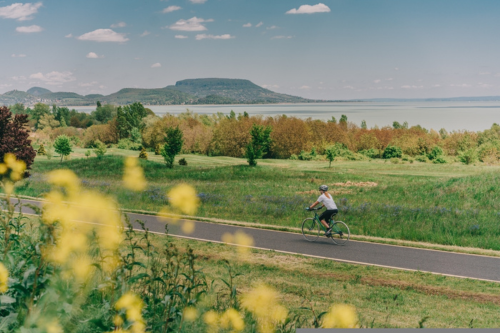
Discover the largest central European lake on bike, Balaton One of Hungary’s best-kept secrets, Lake Balaton is the largest lake in central Europe surrounded by beautiful countryside, tempting vineyards and picturesque towns. With a 210km (about 130.49 mi) long cycle path and many activities on and off the water, Lake Balaton offers an exciting destination that’s best explored by bicycle or car.  The lake stretches a vast fifty kilometers from north to south, earning the local name of the ‘Hungarian sea’, and offers very different experiences along its shores. The north side of Balaton is hilly, while the southern shore is flat and easier to navigate.  The complete route along the lake can take between 3 to 7 days. There are also cycle rental shops all along the route, such as Bikesystem and Balaton Bike 365 for bike hire, adjustment and repairs.  However, if the 210km circumnavigation of the lake is a little overwhelming, there are several equally amazing, but shorter options that can be covered in a day. You set the pace, it is not a race, just the most rewarding way to experience everything that Balaton has to offer.  Lake Balaton cycling routes for everyone Lake Balaton with its surrounding towns and villages Each side of Lake Balaton offers equally fascinating historical sites, landscapes, festivals and delicious local food. The north end combines architectural gems of Keszthely with the world-famous Balaton Sound festival, discovering Badacsony’s relaxed vineyard restaurants and the thermal spas of Hévíz. While the south offers cultural exploration with festivals like the Paloznaki Jazzpiknik in Paloznak,  swimming at Siófok’s Golden Beach and sampling Europe’s finest food and sailing Balatonfüred. Whichever side you choose, Lake Balaton is an all-round destination for all ages and groups! The Southern Shore of Lake Balaton: Perfect for beginners, families and beach lovers Routes between Siófok, Zamárdi and Balatonboglár Take a pit-stop at Zamardi’s Beach As the Southern Shore is relatively flat it is a better option for families and less experienced cyclists. The route is as long or as short as you want and is particularly good for riders who want to stop off for a quick swim at one of the many beaches. Popular routes run between two of the best party places, Siófok and Zamárdi (10 km), or further west to Balatonboglár (40km from Siófok).  Editor’s tip: Try Zamárdi Nagystrand, ideal for lunch at the award-winning Tiki Beach Bistro which caters for children and adults alike, or Napfény Strand which has many children’s activities. The Northern Shore of Lake Balaton: Perfect for advanced cyclists and wine lovers The wine route from Ábrahámhegy to Badacsony Stunning views of Badacsony Vineyards and Balaton The Northern Shore Route is more challenging, but the hills reward cyclists with panoramic views of the lake! As with the southern shores, you can tailor your route to suit your needs.  For wine lovers, a cycling tour can be seamlessly combined with a tour of the Badascony Vineyards. The area around Badascony has been a wine-growing centre since Roman times and is home to several wineries which offer tours and excellent food and beautiful country stays.  Starting in the town of Ábrahámhegy and ending at Badascony railway station, this 14km route takes about 4 hours and is moderately difficult. There are stunning views and there’s plenty of opportunity to try some of the excellent local wines. The Laposa Birtok vineyard is a popular stop. It is home to three different dining options, frissTerasz which is more casual and child-friendly; Laposa Wine Terrace which offers wine-tasting dinners and the bistro Hableány which is a little more relaxed. There is also the Folly Arboretum and Winery a little further east. Here you can try their Pinot Gris or Budai Zöld which are classic Hungarian wines.  The marked trails of the Balaton Uplands National Park The Balaton Uplands and Somlo Hill on a glorious autumn day More adventurous riders should head from the Balaton Uplands National Park with numerous trails covering forests, vineyards and fascinating rock formations, which suit mountain bikers.  The routes are varied, so visitors have plenty to choose from. The Tihany Peninsula Loop (25-30km) is a shorter, but beautiful option, which takes in the historic Benedictine abbey dating back to 1055, the lavender fields and beaches for a refreshing swim en route. The Tihany Peninsula cuts deep into the lake. It is a protected area rich in history and a peaceful spot with stunning views over the lake.  If you are staying a bit further in the countryside and visiting Balaton for only a day, then start at Balatonfüred, cycle westwards to the Tihany Peninsula and then on to the vineyards of Badacsony. It is a 3-hour cycle ride which combines the best of Balaton – beaches, history, panoramic views and wine. The Thermal Springs Route between Keszthely and Hévíz Soak in the healing thermal waters of Lake Hévíz all-year-long Away from the lake, the route between the towns of Keszthely and Hévíz (10 km) is only 30 minutes. It combines the history of Keszthely with the thermal springs of Hévíz. Keszthely, founded in Roman times, is now better known for the impressive Festetics Palace, built in 1745 in the baroque style. The interiors are pristinely preserved and offer a glimpse into the lives of Hungary’s aristocracy for over 200 years. After your tour and ride you can relax in the restorative spa waters of Hévíz Lake, the largest medicinal thermal lake in the world, rich in calcium and magnesium. You can swim in the lake all year round as it is naturally heated by underground springs. Or swim in luxury at The Lotus Therme Spa or the Ensana Thermal Heviz which has bubbling baths and swimming pools. Editor’s tip: If you want to explore a longer route and end up at the thermal spas, then start at Szilgliget, home to the famous wine festival, which takes around 1.5 hours minutes to reach Heviz. Beyond the cycling tours: Discovering Europe’s Inland Sea Although Lake Balaton is mostly relatively shallow, it is a centre for sailing, windsurfing, paddle boarding and swimming, making it ideal for a weekend or, if you can, a longer trip that will ensure you can pack everything in. Southern Side of Lake Balaton: Golden Beach and best party scenes Siófok The tranquil lake shore in Siófok, on Lake Balaton On the south side of the lake, there are popular beaches around Siófok, including Golden Beach, especially a hit among young people, with cafés, WC’s and pedaloes or canoes for hire. The largest town on Lake Balaton is also the party capital of Hungary. Its dazzling nightlife and summer parties normally start towards the end of June and go on until early September. Music lovers should not miss the Balaton Sound Festival in Zamárdi, just 13 minutes west of Siófok, on the lake shore. This takes place early in July and is a vibrant celebration of electronic music.  Northern Side of Lake Balaton: Breathtaking nature park and pretty towns The northern shores of Lake Balaton form part of the Balaton-felvidéki Nemzeti Park (Balaton Uplands National Park). This covers six areas - Kis-Balaton (Little Balaton), Keszthely Hills, Tapolca Basin, Kali Basin, Pécsely Basin and the Tihany Peninsula. Visitors can enjoy hikes, kayak tours and bird spotting in these unique, protected landscapes.  Tapolca, Hegyetsu and Kis Balaton Kis-Balaton (Little Balaton) is a birdwatcher’s paradise: Explore it on foot or by bicycle The Lake Cave in Tapolca is an absolute must-see. Here you can travel by boat through a fascinating network of caves under the town. The basalt cliffs at Hegyestű are also an impressive sight. A combination of mining and natural erosion has created a unique landscape of soaring cliffs and haunting rock formations. To the west of Balaton, Kis-Balaton (Little Balaton) is a birdwatcher’s paradise! Home to 250 species of birds, this wetland reserve is of international importance. If relaxing and visiting these places is something you’d love to do, then this holiday getaway with a whirlpool is perfect for you.  Balatonfüred  A steamboat passing through the aquamarine waters around Balatonfüred The charming town of Balatonfüred on the north side of the lake is a centre for yachting and coarse fishing. There are also regular ferry services across the lake between Balatonfüred and many other towns. Although it is slower than travelling by land it gives visitors unforgettable views of the lake and its surroundings. Don’t miss the experience of fine dining in Balatonfüred at Sparhelt. Révfülöp The pretty town of Révfülöp is an ideal starting point for exploring the lake and the Balaton Uplands and offers a fabulous lake-view stay for families. For self-catering there are several local markets where you can find the freshest local produce, including Révfuloppi Termeloi Piac, which takes place every Wednesday and Saturday morning. Things to know for a perfect trip to Lake Balaton When should you visit?  Lake Balaton is known for its mild climate. Between May and September, the weather is at its best, with warm days and plenty of sunshine. It is perfect for exploring the lake and enjoying its beaches and sparkling water. For something a little different, try a winter holiday by the lake. Balaton freezes during the colder months and is a popular destination for ice skating, with ice-sailing and ice-fishing. The area is less crowded but transforms into a fairytale landscape. How to get there? Just 80km southwest of Budapest, Lake Balaton is easily accessible. There are direct trains (1-2 hours) from Budapest’s Déli Railway Station to the town of Balatonfüred on the north side and to Siófok on the south. Lake Balaton is the perfect holiday destination for all ages! Hike through nature; relax by the lake; cycle through unspoiled landscapes; get active on the water and enjoy Hungary’s best food in one of our holiday homes after your tour! 

Discover the Magic of Sardinia: From Ancient Carnivals to Catalan Traditions

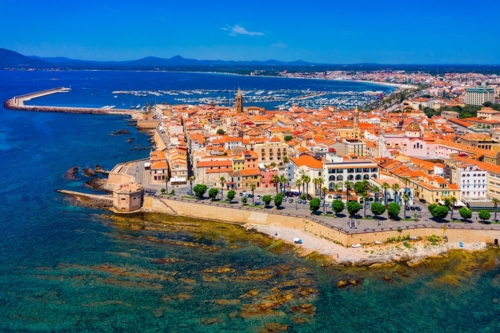
Sardinia is one of Italy’s most interesting and culturally vibrant regions: The second-largest island in the Mediterranean and a truly spectacular treasure trove of rich heritage and fascinating traditions. Yet it remains surprisingly undiscovered in comparison to Italy’s other, more famous destinations. While Sardinia might be best known for its stunning beaches and dramatic rocky landscapes, its vibrant festivals and unique traditions bring a mysterious fascination to the island, making it a culturally exciting destination as well. From ancient equestrian tournaments and autumn festivals to religious parades and village feasts, the island is alive with amazing events and happenings. So whether you are planning a cruise stop in the port of Cagliari or simply curious about the unique culture that awaits you on this delightful island, our Sardinia travel guide will provide an intriguing journey through the festivals and cultural heritage of Sardinia and the distinct Catalan influences in the picturesque town of Alghero. So pack your bags and join us as we uncover the magic of Sardinia's carnivals and the enduring Catalan legacy in Alghero. The pretty coastal town Alghero surrounded by the turquoise seaWhy is Sardinia So Famous?Sardinia’s fame and renown come mostly from its stunning coastlines and dramatic landscapes, like Costa Smeralda, one of the world’s most beautiful stretches of coastline and the favorite vacation destination of Prince Karim Aga Khan I. It is surrounded by rocky coves, hidden bays, and crystal-clear waters, as well as some truly stunning, pristine beaches.The stunning Spiaggia del Principe, Prince Karim Aga Khan I’s favourite beachBut Sardinia is more than just natural beauty - its culture and heritage are a huge part of what makes it such an exciting place to visit. From ancient ruins of the Nuragic civilization to cultural traditions going back millennia, Sardinia tourism thrives due to the unique customs of the people who live here. Sardinia's Carnivals: A Vibrant Celebration of TraditionFestivals and RitualsEvents like the Sa Sartiglia and the various parades are hugely significant elements of Sardinian culture and often reflect the fascinating spiritual and religious roots of the island. The blend of ancient, indigenous traditions and more modern Christian celebrations is unique to Sardinia, and it is fascinating to see how the rituals of the past inform the way of life of today. Sa Sartiglia in Oristano: A Celebration of Medieval Equestrian TalentSa Sartiglia: traditional carnival of OristanoThe lively streets of Oristano play host to one of Sardinia’s most famous carnivals, the Sa Sartiglia. This remarkable spectacle of equestrian talent has been held in the town for centuries, since the Spanish ruled Sardinia, and is a breathtaking sight. Horse riders, dressed in traditional medieval costumes, compete in daring feats of bravery and jousting. It is also one of the highlights of the Sardinian summer. Mamoiada's Mamuthones and Issohadores: Ancient Rituals for a Bountiful HarvestKids Issohadores from mamoiada's CarnivalThe Mamuthones and Issohadores parade is one of Sardinia’s most ancient traditions. Held in the town of Mamoiada, it consists of two groups dancing; the Mamuthones dressed in black, and the Issohadores dressed in red and white. Step into history as the rhythmic cowbells and ritual dances designed to ward off evil spirits and ensure a good harvest take over the streets. Tempio Pausania Carrasciali: A Unique Blend of Pagan Mysticism and Christian FaithCombining ancient pagan and Christian traditions, the Carrasciali in Tempio Pausania is a riot of color, sound, and festivity. This carnival parade is known for its bright floats, intricate masks, and vibrant parades, and is a delightful expression of Sardinia’s creativity and independent spirit. What Are the Traditions in Sardinia other than its carnivals?Delicious Sardinia Cuisine that prides itself on being different from the rest of ItalyDon’t forget about the dessert, have the delicious seadasFood is an incredibly important aspect of Sardinian tradition, and the locals take great pride in setting themselves apart from traditional Italian cooking. Dishes like porceddu (roast suckling pig), pane carasau (crispy flatbread), and seadas (cheese-filled pastries) are unique to the island and a testament to its independent nature. There are some exceptional restaurants in the town where you can try these delicacies. Trattoria al Refettorio offers a touch of (admittedly pricey) elegance, while Nautilus is perfect for romance and a special occasion. If you are looking for somewhere a little more casual, Prosciutteria Sant Miquel in the historic center, is perfect for a quick bite. Take home a piece of the intricate Sardinian Craftsmanship There are plenty of artisan crafts traditional to Sardinia, from weaving and pottery to jewellery making. The island is particularly well-known for its intricate filigree jewellery and its hand-crafted tapestries. Via Carlo Alberto, Via Gilbert Ferret and Via Roma in Alghero are the best places to start if you are looking to buy locally-made jewelry, pottery, or crafts, while further down the Costa Smeralda, Porto Rotondo has a weekly street market, as well as a great selection of more fashionable boutiques. Alghero: A Catalan LegacyAlghero is one of Sardinia’s most beautiful and interesting towns. It is a charming and intriguing blend of Italian charm and Catalan culture, making it a unique destination for visitors. The blend of natural beauty, Catalan history, and picturesque Mediterranean architecture ensures it stands out as one of the best places in Sardinia to explore. Medieval picturesque street, typical Sardinian, with small traditional souvenir shopsWhy Do People in Alghero Speak Catalan?Nestled on the northwest coast of Sardinia, Alghero is an unusual town thanks to its distinct Catalonian heritage. Unlike the rest of Sardinia, the most common language here is Catalan, a legacy of its history as a colony of the Kingdom of Aragon. In 1354, the town was captured by the Aragonese monarchy, and settled by people from Catalonia. Over time, this Catalan identity became a fundamental part of the town’s heritage and traditions and is the reason for the unique dialect spoken here. What Are Some Fun Facts About Alghero?Exploring Alghero’s Catalan traditions takes you on a fascinating journey of historical and linguistic discovery. Gothic Architecture of Alghero: The town boasts impressive Catalan Gothic architecture, including the Cathedral of Santa Maria and the Church of San Francesco. Red Coral or the Red Gold of Alghero: The town is also famous for its red coral, which has been a feature of the local economy for hundreds of years. Local artisans harvest the coral and use it to make intricate, beautiful jewelry, which is showcased in the Coral Museum, located inside the stunning Villa Constantino, where you can see extraordinary examples of this craft as well as learn about the history and legends of Alghero’s ‘red gold’.Must-buy souvenir: Alghero’s red coralThe mixed culture of Alghero: Algeherese culture is also a unique blend of Sardinian, Italian, and Catalonian, with local festivals such as the Festes de Sant Miquel incorporating traditional Catalan performances and costumes.  The cuisine is heavily influenced by that of northeast Spain, evidenced most obviously by paella algherese, a local version of the famous Spanish dish. Sardinia Travel Guide: Practical TipsIf you are thinking about visiting Sardinia, here are a few practical tips to keep in mind when planning your trip.Best Time to Visit SardiniaSardinia has a mild climate year-round, but the best time to visit is from late spring to early autumn. This is when the most interesting and exciting festivals and events happen and coincides with perfect summer weather. Getting AroundTrains and buses can be a bit unreliable in Sardinia and don’t always go where and when you want to. Renting a car is the best and most convenient way to explore, particularly if you want to explore smaller towns and more remote areas. LanguageItalian is the official language and you’ll be able to get by everywhere if you have a few words and phrases. However, if you really want to impress, learning a little Sardinian or Algherese Catalan can vastly improve your travel experience. With its rich blend of stunning natural beauty and fascinating cultural heritage, Sardinia is a vacation destination that delivers in spades. From the fusion of Sardinian and Catalan traditions in Alghero to the amazing festivals across the island, a trip to Sardinia promises an unforgettable journey and an experience that will stay with you forever. Whether you're planning a visit or simply curious about these captivating traditions, our blog will guide you through the vibrant festivals and rich cultural heritage of Sardinia and Alghero. Inspired to discover the magic of Sardinia's carnivals and the unique Catalan legacy in Alghero for yourself. Take a look at our incredible range of holiday rentals and reserve your stay with us today!Written by Frankie Girl

10 Most beautiful sardinia beaches with amazing water sports and marine adventures

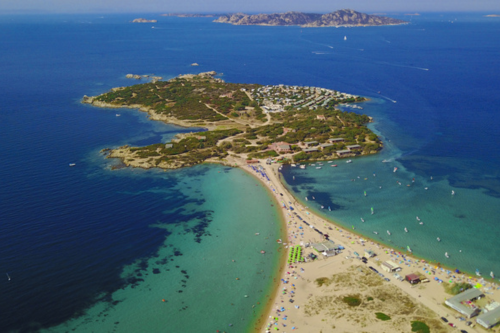
With some of the cleanest, most mesmerising beaches in the world, Sardinia has become known as the Maldives of Italy. From secluded coves to expansive sandy shorelines, this Mediterranean paradise enjoys more than 200 beaches; many of which offer a wide range of thrilling watersports.  Porto Pollo is a favourite spot for surfers whilst Tavolara Island offers wonderful opportunities to dive and snorkel.  And if you love being out on the water away from the crowds, then a guided boat tour or chartered sailing trip is perfect to explore the island’s dreamy coastline.  We’ve also rounded up the prettiest places to kayak or paddleboard and found the best Sardinia jet skiing locations for adrenaline junkies.  Whether you are looking for relaxation on pristine white sands or an exhilarating experience in the water, these 10 beach destinations with the most exciting Sardinia water sports promise to make your trip memorable.   Sardinia beach destinations to fall in love with  PORTO POLLO: the Sardinia windsurfing and kitesurfing capital The stunning Porto Pollo coastline Sardinia offers some of the best conditions for wind and kitesurfing in the Mediterranean and Porto Pollo on the north coast is a favourite among surfers.  This destination features two large bays and enjoys reliable Mistral winds creating excellent conditions for both beginner and advanced riders. You’ll find a vibrant windsurfing and kitesurfing community here as well as numerous schools and rental shops.  There are also amazing restaurants, bars, and shops and, Porto Pollos’ laid-back, friendly atmosphere makes it a favourite among families and water sports aficionados.  The bay is also suitable for other water sports, such as sailing, paddleboarding, and snorkeling, with a wide selection of apartments close to Porto Pozzo’s beach, just a 10-minute drive from Porto Pollo. PORTO CERVO, COSTA SMERALDA (THE EMERALD COAST): Fairytale beaches with a wide selection of water sports The turquoise waters in the fancy Porto Cervo In northeast Sardinia, the renowned hotspot of celebs, Emerald Coast consists of miles of picture-perfect bays and white sandy shores. It stretches from the town of Olbia to the chic beaches of Porto Cervo like Canniggione. Porto Cervo is also one of the most prestigious and well-known sailing hubs in the Mediterranean, with a luxury marina, boat tours and rentals and access to Tavolara Island, Spiaggia del Principe, one of the Emerald Coast’s most popular beaches, and the beautiful La Maddalena Archipelago. You will find opportunities to take guided boat excursions all over the island. It's advisable to book tours in advance to secure a spot, especially during the peak summer season. TAVOLARA ISLAND, COSTA SMERALDA: For ultimate immersion in sea life  The unique Tavolara Island coastline with its turquoise waters If you love scuba diving and snorkeling, the Costa Smeralda is one of the Mediterranean's best locations. Its waters are incredibly clear with up to 30 mts visibility (100 ft). You can look out for octopuses, sea urchins and starfish, as well as dolphins, sea turtles and underwater caves. Some of the most popular spots for Sardinia snorkeling and scuba diving are around Tavolara Island. This area caters for all skill levels with a range of local schools offering tuition and excursions with full equipment provided. Porto San Paolo is a great base from which to explore the marine-protected waters around Tavolara Island with plenty of options for accommodation within walking distance of the local beach. You’ll also find options for Sardinia kayaking, paddleboarding and jet skiing here. A boat excursion from Porto San Paolo is another idyllic way to enjoy the local marine life. These trips stop to allow exploration of Tavolara Island and Molara's natural swimming pools. LISCIA RUJA, COSTA SMERALDA: From calm water adventures like snorkelling to heart-racing jet-skiing Discover the adventures of one of the longest beaches in Costa Smeralda, Liscia Ruja The must-visit beach of Liscia Ruja is one of the longest on the Costa Smeralda and features an expansive stretch of fine, white sand that extends for several miles. This beach is equipped with beach bars and provides sunbeds/umbrellas for rent, along with the perfect opportunities for snorkelling, kayaking, paddle boarding, jet skiing and sailing.  Editor’s tip: Spiaggia del Principe and the beautiful Capriccioli headland are other gorgeous beaches, which are also great for swimming and snorkelling. LA CINTA BEACH, SAN TEODORO: A surfer’s haven further down the northeast coast Enjoy surfing in Sardinia’s turquoise waters La Cinta Beach near San Teodoro is located just south of Costa Smeralda and provides excellent conditions for all kinds of surfing. The beach enjoys thermal winds in the summer, a long, sandy beach, crystal clear waters and multiple schools/equipment rental options. This practical villa for 6 is just a 5-minute drive from La Cinta and a 20-minute drive from Porto San Paolo. Editor’s tip: Remember that sunscreen, water and snacks are essential for a day on the water. It is worth joining a guided tour which will provide a safe and informative experience, whilst you get to know the area. CALA COTICCIO AND SPIAGGIA DEL RELITTO, LA MADDALENA ARCHIPELAGO: Sailing, paddleboarding & kayaking at UNESCO site One of the most Instagram-worthy places in Sardinia, Budelli’s Pink Beach The Maddalena Archipelago consists of over 60 islands and islets with some of the most beautiful beaches and clearest waters in the Mediterranean. If you’re keen to escape the Sardinian mainland and explore the archipelago, a paddleboard or kayak is the perfect choice; with equipment rental companies available in all the popular locations.  Caprera Island has the archipelago’s dreamiest destinations: Cala Coticcio, (Tahiti Beach), and Spiaggia del Relitto, named after a shipwreck visible off the shore. Both are only accessible by hiking trails or on the water and provide ideal spots for snorkeling and diving. While you are there, explore the stunning Budelli Island’s Spiaggia Rosa (Pink Beach), too.  The town of Palau is the perfect gateway to Maddalena Archipelago with various boat tours leaving from its harbour and provides an ideal base with various options for accommodation. LA PELOSA BEACH, STINTINO: Pristine white sands, swimming and snorkelling  The relaxing La Pelosa beach, with its soft sand and clear waters Located near the small town of Stintino, in the northwest of Sardinia, La Pelosa Beach is renowned for its variety of marine life, incredibly fine white sand and shallow turquoise waters. This gorgeous spot is perfect for sunbathing, swimming and snorkeling.  If you are dreaming of a storybook beach paradise, this enchanting destination is a must with lovely stays near the beach. Due to its pristine condition, strict environmental protection measures have been put in place to safeguard La Pelosa Beach including mandatory beach mats.  Another place of interest in this area is Nereo Cave near Alghero (a 1-hour drive). Ideal for advanced divers, this is considered the largest underwater cave in the Mediterranean. Book your place: La Pelosa Beach only welcomes a maximum of 1,500 visitors per day. You can reserve your spot by paying an entrance ticket of €3.50/person, with a limit of 4 people/reservation.  CALA GOLORITZÉ, GULF OF OROSEI: Hike or boat to this glorious world heritage beach with swimming & snorkelling  The stunning Cala Goloritzé white beach, don’t forget to reserve your place Cala Goloritzé is a must-visit within the Gulf of Orosei on the east coast. The beach is part of a protected UNESCO world heritage natural reserve and is only accessible by boat, jet ski or a 3.5 km long hiking trail that starts from Supramonte di Baunei. If you arrive by boat, you must anchor offshore. A popular spot for sunbathing, swimming and snorkeling, the beach offers breathtaking scenery, white sand, pebbles and beautifully clear, turquoise waters.  Book your place: Cala Goloritzé has a limited capacity of 250 people/day, you can reserve a place for €7.00 per person (children are free). Entry is permitted from 7:30am to 3pm. CALA GANONE, OROSEI: Boat excursions, jet-skiing and diving Cliffs and turquoise waters near Grotta del Bue Marino  The town of Orosei, an 80-minute drive from Baunei (the start of the hiking trail) and a 30-minute drive from Cala Gonone is a flexible base to explore the rest of the Gulf with various options for accommodation. In Cala Gonone you will find boat excursions to Cala Goloritize and the Grotta del Bue Marino, an underwater cave that offers guided tours for divers. Jet skiers will also be able to access other hidden beaches and secluded coves including Cala Luna and Cala Mariolu, accessible only by water. CHIA BEACH, CAGLIARI: Clear shallow waters, pink flamingos, snorkelling, windsurfing & kayak adventures  Admire the lovely pink flamingos on the lagoon  Chia is one of Sardinia’s prettiest beaches on the south coast and is known for its long stretch of white sand, high dunes and lagoons with pink flamingoes. Also known as Su Giudeu, Chia Beach is ideal for families keen to avoid the crowds. The beach is popular with surfers and windsurfing enthusiasts and its rocky areas are great for snorkelling and diving.   Chia’s clear waters and wide-open spaces also provide the ideal location for jet skiing. There are various rental services and water sports centers in the area that also provide tutoring and guidance. Chia Beach is fully equipped with amenities such as sunbed, umbrella, windsurfing and kayak rentals, kiosks and bars offering refreshments and light meals and this villa for 5  in Pula is just a 20-minute drive away! Whether it is paddling across azure waters, sunbathing on soft sands or escaping into the clear depths of the Mediterranean, Sardinia is an incredible Italian destination! FREQUENTLY ASKED QUESTIONS ABOUT SARDINIA Which part of Sardinia has the best beaches? While every part of Sardinia offers beautiful beaches, the northeast (Costa Smeralda and La Maddalena Archipelago), the east coast (Gulf of Orosei), and the south coast are particularly renowned for their exceptional beach experiences. Is Sardinia very expensive? Sardinia can be expensive, particularly in certain areas and during the high season, but there are cost effective accommodation where you can explore the surrounding area on foot.  Does Sardinia have the best beaches in Europe? Sardinia undoubtably has some of the best beaches in Europe, if not the world! What is the cleanest beach in Sardinia? La Pelosa Beach with its strict environmental protection measures is often highlighted as one of the cleanest and most beautiful beaches on the island.                                                                             Which part of Sardinia is most beautiful? There are so many incredible parts of Sardinia it is impossible to say which is the most beautiful, but the renowned Emerald Coast in Northeastern Sardinia never fails to deliver. You can find out more about the beaches and coastal towns in this part of Sardinia in our dedicated travel guide and properties to suit every budget and group size.  Which beach is best for water sports in Sardinia? Sardinia offers an incredible range of beaches that are suitable for water sports, from windsurfing and kitesurfing to snorkeling and diving. Porto Pollo is particularly renowned for its wind and kite surfing, while Cala Gonone and Porto Giunco are excellent for underwater activities.

Menton Travel Guide: Fall in love with the French Riviera again

If you’ve left your heart on the French Riviera or you’re still to tick it off your bucket list, the beautiful resort town of Menton provides a great alternative to the bustling streets of Nice.  Often referred to as the "Pearl of France", Menton is famed for its painted old town, exotic gardens, picturesque beaches and unpretentious charm. The resort is the last stop on the Côte d'Azur, just a few kilometres before France turns into Italy, and enjoys a sunny Mediterranean climate that makes it an attractive destination year-round. Immerse yourself in the lush landscapes, dreamy beaches and lemon gardens of the Côte d'Azur with our quick travel guide and recommendations of wonderful Menton holiday apartments for every taste and budget.  Start with the best things to do in Menton Exploring Menton’s Old Town A visit to ‘Vieux Menton’, Menton’s Old Town has been described as stepping into a painting. Its pastel-hued buildings rising from the bay with shutters and flowered balconies paint a picturesque scene. Here, explore one of the most iconic St. Michel Basilica, climb up the Cimetière du Vieux Château, relax on palm-lined beaches or discover the atmospheric alleyways with hidden courtyards, quaint shops and charming cafes.  Relax at the sandy beach with the colourful Menton’s old town in the background Editor’s tip: If you decide to stay in ‘Vieux Menton’, you’ll be perfectly positioned to explore all Menton on foot. You can live like the locals by choosing an apartment right in the heart of things or an elegant escape overlooking the sea. Pastel walls in the Menton’s old town Walk to the Beauty of Basilica of St. Michel At the top of the Old Town, you can discover the Basilique Saint-Michel-Archange. The 17th century Basilica is one of Menton's most visited landmarks featuring an impressive façade and a 53-meter steeple with gilded interiors and a magnificent ceiling mural. The basilica is also a picture-perfect spot famous for its Les Rampes Saint-Michel, often referred to as ‘Les Escaliers’ or The Stairs. Originally built in 1753 to bring visitors from the shore to Saint-Michel Basilica, the zig-zag yellow stairway has become a mandatory ‘photo-stop’. Les Rampes Saint-Michel, the stairs leading to Basilique St Michel in Menton, France In front of the Basilica is the square Place Saint-Michel . Repaved with over 250,000 pebbles, this renovation involved laying an incredible mosaic pavement, designed to reflect the historical and cultural significance of the site. The new pavement has enhanced the aesthetic appeal of the square, making it a fitting entrance to the Basilica and a picturesque spot to enjoy the views of the surrounding area.  However, for one of the most picturesque spots in Menton, walk out on the Quai Impératrice Eugenie from here to the jetty. The views here, looking back at the town, are unmatched and there are also spots where you can sit, dip your feet in the water, soak up the sun and enjoy the breeze. Editor’s tip: Stay at this charming apartment for 3 if you want to enjoy views over the roof tops and the Basilica.  The small mosaic square of the Basilica St. Michel in Menton Where + When Basilique Saint-Michel-Archange has limited visiting hours Monday to Friday, from 3-5 pm Saturday, from 10 am to 12 pm and from 3-5 pm Sunday, Mass at 11 a.m.  Climb to the Cemetry of the Old Chateau for panoramic riviera views After visiting the Basilica, it is worth continuing the climb to the Cemetery of the Old Castle (Cimetière du Vieux Château) for some of the most amazing views on the French Riviera. Occupying the site where Menton’s castle once stood, the panoramic vista spreads over the terracotta roofs and colourful houses of Menton, across the sea towards the coast of Italy! The view overlooking the popular coastal town of Menton from the Cemetery of the Old Castle The cemetery was founded in 1807 and has become the final resting place of many notable artists, writers, and members of the European aristocracy. One of the most visited graves in the cemetery is that of William Webb Ellis who is often credited with inventing the game of rugby. Soak up the best French Riviera Beach Days in Menton Menton's beaches are among the most beautiful on the French Riviera. Plage des Sablettes is the busiest and most central of Menton beaches. However, there is no shortage of other good beaches to explore on your trip. Generally, the beaches are rockier on the western side of Menton and sandier on the east towards Italy.  The pastel tinted Plage des Sablettes Situated on the edge of Menton’s Old Town Plage des Sablettes has a picturesque boulevard that hugs the white sands. Here, you’ll find beautiful fountains, scenic restaurants, and a buzzing atmosphere. It is known as a place where young people and families gather and you can enjoy views of Menton’s colourful buildings with access to the clear shallow water, parasols, and sunbeds. For a family friendly beach holiday this apartment for 6 is as close to the sea as you can be, without getting your feet wet! Or for a romantic break with your loved one this studio apartment for 2 is a great choice, just a few steps away from the beach and close to local shops and cafes. Editor’s tip: Other options are Plage du Fossan and Plage Rondelli. Fossan is pebbly and good for families whilst Rondelli is sandier and attracts a younger crowd, with some fun beach bars. Shop at Menton’s historic Marché des Halles For the best local produce, head to the covered market, Le Marché des Halles. One of the most striking architectural sights in Menton, its characteristic yellow structure is situated between the Mediterranean Sea and the streets of the Old Town.The Historic covered market of menton, Le Marché des Halles  Home to a quintessential French market - all cheeses, fish, flowers, fruit, breads, charcuteries, meat and wines, this is the best place of Menton to find your picnic ingredients, if you’ve got a beach day planned! Quiche with spinach, quiche lorraine with ham and cheese, cheese souffle at Le Marché des Halles Where + When  Marché des Halles is on Quai de Monleon to the West of the Old Town. It’s open every day (except Monday) from 8am until around 1pm. We recommend heading here early in the morning for the most authentic experience (and more produce on show).  On Mondays, (depending on the season) the market may be completely closed or there will be fewer stalls. More attractions in Menton to visit Visiting Museum Jean Cocteau: Perfect for Art Lovers The Museum Jean Cocteau - The Bastion is undoubtably the cultural hub of Menton, contributing to its reputation as a centre for arts on the French Riviera. The museum celebrates the work of Jean Cocteau (1889-1963), the renowned poet, playwright, novelist, designer, filmmaker and artist. The museum houses a permanent collection of Cocteau's works, including drawings, ceramics, tapestries, and paintings. The Bastion (1619), now part of the Jean Cocteau Museum Cocteau had a deep connection with the French Riviera, particularly Menton. The museum itself is built within a 17th-century fort that’s been decorated with beautiful murals and mosaics by Cocteau himself. It overlooks the Mediterranean Sea offering visitors a unique blend of art, history and incredible coastal views. This gorgeous escape for 5 is situated on edge of the Old Town, moments from the beach and only a 5-minute walk from the museum.  Where + When The Bastion—Jean Cocteau Museum is open every day from 10:00 am to 12:30 pm and from 14.00 pm to 18.00 pm except Tuesdays, the 1st of January, 1st May, 1st November & 25th December. The museum is situated on Quai Napoléon III, 06500 Menton, France Menton’s Garden: Exploring an exotic paradise You can’t visit Menton without stopping at one of the town’s beautiful gardens.  With its Mediterranean microclimate and fine, year-round weather, Menton has garnered a reputation as a true gardener's paradise. The resort has attracted botanists since the 1700’s when the upper-class English community sculpted grand, beautiful gardens between the sea and the mountains.  A statue in a pool with water lilies in the Jardin Serre de la Madone Jardin Serre de la Madone, created by Major Lawrence Johnston in the 1920s, is still a serene retreat featuring rare plants from around the world. Its terraced design and tranquil ponds make it a perfect spot for a leisurely stroll.  A wonderful example is the Val Rahmeh Botanical Gardens that surround an Italian-Provencal-style villa. Wander through bamboo groves, tropical greenhouses, and citrus orchards, and enjoy the vibrant colours and fragrant scents. Created by the Spanish writer Vicente Blasco Ibáñez, Fontana Rosa, the "Garden of Writers," offers a more whimsical, eclectic design. Its mosaics, statues and colourful ceramic benches pay homage to literary greats.  Nestled on a hillside overlooking the sea, this apartment for 4 is ideally situated within an 8–12-minute walk from both Val Rahmeh Botanical Gardens and Fontana Rosa.  Where + When Val Rahmeh Botanical Gardens are open all year. Ticket prices are full rate: €8.00 & Concessions: €6.00. The garden is closed every Tuesday, May 01 and December 25. Jardin Serre de la Madone is also open all year round. Ticket prices are Full rate: €10.00 & Concessions: €7.00 The garden is closed every Monday. Fontana Rosa is only open on Mondays & Fridays between 10 am & 11.30 am.  Ticket prices are Full rate: €8.00 & Concessions: €4.00 Editor’s tip: If you are planning to come in February, then don’t miss the unique Fête du Citron celebrating Menton’s renowned citrus fruits.  Menton Restaurants: A taste of the French Riviera fine dining Finally, a holiday in Menton wouldn't be complete without indulging in its culinary delights. The town's cuisine reflects its unique location, blending French sophistication with Italian flavours leading to scrumptious dishes like Ravioli with Vegetables, Nicoise Salad and Socca Pancakes. Fresh seafood, sun-ripened vegetables and locally grown citrus fruits are staples of the local diet. The delicious French salad Nicoise with tuna, eggs, green beans, tomatoes, olives, lettuce and anchovies Menton is home to several Michelin-starred restaurants, including the world-renowned Mirazur. Perched on a hillside overlooking the sea, Mirazur offers a dining experience that is unforgettable, with dishes inspired by the region's rich bounty. FAQs Why is Menton famous? Menton is famed for its painted old town, exotic gardens, picturesque beaches and quiet unpretentious charm. Is Menton, France worth visiting? With its sunny Mediterranean microclimate, the beautiful resort town of Menton provides a culturally rich alternative to the bustling streets of Nice, making it an attractive destination all year-round. How much time do you need to visit Menton? The amount of time needed to visit Menton depends on your interests and the pace you prefer to travel. In one day, it is possible to enjoy the Old Town, visit one of the ornamental gardens and relax on the beach for a few hours.  How to reach Menton? The closest international airport is Nice Airport (NCE) which is a 35-minute drive from Menton. Alternatively, there is a regular train service which takes approximately 40 minutes. The same train line connects Cannes, Monaco, Antibes, and Villefranche-sur-Mer to Menton.  There are two train stations, ‘Menton’ on the west side of town and ‘Menton Garavan’ on the east. Both are approximately a 15-20-minute walk from The Old Town. Nice St Agustin (the train stop nearest the airport), a 15 - 20-minute walk from the airpot.  Can you walk from Menton to Italy? Yes, it is possible to walk from Menton to the Italian border – there is a great hike which takes approximately 40 minutes from Basilique Saint-Michel-Archange listed here.  Can you walk from Menton to Monaco? Yes, there is a great hike with gorgeous sea views all the way from Menton to Monaco which can be completed in between 2 and 4 hours depending on how many stops you make along the way. Is Menton expensive to visit? Menton is comparatively more affordable than Nice, Monaco, and Cannes. However, the cost can vary depending on the time of year, accommodation choices, dining preferences and activities.  Make the most of your stay in Menton by planning your trip with these wonderful Menton vacation rentals, ranging from beachfront stays to budget-friendly escapes!  

Vacations in Albania: Europe’s hidden beach holiday destination

In the heart of the Mediterranean, Albania is blessed with a mild climate and stunning landscapes. The coastal plains give way to rolling hills and then dramatic mountains. It is packed with historical sites, charming villages and towns with their origins in Ancient Greece and Rome, or later from the Ottoman period. Indeed, Albania is Europe’s undiscovered treasure and if you want to know what Vacations in Albania are like, then it means beautiful beaches, clear sea, fascinating history and delicious food. Below, we have rounded up the best of Northern Albania, from relaxing in Lalzit Bay to exploring history in the capital of Tirana and partying till the break of dawn, this is the Albania travel guide you have been looking for! Soak up the peace and beauty of the sandy beaches of Lalzit Bay Enjoy the wide sandy beach of Lalzit Bay Located north of Durres and reaching till the Cape of Rodon, Lalzit Bay, (also known as Lalzi Bay) is 10 kilometres of pure holiday vibes with wide sandy beach, a backdrop of pine trees and the mountains on the horizon.  Lalzit Bay is made up of several beaches. Plazhi San Pietro is particularly beautiful, with  super affordable stays just a stone’s throw away. It is uncrowded and an excellent spot for swimming, snorkelling and scuba diving. It is in a protected area, so away from the coast you can enjoy hiking in the pine forest and birdwatching. On the beach, visitors can hire cool cabanas, sun beds and parasols, and enjoy good food at the vibrant seaside cafés and bars. Lalzi Beach stretches from San Pietro down to Rrushkull Beach. These lively beaches have a range of activities including volleyball and other sports to keep visitors busy. Have an aperitivo in one of the numerous beach bars Editor’s tip: Looking for nightlife in Albania? Lazli Bay is also home to many lively beach bars, such as Summer Depo and Aqua Beach Bar, about 30 minutes from Durres. Both are known for their vibrant atmosphere and reasonably priced drinks. Escape Into Nature Aerial spring view of Rodoni CastleThe Cape of Rodon (€1 entrance fee), to the north of Lalzit Bay, appeals to nature lovers and history enthusiasts alike. This unspoiled peninsula has stunning views out over the Adriatic and is popular with hikers who want to enjoy the beautiful landscape. At the entrance to the Cape, by the ticket kiosk, there are 3 clearly marked trails of varying levels of difficulty.  The Mediterranean Trail is 4km and is easy for walkers of all levels offering stunning views over the cape and islands. The Panoramic Trail is 3km and takes in the highest point of Cape Rodon. This has some steep parts so is unsuitable for young children. The last one is the Coastal Trail (4km) which hugs the coast. This too has some steeper parts so is not for inexperienced walkers. If this is too energetic then relax on Rodon Beach. The clear waters are usually calm and shallow so ideal for families.  Editor’s tip: Just 40 minutes from Tirana airport, the entire area, which is called the Gijri Lalzit area, is ideal for families and offers the perfect summer getaways to relax with your loved ones near the Cape of Rodon. To the north of the cape, the ruins of the 14th-century Rodoni Castle (sometimes called Skanderbeg Castle) offer a glimpse into the past. The peninsula is also home to the church of St Anthony, which dates from the 14th century. The church was partly destroyed by an earthquake in the 1800’s but has been restored and its interiors include frescoes and stuccowork.  For an alternative view of the cape, hire a kayak and explore the coastline from the sea. This gives you a particularly impressive angle of the castle from an invader’s point of view More than Just a Beach Holiday: The best tourist attractions in Albania near Lalzit Bay Tirana, the Capital of AlbaniaHave a stroll in front of the Skanderbeg memorial and Ethem Bey mosque in Tirana, Albania The capital city of Tirana is only 45 minutes away and makes a fascinating day trip from Lalzit Bay. Tirana’s history spans millennia and the city has everything from the Byzantine ruins of Tirana Castle (now a buzzing tourist destination) to the fascist architecture of the Pyramid of Tirana in Skanderbeg Square and the biggest mosque. For authentic Albanian food and locally made gifts, the city’s New Bazaar (Pazar I Ri) is not to be missed. The city is known for its vibrant bar scene and nightlife. The Blloku neighbourhood is the main place to go to check this out. Durres, the historical treasure of Albania The lovely Durresi pier during the sunset In the town of Durres (only 40 minutes from Lazlit Bay), visitors can find the ancient and the modern side by side. The town is home to the largest Roman amphitheatre in the Balkans, as well as the ruins of a Byzantine forum. The 4th-century Venetian Tower, on the seafront, is now a restaurant and is the perfect place to watch the sunset over the Adriatic Sea. If you are travelling to Albania by car then Durres is your landing point by ferry from Ancona or Bari in Italy. Since it is reasonably close, just 40 minutes from Tirana, it gets lively at weekends with people coming from the capital to enjoy the beaches and great nightlife as the town bursts into life after sunset. Durres Summer Fest every June features international DJ’s and live performances. Kruje, the perfect place to explore Albanian culture and history Skenderbeg castle and museum in Kruje Away from the coast, the medieval town, Kruje is another great day trip from Lalzit Bay. Perched on a hillside it is a 1-hour drive through unspoiled countryside, with rolling hills and vineyards. Kruje is an important historical site in Albania as it was home to the national hero Skanderbeg (after whom the square in Tirana is named).  Kruje Castle is mainly in ruins but still worth a visit, particularly for the panoramic views across the valley to the mountains. Skanderbeg Museum, a seven-level museum inside the castle, gives visitors an interesting overview of Albanian history and Skanderbeg’s struggle.  Souvenir stands at bazaar in center of Kruja, Albania The town also has an Old Bazaar which is a 500-year-old market. It has a wide variety of antiques, Albanian handicrafts and souvenirs, as well as handwoven fabrics and carpets. It also has some beautiful cafés and restaurants where you can relax and enjoy the atmosphere. However, the charm of this market lies in its cobblestone streets with a middle eastern feel. Try the delicious Albanian Delicious Food and WineDon't miss the delicious Byrek, typical Balkan food  In between Gijri Lalzit and Kruje is the Duka Winery which is a lovely day out for adults. In the hills of Ishmi, the vineyard produces both red and white wines. They offer tours and wine tastings plus there is an excellent restaurant where they serve traditional Albanian cuisine. Not to be missed is the national dish of Tave Kosi - lamb which has been baked with rice and a mixture of yoghurt and eggs, and Byrek, a filo pastry pie usually stuffed with spinach and feta or tomato and onions. Try the  sweet petullas to conclude your meal Albanian cuisine is a combination of the finest food in the Mediterranean, Greek, Turkish, Italian and Eastern European. There are plenty of vegetarian options using baked bell peppers, tomatoes and aubergines, and some delicious breakfast options, including Petulla, small doughnuts served with local honey or jam. FAQs Best Time of Year to Visit After a chilly winter, spring arrives in Albania in March. May to late September are the ideal months to visit if you want to spend some time on the beach and swim. July and August are high season and the weather is very warm and sunny, perfect for a Mediterranean vacation. Is Albania good for tourists? With friendly local people, uncrowded beaches, delicious food and low prices, Albania is an excellent holiday destination. These beach rental on Lalzit Bay are perfect to spend the summer, without shaking your budget! Getting Around Public transport in Albania is fairly limited so the best way to ensure that you do not miss anything is to hire a car. The roads are good, not too busy and the driving is straightforward.  So, what are you waiting for? Lalzit Bay and Albania have it all - uncrowded beaches, sparkling sea, fascinating history and unspoiled nature.  Come and experience it for yourself and book one of our comfortable apartments just a short walk from the sparkling Adriatic Sea. We have a range of apartments which are just a short walk from the beach and suitable for children and families. 

Peloponnese Travel Guide: A Paradise on your doorstep

If you are looking for a holiday that is close to home and combines relaxing on the beach next to the sparkling sea; ancient history; culture; festivals; hiking through stunning landscapes; water sports AND delicious food and wine, then Greece’s Peloponnese Peninsula is the place for you. It is the perfect destination for all ages at any time of year and offers surprisingly budget-friendly vacation rentals —whether it is luxury villas you’re looking for or apartments with direct access to the beach!  So, choose between the mainland or the neighboring island of Zakynthos for your ideal holiday, as we round up the best of travelling in Peloponnese! Discovering the Peloponnese History: A walk back into the ancient world With palaces and cities dating back to the Trojan War, the ancient world comes alive. For history enthusiasts the Peloponnese’s 4 UNESCO World Heritage Sites are unmissable. Must-visit site of ancient theater Epidaurus, Argolida One of these is the most impressive sites in Peloponnese, the ancient theatre of Epidaurus, renowned for its perfect acoustics. Built in the 4th Century BC, the theater is still used today and co-hosts the Athens Epidaurus Festival Greece’s most prestigious cultural festival which runs from June to August every year. Epidaurus is also home to another UNESCO site, the Sanctuary of Askleopios, a shrine to the Greek god of medicine. Askleopios was a Greek hero and healing temples were built all over the country in his name, but the most influential one was of the Epidaurus! Exterior of the Holy Church of Saint Andrew in the center of town during the carnival period Another festival which attracts visitors from all over the world is the Carnival in the city of Patras. Patras Carnival is one of the biggest and oldest in Greece. Known as “Apokreas”, the carnival season runs from late January to the middle of March. The city hosts parades, masquerades and firework displays. It is great fun for all ages, especially families with children and you can book your stay in advance! Nature blooms at the archaeological site of the Ancient Olympia, with the ruins of the Temple of Zeus Now coming back to the UNESCO sites in Peloponnese, to the west is Archaia Olympia, the birthplace of the Olympic Games, where you can wander amongst the impressive columns of the Temple of Zeus and the ancient stadium. During spring the site is particularly atmospheric with greenery all around and the bright pink of the cercis trees welcoming the onset of spring. Enter the Mycenean civilization through the Tomb of Agamemnon Further south is the citadel of Mycenae, the home of King Agamemnon, celebrated by Homer and many Greek dramatists. The Tomb of Agamemnon (or Treasury of Atreus) is the most well-preserved Mycenean civilisational artifact here and the gigantic size of the full-sized stones used to build it are an architectural marvel itself, considering the site belongs to somewhere between 1350 AD to 1250 AD!  Editor’s tip: Nestor’s Palace is just an hour from Kalamata. Here ancient Mycenean architecture is brought to life.  The almost intact Hagia Sofia Church in Mystras, World UNESCO Heritage Site Another site just an hour from Kalamata is Mystras. Step back into history with this one, as the site, “the wonder of the Morea”, preserves the ancient city, with the Despot’s Palace, the Hagia Sofia Church and the amphitheatre. The centre of Byzantine power in the 11th century, Mystras is located on a breathtaking hillside surrounded by lush greenery. The frescoes in the churches of the city show the influence of the art during the time of Constantinople, meanwhile the overall architecture of the city is a mix of Byzantine and the Constantinople era. Peloponnese Beaches: A stunning combination of aquamarine waters and golden sand Sunbathe on the white sands of the Navagio beach Along the western coast, the Peloponnese is blessed with many stunning beaches. The port town of Kastro-Kyllini has a regular ferry service to the island of Zakynthos (1hour 15-minutes), known for its magnificent beaches, pretty villages, the famous Navagio Beach (or the Shipwreck beach) and vibrant nightlife. It is a fun day trip but if you want to stay longer, there are luxury villas on the island at surprisingly affordable rates! The budget-friendly Analipisi Beach retreat with private sundeck overlooking the seafront Kyllini itself is also known for its stunning beaches and thermal spas where visitors can take a mud bath and relax in hot springs, next to ancient ruins. The Loutra Kyllinis baths are close to several beachside villas where guests can relax in peace by the sea. In fact, these vacation rentals with direct access to the beach are perfect for idyllic relaxation in the Peloponnese, located right opposite the Island of Zakynthos and Kefalonia.  Skafidia Beach on the beautiful coastline between Katakolo and Kyllini Continuing along the south of coast is the town of Katakolo, the start of one of the largest beaches in Europe: An arc of 30km of sand which stretches around the Kyparissian Gulf. The beautiful coastline between Kyllini and Katakolon includes the resort of Palouki, just 30 minutes from Olympia and Katakolon and 15 minutes from the crystal clear waters of Skafidia Beach and Agios Ilias Beach.  In fact, Palouki is a great base for exploring the whole region and offers cheap stay options, with a small yet lovely beach of its own.  Editor’s tip: You can also take a ferry from Katakolo to Zakynthos (1 hour 20-minutes).  Day trips in Peloponnese for pure nature and adventure: Kaifa Lake and Mount Taygeous Away from the coast, Kaiafas Lake just south of Katakolo is another place where visitors can escape into nature. The thermal lake is home to turtles and other wildlife. Here you can paddleboard or kayak as well as swim in the therapeutic waters. Another exciting area is around Mount Taygetus, to the south of the peninsula, which offers you the most thrilling of Peloponnese hiking. The mountain dominates the skylines of the cities of Kalamata and Sparta. Snow-capped in winter and cooler than the lower plains in summer, Taygetus is a popular trekking destination.  Enjoy the Peloponnese Food: Kalamata Olives, Nemea Wines and seafood A juicy platter of feta cheese with Kalamata Olives and Tomatoes If all the activity makes you hungry then you are in the right place for some of the most delicious food in Greece. Kalamata is known for its succulent olives and high-quality olive oil, which is the base of Greek cuisine. The local tavernas offer the most authentic dishes. Obviously, fish is on the menu every day and it doesn’t get much fresher than here. Visitors should also try lamb kleftiko and moussaka, with the region’s excellent local wines. The red wines from Nemea are particularly fine. Peloponnese Travel: Getting there & getting around There are 2 international airports on the peninsula at Patras and Kalamata. Athens’s airport is just 1 hour and 15 minutes from Corinth, the gateway to the Peloponnese from the Greek mainland. Rail services are not very comprehensive so the best way to get around is to hire a car. FAQ’s How much time should I spend in the Peloponnese? Ideally at least 1 week, to have enough time to experience everything the peninsula has to offer. What is the best time to visit to visit Peloponnese? The best time to visit is March – June and then September – November, to avoid the peak tourist season. What is the best way to get around? Are there trains in the Peloponnese? Hiring a car is the best option. The railway network is not that comprehensive, and the bus services are infrequent. Where is the best place to base yourself in Peloponnese? The western part of the Peloponnese is home to most of the important historical sites and good beaches.  What are the best places to stay in Peloponnese? Check out all Peloponnese accommodations to find your perfect holiday rentals. The Peloponnese has it all – ancient history, glorious beaches, stunning countryside and some of the best food in the Mediterranean. What are you waiting for? 

Portofino Travel Guide: the Perfect Italian Summer Experience

Hidden by mountains and surrounded by the turquoise waters of the Mediterranean, Portofino presents a natural Italian beauty like no other. The little Italian village has become so popular and loved worldwide that it is not uncommon to see celebrities like Jennifer Lopez and Micheal Douglas walking down its charming, cobbled streets and just enjoying the perfect Italian summer. Though small in size, there is plenty to do and experience in a day or even a weekend in Portofino. From its stunning harbour lined with million-euro yachts to hilltop castles with panoramic views and medieval seafront abbeys, this is the only Portofino itinerary you will ever need to create the most memorable holiday in Italy! The stunning Portofino port surrounded by colourful buildings Start the day by strolling around La Piazzetta  The heart of the village, the place where everything happens, La Piazzetta is the main square of Portofino. You can find some of the best dining experiences here for a taste of true Ligurian cuisine: From elegant waterfront dining at the famous La Terrazza to family-run trattorias like Trattoria Tripoli with in-house wines.  The village also has exclusive Michelin-star restaurants like the seafront DaV Mare if you are willing to pay a bit more than usual for top-class gourmet meals. However, for a more budget-friendly and immersive experience, try one of the cooking classes in Portofino where they will teach how to make an authentic Focaccia alla Genovese or Trofie al Pesto, a typical pasta from the area. La Piazzetta is also a convenient spot for browsing the high-end local boutiques and international brands like Louis Vuitton and Ferragamo! Editor’s tip: Take a quick tour of the 11-C Chiesa di San Martino in La Piazzetta before exploring other parts of Portofino. The entry is free, and the nave of the church is absolutely gorgeous. The frescoed nave of the 11th Century Church of Saint Martin (Divo Martino) in Portofino, ItalyClose to La Piazzetta are also the best things to see in Portofino! Just a 5-minute walk away is Museo del Parco with Italian-style gardens and some fine examples of the Genovese architecture. If you move a bit further in the direction of the Portofino Marina, it's the imposing Castello Brown you’ll be greeted with. A short hike up the hill and you will reach this well-preserved fortification that has stood in Portofino since the Roman times. Castello Brown also has one of the most expansive views of Portofino that spans the hilltop, the village and azure bay! A lovely aerial view in a sunny summer day in Portofino from Castello Brown Another place to soak up unreal views is the Lighthouse of Portofino. Perched at the cliff end of the promontory, the views here are truly breathtaking. And since you need to hike to get to the lighthouse, the small bar there serving drinks completes an overall rewarding experience! The lighthouse of Portofino at the cliff end of the promontory Cool down at the Baia Cannone There are actually two places where the clear waters of the sea tempt you to take a dip and enjoy the Mediterranean. The first is Baia Cannone, which is less than a 10-minute walk from La Piazzetta. It is the perfect spot to get away from the main square buzz for a bit and just enjoy nature. The turquoise waters of Baia Cannone in Portofino Editor’s tip: This is the perfect place to decide: Where to stay in Portofino? If you wish to stay close to Baia Cannone, then this sea-view apartment might be ideal but if you want to stay smack dab in the middle of the village, then this Piazzetta Martiri stay is better. The charming San Fruttuoso Bay with the Abbey and the beach Anyway, the other spot to enjoy swimming waters is at the Abbey de San Fruttuoso, one of the main highlights of Portofino. The abbey presents a picture-postcard kind of beauty, but it can be reached only on foot or by boat.  Two routes lead to the Abbey. Find the best hiking route for you here. There is also a little surprise here that many don’t skip while visiting Portofino...  The underwater statue of Christ of the Abyss in the Bay of San Fruttuoso. Originally placed in the medieval abbey itself, the bronze statue is now immersed in the clear waters and can be admired through snorkelling, diving, kayaking or a glass-floor boat tour. Gift yourself an amazing experience to admire the underwater statue of Christ of the Abyss Is it possible to have a budget-friendly holiday in Portofino? Since the holiday destination caters to a jet-setting crowd, it has become one of the most expensive holiday hot spots. Staying in budget-friendly accommodations in close by destinations is ideal if you do not want to shell out a lot of money.   Plus, considering its small size, driving around in high season with limited parking space could be very tricky. Portofino’s has easy access from alternative destinations like Santa Margherita di Ligure, Cinque Terre and Genoa, making it worth it for all travellers. Here is how you can get to Portofino from each of these destinations Santa Margherita to Portofino Home of the beautiful Villa Durazzo and the only sandy beach on the Italian Riviera, Baia Paraggi, Santa Margherita di Ligure is the closest option to stay in for visiting Portofino. From the village, it is just a 20-minute bus ride or an hour-long hike (if you love hiking, then do not miss out on the opportunity to savour one of the most beautiful routes around). Take bus 782, which runs every 20 minutes, and it will drop you off right in the centre of Portofino. A ferry service, which runs from March to October (starting from 6€), also goes from here; it is the perfect way to treat your eyes with one of the most gasp-worthy views of the Portofino harbour.  Stay in Santa Magherita Ligure. Genova to Portofino The capital of the Ligurian region, Genova, is a great alternative to enjoy the city vibes and easy access to Portofino.  From Genova, it is approximately a 45-minute drive to Portofino, or you can take public transport. The regular FS 12337 train goes to Santa Margherita and from there the usual 782 will take you to your destination. The old harbour (Porto Antico) is the ancient part of the port of Genoa. In 1982 was redeveloped as area for public access restoring the historical buildings Editor’s tip: Do not miss out on one of the largest aquariums in Europe in Genova, with manta rays, whale sharks, seals and more. Stay in Genova centre. FAQs How much time do you need in Portofino? Ideally a day. But it also depends on how much you want to explore. If you plan on taking cooking classes or hiking in the Portofino Nature Park, then 2-3 days or a weekend is perfect. Is Cinque Terre or Portofino better? There is no choice when it comes to either. Rather, Portofino is a good addition to your Cinque Terre itinerary, especially if you are hiking the five beautiful villages. Is Portofino worth visiting? Portofino is one of those destinations that you should visit at least once in a lifetime. It blends everything Italian in the most scrumptious manner. From iconic Italian luxury to ancient charm, clear waters and lush nature. So, what will you choose: A day trip or a weekend in Portofino? You will find accommodation for all price ranges in Liguria, from low-budget to high-end retreats! 

Costa Smeralda Tips: the best of this gorgeous destination

On the northeastern coast of Sardinia, just 20 minutes' drive from Olbia, the Costa Smeralda (Emerald Coast) is one of the world’s most beautiful and glamorous destinations.  Famous for its white sandy beaches and pristine crystal-clear waters, the area has been protected since 1961, when Prince Karim Aga Khan I fell in love with its unspoiled nature and arranged for a consortium to buy and sensitively develop 20 km of the coastline. Over many decades the area has attracted a wide variety of billionaires and celebrities and is now home to some of the best restaurants, beaches and bars in the Mediterranean, and even the world!  Moreover, away from the beaches, the region has several beautiful towns, packed with stylish shops and excellent restaurants. So, from one of the most beautiful beaches to the historic treasures of the island, below we have rounded up a beginner’s Costa Smeralda guide to exploring this incredible Italian destination! Explore Costa Smeralda’s charming towns Here’s what cannot be missed: Porto Cervo Porto Cervo Harbour is one of the most glamourous spots on the Costa Smeralda Porto Cervo is the unofficial “capital” of the Costa Smeralda, attracting the world’s Jet Set who frequent the town’s glamorous bars and boutiques. With a population of just 421, it's considered one of the world's most opulent destinations.  The Porto Cervo Marina accommodates 700 mega-yachts, attracting the rich and famous. Stroll through luxury boutiques or sip cocktails at upscale clubs. Don't miss the striking Stella Maris Church, resembling Gaudi's work, and enjoy panoramic views of the city: the architecture features decorative elements, rustic walls, and granite pathways, adding to the charm of Porto Cervo. The town is indeed a feast for the eyes, not only for its lovely Mediterranean architecture and vistas, but also for people watching.  Porto Rotondo  Porto Rotondo is further south, down the coast and gives Porto Cervo a run for its money in terms of glamour. Founded in 1969 by two Venetian brothers, the town’s design was inspired by The Republic of Venice and is home to the stunning Marinella Beach, Porto Rotondo Yacht Club and its extensive marina that welcomes super yachts and luxury launches. A breathtaking shot of the gorgeous Marinella Beach During the summer season, the town hosts “Porto Rotondo in Fiera”, a delightful street market which takes place every Wednesday morning. The also town has exclusive nightclubs and fashionable boutiques. In the summer, don't miss the opportunity to attend one of the shows held at Porto Rotondo's amphitheater. PortiscoThe sun-soaked marina of Portisco, an ideal destination for those who want to stay in a quiet place close to Costa Smeralda In between Porto Cervo and Porto Rotondo is the small village of Portisco. It is quieter than its neighbours but offers some excellent restaurants, bars, beautiful beaches and pocket-friendly accommodations. The town’s extensive marina attracts some of the world’s most expensive yachts, so a stroll along the dockside is a fascinating way to spend an hour or so.San Pantaleo The characteristic heart of the Galluran village, San Pantaleo San Pantaleo, nestled in the mountains about 14 kilometers south of Porto Cervo, is a quaint village steeped in history, dating back to 800 BC. Unlike other towns in the Costa Smeralda, which were developed for tourism in the 1960s, San Pantaleo retains its rustic charm and traditional Sardinian atmosphere. Thursdays are particularly delightful with a bustling morning market offering local foods, fruits, and artisanal products. Don't miss sampling the homemade cheese and local honey while enjoying street musicians and delightful aromas filling the air! Poltu Quatu The bright marina and waterfront of Poltu Quatu, perfect for a stroll with gelato Meaning "hidden harbor" in Sardinian, Poltu Quatu is about 30 kilometers north of Porto Rotondo and 2 kilometers from Porto Cervo, almost at the northernmost tip of the Emerald Coast. This secluded gem offers breathtaking views of the turquoise waters, giving it a truly enchanting atmosphere.  Despite its remote feel, Poltu Quatu is home to a large resort with a shopping center, bars, restaurants, a sailing school, and a diving center, catering to all needs. Whether you're into water activities like scuba diving and snorkeling or prefer whale and dolphin watching, Poltu Quatu has something for everyone. Visitors can also charter a boat or take sailing lessons to explore the stunning coastline further. Olbia Further south is the larger town of Olbia. Not strictly on the Costa Smeralda, Olbia is still a fun destination and a cheaper option for accommodation in Sardinia, with the airport minutes away from the town. For an authentic look into Sardinian life check out the street markets. The best of these is every Saturday morning in Via Sangallo. Here you can find the best local ingredients to cook at home, too. Editor’s tip: Located off the coast near Olbia, Tavolara Island is known for its rugged cliffs, crystal-clear waters, and diverse marine life, making it a popular destination for hiking, snorkelling, and diving. Palau  Another gem is the town of Palau, on the northern edge of the Costa Smeralda. Palau is a small port and beach resort, with stunning views across the bay to the Maddalena Archipelago.  This beautiful island is part of the Maddalena Archipelago and can be reached by ferry from Palau. Its white sandy beaches and crystal-clear waters are simply spectacular. A busy day on the archipelago shouldn’t stop you from heading to this beautiful haven A day trip to the Island of La Maddalena is a must and take your swimming kit because the island has some of the finest beaches in Sardinia. The smaller island of Caprera, with yet more gorgeous beaches (check out Cala Coticcio and Cala Napoletana), is linked to La Maddalena by a bridge. Caprera and Maddalena both make wonderful hiking destinations to get out into unspoiled nature. And if you can tear yourself away from the coast then the Garibaldi Museum and his tomb on the Island of Caprera, tell of this great general’s life, and death, on this tiny island. Editor’s tip: About 12 minutes from Palau, Capo d’Orso is a fascinating stopover on your way to or from the Maddalena Archipelago named after the iconic Roccia dell’Orso (Bear Rock). Enjoy the thrill of windsurfing in Porto Pollo Also located in the municipality of Palau, Porto Pollo is one of the best spots in the world for windsurfing and kitesurfing, thanks to its constant winds and wide beaches. Another very popular seaside resort, with stunning beaches and transparent waters is Baja Sardinia. About 35 minutes from Palau, it's also a great place for windsurfing, sailing, snorkeling and diving. Cannigione A quiet fishing village with a tourist harbor and a beautiful beach. It's a great starting point for exploring the Costa Smeralda and its natural beauties. Cannigione is roughly 10 kilometers east of Porto Cervo and Arzachena; a bustling tourist area known for its long promenade, modern port, and variety of restaurants and shops. Situated on a large inlet with golden sands, it's a popular spot for boating between cities and offers excellent opportunities for scuba diving and snorkelling. In fact, it is one of the best diving spots in Sardinia due to its clear waters and abundant marine life. The wild charm of Cannigione Beaches, home to excellent diving spots Editor’s tip: One can also take boat trips to the Maddalena Archipelago National Park or explore the unique birdlife at Stagno di Padula Saloni from Cannigione. Arzachena Nestled just inland from Costa Smeralda, Arzachena offers a vibrant escape with ancient wonders and a charming atmosphere. The town’s population, which is roughly 14,000, doubles during peak tourist season, boasting brightly lit boutiques, flower-filled streets, and renovated traditional farmhouses offering chic accommodations. For a refreshing break and a drink, head to the main square, Piazza del Risorgimento. Chiesa di Santa Lucia, the perfect Instagram spot in Arzachena, Sardinia  Also, don't miss Monti Incappiddhatu, a Neolithic rock formation known as the "mushroom rock," and an expansive archaeological park featuring sites like Nuraghe La Prisgiona and the Tomba Moru (more on these later in the blog). Arzachena is renowned for producing the highest quality Vermentino di Gallura wine, and visitors can explore vineyards like Surrau and Capichera.  Tips for the Best Beaches on Costa Smeralda When you see Costa Smeralda beaches you will instantly understand why Aga Khan was so smitten.  Spiaggia del Principe (Romazzino): The most famous is Spiaggia del Principe (Prince’s Beach) which is named after the prince himself. Spiaggia del Principe has been voted one of the 20 most beautiful beaches in the world, thanks to its white sand and pink granite rocks, which turn the clear waters many different colours.One of the most beautiful beaches in the world, Spiaggia del Principe Spiaggia di Capriccioli (Capriccioli): Excellent for families with young children, thanks to Capriccioli’s clear, shallow water and ample parking nearby. There are some delightful cafes where you can buy simple food. You can also hire sunbeds and parasols but get there early as it is a popular spot. Spiaggia La Celvia (Capriccioli):  La Celvia is 300 metres of pristine white sand. It has more restaurants and bars than Capriccioli and many people go there for lunch, so again, it is best to get there earlier in the morning.  Cala di Volpe (Between Capriccioli and Cala di Volpe village): If you are looking for Sardinia’s most glamorous beach, then Cala di Volpe is the place for you. This is 4 coves rolled into one beach, with clubs, resorts and celebrities. Many people moor their yachts off the coast and come ashore to see and be seen. Cobalt blue waters of Cala de Volpe, with private boats and yachts Spiaggia Grande Pevero and Spiaggia Piccolo Pevero (Gulf of Pevero, near Porto Cervo): Adjacent to each other, both beaches are renowned for their clear waters, fine sand, and views of the Li Nibani islands. These family-friendly beaches offer shallow waters and amenities like snack bars and rentals for pedal boats, parasols, and sunbeds. Spiaggia Romazzino (Romazzino): Features turquoise waters and balmy shade, offering a picturesque setting less than 30 minutes from Olbia. Spiaggia Liscia Ruja (Between Cala di Volpe and Portisco): The largest in Costa Smeralda, well-equipped with several private beaches for upscale experiences. For a quieter and more natural setting, continue to Petra Ruja Beach. Spiaggia Rena Bianca (Portisco): Offers stunning views over the Gulf of Cugnana, while Cala Granu (Porto Cervo) is famous for its fine sand and crystal-clear waters. Editor’s tip: Sardinia is one of the best European islands to visit in shoulder seasons like September when the average sea temperature is around 24 degrees Celsius. Must-see attractions in Costa Smeralda Arzachena Archaeological Sites The Arzachena Archaeological Sites comprise several ancient ruins and artefacts in Arzachena, Sardinia, Italy. These sites are remnants of the Nuragic civilization, which thrived on the island during the Bronze Age. One notable archaeological site in Arzachena is the Nuraghe Albucciu, an ancient Nuragic tower surrounded by smaller structures. Additionally, there are several Giants' Tombs (Tombe dei Giganti) in the area, which are collective burial monuments built by the Nuragic people. Excavations at these sites have revealed artifacts such as pottery, tools, and decorative items, providing insights into Nuragic daily life, rituals, and craftsmanship. Visitors to the Arzachena Archaeological Sites can explore these ancient ruins and learn about Sardinia's rich archaeological heritage. The nuraghe of La Prisgonia: the main one in the region A curious view from the inside of Nuraghe La Prisgiona It is the main nuraghe in the region, located in Arzachena, Sardinia. This ancient stone structure is a prime example of Nuragic architecture, dating back to the Bronze Age. It served as a defensive tower and likely had various functions within Nuragic society. The necropolis of Li Muri with is 4 megalithic tombs This archaeological site features four megalithic tombs and is located near Arzachena as well. The tombs, known as "Grave Circles," date back to the late 4th millennium BC and provide insights into ancient burial practices and social structures of the Nuragic civilization. The Malchittu nuragic temple Situated in the vicinity of Arzachena, the Malchittu Nuragic Temple is another significant archaeological site. It represents a type of sacred structure built by the Nuragic people for religious ceremonies and rituals. The temple's architectural features and cultural significance offer valuable clues about Nuragic religious beliefs and practices. Giants’ Tombs at Li Mizzani For visitors who are interested in history there are few places in Europe more ancient than the Tomba dei Giganti di Li Mizzani, about 10 minutes from Palau. This is an impressive Bronze Age grave site dating from about 1,800 BC, built by the Nuragic people, some of the earliest settlers to reach Sardinia.  The ancient Tombs of Giants, one of Sardinia’s most mysterious sites Giants' Tomb of Coddu Vecchiu This archaeological site near Arzachena features a well-preserved Nuragic tomb dating back thousands of years. It's an intriguing glimpse into the ancient civilization that once thrived in Sardinia. Giants’ Tombs at Li Lolghi The Giants' Tombs at Li Loghi, near Arzachena in Sardinia, Italy, are ancient burial sites built by the Nuragic civilization during the Bronze Age. These collective tombs feature large stone chambers covered by massive slabs. Li Loghi's necropolis-like layout suggests it served as a burial ground for a community. Excavations have uncovered pottery, tools, and ornaments, shedding light on Nuragic culture. Today, the site is open to the public, offering insight into Sardinia's prehistoric past and the advanced architectural skills of its ancient inhabitants. Nuraghe Albucciu Nuraghe Albucciu is an ancient Nuragic site near Arzachena in Sardinia, Italy, dating back to the Bronze Age. It features a central tower surrounded by smaller structures, showcasing advanced Nuragic architecture. Excavations have uncovered artifacts shedding light on Nuragic daily life. The site is open to the public, offering insight into Sardinia's rich history and ancient civilization. The entrance fee is 3€ for a 30 min visit.   Dining on Fine Cuisine Sardinian food and the island’s local wines set it apart from mainland Italy. The island’s history as a trading route comes through its cuisine. Arazachena, is known for its excellent restaurants, from the Michelin-starred Lu Pisantinu (Viale Orecchioni, Liscia di Vacca) to the more traditional Agriturismo La Colti (on the Arzachena-Canningione road) with its open courtyard and menu that changes daily. If you are in Olbia, then try the Essenza Bistrot (Via delle Terme) for traditional Sardinian food with a modern twist. The island is known for its Su Porcheddu, slow roasted suckling pig, as well as Bottarga, smoked mullet or tuna roe, generally served on pasta, and the delicate Pane Carasau which is a paper-thin bread and absolutely delicious. Classic Sardinian cuisine – Spaghetti alla bottarga, an absolute must to try during your stay on the island If you feel the need to work off all those delicious dinners, then perhaps a round of golf at the Pevero Golf Club is the answer. About 15 minutes south of Porto Cervo, the course is challenging, but players are rewarded with stunning sea views.  Pevero Golf course – one of the most beautiful and challenging courses in SardiniaHow to reach Costa Smeralda? Olbia Airport is the main gateway to the Costa Smeralda Consortium, located 27 kilometers from Arzachena and 19 kilometers from Porto Rotondo. Buses from the airport to Arzachena cost €2-€4 and take about an hour, but you'll need additional transportation to reach popular hamlets like Porto Cervo or Porto Rotondo. Renting a car is recommended for convenience, with compact cars starting at €25 per day.  Alternatively, Alghero Airport serves the northern region of Sardinia, but it's over 150 kilometers from Costa Smeralda, requiring a 2-hour drive. After a few days exploring this idyllic region, with its crystal-clear sea, endless beaches and unspoiled landscape, visitors, like Aga Khan, will fall in love with Costa Smeralda. In addition to its natural wonders, the area’s history, food, wine, lovely towns and markets, make it the perfect holiday destination. Book your next getaway on the fabulous Emerald Coast.

Istria travel guide: must-see attractions and hidden gems

Along the sparkling coastline of Croatia lies Istria, a captivating peninsula steeped in history, culture, and natural beauty. From ancient Roman ruins to charming hilltop villages, Istria offers a wealth of must-see attractions and hidden gems waiting to be discovered. In this comprehensive Istria itinerary, we have listed the untouched landscapes and vibrant cities of Istria, unveiling its most iconic landmarks and off-the-beaten-path treasures.   So, what’s there to do in Istria?  Here’s a quick beat! Explore Coastal Towns: Visit charming coastal towns like Rovinj, Pula, and Poreč with their historic architecture, cobblestone streets, and beautiful seaside views.  Savour a walk on the colourful Rovinj waterfront Sample Local Cuisine: Taste Istrian cuisine, known for its fresh seafood, truffles, olive oil, and local wines.  Dive into Cultural Sites: Explore historical sites such as the Roman amphitheater in Pula, Euphrasian Basilica in Poreč, and hilltop towns like Motovun, famous for its medieval architecture, truffle festivals, and stunning views of the surrounding countryside! Join the force of nature with Outdoor Activities: Enjoy outdoor activities like hiking, cycling, and exploring the natural beauty of Istria's countryside, including its forests, hills, and coastline. Enjoy the beauty of the coastline by cycling on Cape Kamenjak, near Pula Time out at the Beaches: Relax on the beaches along the Istrian coast, which offer crystal-clear waters and scenic views.  What is the nicest area of Istria?  As per local recommendations, these are our favourites:  Hit it off at Rovinj: Known for its picturesque old town, colourful houses, vibrant bar culture and romantic atmosphere, Rovinj is the most-visited town on the entire peninsula.  Do as the Romans do at Pula: Home to the well-preserved Roman amphitheater, vibrant markets, and beautiful beaches, Pula is the largest city in Croatia.  Enjoy Poreč and its thrilling water sports: A 2000-year-old town now famous for its UNESCO-listed Euphrasian Basilica, seaside resorts and water sports like jet skiing and windsurfing. Plus, this ancient town has the smallest street in Europe known as Ulica Stjepana Konzula Istranina! What is Istria famous for?   Here’s what sets it apart as a Mediterranean destination:  Truffles: Istria is renowned for its truffles, especially the white truffles found in its forests. Don't miss the truffle-infused dishes, which pair wonderfully with Istrian wines. Wines: Istria is also known for its wine production, particularly Malvasia and Teran wines. Being one of the major wine regions of Croatia, the variety is large: from light and fruity whites to full-bodied reds and sparkling wines. Taste the local produce such as white wines and truffles from Istria Cultural Heritage: Istria rich cultural heritage carries influences from the Romans, Venetians, Byzantines and other civilizations; towns like Pula and Poreč preserve their original Romanesque buildings, stone streets and gothic palaces.  Beautiful Landscapes: From its coastal towns to inland countryside and small, pristine islands easily accessible from various peninsular ports, Istria offers diverse and breathtaking landscapes.  What are Istria’s must-see attractions?  It’s time for the iconic! Pula Arena  Aerial view of Roman amphitheater in Pula, UNESCO World Heritage Site  This well-preserved Roman amphitheater in Pula is one of Istria's most iconic landmarks. Dating back to the 1st century AD, it is one of the largest surviving Roman arenas in the world and the only one with intact side towers. It also hosts various events and concerts throughout the year. If you want to explore more than the arena, then Pula has other equally well-preserved witnesses of history such as the Temple of Augustus and Arch of Sergii. Brijuni National Park (Brijuni islands)  Comprising 14 islands off the coast of Istria, Brijuni National Park is a pristine natural paradise with lush vegetation, ancient ruins, and diverse wildlife. Visitors can explore the islands' scenic beauty, archaeological sites, and safari park.  Veli Brijun, the main island, offers historical tours and serene Mediterranean landscapes. Don't miss the dinosaur footprints for the kids! The islands can be easily accessed from the port of Fažana, located near Pula. Rovinj Old TownThe charming old town of Rovinj is a picturesque maze of narrow cobblestone streets, colourful buildings, and romantic seaside promenades. Visitors can explore historic landmarks like St. Euphemia's Basilica and enjoy panoramic views from the town's bell tower. Rovinj also offers pleasant beaches, enjoyable boat excursions, and an intriguing array of shops.  In September, the Rovinj Wine Festival provides a chance to taste numerous Istrian wines.  Euphrasian Basilica, Poreč  Soak up the old times at the Euphrasian Basilica, UNESCO world heritage site in Istria, Croatia A UNESCO World Heritage Site, the Euphrasian Basilica in Poreč is an exquisite example of early Byzantine architecture. Dating back to the 6th century, the basilica features stunning mosaics, marble columns, and a beautiful central dome.  Motovun  Perched atop a hill overlooking the Mirna River Valley, Motovun is a picturesque medieval town famous for its well-preserved city walls, cobblestone streets, and truffle festivals. Visitors can explore historic landmarks, enjoy panoramic views, and sample local delicacies.   The ascent to the top of Motovun is steep, making it challenging for those with mobility issues. However, the panoramic views at the summit are rewarding. One can also enjoy paragliding off the summit, enjoy lunch with a view of the surrounding hills and explore the city walls. If you visit in late July or early August, don't miss the Motovun Film Festival!  Explore the breathtaking Motovun and enjoy its stunning landscapes In Motovun, visitors can discover its rich history and stunning landscape through several must-see attractions: Explore the main square and the Church of St. Stephen, central to Motovun's charm and culture. Walk along Motovun's ancient town walls and gates, offering insights into its medieval past and panoramic views of the countryside.  Experience the Parenzana hiking and biking trail, an opportunity to immerse oneself in the scenic beauty of Motovun's surroundings.  What are Istria's hidden gems?  Here’s our insider views:  Gračišće  This small hilltop village is often overlooked by tourists but offers charming medieval streets, ancient churches, and stunning panoramic views of the surrounding countryside.  Grožnjan  Aerial view of the stunning Grožnjan town in Istria, Croatia Known as the "Town of Artists," Grožnjan is a picturesque hilltop town famous for its vibrant arts scene, galleries, and cultural events. Visitors can explore its narrow cobblestone streets and discover local artisans at work. In early May, Grožnjan welcomes art and culture enthusiasts with its summer music academies, artistic workshops, and peace activism classes led by renowned experts and teachers.  These offerings include a variety of artistic activities, dance, and drama workshops, attracting visitors interested in enriching their creative skills. Despite its artistic charm, Grožnjan remains a hidden gem, ensuring a serene experience away from large crowds for those who seek cultural immersion.  Lim Bay Slow down at the most captivating sites in Croatia, Lim Bay A scenic fjord-like bay located between Rovinj and Vrsar, Lim Bay, or Limski Kanal, offers breathtaking views, excellent seafood restaurants, and opportunities for boat tours and kayaking adventures.   Due to its high oxygen concentration, the Bay of Lim fosters abundant plankton, fish, and shellfish production, particularly mussels and oysters. Renowned for its fresh mussels, the Bay of Lim is a culinary delight. Additionally, the Romuald Cave stands as another notable attraction in the area.  If you are lucky, you can even spot dolphins!  Hum  A Colourful street in Hum, the smallest town in the world! Nestled in hilly countryside 14 kilometers southeast of Buzet, Hum, the world's smallest town with only 17 inhabitants, is a romantic destination boasting several key attractions:  Historic City Gate: Dating to the 11th century, adorned with bronze plates symbolizing the calendar months.  Church of the Assumption: Built in the 15th century atop a 13th-century foundation, featuring a 22-meter tower used for defense.  Glagolitic Road: A unique avenue with 11 monuments spanning from Roc to Hum, showcasing the region's rich history.  Hum is a hidden gem known for its medieval architecture, stone houses, and rustic charm. Visitors can stroll through its narrow streets and enjoy the peaceful atmosphere.  Kotli  Tucked away in the interior of Istria, Kotli is a hidden village known for its scenic beauty, old watermill, and natural swimming pools carved out by the Mirna River. It's a perfect spot for nature lovers and outdoor enthusiasts and it’s not even crowded!  Labin  Catch a long view of the Croatian town Labin with a beautiful background featuring the town of Rabac Perched on a hill overlooking the Adriatic Sea, Labin is a hidden gem with a rich history, colorful houses, and well-preserved medieval architecture. Visitors can explore its historic old town and enjoy panoramic views from the top.  Labin stands out as one of Istria's most captivating cities, easily reachable and perfect for a day excursion. Don't overlook the opportunity to savour Labinski krafi, a quintessential Istrian dish similar to ravioli, crafted from a delightful blend of cheeses, raisins, lemon zest, rum, and spices. This versatile dish can be enjoyed as both a main course and dessert.   Labin is split into two sections: the Old Town, featuring winding cobblestone streets perched atop a hill with views of the Kvarner coast, and the newer area at the hill's base, bustling with shops.   Pazin  Zarečki Krov, another one of nature’s miracles in the Istrian CountyDespite its underrated status, Pazin, Istria's capital city, offers stunning features and abundant attractions. Take a refreshing dip at Zarečki Krov Waterfall or Pazin Krov Waterfall, where crystalline waters provide a revitalising escape from the summer heat.  Embark on an underground adventure in Pazin Cave, filled with mysterious chambers and winding passages waiting to be explored by intrepid adventurers. Sample the finest Istrian delicacies at "Taste Istria," a premier shop where you can savor the region's delectable flavors, from truffles to olive oil and local wines.   Experience regal splendor at Pazin Castle, a medieval fortress perched on a limestone cliff overlooking the Pazinčica River. Its breathtaking abyss hosts an exciting zip line, attracting thrill-seekers. Wander through its ancient halls and courtyards, where echoes of history linger around every corner.   For nature enthusiasts, hiking to the majestic Butoniga Slap waterfall offers a breathtaking journey through Istria's pristine landscapes.    Dvigrad  The ruins of Dvigrad, an abandoned medieval town, fascinate with tales of a haunting past. Ravaged by Venetian fires in the 14th century and plagued by disease, Dvigrad succumbed to abandonment in 1714, yielding to the relentless embrace of nature.  Visiting these ruins, one is struck by the sprawling remnants, offering a glimpse into the history of construction of medieval Croatian cities. Walking through Dvigrad unveils a truly unique experience, as the echoes of its tumultuous past linger amidst the enchanting ruins.  National Park Rt Kamenjak  Discover wild landscapes on the coast of Kamenjak National Park in Premantura, Istria, Croatia If you're a nature enthusiast, don't overlook the fun and adventure awaiting you at National Park Kamenjak. Cape Kamenjak is a 10 km (about 6.21 mi) long and 1.5 km wide peninsula. More than just breathtaking landscapes and pristine beaches, Kamenjak offers a host of unique attractions:  Discover intriguing dinosaur footprints scattered throughout the park.  Keep your eyes peeled for sightings of dolphins or seals on fortunate days.  Explore the park's trails on foot or by bike.  Take a refreshing swim at some of the park's picturesque beaches. Recommended is the Pinizule Bay.  Dive into the crystal-clear waters for an unforgettable snorkeling adventure.  Indulge in a meal at the Safari Bar.  Thrill-seekers can even try their hand at windsurfing.  Conveniently situated just 10 kilometers from the city of Pula, National Park Kamenjak promises an unforgettable excursion worth adding to your Croatian itinerary.  These hidden gems of Istria offer a glimpse into the region's diverse landscapes, cultural heritage, and natural beauty, providing unforgettable experiences for travellers seeking off-the-beaten-path destinations.  Here are some practical tips for visiting Istria:  Language: The primary language spoken in Istria is Croatian, although many individuals also speak English. Italian is also quite widespread as Istria used to be part of Italy.Currency: As of January 1st, 2023, Croatia adopted the Euro (€) as its official currency, replacing the Croatian Kuna. While the Kuna is still accepted in numerous establishments, the Euro is widely used as the main currency.  Type of Travellers: Croatia boasts stunning natural landscapes, historic cities, beautiful beaches, and a rich cultural heritage, making it an ideal destination for travellers of all ages.  Transportation: When navigating Istria, consider renting a car or utilising public transportation, the extensive bus network, indeed, offers convenient transportation options across the region.  Expense: Croatia tends to be more expensive than expected, often compared to Italy, Spain, or Greece rather than Eastern Europe. However, Istria is generally cheaper than popular Dalmatian Coast destinations like Dubrovnik and Hvar.  Aerial view at incredible archipelago in front of the town of Hvar, Croatia Mediterranean Best time to visit: Most travellers flock to Croatia, including Istria, during the summer months, driving up prices and visitor numbers. While summer in Istria is delightful, with warm temperatures, it's not as scorching as Dalmatia. In September, the shoulder season, you can still enjoy pleasant weather with fewer crowds as children return to school. Additionally, staying into fall allows you to experience the harvest season, including tasting new wines!  How to reach Istria:  From Motovun, you can easily drive to several other popular destinations in Croatia. It's about a three-hour drive to Zagreb, 3.5 hours to the Plitvice Lakes, four hours to Zadar, and five hours to Split, where you can catch ferries to the islands.  Istria is easily reachable by: Air: Pula Airport (PUY) is the main airport, with connections to domestic and international destinations. Rijeka Airport (RJK) and Trieste Airport (TRS) in Italy are also nearby. Car: Istria is well-connected by roads, accessible from Slovenia, Italy, Hungary, and other parts of Croatia via highways. Bus: Regular bus services link Istria to major cities in Croatia and neighboring countries. Ferry: Ferries operate between Istria and nearby islands and connect it to other coastal regions. Train: Pula, Rijeka, and Pazin offer train services, with alternative transportation available for reaching destinations within Istria. Accommodation: From cosy, affordable apartments to lavish pool villas and traditional houses, Istria has a wide range of  vacation rentals on islands as well as the coastal peninsula. So, is it worth going to Istria after all?  Yes, Istria is definitely worth visiting for its stunning coastal scenery, rich history, delicious cuisine, and vibrant culture. Whether you're interested in exploring historical sites, enjoying outdoor activities, or simply relaxing by the sea, Istria has something to offer for every traveller who wants to avoid the big crowds. Experience Istria this summer. Book now! 

Montenegro Travel Guide: Discover its hidden gems

Nestled in the heart of the Balkans, Montenegro captivates with its stunning landscapes, rich history, and warm hospitality. While popular destinations often steal the spotlight, Montenegro hides an array of hidden treasures waiting to be discovered. From picturesque coastal towns to rugged mountain vistas, Montenegro offers a diverse tapestry of experiences that promise to amaze and inspire. Below, we have rounded up the top 10 must-see attractions in Montenegro a.k.a. the ultimate guide to exploring the hidden gems of Montenegro! Bay of Kotor (Boka Kotorska)  A gorgeous aerial view of Kotor on the Kotor Bay This stunning bay is often referred to as Europe's southernmost fjord. The bay is surrounded by dramatic mountains and dotted with charming coastal towns like Kotor, Perast, and Herceg Novi. The medieval old town of Kotor is a UNESCO World Heritage Site known for its well-preserved architecture, narrow streets, and historic monuments, including the Cathedral of Saint Tryphon. Perast, on the other hand, is an extremely picturesque coastal town near Kotor, known for its well-preserved Baroque architecture and dreamy setting that overlooks the two tiny islets just off the coast: Our Lady of the Rocks and St. George. Sveti Stefan  Bathe luxuriously under the delicious sun near Sveti Stefan While not exactly hidden, Sveti Stefan's charm often goes unnoticed by travellers who flock to more popular destinations. Once a fishing village, Sveti Stefan is now a luxury resort offering stunning views of the Adriatic Sea and a glimpse into Montenegro's rich history and culture. This iconic island resort is located near Budva and is known for its picturesque beauty and uber relaxing vibes along with incredible spa options. Durmitor National Park A glacial lake in the heavenly Durmitor National Park A haven for outdoor enthusiasts, Durmitor National Park offers breathtaking landscapes, including deep gorges, glacial lakes, and dense forests. It's perfect for hiking (one of the most challenging hikes in Durmitor Mountains, Bobotov Kuk, is in the park), rafting, skiing, and other outdoor activities. Tucked away in the Durmitor National Park, Žabljak is a hidden gem for outdoor enthusiasts. It offers low-lying yet far reaching alpine scenery, pristine lakes like the Black Lake, and opportunities for hiking, skiing, and exploring the Tara River Canyon, one of Europe's deepest gorges. Biogradska Gora National Park Enjoy a serene boat trip on Lake Biograd One of Europe's last rainforests, Biogradska Gora is known for its ancient virgin forest and stunning Biogradsko Lake located at an altitude of 1094m. It's a great destination for nature lovers and hikers and is a hidden gem for nature lovers, offering hiking trails, tranquil lakes, and abundant wildlife, including bears, wolves, and lynx. A walk around the 3.5 km path of the lake is a highly recommended activity in the forest! And for those who love conquering mountain peaks, there is Zekova Glava (2117m) and Crna Glava (2139m), with the glacial Pesica Lake being the jewel of Bjelasica Mountain! Lovćen National Park The Njegoš Mausoleum with the Lovcen National Park behind it Perfect for a day trip from either Kotor Bay or Budva, this park is famous for its rugged mountain terrain and stunning views. The purpose-built mausoleum of Petar II Petrović-Njegoš, Montenegro's most revered poet and philosopher, is located at the top of Mount Lovćen. The park has various long and short hiking routes like the Wolf Trail, Babina Glava, Ivanova Kortita to Krstac and the Kuk loop. Ostrog Monastery The remote Monastery of Ostrog, a must-see attraction in Montenegro Carved into the side of a vertical cliff, Ostrog Monastery is one of Montenegro's most important pilgrimage sites. It attracts visitors from all over the world who come to pay their respects and admire its unique location. Its remote location and stunning architecture make it a hidden gem for spiritual seekers and architecture enthusiasts alike. Lake Skadar Karuc village on Lake Skadar, Montenegro, the largest lake in the Balkan Peninsula Shared with Albania, Lake Skadar is the largest in the Balkans. You can take boat tours to explore the lake's diverse ecosystem and visit picturesque lakeside villages like Virpazar: a quaint village that sits at the edge of the lake. It's a haven for birdwatchers and nature lovers, offering boat trips through the lake's marshes, where you can spot diverse bird species and explore hidden coves. Ada Bojana The tranquil Ada Bojana coastlined with restaurants and boats This triangular-shaped island is located at the mouth of the Bojana River and is known for its sandy beaches and natural beauty. It's a popular destination for sunbathing, swimming, and water sports such as surfing and sailing, alongside gourmet wine and dining options. Rijeka Crnojevića  Pavlova Strana, this horseshoe bend in the Crnojević River is a favourite photo stop for visitors to the area The historic riverside town in Lake Skadar National Park offers a tranquil retreat from the bustling tourist areas. Visitors can enjoy boat rides along the meandering river, explore historic stone bridges, and savor traditional Montenegrin cuisine in local restaurants. Petrovac Stunningly located Venetian fortress of Castello in Petrovac This coastal town boasts a relaxed atmosphere and pristine beaches, making it a hidden gem for travelers seeking a quieter seaside retreat. Visitors can explore historic sites like the Venetian fortress of Castello and enjoy fresh seafood in local restaurants. Montenegro Tourism FAQ How many days in Montenegro is enough? While even a single day allows for a glimpse of Montenegro's coastal beauty, to truly appreciate the country, consider dedicating 5 to 7 days or more to your visit. Within this timeframe, you can thoroughly explore Boka Bay, enjoy the Adriatic Coast, and venture into the mountains to experience the stunning inland scenery. For a more leisurely exploration spanning 10 days to 2 weeks, you'll have ample time to immerse yourself in Montenegro's charm. You can leisurely wander through historic towns like Kotor, soak in the ambiance, and indulge in quality beach time along the Adriatic Coast or on the Lustica Peninsula. Is Montenegro a cheap country to visit? Montenegro falls within the mid-range of cost-of-living among Balkan countries, positioned as neither the most inexpensive nor the costliest Balkan destination. In contrast to Western Europe, North America, Australia, or New Zealand, Montenegro offers relatively affordable travel and living expenses.  What is the best month to visit Montenegro? The best times to visit Montenegro are late Spring and early Autumn (from May to October) when temperatures are comfortable, beaches are less crowded, and various outdoor activities are at their prime. Summers can be hot and bustling with tourists, making it advisable to seek refuge in national parks or mountainous areas where charming villages await exploration. For skiing enthusiasts, the ideal period to travel is between January and March. Which is better Croatia or Montenegro? Montenegro offers a compelling alternative to Croatia for several reasons: Affordability: With reasonable prices for accommodation and food, Montenegro suits travelers on various budgets. Quieter Atmosphere: Compared to Croatia, Montenegro offers a less crowded holiday experience, particularly in charming towns like Kotor. Diverse Attractions: From stunning beaches to rugged mountains and historical sites like Ostrog Monastery, Montenegro offers diverse attractions for all interests. Compact Size: Montenegro's small size allows visitors to explore its highlights conveniently within a short timeframe. Outdoor Adventures: Hiking in the mountains of Zabljak and exploring scenic spots like Perast offer unique outdoor experiences. Authenticity: Montenegro retains a level of authenticity, providing opportunities for travelers to discover hidden gems and local culture beyond tourist areas. In summary, Montenegro stands out as an affordable, quieter, and authentic destination with diverse attractions and outdoor adventures, making it an appealing choice for travelers seeking something beyond the typical tourist experience. Is Montenegro tourist friendly? Montenegrin people are friendly and English proficiency is high, making it easy for solo travellers to get assistance. Solo female travelers should be cautious around clubs and bars at night to avoid unwanted attention. Is Montenegro safe for travelers? Montenegro is a safe destination for travelers, known for its low crime rates and welcoming environment. While petty crimes like pickpocketing may occur, overall safety is not a major concern. However, visitors should remain vigilant, especially in tourist hotspots. From the tranquil shores of Lake Skadar to the medieval charm of Kotor's old town, Montenegro's treasures are as diverse as they are breathtaking. So pack your bags, book your accommodation, set forth on the road less traveled, and discover the magic of Montenegro for yourself. Your journey awaits! 

Our Most Romantic Getaways for a couple's vacation

With the day of love around the corner, celebrating it with your special one is a must. But if like us you too feel that love should be celebrated every day, then these romantic retreats will back up your every romantic holiday plan. From luxe Jacuzzi getaways to beachfront fun and city escapes, our latest selection of the most romantic couple-friendly homes is perfect for packing your bags and lolling off with "the one".  Whether you are looking to reconnect with your partner, thinking of an adventurous couple's weekend or planning your Valentine's Day escape, these year-round romantic nooks offer you some of the best escapes. (Use the discount code HRLOVE to get a special 10% discount on bookings from 13th to 17th February 2025 to celebrate St. Valentine's!)A luxury retreat in Campania to pamper each other Enjoy cosy moments in the hot tub in this lovely retreat In the coastal town of Agropoli, the pearl of Campania, this Jacuzzi retreat in lush greenery welcomes you to indulge in the vibrance of the Mediterranean atmosphere and share intimate moments surrounded by everything that feels like love.With antique charm and modern comforts, the vacation rental offers time off from mundane life and more time for each other. Bask in the sun-drenched private garden, with sun beds, a jacuzzi and your favourite drink, or delight in the host’s special breakfast whipped up with homemade ingredients. If you feel like it, then there is a fabulous option for guests to host exclusive garden parties; but if couple-friendly explorations are more your thing then the historic Agropoli Castle, pristine beaches (The Bay Trentova and Spiagge di Agropoli), and the nearby treasures of Paestum Archaeological Park are located within a couple of minutes from here. Book this romantic retreat! A secluded cottage, fabulous outdoors and perfect moments in Croatia’s countryside  Set your romantic dinner in this property’s gazebo Less than an hour from Zagreb, the serenity of the countryside and this enchanting romantic cottage offer quick, year-round getaways for city dwellers and nature lovers. This stylish retreat seamlessly blends traditional and contemporary features for couples of all ages. Enjoy sunny moments on the terrace, cosy up with the wood-burning stove, or relax in the hot tub amid the curated garden. With a master bedroom, a convertible sofa, and a well-equipped kitchen, this haven ensures comfort. Moreover, after some indulgence at the property, guests can easily explore the historic Varazdin in just 15 minutes, savour the local cuisine, or simply unwind in the idyllic surroundings.  Book your romantic escape! Winery Weekend, Wellness and Self-Care in Dolejska Wine Region  A romantic retreat in a picture-perfect wooden cottage, surrounded by vineyards Conveniently located between Ljubljana and Zagreb, this picture-perfect retreat promises an unforgettable holiday for couples.Slow down at this romantic escape where traditional and contemporary design come together to give you a slice of Slovenian paradise. Relax in the unique Finnish sauna, dine on the wooden deck with breathtaking views, unwind in the wooden hot tub with a glass of local wine, or retreat to the hay loft for rustic relaxation. Additionally, the owners' wine cellar beckons for local tastings and curated experiences including wellness treatments. And there is plenty to do nearby as the enchanting town of Otočec, with the only Gothic water castle in Slovenia on a river island, is just 10 minutes away and many thermal baths of Slovenia are within easy reach.  Book this cosy cottage! Get swept off your feet at with this central city escape on Ljubljanica’s banks Plan your next city escape in this spacious apartment in Ljubljana Home to historic architecture and the living Ljubljana Castle, the capital of Slovenia might not be the first place that pops up when one thinks about romantic getaways. But with Ljubljana’s Luv Fest and this charming riverside apartment, the city might just spell the perfect Valentine’s for you!Perfect for up to 4 guests, the air-conditioned retreat is a year-round haven. Unwind in the naturally bright living room or relax in the private open-air coffee corner. Fully equipped for a carefree stay, the apartment is ideal for exploring Ljubljana's architectural wonders, dining in charming restaurants, and wandering the historic Old Town—all within walking distance. Whether winter or summer, this central location is your gateway to Slovenia's diverse beauty. PS. Bikes are also available for guests if you want to discover hidden spots of the city cycling slo-mo with your love. Book your next city trip! A haven of tranquillity, this romantic mountain retreat is where skiing is still in spring till April Enjoy the view of the mountains from this balcony Nothing says it's time to cosy up with your special one better than a holiday in the winter wonderlands.This holiday retreat in Claviere, one of the six Via Lattea resorts, is the ideal nest to escape to alpine serenity. Perfect for honeymooners and pet lovers, the private terrace with mountain views features wooden interiors and an alpine living experience. Plus, with proximity to skiing spots and ski storage, this apartment is also the ideal ski-in/ski-out vacation rental. The snow-sure slopes of Via Lattea bring skiing vibes well into April and with 6 resorts to choose from, there is a wealth of experiences to enjoy. Explore nearby attractions, from the Church of San Maurizio to thrilling ski resorts like Sauze d’Oulx and the French resort Montgenevre, making memories that last a lifetime.  Book one of these mountain havens! Waterside rental with a private beach on Kolpa RiverEnjoy the peace of River Kolpa in our waterside house A picturesque, romantic cottage in a serene hamlet between the lush forest and the enchanting River Kolpa means that nature has come together in harmony to give you the best of its beauty and gifts.With a private beach just steps away, this delightfully cosy wooden haven is pure indulgence surrounded by nature. Let loose in the outdoor Finnish sauna, stone terrace, BBQ facilities and balcony overlooking the river. Explore the unspoiled beauty of Slovenia's southern border, by hiking, cycling, fishing, SUP and exploring the river with canoe rental available at every step. Plus, with Petrina just 5 minutes away, this retreat is all about tranquillity with a dose of adventure. Book your private beach rental! Enjoy Katakolon’s alluring water at this beach Retreat in GreeceRelax by the sea in this perfect romantic beach getaway!  Unwind, explore, and create cherished memories with your special one at this beachfront haven in Katakolon just a stone’s throw from various cafes, bars, beach bars, and a barbecue restaurant. Located right on the sands of Agios Ilias beach, this sun-soaked escapes feature a spacious balcony with a sea view, perfect for dining to the soothing sound of the waves. Fully air-conditioned and equipped with Wi-Fi, it feels like a home away from home but with the magic of Greece and an incredibly charming location with direct beach access and water sports like SUP boarding and swimming. The well-furnished living area and open kitchen provide all you need for a carefree self-catering stay.  Book these sun-soaked escapes! A Romantic Villa that doubles as a spa retreat, the go-to honeymoon hideaway Book the weekend in this romantic villa for you and your loved one With a utopic location in the small Italian town of Alviano, the holiday villa offers a whole package for travel lovers and honeymooners. The town is home to not only historic structures like Rocca di Alviano but also to one of the biggest natural reserves in the area, the Alviano Oasis with more than 190 bird species and 7 kilometres of forested paths for delicious walks and wanderings.  Explore the area and come back to fabulous amenities like a private swimming pool for a dip or the sauna to relax your nerves. Depending on the weather, curl up in front of the fireplace with your loved one or plan a sweet little picnic in the exclusive garden equipped with open-air dining and BBQ. Book your stay in this romantic villa! A soul-soothing Mountain Cabin abound in Hungarian nature and a Michelin-star dining experience  Admire the view amid nature and sunshine Embark on a journey to the natural bounty of Southern Hungary, where the East Mecsek landscape protection district unfolds at the foot of Zengő mountain.  The sustainable cozy cabins overlooking the picturesque Hármashegy offer a close-to-nature retreat, embodying tranquillity and relaxation. Resembling a herd grazing on the hillside, the cabins prioritise eco-friendly practices, from LED lights to selective rubbish collection. Experience comfort with a sauna, indulge in a breakfast basket or explore nearby dining options like Hosszútányér, a Michelin-starred restaurant, just minutes away on foot. Discover the cultural richness of Pécs known for its European Capital of Culture heritage. For sports enthusiasts, Central Wakeboard Park is a short drive, and Lake Pécs awaits water lovers. Book your retreat amid nature! A luxe experience in nature to round up a truly relaxing Valentine’s  For nature lovers, Treehouse with a Jacuzzi and BBQ in the middle of the Slovenian woods Hidden in southern Croatia, this scrumptious treehouse escape promises a tranquil day or days of love surrounded by mountains, rivers, and lush forests.Just 30 minutes from the famed Adriatic coast with its golden beaches, and an hour from the historic city of Zadar, guests can immerse themselves in 3000 years of history, vibrant markets, and a captivating coastal landscape, and at the same time, enjoy a delightful experience in the peace of nature and a balcony for enchanting treetop dining. Its well-equipped kitchen heated shared pool, outdoor jacuzzi, and covered BBQ area ensure a perfect blend of relaxation and adventure. Zadar International Airport is conveniently located just 50 minutes away, making this treehouse a gateway to an unforgettable Croatian holiday. Book your getaway in nature! Whether it is a ski resort, a beach destination, cities in love or the most untouched corners of Earth’s paradise that you are looking for? Book your time away with your loved one now! 

Show as filter:
×

Our Newsletter

Exclusive offers for the most desirable vacations, straight to your inbox!

Yhank you for subscribing!
We will keep you updated with our latest travel tips and special offers.