Digital Nomad Travel Blogs

Every Stay Feels Like Home

Plan your next adventure with expert travel guides, itineraries and must-see destinations across Europe!

Our Eighth Digital Nomad Friendly Stop: Malta

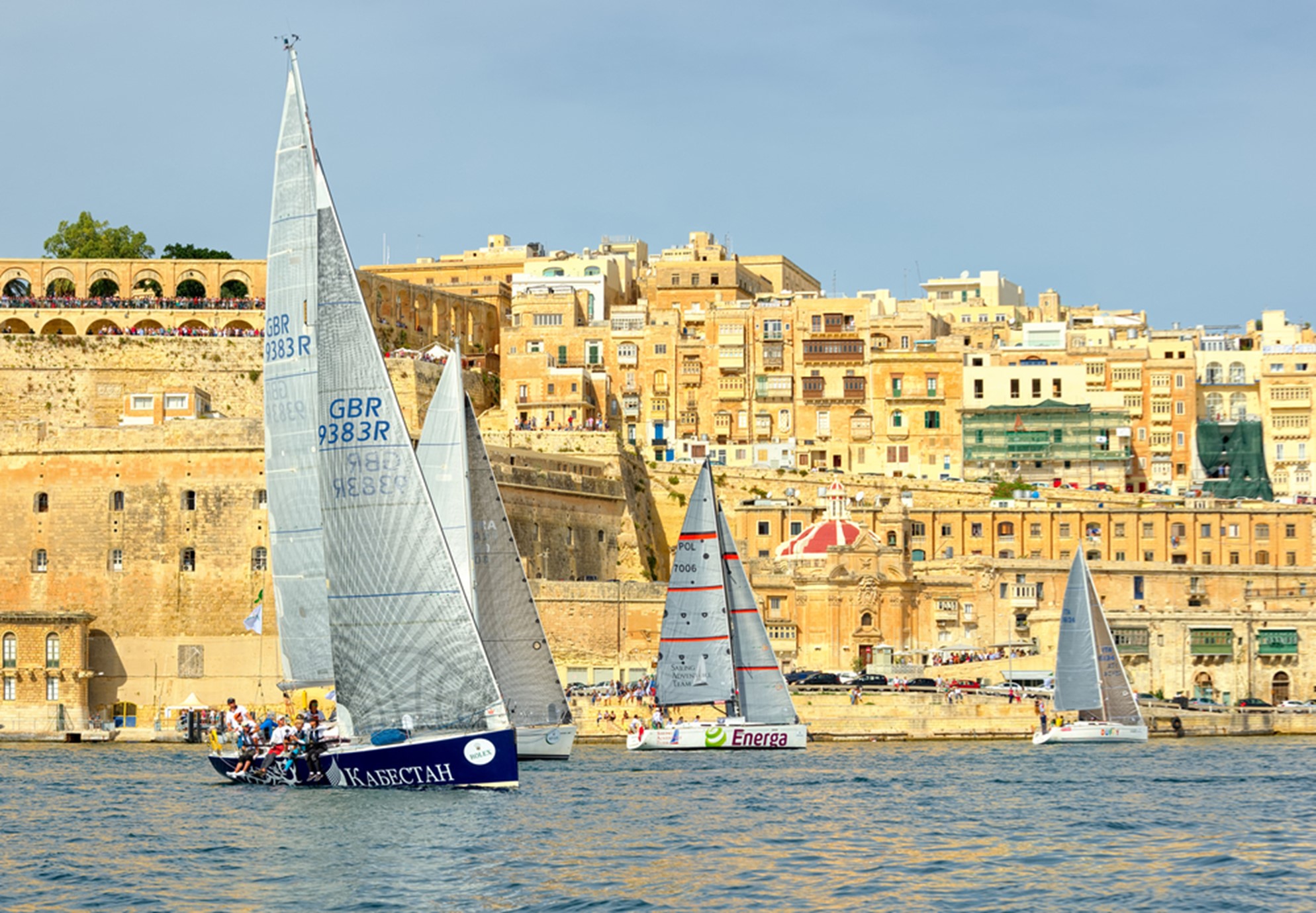
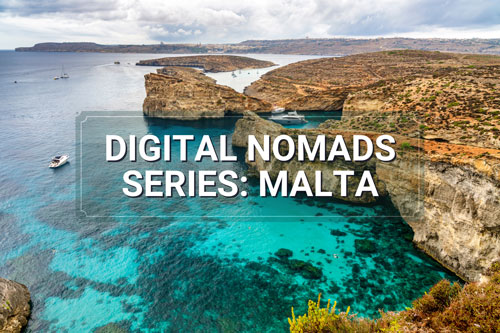
Nestled between Sicily and the African Coast, Malta attracts tourists from all over the world for its stunning waters, sunny weather and beautiful beaches. But for digital nomads, this small island country offers everything possible to easily slide into the digital nomad lifestyle and also experience something unique every day.So, let us ferry to Malta and see what makes this Mediterranean holiday destination your next perfect digital nomad stop!The turquoise waters of the famous Blue Lagoon in MaltaBut, wait. Before we dive into the tons of exciting things you can do in Malta, let us tell you the top 5 reasons that make this small island country super digital nomad friendly!Where can you work remotely in Malta? This is a question every remote worker needs answered when they are looking for cities for digital nomads. The island has several coworking spaces, out of which Glashaus and SOHO top the list of most digital nomads in Malta. There is also a decent cafe culture if you are the kind who likes to mingle with the local population and enjoy a greater variety of workspaces.English speakers can rejoice too because English is one of the official languages of Malta, so you won’t be lost in translation!Safety-wise the country has been well-rated and it is especially LGBTQ friendly. Case in point: There are tons of gorgeous beaches to unwind on, and Malta’s Qarraba Bay Beach as well as Pembroke’s Beach are the go-to beaches for LGBTQ vacationers!The island is also one of the first European countries to initiate a 5G network program. So even though this water-locked haven is away from the mainland, the island enjoys fast internet speeds that many digital nomad friendly countries still lack! Malta has also introduced the digital nomad visa for non-EU citizens. The considerable EU ex-pat community in Malta certainly makes it easier to settle into the global digital nomad community on the island. But, with the nomad residency permit, even non-EU citizens are now seeing Malta as their prospective nomadic home. Now that you know why Malta is a super welcoming digital nomad friendly stop, let us introduce you to your nomadic life in this Mediterranean archipelago!The international digital nomad community in Malta is a combination of EU and non-EU citizensThe three islands of Malta, Gozo and Comino make up the Maltese archipelago, wherein each islet can be easily hopped over to using efficient ferry connections. There are so many things to experience on all three of them but we have curated the best ones for digital nomads in Malta. So read on and get a sneak peek of the digital nomad lifestyle in Malta!Soak up the Maltese history that dates back to 5900 BC!Maltese history is an interesting mix of rule by Romans, St. John’s Knights, Arabs, Greeks, French and even the English. Therefore, each of the monuments that you will wander in Malta will lead you to a different time and history of the island, which is equal parts beautiful and intriguing.There are prehistoric temples on the island that are very well-preserved, so much so that at the neolithic Mnajdra Temple you can still observe the astronomical phenomena working with the same precision as they did ages ago. The Ggantija Temples (in Gozo) are also a particularly interesting archaeological site and seem to have appeared on the scene even before the mysterious Stonehenge. These temples form an enchanting complex that still stands tall and belongs to the 3600-3200 BC era!The extensive catacombs of Malta are a quirky mix of spook and sublime. One such catacomb is the Rabat Complex, which is home to almost 1000 bodies buried deep under the eponymous suburban city. If you are a more daring digital nomad, then do not miss out on the 3 floors of subterranean grave caves at Ħal Saflieni Hypogeum. It is also the only known example of an underground maze-like graveyard in entire Europe!Outdoor Activities for digital nomads in MaltaTrekking: The rich history of Malta will always accompany you, even on hikes. For the outdoorsy digital nomad, Malta has unique and easy-to-do hikes like the famous Victoria Lines and the 2000-year-old Xemxija Heritage Trail. In Gozo, the Xlendi hike is a medium-level, cliff-top trail with an unearthly rose-gold view of the rugged coastline of Malta that is best admired at sunset. Tip: The treks are perfect for those who plan to work remotely in Malta through the mild winter months of January till March! The clean waters of the natural St. Peter’s PoolSwimming: Cliff jump into one of the many natural pools of Malta! The popular turquoise waters of St. Peter’s pool will give digital nomads a refreshing reminder of the joys of their life on the road and make them forget about their tight work deadlines. Diving: Another way to forget about work is to discover the mysterious marine life of the Mediterranean Sea through nighttime diving in Malta. Moreover, a bonus to diving in Malta is that it has several licensed diving centres if digital nomads are first-time divers! Snorkelling: For snorkellers, some of the best and clearest spots are Qawra Point Beach, Crystal Lagoon, Cirkewwa and the unusually luminescent blue waters of the Santa Maria Caves. Of course, all the snorkelling and diving points are excellent for just lying back and soaking up the delicious Mediterranean weather.Tip: Digital nomads can effortlessly ferry themselves from Malta to the largest island of Italy, Sicily, or even make Italy their next digital nomad stop!Fun and party for Digital Nomads in MaltaDo not let the small size of this Mediterranean Island fool you. Malta has so much to offer year-round that you would be surprised with the way your untraditional life balances out.With each pyrotechnic display more beautiful than the other, the Maltese Festa is the perfect time to visit the little villages of Malta as they are decorated to their best and have an exquisite showcase of fireworks to outdo their rival villages!Malta’s capital city Valetta’s harbour illumined by fireworksIn the atmospheric capital city of Valletta, you can enjoy the popular Notte Bianca – a visual and sensory feast of art, music and delicious Maltese cuisine. On that note, do not miss a chance to gorge on the sumptuous Ravjul, a rustic-style Maltese ravioli, and Pastizzi, a puff pastry with ricotta or pea filling that will become your go-to snack in Malta.International artists like Jason Derulo and Martin Garrix also pump up the party scene in Malta at the Isle of MTV Festival (usually happens in July). But for a more bohemian and into-the-wild experience, the yet-hidden Hippie Earth Garden Fest is the place to be for remote workers in Malta.Tip: For pub crawlers, Malta’s St.Julian area is the perfect location to satisfy their inner party animal.Unique things to do in MaltaMalta has its fair share of unique things to do for digital nomads. The original set of the Robin Williams movie, Popeye, is right here in Malta. The seaside set of Popeye’s Village is beautifully perched on a precipice and is a walk down the memory lane for all digital nomads who have grown up with the spinach-eating sailor man. The dreamy set of Robin Williams' Popeye in MaltaFor an off-the-beaten-track experience and something truly local, the Ta’ Dbiegi Craft Village (Gozo) is the hub of traditional Maltese art including pottery, glass and hand-made lace. So, don’t forget to buy some for yourself or your loved ones as a keepsake from your travels in Malta!Something totally unmissable and perhaps most-frequented by the digital nomads working remotely in Malta is the sleek city of Sliema. Just a quick ferry ride away from La Valletta, Sliema’s 3 km-long seaside promenade is, surprisingly enough, a calm location to walk down and explore crystal-clear natural pools carved out by the Victorians! Solace and peace pervade yet another tranquil city of Malta called Mdina. The fortress city is home to just 300 people and allows you to get lost in the narrow alleys and soulful silence, especially during evenings.The tranquil harbour with the baroque church of Jesus of Nazareth, SliemaThese are indeed just some of the highlights of the digital nomad life in Malta, there is so much more beauty, history and tranquillity to be explored! So are you ready to take things forward and make Malta your next digital nomad home? Start by looking at our wonderful holiday homes in Malta!

Digital Nomads in Switzerland: all our tips

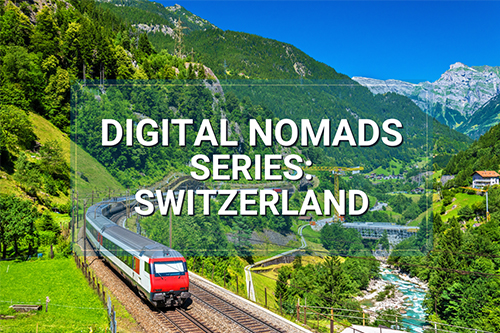
The Gotthard Railway snaking through the breathtaking Swiss Alps The Swiss Alps' enchanting beauty is known worldwide, but the country offers a lot more to those who want to put down temporary roots and make Switzerland their next nomadic home.  Immaculate coworking spaces, a considerable English-speaking population, extensive rail networks, and high quality of life define working remotely from this natural Eden. And while Switzerland is mostly associated with snowy landscapes, there is one such place in the country where the Swiss-lifestyle meets the Italian dolce vita under the sunniest skies.  Bordering Italy and Switzerland, the canton of Ticino is the perfect combination of modern cities, lakeside towns and nature. Its temperate climate oozes comfort in summer and produces the ideal conditions for adrenaline sports in winter. It is also one of the cheaper cantons of the country! Along with digital nomad-friendly amenities and seamless mobility for local and international mobility, Ticino is indeed one of the most desirable bases for remote working and exploring Switzerland’s timeless beauty across seasons. Amazing view of Lugano from Monte Bre Below we have laid out all the details you need to move as a digital nomad in Switzerland, particularly in Ticino! Switzerland Digital Nomad Visa If you’ve been living the digital nomad life for a while, then you’d know that the first thing to figure out is whether Switzerland has a digital nomad visa? Well, not yet. But Switzerland has multiple type of visas and allowances for non-EU citizens to stay for periods longer than 3 months!  Here's a total in and out of the visa requirements for citizens of specific countries: United States Citizens: No visa is required for stays up to 90 days (about 3 months) within a 180-day period. For longer stays, a visa permit is necessary. EU Citizens: EU and EFTA citizens can enter Switzerland without a visa. Canadian Citizens: Canadians can enter Switzerland without a visa but are limited to stays of 90 days (about 3 months) within a 180-day period. Longer stays require a visa permit. Australian and New Zealand Citizens: Both Australian and New Zealand citizens can enter Switzerland visa-free for various purposes, including work and long-term stays. Everyone else must apply for visas. Switzerland, while not offering a specific digital nomad visa, provides further opportunities for non-EU citizens through its Golden Visa Program and Entrepreneur Visa. Here's a comprehensive overview: 1. Current Situation: - Non-EU citizens need a work permit to live and work in Switzerland. - EU-Switzerland agreement, EU/EEA citizens can work freely in Switzerland for three months due to freedom of movement 2. Other Visa Options: - Golden Visa Program: Designed for third-country nationals looking to invest in Switzerland. Applicants must be 18-55, have a clean record, and show a legitimate income source. Investment options include lump sum taxation or investment in Swiss business. - Entrepreneur Visa: For self-employed non-EU/EFTA citizens. - Requires a valid residence or work permit, a business plan, and proof of business formation. - Schengen Visa: - The Schengen Visa allows travellers to stay for up to 90 days within a 180-day period across 26 European countries without the need for individual visas for each country. Depending on the visit's purpose, travellers may be granted a single-entry, double-entry, or multiple-entry Schengen Visa. Now that we have gone through the bureaucratic formalities, let’s move on and see which is the best place for you to continue your life on the road! Digital nomads in Ticino Enjoy working outside during springs and summers Lugano: the most diverse city in Switzerland for Digital Nomads Lugano, the largest city of the canton, is a hub of vibrant nightlife, events, concerts, excellent restaurants, and, most importantly, top-notch co-working spaces like Impact Hub and modern accommodations (such as ICON-H) with fully equipped co-working spaces. The city is known to host elite tourists, but at the same time, it offers plenty to attract young travellers. However, what makes Lugano the most convenient base for working remotely is its effortless connectivity to bigger cities in Switzerland. Digital nomads in Lugano can reach Zürich (in central Switzerland) in just 90 minutes via the Gotthard Base Tunnel! Meanwhile, for international mobility, the railway line Tilo in Lugano crosses the border into Italy and goes through Lombardy to Milan Malpensa Airport. Spring and Summer for Digital Nomads in Ticino During summer, Ticino’s temperate weather reaches a maximum of 30 degrees, giving way to luxurious days around lidos and natural swimming areas scattered throughout the canton. For adventurous digital nomads and fans of James Bond movies, the GoldenEye’s iconic bungee jumping point is right here in Ticino and so is the gorgeous Ponte dei Salti in Val Verzasca; a favourite summer haunt of locals.  Furthermore, breathtaking hiking and biking trails through Monte Carasso, Monte San Giorgio, and Monte Lema add to the wonderful experiences amidst the renowned bounty of Swiss nature. The breathtaking contrast of Summer and Winter at the iconic GoldenEye dam Autumn for Digital Nomads in Ticino Come September, when the off-season sets in, digital nomads can enjoy great deals and visit famous sites like Madonna del Sasso (in Locarno) and Bellinzona (capital of Ticino) without the extra crowds. They can also take a little trip down ancient history and visit one of the prettiest villages of Ticino, Morcote, enveloped in a blissful atmosphere. The magnificent Lake Maggiore, nestled on the border of Switzerland and Italy, is also less crowded and more welcoming to enjoy a quick weekend away, offering tons of exciting watersports.  Try your hand at high-speed windsurfing in Lake Maggiore Ticino is also home to some magnificent parks whose beauty is awe-inspiring, especially during Autumn when centuries-old trees turn gold, making every other corner of Ticino a thing of beauty. Another popular phenomenon takes place in Autumn and is called the Foliage train. So, imagine closing your laptop for the day and hopping on a dreamy train ride that will take you through the wildly colourful landscape from Piedmont (in Italy) to Locarno (in Switzerland).  Winter for Digital Nomads in Ticino In winter, digital nomads can count on snow-laden slopes and ski resorts like San Domenico and Mottarone near Lake maggiore to enjoy winter sports and the characteristic beauty of the Swiss Alps, which they can admire from the enchanting Bernina Express. For those who want to dig further into the travelling opportunities and make the best of their stay, Ticino has efficient train connections to popular cities such as Lucerne. A stunning little corner of paradise, Lucerne is a must-visit in summer as well as winter, with unique ski resorts around to enjoy.  Lucerne’s fairy-tale-like beauty Finally, the benefits of working in Switzerland as a Digital Nomad: 1. Great Infrastructure: Switzerland boasts excellent infrastructure, including reliable local and international transportation and modern remote work facilities. 2. Strong Economy: Switzerland has a robust economy, providing stability and opportunities for professionals. 3. Work-Life Balance: Switzerland offers an exceptional work-life balance, allowing digital nomads to live, work, and study comfortably. 4. Access to High-Quality Education and Healthcare: Golden Visa holders can access top-notch education and healthcare facilities in Switzerland. 5. Visa-Free Travel to Schengen Countries: With a Golden Visa, digital nomads can travel over to Schengen countries without the need for additional visas. 6. Tax Incentives: Switzerland offers tax incentives for citizens of countries with double taxation agreements. Cost of Living in Switzerland (Approximations): - Currency: Swiss Franc (CHF) - 1 USD = 0.86 CHF - Average Salary: Around 6,712 CHF/Month (7,492.577 USD/Month) - Housing: One-bedroom apartment: 1,650 CHF ($1,920 USD) Three-bedroom apartment: 2,960 CHF ($3,460 USD) - Utilities: Monthly electricity, water, and related bills: 230 CHF ($265 USD) - Dining: Meal at a simple restaurant: 25 CHF ($29 USD) Meal for two at a restaurant: 100 CHF ($116 USD) Digital Nomad Essentials: - Internet Speed: 189Mbps - Time Zone: GMT+2 - Socket Type: Type C and Type J - Calling Code: +41 Majestic mountains, lakes, history, natural parks, nightlife, and more make Switzerland a natural stop in our journey of digital nomad-friendly blogs. But we are giving you one more reason to live in Switzerland:  Our monthly rentals!  Some by the lake; some overlooking the alps, but all with a Wi-Fi facility and personally curated by experts. Our monthly rentals in Ticino will certainly appeal to your digital nomad lifestyle in Switzerland.  

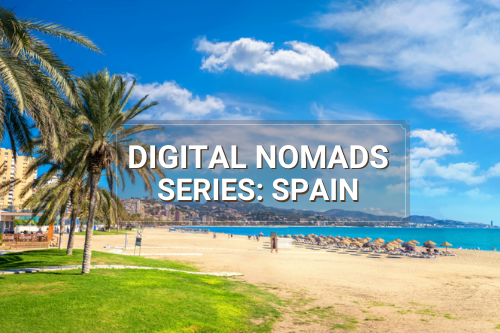
Digital Nomads in Spain: Discover the Expat Life

For digital nomads, the world is an office. All you need is your laptop, a good internet connection, a supportive community, and finding the next nomadic stop. And guess what? This next destination is about to tick all the boxes on your list. Spain, with its mix of coworking spaces, stunning scenery, and a culture that promotes work-life balance, continues to redefine the future of employment. The digital nomad visa, introduced in 2023, is a game-changer for non-EU citizens, simplifying the process for remote workers to live and work in Spain for up to 5 years. But that’s not all. The National Network of Welcoming Villages for Remote Workers also offers digital nomads the opportunity to live and work in over 30 picturesque villages across the country! Excited to shift your base? Let's dive into some of the most digital nomad-friendly spots in Spain, Digital Nomad Visa and other important things to know for your next nomadic adventure! Panoramic view of Malaga, surrounded by greenery and the sea Living the Expat Life in Spain Spain offers a rewarding living experience, from coastal towns with unbeatable views to vibrant cities with rich histories, there is something for everyone. The warm climate is a major draw, especially for those seeking a break from cold winters. And embracing the local culture and integrating into communities can make Spain a welcoming and enriching place for expats. Enjoy Cost-Effective living unlike the rest of western Europe Spain offers a lower cost of living compared to many Western European countries, enabling a high quality of life without the financial strain. Housing, groceries, and utilities are generally more affordable, especially when compared to major cities like London and Paris. Welcoming Expat Community and an amazing Mediterranean Climate A vibrant and well-established expat community provides essential support and social opportunities, easing the transition to Spanish life. Plus, with over 300 days of sunshine each year, Spain’s Mediterranean climate features hot summers and mild winters, creating an ideal environment for outdoor activities and a relaxed lifestyle Enjoy the vibrant Spanish nightlife Best cities in Spain for digital nomads Dotted along the miles-long Costa del sol, the charming cities and towns of Southern Spain offer a slower pace of life, stunning natural surroundings, and the chance to immerse yourself in authentic Spanish culture, far from the typical tourist spots. This coastal paradise offers the perfect environment for achieving a seamless work-life balance. Engage in a variety of outdoor sports like golfing in Marbella, playing pádel with friends, or kitesurfing in Tarifa—a major hub for the sport. The coast encourages an active lifestyle, allowing you to connect with fellow enthusiasts. Costa del Sol Costa del Sol shines as a top choice for digital nomads, boasting brilliant sunshine, a temperate climate, stunning blue flag beaches, and a vibrant multicultural community. One of the most attractive features for digital nomads is the exceptional connectivity from Málaga. The AVE train connects you to Madrid in just about three hours, while Málaga Airport provides easy access to Spain’s islands and international destinations. Wherever you choose to settle along the southern coast, amenities abound. From gyms and supermarkets to delightful tapas bars and affordable homes, everything needed for a comfortable lifestyle is within reach. Where to Stay: Best Digital Nomad Friendly Accommodations Below we have curated a list of some the best accommodations in Southern Spain based on budget, views, location and other necessary things for a digital nomad like Wi-Fi and laptop-friendly workspaces. Here are some great options: Málaga Málaga serves as an ideal base for exploring Costa del Sol, featuring a wealth of experience and access to the trendy town of Marbella. Along the coast, towns like Fuengirola invite you to enjoy tranquil beaches away from the crowds, while Nerja dazzles with its remarkable Spanish architecture. For those seeking an authentic Spanish atmosphere, Torre del Mar offers local charm and beautiful coastal scenery. Marques de Larios Shopping Street in Malaga featuring beautiful Neoclassical architecture Estepona Estepona, a picturesque town on Spain’s Costa del Sol, is known for its stunning beaches, historic old town, and the vibrant Puerto Deportivo. Rich in history, it dates to Phoenician times, offering cultural landmarks like the Plaza de las Flores and the Castle of San Luis. Estepona is also perfect for digital nomads, offering a peaceful environment, affordable living, modern coworking spaces, and reliable internet connectivity, making it an ideal destination to balance work and leisure. Its proximity to Málaga Airport and nearby cities adds to its appeal for remote workers. A typical Andalusian street in Estepona on the Costa del Sol Sunset Complex This apartment complex in Estepona features a range of accommodations to choose from. Located within a 10-minute drive from Costa del Sole, this complex offers easy access to stunning beaches like Playa de Guadalmansa and Saladillo Beach. Golf clubs like Resin Golf and Country Club are a 5-minute walk from the property. With amenities like free Wi-Fi, laptop-friendly workspace, shared swimming, a fully equipped kitchen and air conditioning, this complex makes a perfect base for digital nomads. Click below to check the options: Sunset Golf Groundfloor Pool Estepona Sunset Golf International Sunset Sweet Holidays Sunset Boutique Resina Golf Sunset Golf Gold Mijas Costa Located on the southeastern coast of Spain, Mijas Costa is famous for its white village and stunning beaches like La Cala beach and Calahonda Beach. This coastal town used to be a haven for several bohemian writers and artists in 1950s, thanks to its sunny climate and laid-back ambience. Enjoy a stroll in Mijas, one of the most beautiful villages in Spain Sunny Zoco Calahonda This one-bedroom apartment in the heart of Mijas offers a shared pool and garden area. A perfect retreat for your base, this apartment features amenities like free Wi-Fi and a laptop-friendly workspace. Calahonda Beach is just a short drive from the apartment. Whereas towns like Málaga and Mijas Pueblo are 30 minutes away. Viola Calypso If you want to wake up every day with a sight of the picturesque sea, this studio apartment is for you. Located 10 minutes from the shore, this apartment in Mijas offers a relaxing escape with a shared pool and garden, smart TV, kitchen and a private terrace with sea views. Additionally, you get access to free Wi-Fi and a laptop-friendly workspace. Marbella Marbella is one of the fastest growing cities in Andalusia and home to some of the best beaches like La Fontanilla beach. This chic, sun-drenched town has a high standard of living, a happening night life and golf clubs. Every digital nomad’s dream: dipping into the sea just before work Marbella Center 100m From The Beach This 2-bedroom apartment in Marbella offers easy access to all essentials including, restaurants, night clubs, grocery stores and beaches. You will have a sunny balcony to yourself, perfect for morning coffee or to unwind with wine in evening. With amenities like TV, kitchen, air-conditioning, free Wi-Fi and laptop-friendly workspace, this apartment is perfect for a stay in Marbella. Check more apartments in Costa del Sol. Costa Brava With its architecture, art and culture, Barcelona won’t disappoint you Travelling up the geographical ladder, the Catalonia region presents another famous coast of Spain, Costa Brava, making Barcelona (which is less than an hour away) another excellent base for the digital nomads. Known for its unique language, culture, world-class cuisine, and internationally renowned architecture, Catalonia attracts many. Since budgets are a huge consideration while relocating, you might want to consider staying for a shorter time in the north to explore the bigger cities like Madrid and Barcelona and spend the larger part of your stay in the south of Spain. Editor’s Tip: The best part about Costa Brava is its proximity to Andorra. This scenic country nestled in the Pyrenees, offers a perfect mountain escape when you need a break. just a three-hour drive from Costa Brava. Spain's Digital Nomad Visa: A Quick Guide for Remote Workers The digital nomad visa was introduced in January 2023 as part of the Startup Act. Eligibility Requirements To qualify for Spain's digital nomad visa, applicants must: - Be non-EU/EEA citizens with relevant degrees or professional experience working for non-Spanish employers or as self-employed individuals. - Show they can support themselves financially, with a minimum monthly income of 200% of the Spanish minimum wage (approx. €2,140 per month). Additional funds are required for accompanying family members. - Hold an undergraduate or postgraduate degree or have three years of professional experience. - Prove a minimum of three months of work history, with employer consent for employees, or work contracts for the self-employed. Family members, including spouses and dependent children, can join without meeting all the primary requirements but must provide proof of financial means. Application Process To apply for a visa, gather necessary documents (passport, financial proof, health insurance, etc.) and obtain a Foreigner Identity Number (NIE) at a Spanish Consulate. Submit your application and documents to the Spanish embassy or consulate, including the application fee and any required interview. Processing typically takes 15-45 days; if approved, collect your visa and residency card in person. Find more details here. Living and working in Spain: Tax laws, length of stay and other options to choose from plus potential challenges Work in open-air in the sunny and warm Spainish climate Once granted, the digital nomad visa allows you to live and work in Spain for one year, with the possibility of extending your stay up to five years through renewals. After the initial year, you can apply for extensions, allowing up to five years in total. Do digital nomads pay tax in Spain? Non-residents on the digital nomad visa are taxed at 24% on earnings up to €600,000 annually. Spain has double taxation agreements with about 90 countries, preventing dual taxation. However, there are other visa options available too depending on your preference and income. Which One to Choose? The decision between southern and northern Spain typically comes down to lifestyle preferences and the type of environment you desire. The Costa del Sol offers a sun-soaked paradise with stunning beaches, vibrant communities, cheaper living costs (including food and rent) and diverse outdoor activities, creating an ideal setting for balancing work and leisure. In contrast, northern Spain has its own unique charm, featuring rich cultural experiences, cooler weather, and a slightly higher cost of living. Ultimately, if a beach-centric lifestyle filled with sun and social opportunities is your ideal, Costa del Sol stands out as the perfect choice. Which one will you choose for your next adventure in Spain? Have a look at our wonderful long-term and budget-friendly holiday rentals in Spain!

Slovenia for Digital Nomads: All you need to know

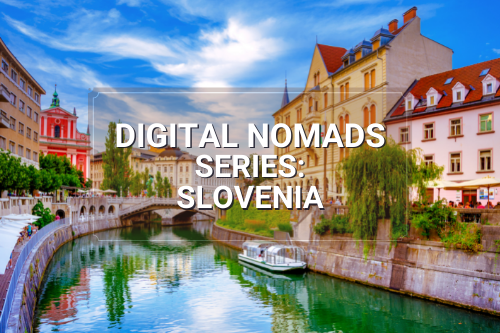
As an upcoming tourist hub and the First Green Tourist Destination in the World, Slovenia has made it to the list of the most favourite international destinations among digital nomads.  Hidden within unspoiled nature, the range of unique experiences in Slovenia surprise even the most seasoned traveller: from magical alpine lakes with castles and modern landscaped parks to winter destinations and the wonderful, 46-kilometres-long seacoast, Slovenia really has it all. Enjoy the nature’s beauty in Slovenia at the beautiful lake Planšarsko at Jezersko Fast internet service providers, vibrant coffee culture and the country’s small size make it a good contender to become your next nomadic stop. And complemented by dependable public transportation along with top cafes to work remotely in Slovenia in major cities like Ljubljana and Maribor, Slovenia ticks many of the boxes on a digital nomad’s checklist.  Slovenia Digital Nomad Visa As of now, Slovenia does not issue a digital nomad visa. However, the country does offer travel and work opportunities for remote professionals for a period of three months, but it is only for EEA and EU citizens. For a period longer than 3 months, you must register your stay at the local registration hall. But there is nothing to be disappointed about if you belong to other citizen categories as Slovenia is actively working towards creating a digital nomad program! So, going through this blog is still worthwhile if you have plans of moving to Slovenia or are looking for inspiration for your next digital nomad-friendly country. Where to move in Slovenia? Central Slovenia Undoubtedly, the heart of Slovenia is also the heart of rich architectural heritage, with enchanting castles, UNESCO-protected caves like Postojna and a host of art preserved in its museums. The beautiful capital city, Ljubljana, is a modern yet romantic collage of Plečnik’s artistic sensibility; and has a diverse expat population, thanks to its international universities.  The famous Triple Bridge Tromostovje over the Ljubljanica river Perks of being a Ljubljana Digital Nomad Due to its friendly population and central location offering effortless connectivity to the four main regions of the country, Ljubljana tops the list of digital nomads. Ljubljana's excellent train network can connect you to beautiful remote villages like Celje and its proximity to some of the most fascinating tourist spots like magical Lake Bled and Vintgar Gorge, make it the perfect starting point for digital nomads. What’s more, the city’s cosy cafes and modern coworking spaces will make allow you to stay and work in Ljubljana and travel through the rest of Slovenia.Nature lovers can visit Vintgar gorge waterfall in Slovenia in Triglav national park It is true that in the digital nomad’s life, working from home in a new country can be quite a lonely experience. So, to have a change of scenery every now and then and to meet the small yet growing digital nomad community of Slovenia, you can totally enjoy working in cafes and co-working spaces for digital nomads in Ljubljana.The lovely waterfront with cafes in Ljubljana, Slovenia The best coworking spaces in Ljubljana These are some of the best co-working spaces in Ljubljana you can work carefree and find like-minded people: Co-working S-Hub: This centrally located workspace offers single desks and entertainment amenities like a football table and TV.  Impact Hub: This coworking space is quite popular among the nomadic community and is open from Monday to Friday.  ABC Hub: This co-working space is also popular among digital nomads and offers 24/7 access. Lolita Bakery: Located close to the iconic Triple Bridges, Lolita Bakery is another favourite of digital nomads. It offers free Wi-Fi and remains open from around 9 in the morning till late into the evening. Cafetino: Reliable Wi-Fi along with affordable coffee and a nice selection of pastries are this coffee shop's USPs. Have an evening walk in the cobbled streets of Ljubljana Want to look at your stay options in Ljubljana? Have a look at the best rentals in the city! Karst and Coast Region With ancient towns like Piran and Ankaran lining the beautiful coast, a wealth of water sports in crystal waters and enchanting sunsets over the Adriatic, the Karst and Coast area is best explored in summer. However, this region is not only home to a delicate Mediterranean atmosphere that is perfect to enjoy the sea and wild flora, but it is also home to one of the oldest and largest stud farms in Europe! If you love the sea, Piran is perfect for travelling  Lipica Stud Farm dates to the 1580s and to date breeds pure-bred white horses called Lippizaners. On its sweeping estate, horse riding, feeding the stallions and enjoying tours on lush pastures are only some of the lovely activities that one can indulge in here. Herd of Lippizaners, pure-bred white horses from Slovenia Thermal Pannonian Region Working remotely for a digital nomad must be accompanied by equal amounts of relaxation and exploration. What better way to do that than the natural springs of the Thermal Pannonian Region, whose healing waters rejuvenate you inside-out? So, forget artificial spas, the region’s, natural spa and soothing hills will ease even the most wound-up muscles! Some of the best natural thermal spas in the region are Terme 3000-Moravske Toplice, Terme Ptuj, Terme Olimia - Podčetrtek, Terme Čatež and Terme Lendava.Beautiful vineyards landscape of Jeruzalem in Ljutomer, Slovenia Alpine Slovenia Region In winter, in the heart of the Julian Alps, villages like Kranjska Gora bordering Italy and Austria offer all possible ways to relax and have fun in breath-taking snowscapes. Meanwhile, the solitude of the Soča Valley presents the perfect opportunity to enjoy adrenaline sports like canyoning, white water rafting and more. But that is not all. The valley has a lot more to offer than just amazing sports. You can lose yourself in the stories that have gathered around Soča, one of which has been preserved in the form of shocking WWI heritage! The turquoise waters of Soča River in Slovenia Outdoor Activities for Digital Nomads in Slovenia  With its breath-taking diversity of landscape, Slovenia is also able to offer an equally diverse range of outdoor activities. From the most beautiful cycling routes to skiing in an idyllic village and kayaking, digital nomads can enjoy many adventurous sports in its unique terrain, especially in Alpine Slovenia. If you are not the sporty kind though, then you can enjoy its cultural festivals instead, which are one of the few that still retain their authenticity and are not commercialised like the other bigger festivals and events in the West. Enjoy water sports such as kayaking in the emerald waters of Soča River in the Triglav National Park In any case, when deciding to make Slovenia your home, a big bonus is its comparatively affordable lifestyle than its neighbours and other Eastern European countries. So, are you ready to feel the love in SLOVEnia? Have a look at our fantastic range of holiday homes in this natural paradise! 

Digital Nomads Greece: discover the “Work from Crete” program

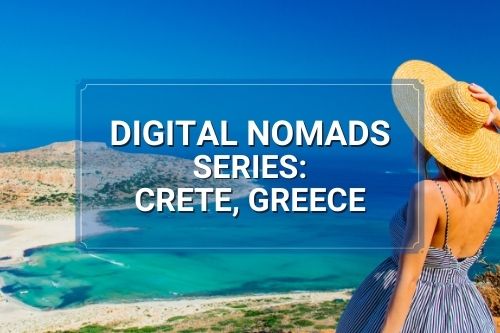
Just like many other countries in the recent past, Greece has also nicely warmed up to the idea of inviting digital nomads with its “Work from Crete” program. With this huge incentive to move to its largest and most famous island, Greece has opened its borders to remote workers worldwide. And what makes the deal even sweeter is Crete’s digital nomad visa, tax policies and budget-friendly accommodations available just about everywhere in Crete, from the bigger cities like Chania to smaller villages. Below, we have gathered all the information you need about moving to Crete as a digital nomad!  Greece’s “work from Crete” program makes it one of thebest destinations for Digital Nomads in Europe First of all, is Greece good for digital nomads? With successful licensing of digital wallets like Viva e-Wallets and exciting programs like “Work from Crete” that aim to build a solid digital-nomad community on the largest island of Greece, the digital nomad scene in Greece is becoming increasingly vibrant and encouraging!  The country has also put in place a fast-track digital nomad visa process and made it especially generous to those coming with families.  What are the most digital nomads' popular destinations in Greece? Athens: The capital city is a popular destination due to its vibrant culture, historical landmarks, and modern amenities. Athens has a growing number of coworking spaces and digital nomad communities. Thessaloniki: Known for its lively atmosphere and cultural scene, Thessaloniki is another hotspot for digital nomads, offering a range of coworking spaces and events. Greek Islands: Islands such as Rhodes, Santorini, Crete and Mykonos attract digital nomads looking for picturesque settings and a slower pace of life. But if you ask which Greek island is the best for Digital Nomads? Then it has to be Crete. As well as for its “Work from Crete” program, the largest Greek island, is favored for its natural beauty, relaxed lifestyle, and affordable living costs. Cities like Chania and Heraklion are popular among digital nomads. The beautiful purple-pink skies in Chania Old Town Guide to Becoming a Digital Nomad in Greece How to apply for a Digital Nomad Visa in Greece? The Digital Nomad Visa for Greece, introduced in 2021, allows non-EU/EEA citizens to live and work remotely in Greece for up to one year, with the option to bring immediate family members. Here's a concise guide on eligibility and application. Eligibility: - Must not be employed or engaged in business activities within Greece. - Must have employment or clients outside of Greece. - Must use technology (internet and laptop) to work remotely. - Self-employed individuals must provide business details, ensuring the business is not registered in Greece. - Income requirement for Greece digital nomad visa: you must prove a minimum monthly income of €3,500 after taxes. For a spouse/partner, this increases to €4,200, and for each child, an additional €525 is required. Application Process: 1. Submission: Apply through the nearest Greek consulate via email or registered letter. The consulate will confirm receipt and status within 10 days. 2. Documents Needed: - Declaration Letter stating intent for remote work and no engagement with Greek employers. - Proof of Employment (contract or employer certificate from outside Greece). - Proof of Sufficient Funds (employment contract, bank account, etc.). - Greek Digital Nomad Fee (€75 plus €150 for each family member). - Additional documents: Passport, criminal record certificate, medical certificate, and travel insurance. 3. Approval: Expect feedback within 10 days and the visa issuance within a month. Digital Nomad Residence Permit: - If already in Greece, apply for a Digital Nomad Residence Permit through the Greek Ministry of Migration and Asylum. - Include all documents required for the visa and proof of accommodation (lease or property contract). - Permit is valid for 2 years with a €1,000 application fee plus €150 for each family member. Tips for Digital Nomads: 1. Insurance: Have comprehensive international health insurance that meets the requirements of the Alien and Immigration Department. 2. Research: Know nearby hospitals, clinics, and pharmacies. 3. Language: Learn basic Greek medical terms. 4. Documentation: Keep insurance and ID handy. Editor’s tip: For personalized consultation, contact “Guide Foreigners” for services, including tax residency, visa application, legal support, and relocation assistance.  So, why choose Crete as a Digital Nomad? We have already hinted at it but here is the full in and out of why Crete is perhaps the best island to move to as a digital nomad.  Ferry services going through the Gramvousa Bay in Crete If being cut off from the world and living and working in paradise is your ideal life, then Crete is that one destination with truly unique gastronomy that will leave you relishing distinct delicacies every time. At the same time, the island has affordable public transportation to easily move around, multiple connections to the main port of Greece, Port of Piraeus, and an efficient ferry system to soak up the Grecian sun on Santorini, Naxos and Mykonos! With active efforts and a comfy pace of life, Crete is well on its way to being an ideal digital nomad destination. But if that is not enough motivation, here we have a sneak peek of the fantastic nomadic life on Crete! Ideal Weather The beautiful waters of Preveli Beach are perfect for a relaxing soak under the sun Spending winter in Crete is an excellent choice for escaping the cold. Crete offers sunshine and mild weather, ideal for digital nomads who enjoy outdoor activities like hiking, beach lounging, reading in parks, or working from cafes. With 300 days (about 10 months) of sun, Crete is one of Europe's best destinations for year-round excellent weather. Life-Work balance In Crete, the perfect life-work balance fantasy indeed comes true. With the Aegean and Mediterranean Sea softly leaving their traces on pristine shores and a strong coffee culture that keeps the cafes with Wi-Fi open till late hours, such as Starbucks and Nymphes in Chania and Coffee Island in Heraklion, you will achieve what digital nomad life is supposed to while taking care of your well-being.  Enjoy working from cafes like Starbucks in Chania that offers free Wi-Fi and long hours of seating In popular cities like Rethymnon, Chania and Heraklion you will experience a vibrant change with their shopping streets, cold coffees on the go and coworking spaces! Meanwhile, in remote villages, you can live the authentic Greek life with your free hours spent on the beach or in cosy tavernas where simple gestures like the barista recognising your order will warm your heart and stay on Crete!  Moreover, the island is not only hospitable to an exciting digital nomad life but will leave you spoilt for choice every day with tons of leisure and sports activities in Crete. Editor’s Tip: Don’t forget to also enjoy relaxing in Crete! High internet speed Since the internet is one of the essentials of the digital nomad life, Crete’s digital nomad program seeks to provide high speed 5G internet all over the island and cultivate and create an international network of working professionals through multi-functional co-working spaces on the island. Co-working spaces in Crete Workhub Chania Office 12 (Heraklion) Pom (Heraklion) Comeet (Heraklion) Affordable cost of living and renting in Crete Compared to other Greek islands and Athens, living in Crete is relatively affordable, with cheaper dining and groceries, especially at local farmers' markets. However, rental prices increase significantly from May to August due to vacation season demand. Our accommodation in Crete are overall quite affordable. Relax in the charming terrace of this super budget-friendly holiday rental in Heraklion Amazing food Cretan cuisine is celebrated for its freshness and flavor, featuring local delicacies, farm-fresh produce, and traditional dishes that highlight the island's rich culinary heritage. For Cretans, food embodies simplicity, sustainability, fresh local produce, tradition, and generosity. In family-owned restaurants, expect generous portions, extra bread, house-made olive oil, complimentary dessert, and raki. Digital nomads who love local delicacies will find Crete a food paradise. Dakos, a juicy Greek appetizer with tomatoes and myzithra cheese The Cretan diet features Mediterranean specialties like olives, feta, fish, eggplant, peppers, red meat, and bread. Popular dishes include Dakos salad (rusk bread with tomatoes, myzithra cheese, and herbs), kolokythanthi (stuffed zucchini flowers), Cretan salad, skioufichta (handmade pasta), and boureki (potato and zucchini pie). International community Discover the island late into the night with its vibrant evenings expanding into the early hours of the morning Crete is home to a thriving community of digital nomads, retired expats, and international students, providing ample opportunities to network and make friends from around the world. As a popular tourist destination, English is widely spoken, making it easy and comfortable for digital nomads. Nonetheless, learning a few Greek phrases can add to the fun of living there. Frequently Asked Question (FAQs) How to get to Crete? Getting to Crete is easy with two international airports in Chania and Heraklion, plus regular domestic flights to Athens. Aegean Airlines, the largest Greek airline, offers reliable options for both domestic and international flights. Just choose your preferred airport and enjoy a smooth journey to Crete. How to get around Crete? To explore Crete's diverse beauty, renting a car is recommended. While buses connect the major towns, having a car allows for flexible travel and access to hidden gems and picturesque villages. Crete's well-maintained roads and scenic routes enhance the driving experience. Renting through Pan Car offers a seamless and flexible service. Do digital nomads pay tax in Greece? In September 2021, Greece passed the digital nomad visa law with a 50% tax break for 7 years for non-EU citizens working remotely from their country with non-Greek companies. How is the Greek Healthcare for Digital Nomads? With proper health coverage and preparation, digital nomads can stay comfortably in Greece. Public Healthcare: - EU Citizens: Access with European Health Insurance Card (EHIC). - Non-EU Citizens: Need private health insurance or pay out-of-pocket. Private Healthcare: - Preferred for Shorter Wait Times: Higher comfort and advanced facilities. - Insurance: Recommended to have international health insurance for private care. - Costs: Lower than many Western countries but can be expensive without insurance. Cradle of one of the oldest civilisations in the world, Greece still holds a strong attraction over travellers and captivates them with its ancient history, blue flag beaches, thrilling sports, scrumptious cuisine and a welcoming cosmopolitan lifestyle. With the new policies in place for Digital Nomads, Crete is well on its way to becoming a top choice! Inspired to move to Crete? Choose from a wide range of rental homes in Crete, with 10% instant discount on website now! 

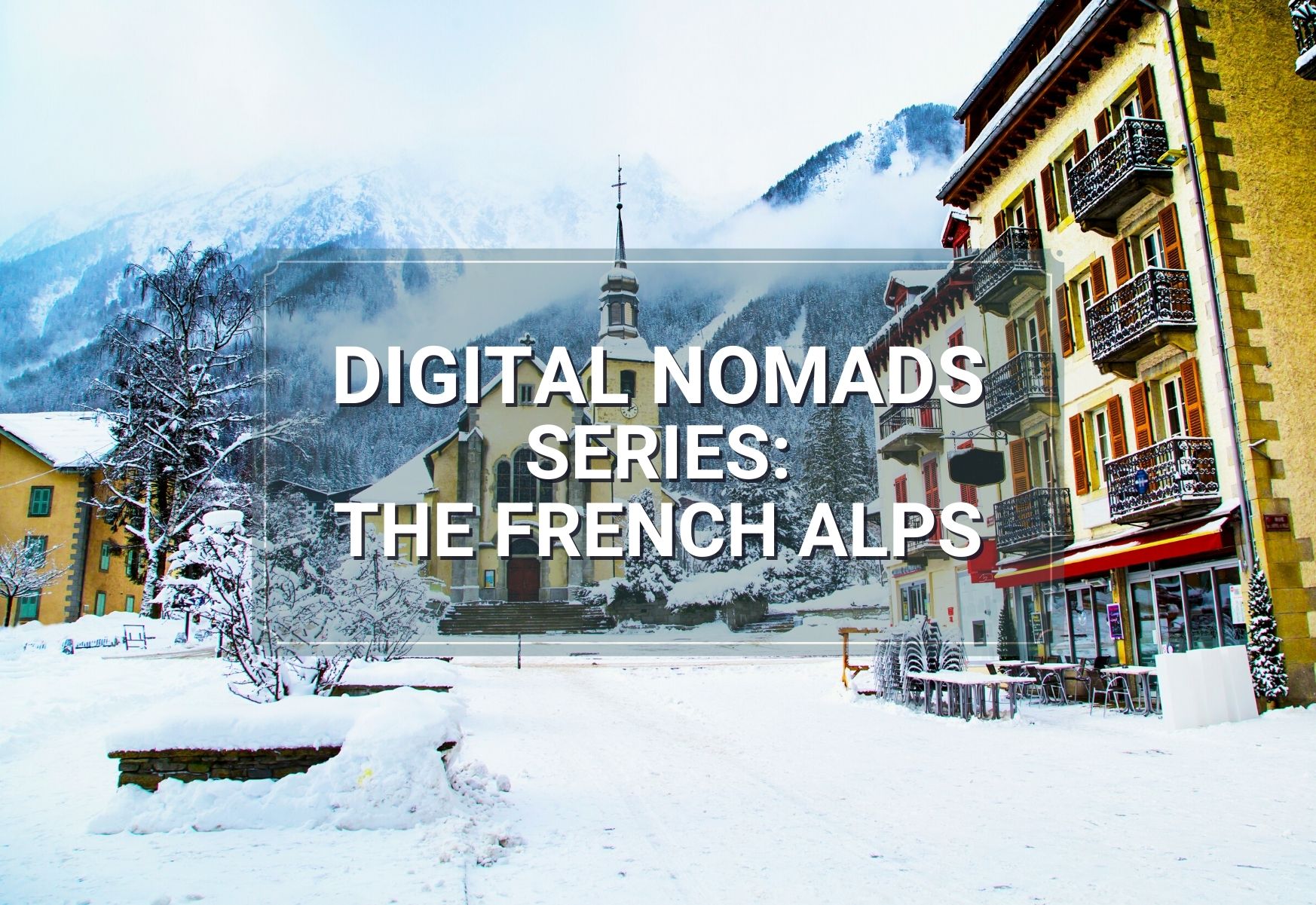
Our Third Digital Nomad Friendly Stop: The French Alps

Fresh air, breathtaking sceneries, majestic ski slopes and serenity that makes you want to come back to the mountains again and again, the French Alps offer a truly distinct lifestyle. So imagine closing your laptop and leaping out of your workplace to a view of towering mountains and captivating sunsets every day. If that image is stuck in your mind, then the French Alps are your next and most perfect digital-nomad friendly stop.Magical winters in ChamonixMore affordable lifestyle than the trendy French cities, 27 Mbps internet speed, a plethora of free, year-round activities in nature and several opportunities to make extra money in seasonal jobs. There are many reasons to make Chamonix-Mont Blanc your next nomadic stop and these are only some of them! So, read on and find out what all there is to do and discover in Chamonix-Mont Blanc as a digital nomad!For digital ski nomads basing themselves in Chamonix, the proximity of ski lifts such as the iconic Aiguille du Midi as well as numerous cafes and co-working spaces with beautiful alpine views, make this city a paradisal retreat. Moreover, this destination is now more than welcoming to those who have always dreamt of feeling the thrill of gliding down the hills for we’ve got some great news.In the coming year, the valley will organise free ski lessons in January and March for travellers staying for more than 3 nights! Indeed, there is no better time to be a digital nomad here than in the next few months when the magnificent Mont Blanc peaks would be rich in snow.With centrally-located, affordable and Wi-Fi enabled accommodations, you can even base yourself here for longer-term and finally learn skiing professionally! Ski on epic Mont Blanc off pistesThe all-year thermal spas of Saint Gervais Les Bains and 445 km of considerably less crowded ski pistes are yet another reason to explore this area. Moreover, the valley’s well-developed public transport allows for easy moving in-between charming destinations like Argentière, Le Tour and therefore, no matter where you are, the ease and connectivity of public transport are always there to satisfy your wanderlust. The valley also offers numerous adventure sports and things to do in purely naturalistic surroundings. It is therefore perfect for nomadic travellers who are always on the lookout for breaking free in nature. During summers, digital nomads can unwind through hiking, trekking, mountain climbing, paragliding and even by participating in the iconic UTMB races. All these experiences are truly enhanced in their beauty and uniqueness by their breathtaking locations around alpine lakes such as Lac Blanc and Lac des Gaillands. Exploring natural parks like Parc de Merlet and the ice grottos of the region are also great ways to soak up the terrific landscape and life of the French Alps. Meanwhile, in winters, going snowboarding, mountain walking, sledging and of course, skiing will become a routine of your stay!Paraglide from scenic take-off pointsFrom cosy studios and mountain-view retreats to traditional Savoyard houses and holiday homes with pools, we give you a choice at every step of the way. All you need to do is pack your laptop, creative energy, wanderlust and head to The French Alps to start living a one-of-its-kind digital nomad lifestyle.So are you ready to take on the mountain-style living on your next stop? Check out our wide selection of properties in Chamonix-Mont Blanc Valley.

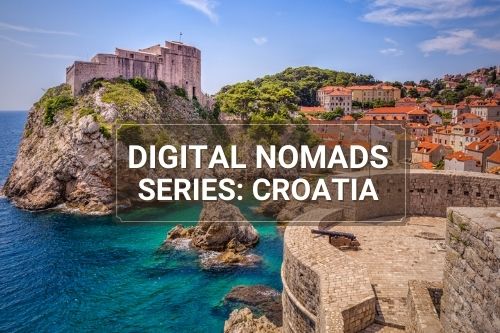
Our Second Digital Nomad Friendly Stop: Croatia

Coworking cafes with free internet, good Wi-Fi speed all over the country, lower cost of living than the rest of the EU and a considerable English speaking population simply make Croatia an international and digital nomad friendly destination. Moreover, the country’s mild continental climate, soothing Mediterranean coasts and rich gastronomy further attract seekers of cosy weather and global culture to this breathtaking Eastern European destination.Dubrovnik, the fortress city in Southern CroatiaCroatia’s plan to welcome digital nomads from all over the world through its 2021 visa policy is also a solid sign ensuring prospective digital nomads that Croatia is well-equipped for this modern-day lifestyle. Put in effect from this January, the visa policy allows DNs from outside the EU to stay in the country for a whole year without paying income tax for that year, along with experiencing the flexibility of being a DN and discovering this traveller’s gem of a country. But, if all of these perks have not convinced you, then explore our handpicked list of these charming Croatian cities and islands to decide your next digital nomad home!ZadarThe relaxed pace of the Croatian lifestyle finds its perfect example in Zadar. This unique and modern destination is soon to be one of the trendiest homes to digital nomads. Many efforts for building a strong digital nomad community in the historic city of Zadar are also underway. Digital nomads looking for distinct Byzantine architecture, typical Croatian brandies and convenient proximity to the natural treasures of Croatia as well as a safe traveller’s space will also find Zadar their perfect destination. Tip: Want to know what else Zadar has to offer? Have a look at our blog about this coastal city!DubrovnikIf you enjoy wider walking spaces, a super affordable lifestyle and a less touristy yet highly popular destination, then Dubrovnik is the place to be. This city, which was one of the main shooting sites’ for the wildly popular series Game of Thrones, is an excellent starting point to explore Montenegro, Mostar, Kravica Waterfall in the Bosnia-Herzegovina region and even the captivating Elaphite islands.Dubrovnik was the so-called King’s Landing in the popular series Game of ThronesHvarReceiving maximum hours of sunshine throughout the year is the sunny island of Hvar. This historic island is close to one of the main cities of Croatia, Split, and is also a paradise for those in search of sandy beaches, lively nightlife, diving into water sports at sunset, a budding temporary social community and the surrounding islands of Brac and Pakleni.SplitSynonymous with the unique Diocletian palace, Split is a base you have been looking for to explore Croatia effortlessly. If you ask us, the Blue Cave, breathtaking sceneries of Krka National Park, Plitvice Lake Park and Hvar, combined with a very decent quality of life are reasons enough to choose this Croatian city as your next experimental DN stop.Breathtaking Skradinski Buk waterfalls at Krka National ParkRijeka The Istrian coast is dotted with little historical pearls of Croatia and purely natural islands like the Brijuni national park and Krk island. Add the deep-blue waters of the Adriatic and you can take advantage of unwinding in unforgettable locations as well as satisfying your inner adrenaline junkie with adventure sports like windsurfing in Pomer!Another reason to station yourself in Rijeka is its closeness to medieval and Roman towns. With Pula and Hum a short car ride away, and the presence of more than 30 artists working and living in Labin, the digital nomad lifestyle here would also let your artistic side grow.Quick Tip: This November, start your digital nomad life in Rijeka if you love the arts as the city has a great line-up of concerts, exhibitions and theatre festivals in 2021!Still looking for more reasons to make Croatia your next digital nomad stop? Have a look at our best holiday homes!

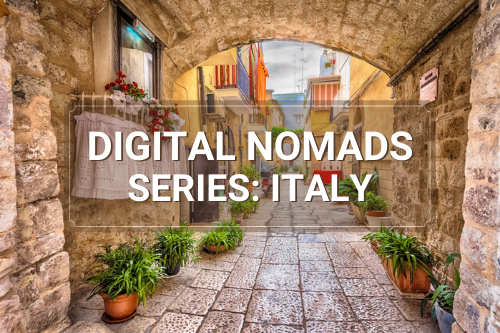
Digital Nomads in Italy: your guide to digital nomad visa, stays, travel and more

Do you dream of writing in one of Rome’s famous cafés or doing a conference call from a terrace in Tuscany? Beautiful settings for smart working  If you are looking to change your lifestyle, whether it is a temporary break from your usual 9-to-5 office job or a permanent move to working-while-travelling life, the post-Covid remote work culture has opened-up the world for digital nomads like never before. Several European countries like Croatia and Malta have welcomed digital nomads, with rental hosts creating more work-friendly holiday homes. Most recently, Italy has rolled out the much-awaited Digital Nomad Visa for those who have always dreamt of living and working in this bucket-list country. The new visa changes have made digital nomadism for non-EU citizens a bit easier and more accessible. So, if you want to give the nomadic lifestyle a try, read on and discover everything you need to know about Italy’s Digital Nomad visa and more!      Why Italy for Remote Working?  As the heart of the dynamic Roman Empire and the cradle of the Renaissance, Italy has always welcomed modernity and new ideas. So, it comes as no surprise that Italy is introducing their new Digital Nomad visa before many other European countries.  Italy's allure lies in its rich history, vibrant culture, mouth-watering cuisine, sense of style and stunning architecture.  Plus, the benefits of choosing Italy are many:  Climate: Enjoy the variety of climate from the snowy northern Alps to the warm beaches of Puglia and Sicily. Italy packs in a lot in a relatively small area. Go straight to the beach after a workday in Polignano a MareGood Transport Links: Extensive road, ferry and rail networks across Italy make it easy to get around. The railways are relatively cheap and offer an excellent service. Ferries between the mainland and Sardinia or Greece and Albania make travelling further afield a pleasurable experience. Affordable Living: Italy offers a wide range of rental options. Some areas are more affordable than others, but there is always plenty of choice, whether you want to ski in Sestriere or chill on the Costa Smeralda.  Italy has several skiing options, Sestriere, one of the highest ski resort in Via Lattea, is among them Rich Cultural Heritage: With thousands of UNESCO World Heritage Sites (for instance in Sicily’s Val di Noto and Tuscany’s medieval villages), Italy offers unparalleled cultural experiences.  The country’s art galleries and museums, churches and palaces nourish the most well-travelled Digital Nomad’s soul. Health & Safety: Italy’s state-run health system is excellent. Hospitals are generally clean and well-organised. It is a safe environment, with a highly visible police presence in many of the larger cities.   Scenic Diversity: From picturesque coastlines of Cinque Terre to majestic lakes and volcanic terrains of Campania, Italy offers a diverse tapestry of landscapes, catering to every nomad's wanderlust.  Imagine waking up with this view on the gulf of Naples! How can I move to Italy and work remotely?  EU citizens can live and work in Italy without a special permit. However, their tax and social security obligations can vary depending on factors such as employment status, duration of stay  and employer location. Regulations may change, so it's essential to consult official sources like the Italian Ministry of Foreign Affairs or local consulates for the latest information.  Non-EU citizens must apply for a Schengen Visa and follow the Schengen Visa rules. This means that they can only legally stay in Italy for a maximum of 90 out of every 180 days per year.   If you are planning to stay in Italy longer, you will need a different visa – either the Digital-Nomad Visa or Self-Employed Visa.  Italy's Digital Nomad Visa: Eligibility and How to Apply  Exciting news for remote workers eyeing Italy as their next destination: the Italian Government has officially approved a Digital Nomad Visa on 4th April 2024. This visa aims to allow non-EU Digital Nomads to work whilst living in Italy.  Who Can Apply?  The Digital Nomad Visa targets remote workers and freelancers operating outside the EU. It's tailored for individuals engaged in "highly qualified work activities through the use of technological tools," allowing them to work remotely, independently, or for companies outside Italy.   How to Apply? To qualify for an Italian Digital Nomad Visa, applicants must meet specific criteria listed below. Applicants generally need to book an in-person appointment at the local embassy or consulate.  Book ahead, as some consulates have a 2 to 4 month waiting list. Some Italian consulates accept an application by mail, but you will need to sign the documents in front of a Notary Public, or similar depending on your country. 1. Passport Validity: Ensure your passport remains valid throughout the visa period.  2. Nationality: Only non-EU or non-EEA nationals are eligible.  3. €28,000 Minimum Income: This income does not have to be 100% generated from work done in Italy. It can also include rental income from overseas or investment income. 4. Health Insurance: Provide proof of health insurance of €30,000 covering at least the initial 1st year in Italy. Coverage should be across the EU.  5. Clean Criminal Record: Furnish a certified clean criminal record from your home country.  6. Qualification as a “highly skilled worker”: The Italian government defines “highly skilled” as university graduates or workers with at least 5 years of professional experience.  7. Complete the On-Line application form: Once you have checked that all the information is correct, do NOT sign the form. This will need to be done in person, in front of an Italian Consular officer. It appears that Italy's Digital Nomad Visa will solely accommodate individuals employed remotely by companies outside Italy. Self-employed professionals and freelancers already have the option to apply for the Self-employed visa in Italy.  Benefits of the Digital Nomad Visa  Working remotely from Italy offers an enriching experience, with excellent infrastructure, a vibrant work-life balance, and a delightful Mediterranean climate. The visa also means that Digital Nomads can spend the entire length of their visa in Italy without having to leave Italy and the Schengen Area after 90 days. Where is the best place for digital nomads in Italy?  Puglia   Buy and cook some freshly made “orecchiette” in the Bari’s markets The south-eastern region of Puglia (Apulia) offers a relatively low cost of living, but in beautiful surroundings. Puglia has good weather and a wide range of rental properties where you can laze by the pool or soak up authentic village life. When the day’s work is done, Digital Nomads can explore hidden beaches, bathe in crystal-clear sea, gorge on Pugliano cuisine and sip delicious white wines. Puglia is ideal for nomads who enjoy the simpler yet rich things in life. It also has great international connections, as ports like Bari and Brindisi have ferries to Croatia, Greece and Albania. Tip: Here is our full guide to eating, drinking and discovering the Apulian region. Lake Como  Don’t miss the chance to visit the stunning Villa Monastero while staying on Lake Como With fast internet, opulent villas, beautiful public gardens and a picturesque setting this is the perfect place to start your Digital Nomad journey. In addition to being a highly popular tourist destination, Lake Como also has several friendly co-working places like, Wip and COWO ,which are perfect for working and meeting locals. The excellent transport links on land and on the water make travelling around Como and the other lakes (even the Swiss-Italian Lake Lugano) in the region a breeze.   From lakeshore to mountain-top rentals, you will find our diverse range of accommodations perfect for a Digital Nomadic lifestyle here.  Editor’s Tip: Here is our go-to garden and villa itinerary on Lake Como. Lake Garda   Surfing on Lake Garda is one of the pros of being a digital nomad in Riva del Garda! Just 30 minutes from the majestic Lake Garda, cities like Verona (which are close to south of the lake) have more than 20 co-working hubs, a large English-speaking population and international amenities. Meanwhile, Trentino (north of Lake Garda) has lower living costs and is surrounded by a beautiful mountain landscape. Wherever you choose living and working around Lake Garda means swimming in clean waters, good Wi-Fi speed and reliable public transport to discover various stunning and uniquely Italian destinations.  Editor’s Tip: If you are the sporty type, head to legendary windsurfing towns such as Riva del Garda and Torbole Sul Garda! Florence   Florence is one of the most popular bases for Digital Nomads One of the most beautiful cities in the world, Florence has so much to offer, including trendy co-working spaces, Wi-Fi speed, glorious museums and galleries celebrating the city’s rich history. It is an ideal base for Digital Nomads who want to learn more about the Renaissance and fine art. This cultural hub is also great for those who want to explore the rolling Tuscan hills and countryside from a big-city base. Nomads can take road trips to Chianti for exclusive wine-tasting tours or jump on a train to Pisa to see the famous Leaning Tower.   Editor’s Tip: Some of the best co-working spaces for those who like to meet and interact with locals while travelling are Multiverso and Impact Hub. Liguria   Maybe underrated, Genova has lots of hidden gems that would make you love it The Italian Riviera is an enchanting combination of mountains, valleys, beaches and crystal-clear sea. The Ligurian coastline is home to many charming towns like Alassio, Bordighera and the world-famous Cinque Terre which Digital Nomads will love exploring on their journey. In between the “Town of Flowers”, Sanremo, and the coastal regional capital, Genoa, you can base yourself in several beautiful small towns or traditional villages which cling to the cliffs. These have an attractive combination of good internet connection, delicious food and plenty of things to do. AND…you are only an hour’s drive of the glamorous French Riviera! FAQ for Digital Nomads in Italy Do Digital Nomads pay taxes in Italy?  Taxation for Digital Nomads in Italy is determined by residency status, income sources and international tax treaties. Italian tax residents are taxed on their worldwide income, while non-residents typically pay tax solely on income earned in Italy. Distinctions exist between employment and self-employment income, and leveraging double taxation agreements can be advantageous. Consulting with a tax professional specialising in international taxes is advisable for personal guidance.  Residence Permit and Family reunification Are you ready to be a digital nomad in Italy? Within 8 days of entering Italy with the Digital Nomad Visa, the applicant must submit the request for an Italian Residence Permit – a Permesso di Soggiorno. This needs to be done either at the local town hall or a post office. The Residence Permit will be valid for as long as the already issued DN Visa.  Finally, holders of the Digital Nomad Visa are allowed family reunification. Family members are issued a Residence Permit valid for the same duration as the worker's.  A rich cultural heritage; good nation-wide internet speeds; good transport networks; general low cost of living; widely available co-working spaces and a many different landscapes make Italy one of the top destinations for the Digital Nomads.  Ready to try the exciting life of a digital nomad? Our holiday homes might just be the perfect base for you in Italy.  

Show as filter:
×

Our Newsletter

Exclusive offers for the most desirable vacations, straight to your inbox!

Yhank you for subscribing!
We will keep you updated with our latest travel tips and special offers.