Food and Restaurants Travel Blogs in France

Every Stay Feels Like Home

Plan your next adventure with expert travel guides, itineraries and must-see destinations across Europe!

European Easter Traditions Worth Planning a Family Holiday!

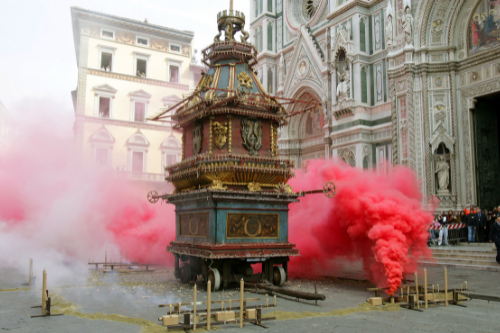
Most holidays are well-spent if they are spent in the loving warmth of family. Therefore, with Easter just a little more than a month away, we are bringing to you some of the most amazing Easter traditions from around Europe to enjoy with your loved ones.So read on and get ready to have a delightful Easter 2023 in Europe!  Italian Easter traditions: Fireworks, processions and personalised Easter eggs If you find yourself holidaying in the Tuscan region, then don’t miss a chance to visit Florence and see ‘The explosion of the cart’ at the Duomo. In this famous Easter tradition, called Scoppio del Carro in Italian, a turret called Brindellone is put on a cart. The cart is then pulled by white oxen through the entire city. Once the cart reaches the Duomo, a pyrotechnic dove is let off from the altar, which lights the turret on the cart, leading to a burst – if the dove comes back safely, it symbolizes a year of prosperity! The Explosion of the Cart in Florence, with Brindellone on top Another famous tradition known all over the world and celebrated in Sulmona, Abruzzo,  is the Easter Meeting, better known as La Madonna che scappa in Piazza. In this tradition, the statue of the Madonna is raced to that of the risen Christ in an emotional meeting of the mother and the son – an unmissable spectacle for those celebrating Easter in Italy!  In Sicily, you will be able to see several suggestive parades: the Real Maestranza in Caltanissetta, a historical association of craftsmen united in a town association that plays a prominent role during the religious festivals; the Processione dei Misteri in Trapani, which is a parade of sculptures representing biblical scenes; and the celebrations in Prizzi and Adrano, some fun eighteenth-century traditions mixing the sacred with the profane.The Processione dei Misteri di Trapani, Sicily Tip: Prolong your stay in Sicily and enjoy a tour around its ‘lost-in-time' baroque towns and gorgeous beaches. What are waiting for? Book one of our holiday homes in Italy Spanish Easter traditions: Death Dances and Parades Death Dances may seem a little spooky at first, but in Verges (Girona), this Easter tradition is participated in by both adults and children. The main spectacle called The Procession of Verges takes place on Maundy Thursday or Holy Thursday, whereas the one with children happens on Easter day. On both days, the Dance of Death is re-enacted the same way: with skeleton costumes, ash boxes, the theatrical depiction of Christs’ passion, and the perfect background setting of the medieval old town centre of Verges! The spooky Dance of Death in Verges Easter in Spain is also celebrated with a number of grand processions. These parades happen in almost every city and town but the most famous of them all are the parades of Seville. In Seville, people dress up as traditional characters known as costaleros and nazarenos in the parades that bring together a crowd of anywhere close to 50,000 people!A “pasos" carried by the Costaleros during the Holy week in Seville Enjoy these amazing events close to Costa del Sol. Book your holiday homes in Spain! French Easter traditions: Spring Easter and Egg Hunts With flowers blooming and the Spring weather at its best, Egg Hunting has to be that one perfect tradition that you can enjoy in almost every part of France with your family.Egg hunts and wholesome family fun, a common Easter tradition in France Egg hunting has the most interesting backstory in France, wherein instead of an Easter bunny, the eggs are thought to be hidden by flying bells! According to general belief, when the bells of all churches are silenced in the three days leading up to Easter, they are thought to fly off to the Pope in Rome for blessing. So when the bells return, they bring back Easter eggs with them and hide them in the garden of houses leading to the tradition of numerous egg hunts throughout France! Do you want to take part to one of these fun egg hunts? Book your holiday home in France and get ready, set and go when les cloches sont passées! (the bells have come!)Enjoy the cosy spring weather in Chamonix in our lovely chalet Tré La Vieux (Property ID: 3287)Croatian Easter Traditions: Easter feasts and traditional dances In Dalmatia, people wear traditional costumes, sing ancient hymns and dance together around a fire to celebrate Easter: one of these typical dances is called Kolo (circle dance), a unique performance that brings people together! Another popular Easter tradition is gifting painted easter eggs (pisanice) to your family and close ones as a symbol of life. Painted Easter eggs gifted by Croatians to their loved ones But no celebration is complete without food. As part of its delectable Easter feast, Croatia serves up on its Easter menu: coloured eggs, spring onions, horseradish, French salads, traditional cakes, and special homemade bread and ham!  But, you can keep feasting in Croatia any time of the year. To get a taste, read our tempting blog on typical Croatian dishes or scroll down a little as we leave you with a virtual taste of the sumptuous Gibanica - a crisp layered pastry with poppy, walnuts, cheese, and carob. Deliciously layered Croatian Easter dessert, Gibanica Taste the delicious Croatian food and enjoy the sunny spring weather. Book your holiday home! Greek Easter traditions: Smashing Pottery and red Easter Eggs Easter in Greece is usually celebrated one week later than the rest of Europe as it follows the orthodox Julian Calendar. But like the rest of the countries, Greece brings in the joy of Easter with its unique traditions. On Corfu, festive time attracts thousands of Greek as well as international spectators to witness the tradition of smashing pottery.Smashed pottery in the street of Corfu A tradition to bring in new hope, smashing pottery in Corfu probably has Italian origins. But on the island, even though the custom was adapted for Easter celebrations, people do not share the same belief of the “smash” bringing in the new year as the Italians do.  So stay off the streets or join in the fun on Holy Saturday as people start throwing red-painted pottery from their balconies at noon and the spectators pick up its pieces as a good luck charm! Tip: Don’t forget to try the ‘red eggs’, painted with organic red ink to depict the blood of Christ. The famous Easter red eggs typical of Greece and the Balkan regionsEnjoy the warm spring and Easter in Greece! Book one of our holiday homes. Swiss Easter traditions: Easter tree and egg smashing The home of chocolate has various traditions surrounding Easter and eggs, but not necessarily chocolate eggs.  From common activities such as egg hunting and decorating Easter eggs to other exquisitely Swiss activities common in almost every canton, Easter in Switzerland is pure family fun.  The lovely Easter Tree, a Swiss tradition that will make children happy Among the most interesting traditions is the Easter Tree, which symbolises the arrival of spring. The tree is made using cut sprigs decorated with coloured eggs. Two other fun activities for adults and children are Eiertutschen and Zwanzgerle. Eiertutschen means 'Egg smash' and consists of breaking the opponent's egg without breaking one's own, the winner will eat the egg. Zwanzgerle is played on Easter Monday: it is usually the adults who try to break their children's egg using a coin. If the adult fails, the child wins the coin! Tip: Try Osterfladen, traditional Easter rice tarts resembling the French Gâteau de Pâques (French), to complete your experience of a very Swiss Easter.The mouthwatering Osterfladen, a typical Easter tart made of rice Want to discover more Swiss Easter traditions? Book one of our holiday homes and discover them for yourself. So where are you and your family heading for Easter?

Drink to ‘Dry January’, with our top holiday mocktails!

The ultimate holiday mocktailsWhether you’re on a ‘dry January’ health drive or you want to surprise your family and friends with some fun party drinks, these alcohol-free tipples are full of flavour and taste – making them perfect for your next getaway! Virgin Watermelon Margarita Serves: 6 Prep time: 3 hr’s beforehand, 5 minutes to make When on holiday in Europe, you’ll find an abundance of watermelons for sale at food markets and in supermarkets. When the sun is beating down, this vibrant and energizing mocktail will keep all ages hydrated and ready for some holiday fun. Firstly, chop up the watermelon into cubes and place in the freezer for 3 hours. Next, dip the rim of each glass in water before rolling the rim in granulated sugar. Next, blend the frozen watermelon cubes with the Sprite, until smooth. Pour the delicious smelling mixture into the glasses. Finish with a thin wedge of watermelon to each rim. Cheers! Ingredients:1 watermelon (diced and frozen for 3 hrs before)Can of Sprite (335ml/ 12oz)Granulated sugarFinish with: Sprig of fresh mint and granulated sugar around the rim, with a thin wedge of watermelonNote: For more of a Margarita-style edge, feel free to add a dash of fresh lime or lemon juice! Lemon & Mango Margarita Serves: 4 Prep time: 10 minutes These juicy flavours pack a punch on a cold winter’s day. You’ll taste the endless days of summer ahead, with each sip you take! Firstly, if you haven’t got these shop-bought syrups in, make your own (using the helpful notes below). Next, using a large pitcher jug, whisk the lemon juice with the 2 purees. Gently (and briefly) stir in the fizzy water. Rub a lemon wedge around the rim of each glass and then dip each rim into granulated sugar. Next, add ice and pour in the mixture, before garnishing with a lemon slice and fresh sprig of mint. Enjoy!  Ingredients:6 tbsp fresh mango puree (see note)3-4 tbsp simple syrup (see note)2 tbsp lemon juice500ml sparkling waterFinish with: Fresh mint, granulated sugar for the rim of the glass & slice of lemonNote:To make homemade mango puree, peel and cut 1 mango. Blend in a food processor, until the pulp is smooth. To make the simple syrup mixture, heat an equal 4 tbsp sugar with 4 tbsp water in a saucepan. Bring to the boil and then turn the heat down, to simmer. The sugar will dissolve in 30 seconds or so. Leave the simple syrup to cool in a room before using. Sparkling Pear Punch Serves: 10 Prep time: 10 minutes This light, bubbly punch is full of autumn promise and festive winter flavour. It’s perfect as an aperitif to accompany meat and cheese platters, whilst also offering an uplifting accompaniment to a heavy meal. Simply pour all the ingredients into a large container (except the ginger ale) and refrigerate for 1 hr – 1 day before. This will enable the flavours to infuse to their full potential. When you’re ready to serve, pour the mixture 1/2 - 2/3 of the way into the glass, topping up the rest with the ginger ale. Ingredients:4-5 Anjou pears, diced1 lemon worth of juice32oz/ 946ml pear puree2.5 cups spiced apple cider2 litres ginger ale (carbonated water flavoured with ginger)Finish with: Cinnamon stickNote:If you’re out of Pear puree simply chop up some ripe pears and mix in a blender with ice cubes, et voila!French 75 Mocktail Serves: 2 Prep time: 2 minutes For something rather elegant, a flute of this mocktail will do the trick! Firstly, add the fresh lemon juice and bitters to a cocktail shaker, which has been filled with ice. Shake till the mixture has gone frosty, then pour equal amounts into each flute. Top off with tonic water and garnish with a sugary swizzle stick. Simple, yet effective! Ingredients:2 cups iceFresh lemon juice (88ml/3oz4 dashes lemon/ orange bitters2 x (177-236ml/6-8oz) bottles of premium tonic water (e.g. Fever Tree)Finish with: A sugary swizzle stick in the glassNote: If your shop is out of sugary swizzle sticks, dampen each glass rim with lemon juice, before rolling each in 1tsp caster sugar Virgin Mojito Serves: 1 Prep time: 2 minutes Nothing beats a classic Mojito. With this recipe you’ll be able to enjoy the tempting fusion of mint and lime at any time of day, thanks to this alcohol-free version! Firstly, place the fresh mint leaves and lime juice into a glass and mush them with a ‘muddler’ (or the end of a wooden spoon) for 1 minute. Crushing the mint in this way will release the flavoursome mint oil into the mixture. Next, add the simple honey syrup and sparkling water. Cheers! Ingredients:2 tbsp fresh lime juice2 tbsp honey syrupSparkling waterIce (optional)10/15 fresh mint leavesFinish with: Sprigs of fresh mint and a slice of limeNote: To make simple honey syrup, pour a mellow tasting honey into a saucepan. Add in water, to a ratio of 1:2 (that’s 1-part honey, 2 parts water). Heat on a low heat, until the honey has fully dissolved. Abracadabra, you have honey syrup! Allow to cool before mixing. If needed store in the fridge beforehand (it remains good for up to 4 weeks in an airtight container).Also, for express drinks and larger pitchers, why not use Limeade instead? Simply take out the honey syrup and fresh lime ingredients, in favour of ¼ cup of Limeade instead.   Wherever you’re spending your next holiday, we hope you enjoy making these fun, alcohol-free holiday drinks. “Salute!”

How to choose the right ski resort in the Alps?

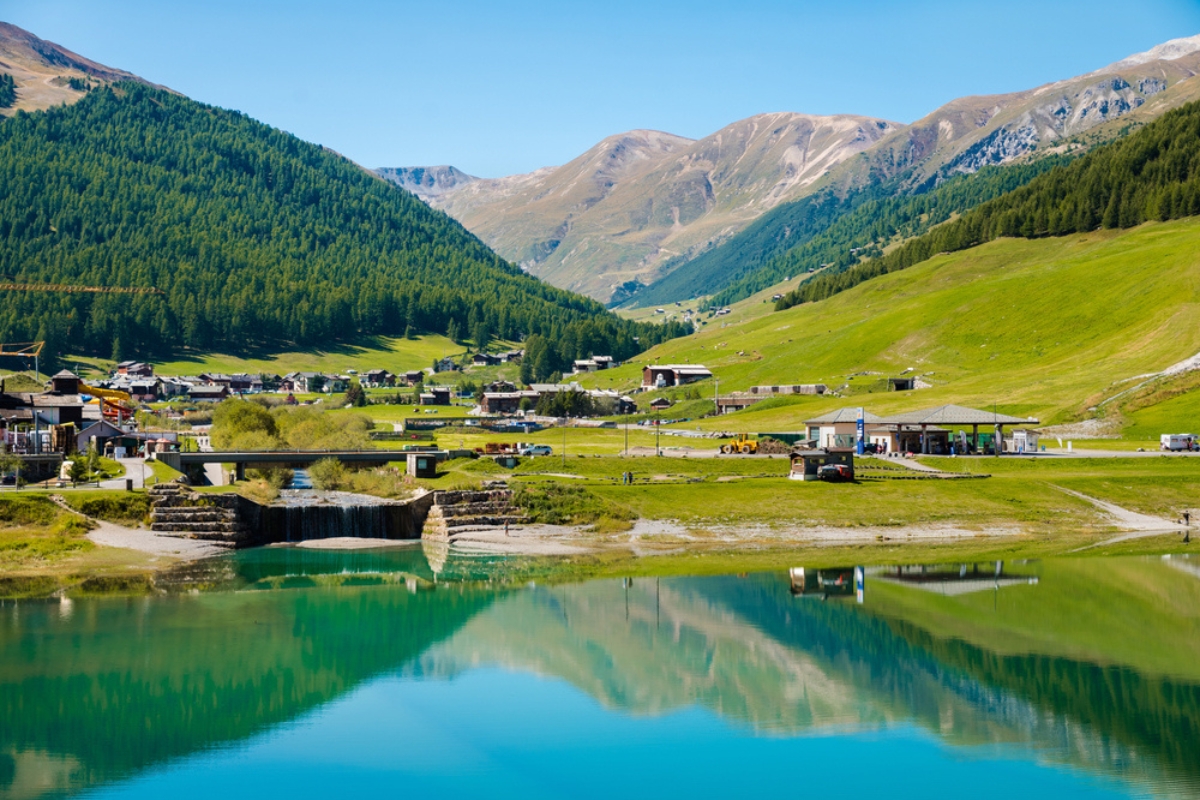
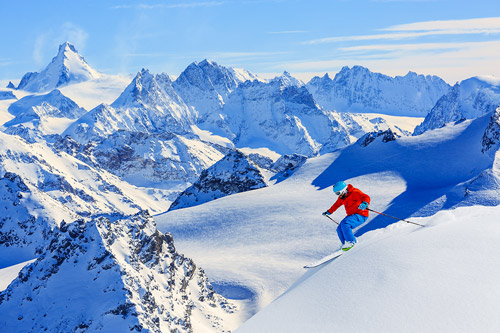
Embarking on a winter escapade to the snowy slopes is an exhilarating prospect, but with a plethora of ski resorts scattered across the Alps, finding the perfect alpine haven can be confusing. Whether you're a seasoned skier seeking challenging terrain or a snow bunny eager for gentle slopes, the key to an unforgettable ski holiday in alps lies in choosing the right resort.  In this guide, we'll march through the considerations, plow through the options, and help you navigate the powdery landscape to discover the Alpine ski resort that aligns seamlessly with your winter dreams. From slope conditions to apres-ski scenes, find out what to look for when selecting the ideal winter wonderland for your next alpine adventure. Here we go... Are you ready to jump in the snow? What to look for when choosing a ski resort? Choosing a ski resort and planning a ski holiday involves considering various factors to ensure a memorable and enjoyable experience. Here are some key aspects to consider: Skill Level: Consider your skiing or snowboarding skill level. Some resorts are better suited for beginners with gentle slopes, while others offer challenging terrain for advanced skiers. Terrain and Trails: Look at the variety of terrain and trails available. Some resorts are known for their groomed slopes, while others may offer more backcountry or off-piste options. Snow Conditions: Research the average snowfall and snow conditions during your preferred time of year. Resorts at higher elevations or in regions with reliable snowfall are often more snow sure. Resort Size and Amenities: Consider the size of the resort and the amenities it offers. Larger resorts may have more extensive trail networks, while smaller ones may offer a more relaxed and easy-going experience. Apres-Ski Activities: Look into the après-ski scene, including dining, nightlife, and other activities available after a day on the slopes. Accessibility: Consider how easy it is to get to the resort. Look for nearby airports, transportation options, and the distance from your accommodation to the slopes. Family-Friendly Features: If you're skiing with family, check for family-friendly amenities such as ski schools, childcare, and activities for non-skiers. Budget: Determine your budget for the trip, including lift tickets, accommodation, equipment rentals, and meals.  Events and Festivals: Check if there are any special events or festivals happening during your visit. For instance, in the Chamonix valley, once the ski season starts, so do many world championships like the Kandahar World Cup in Les Houches. Events like these can add to the overall experience of your ski holiday! Ski School and Instruction: If you're a beginner or looking to improve your skills, inquire about the quality of the ski school and the availability of lessons. What are the best ski resorts in Europe? Livigno - Lombardy, Italy Best for: Duty-Free Shoppers: Livigno's status as a duty-free zone makes it attractive for those who enjoy shopping and taking advantage of tax-free goods. Freestyle Enthusiasts: The Mottolino Fun Mountain, Livigno's snowpark, make it a great destination for freestyle skiers and snowboarders. Mountain bikers: With the arrival of the beautiful season, Livigno's bike area is finally reopening, ready to welcome all enthusiasts of two-wheeled excursions on its 3,200 km of GPS-mapped trails. Skiers going down the vast pistes of Livigno Why Livigno? Long ski season (typically, from the end of November to early May); 115 km of manicured slopes (29 Blue Slopes, 37 Red Runs and12 black runs) 3 snow parks devoted to freestyle and snowboard enthusiasts; Home to the Mottolino Fun Mountain, one of the best snow parks in Italy, which makes Livigno a great resort for non-skiers too Excellent cross country skiing (with a 30km trail, typically open from October); Biathlon facilities (combo of cross-country ski & shooting); Approx. 150 certified and trained ski instructors on hand to teach adults and kids; Modern resort infrastructure: 6 cableways, 13 chair lifts and 11 ski lifts; Night-time skiing facility and all-weather family activities, leisure activities and spa; Serviced by a wealth of cafes, restaurants, bars, live music venues & clubs. Stay with us in Livigno and enjoy free ski passes! Chamonix - French Alps Best for: Advanced Skiers and Mountaineers: Chamonix is renowned for its challenging terrain, making it suitable for advanced skiers and mountaineers seeking thrilling experiences. Scenery Lovers: The stunning views of Mont Blanc and the surrounding Alps make Chamonix appealing to those who appreciate breathtaking landscapes. Foodies: Enjoy the earthy Haute-Savoie cusine and the fancy Michelin Restaurants in the area Enjoy this amazing panoramic view from Le Brevent viewpoint in Chamonix-Mont-Blanc This ski resort needs no introductions…The only place to climb, ski and be seen, the French Alps resort of Chamonix-Mont-Blanc near the Swiss Italian border provides picturesque scenery and a whole lot more! Situated at the base of Mont Blanc (Europe’s tallest mountain), this well-established resort provides a year-round destination for outdoor sports and adventure, attracting some 5 million visitors each year. With 47 ski lifts, Chamonix also offers easy access to the ski resorts of Les Grands Montets, Brevent/ Flegere, Le Tour/ Vallorcine, L’Aiguille du Midi/La Vallee Blanche, and Les Houches, totalling 119 km worth of terrain. These Chamonix-valley resorts are linked together by a frequent bus service. Why Chamonix? It’s a purpose-built, year-round ski resort with a buzzing, pedestrianised centre A worldwide mecca for skiers, climbers and outdoor sports enthusiasts Boasts 157 km of pistes, unlimited off-pistes + 42 km of cross-country runs Les Grands Montets, Brevent & Flegere, Le Tour-Balme & Bellevue snow parks Off-piste skiers will relish the 20km Vallee Blanche glacier run The place for worldwide ski instructors to qualify, teach and test their metal! Year-round cable cars: including the scenic Aiguille du Midi and Skyway Monte Bianco A host of dedicated kids’ clubs, ski schools and family-friendly activities Serviced by train, shuttle and road links, resort bars, restaurants and top designer shops. A resort with countless year-round leisure activities Relax and replenish the senses at the resort’s new luxury QC Terme Spa!  Stay with us in Chamonix! Sestriere Ski Resort (Vialattea) – Italian Alps Best for: Ski-In/Ski-Out Enthusiasts: Those who prefer the convenience of ski-in/ski-out accommodations may find Sestriere particularly suitable. Snow sure slopes: Being one of the highest ski resorts in Europe, Sestriere gives you the guarantee of snow sure slopes All-Season-Long! All skiing abilities: From beginners and intermediate to advanced skiers, you’ll find suitable ski runs in Sestriere along with the option of booking ski lessons with trained professionals. The lovely view from our Belvedere apartments in Sestriere With excellent access to all the resorts of the Milky Way, including Montgenèvre in France, Sestriere with its effortless accommodation is ideal for those seeking maximum time on the slopes. The resort’s snow-sure slopes, with Sises, Motta and Banchetta being the top choices and some of the highest altitudes around, make Sestriere an ideal base for a long ski holiday. And if you really want to know how thrilling a ski experience would be here, then the resort offers night-time skiing and has snow-making machines that can cover up to sixty percent of the entire ski area! Why Sestriere? Access to five other ski resorts, including Pragelato, Sauze d’Oulx, Claviere, San Sicario, Cesana in Italy and Montgenèvre in France. Cross-country and adventurous night-time skiing.  Budget and family-friendly ski-in/ski-out accommodations. Ski passes delivered to your accommodation.  Snow sure pistes, being one of the highest ski resorts in Europe, with an altitude of 2823mt at Motta and 2600mt at Sises! Find your convenient accommodation in Sestriere!To get the full guide to the Milky Way Resorts, check it out here. Bardonecchia Ski Resort – Italian Alps Best for: Skiing weekends: This Piedmont town is close to the metropolitan city of Turin, making it perfect for weekend getaways, and has been a popular ski resort for more than a century! Beginners and intermediate skiers: Long red and blue slopes, with the possibility of off-piste skiing and open runs make Bardonecchia ideal for those just starting out on the slopes or those who want to better their skiing skills. Variety of high-altitude ski areas: Enjoy three different ski resort areas, with free ski shuttle to nearby ski resort of Jafferau. Value for Money: Including all the prices (ski pass, ski boot hire and lessons) Bardonecchia is “considerably better value for money” as compared to 36 others ski resorts in December 2023.   Soak up stunning views while skiing in and around Bardonecchia Just a 90-minute drive from Turin, the small yet highly convenient and budget friendly resort of Bardonecchia has been a popular playground for skiers and snowboarders due to its high-altitude slopes, ranging from 2400 to 2800 mt at the maximum. The resort is especially ideal for families and over-the-weekend skiers who flock to its 100 kms (about 62.14 mi) of slopes serviced by 22 ski lifts. Staying in the centre allows guests to easily access Bardonecchia’s three skiing areas; Colomion-Les Arnauds, Melezet (with the starting point at Campo Smith Slopes) and Jafferau, within minutes. Why Bardonecchia? Quick weekend skiing and snowboarding Varying altitudes ranging from 2400 mt to 2800 mt Long (winter to spring) season with endless possibilities for off-piste skiing Value for money ski resort with some of the most scenic views around Val di Susa Book your accomodation in this lovely ski resort! South Tyrol Ski Resorts - Italian Alps Best for: Gourmet Dining and Casual Skiers: Alta Badia, with its focus on gourmet dining and a variety of slopes, is suitable for both serious skiers and those who want a more leisurely experience.  Ski Circuit Enthusiasts: Sella Ronda is perfect for skiers who enjoy exploring a variety of slopes around the Sella massif in a day. A breathtaking view of Val di Fassa, in the Dolomites Alps Nestled in the heart of the Italian Alps, South Tyrol beckons winter enthusiasts with its enchanting ski resorts offering a scenic blend of natural beauty and diverse skiing experiences. From the vastness of the Dolomiti Superski, one of the world's largest ski areas, to the gourmet delights of Alta Badia and the circular adventure of Sella Ronda, South Tyrol caters to skiers of all levels. With picturesque landscapes, charming alpine villages, and a rich cultural heritage, a ski holiday in South Tyrol promises not just exhilarating runs down pristine slopes but also a captivating journey into the heart of the Italian winter wonderland. Immerse yourself in the charm of South Tyrol's ski resorts and create lasting memories in this snowy haven. Why should I ski in the Dolomites? The Dolomites are renowned for their breathtaking and dramatic mountain scenery.  Cater to a range of skiing preferences, from gentle slopes for beginners to challenging descents for advanced skiers. You can explore wide-open slopes, tree-lined runs, and thrilling off-piste terrain. Known for their impeccable grooming standards.  This interconnected ski carousel allows you to explore multiple resorts within the Dolomiti Superski region with a single ski pass.  Rich culinary experience. Enjoy traditional Italian and South Tyrolean cuisine in charming mountain huts and alpine restaurants! Wide range of winter activities, including snowshoeing, ice climbing, and winter hiking.  Charming mountain villages, historic sites, and local festivities. Benefit from favorable snow conditions, providing a reliable and consistent snowpack throughout the ski season.  Boast a well-connected network of ski resorts, making it easy to explore different areas and experience a diverse range of slopes without extensive travel. Stay with us and explore the wonders of South Tyrol! Whether you are tempted by accessing the cross-country ski slopes in Vialattea (The Milky Way), the captivating pedigree of Chamonix or the Italian hospitality and delicious food of Livigno, our top Ski resorts promise to provide the perfect winter escape for you. Enjoy! 

Savour the best dishes of Haute-Savoie!

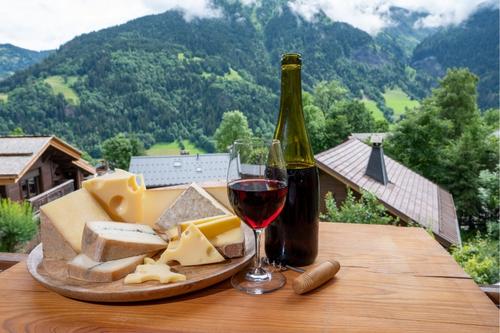
Enjoy the typical cheese and wines of Haute Savoie Whether you’re dining in or dining out during your Chamonix stay, you cannot beat the regional Savoyard cuisine! Celebrating wholesome, hearty food like nowhere else, the picturesque Alpine terrain of the Haute-Savoie region is a paradise for lovers of cheese and cured meats. Due to the harsh winter conditions and verdant mountainous landscape, cooking ingredients are seasonal, authentic, and local.The typical ingredients used in the traditional Savoie food are: Reblochon cheese which is used in several recipes such as the Tartiflette and the Croziflette; Tome cheese, usually eaten at the end of the meal; Beaufort cheese, a Gruyère-style cheese usually used to make fondue; Saucissons Savoyards, delicious cured meats which you can find in several flavors; Diots, local pork sausages that can be cooked in several ways and Crozets de Savoie, small square-shaped pasta made using buckwheat or wheat. The best traditional Savoyard dishes combine this ethos, with tantalising results. Perfect for chillier days and evenings; these carb-fuelled feasts are ideally enjoyed as a pit stop, either on or off the ski slopes, as well as after a long, scenic hike. Nourishing to the core, these regional meals promise to re-energise, and satisfy! Not a skier? Find your alternative winter activity here! Typical foods of the Savoie region that you must try: Savoyard Fondue The perfect social food for friends and family, the Savoyard Fondue is a classic wintertime treat. The story goes that in leaner times, mountain peasant communities would gather to survive, sharing their cheese and stale bread. Born from necessity, fondue offered the perfect way to provide a warm, tasty meal. Today, Savoyard Fondue is as much at home on your dining table as on the menu of a classic Chamonix restaurant – so dip in and enjoy! The delicious Savoyard fondue, try it with stale bread and cured meats Ingredients: 1 glass Savoie white wine (per person) 100 grams Comté, Reblochon, or Abondance (per person) 100 grams Beaufort cheese (per person) 1 peeled clove garlic 1 tsp potato flour 1 glass Kirsch liqueur Pepper and nutmeg to season Bread (portion size to suit) + Caquelon (special Fondue saucepan), knife & wooden spoon Recipe: Firstly, cut the cheese into strips. Next, mix the potato flour into the Kirsch liqueur. Rub the garlic clove inside the Caquelon. Next, heat up the white wine. As it starts to bubble, add the cheese, stirring all the time with a wooden spoon.  Season with pepper and nutmeg. Once the cheese is melted, add the potato and Kirsch mixture, stirring all the time. In a flash, your Fondue will be ready. Tradition dictates the first person to lose their bread in the Fondue owes the table a bottle of wine - so be careful! Raclette This mountain dish will really warm the cockles. Firstly, you will need a good round of raclette cheese. The traditional semi-hard Swiss cheese is made from cow’s milk and is ideal for melting. Raclette grills come in either a large communal version (which can melt a round of cheese for approximately 8 people), or small individual versions, suitable for pre-cut cheese slices. After your 5-minute prep work is done, the cooking takes around 30 minutes. Enjoy the heart-warming raclette, a perfect meal for Haute Savoie’s cold weather Ingredients: 1.5 – 2kg Raclette cheese (per person) 8 baked potatoes (skins on) 1 jar mini pickled gherkins 1 jar cocktail onions A selection of ham & cured meats (16 slices or so) + Oven & Raclette grill Recipe: Firstly, bake the potatoes in their skins. Next, melt the Raclette cheese in front of the heat source, with the mini gherkins and cocktail onions. You may also wish to put in vegetables of your choice (mushrooms, peppers or sweetcorn for example).Pour the melted mixture over the baked potatoes, et voila! Eat and enjoy, with a selection of ham and cured meats. La Tartiflette A tempting winter warmer throughout the Alps, La Tartiflette is a much-loved Savoy dish. The word is thought to derive from the Arpitan word for potato, ‘tartiflâ’. This recipe easily feeds 4. So, get the fire on, wine glasses out and tuck into this memorable Chamonix meal! Tasty and easy to make, the French Tartiflette  Ingredients: 1 Reblochon cheese (sliced) 1kg Charlotte potatoes, peeled 3 onions (chopped) 2 shallots (chopped) 1 peeled garlic clove (chopped) 250 grams bacon lardons 200ml double cream Salt & pepper, to season Butter + Oven, frying pan, knife & ovenproof gratin dish Recipe: Pre-heat the oven to 200c/400F/Gas mark 7. Next, boil the potatoes in salted water for 5-10 minutes until tender. Drain the potatoes and allow them to cool off by the side. Meanwhile, heat a frying pan. Once hot, add the onions, shallots, garlic and bacon lardons to the frying pan for 4-5 minutes, until golden brown.  Add a dash of white wine to deglaze the pan. Thinly slice the cooled potatoes and place them on the bottom layer of an ovenproof gratin dish. Next, pour over the fried mixture, the double cream and season with salt and freshly ground pepper.  Next, layer the Reblochon slices on top. Pop the dish into the pre-heated oven for approximately 10-15 minutes, until the top is bubbling away and is temptingly golden-brown. Serve with gherkins, cured meats, a fresh salad and a good glass of Savoie white wine. Tip: If you feel like eating pasta, swap the baked potatoes with crozets, a tasty and small savoyarde buckwheat pasta, cook them in a saucepan with hot water for 20 minutes and strain once cooked. Now you could have your equally delicious croziflette! …And for dessert? One heavenly option is the regional ‘La Tarte aux Myrtilles', otherwise known as Blueberry Tart!  La Tarte aux Myrtilles This traditional desert is hugely popular across the French Alps, and for good reason. Blueberries grow in abundance throughout the Alpine forests, yielding plenty of fruit in the summer. The flavoursome berries feature in plenty of local dishes, from jams and ice cream to crepes. Enjoy these delicious fruits with this gloriously easy-to-make recipe, perfect for 10. The exquisite and juicy Tarte aux Myrtilles Ingredients: 1 ¼ cups all-purpose flour 1/3 cup sugar 8 tbsp butter 6 cups rinsed and dried Blueberries 2 tbsp corn starch 2 tbsp finely grated lemon zest 3 tbsp lemon juice A pinch of salt + Mixing bowl, small & medium-sized saucepan, 9-inch flan dish, fork, spatula & food processor Recipe: Preheat the oven to 190C/ 375F/ Gas mark 5. Combine the flour, sugar, salt and butter in the food processor until the crumbs are moist and the dough holds together. Place mixture into a round flan dish, with a removeable bottom.  Press the dough evenly into the bottom, and up the sides. Freeze until firm (about 15 minutes). Take the unbaked tart out of the freezer and prick the bottom with a fork. Next, bake the flan in the oven for 20-25 minutes, until golden. Leave on the side, to cool completely.  Meanwhile, put aside 1 cup of the best-looking blueberries (for the topping). In a medium-sized saucepan, bring 1-4 cup of water and 1 ½ cups of blueberries to the boil, over a high heat. Once boiling, reduce the heat down to a simmer, stirring occasionally. In 3-4 minutes, the mixture will have softened.  Then, in a small bowl, mix the corn starch with 2 tbsp water, before stirring in with the blueberries. Add lemon zest and lemon juice, then the sugar and a pinch of salt. Bring the mixture back to the boil, before reducing the heat again to a simmer. Stir the mixture until it thickens (1/2 – 1 minute). Remove the saucepan from the heat and stir in 3 ½ further cups of blueberries. Pour the berry mixture into the cooled tart base, smoothing over with a spatula. Scatter the final cup of best-looking blueberries on top. Pop the tart into the fridge and cool for 30 minutes (the tart can also be left to chill overnight). Tip: All these Savoie dishes are heartwarmingly hearty. If you're feeling a little on the full side afterwards, a shot (or 2) of the ‘Genepi’ spirit, (a local Savoie ‘disgestif’), will do the trick! And to drink?  Wash these delicious Haute Savoie dishes down with a glass of authentic regional wine!  Another popular drink is the Bidoyon, a local cider made of apples or pears. The best typical Savoyard cuisine restaurants in Chamonix Mont-BlancIf you are not into cooking, you can still taste delicious Savoie recipes in the traditional restaurants of the region. Here you are some of them: La Calèche: 18 Rue du Dr Paccard, 74400 Chamonix, a typical restaurant in a very atmospheric location. La Cabane des Praz: 23 Route du Golf, Les Praz, 74400 Chamonix, very nice location with the possibility of alfresco dining. Le Castel: 100 Route des Tines, Les Praz, 74400 Chamonix, a restaurant in a beautiful chalet. La P’tite Verte: 89 rue Charlet Straton, Argentiere, 74400 Chamonix, quiet and affordable. La Crèmerie du Glacier: 100 Route des Tines, Argentière, 74400 Chamonix, typical Savoyard cuisine in the middle of the mountain. La Bergerie de Planpraz: Télécabine du Brévent, 74400 Chamonix Mont-Blanc, Perfect for those of you who don´t want to leave the slopes to enjoy great food. La Maison Carrier: 44 route du Bouchet, 74400 Chamonix Mont-Blanc, high end Michelin restaurant, ideal to celebrate something. Le Carrousel: 27 rue de la Tour, 74400 Chamonix Mont-Blanc, a creative French cuisine in a festive environment. Josephine: 76 avenue Michel Croz, 74400, Chamonix for a lighter fair at lunch in a Paris-inspired café. La Rose du Pont: 43 Pl. Balmat, 74400 Chamonix-Mont-Blanc another atmospheric Paris-inspired café. La Moraine: 5 Av. Ravanel le Rouge, 74400 Chamonix-Mont-Blanc, a traditional Savoyard restaurant for all those looking for typical Alpes food. Big Horn: 77 Pl. Edmond Desailloud, 74400 Chamonix-Mont-Blanc, an American inspired restaurant with home-made food to die for. Le Serac: 22 rue de la Comtesse, 74170, St Gervais les Bains, a must-try 1 Michelin Star restaurant.  Bistro Serac: 40 avenue du Mont Paccard, 74170, St Gervais les Bains, right next to Le Serac, has a more affordable and take-away grill type of menu. Book your holiday home in Chamonix Mont-Blanc and savour the Haute Savoie food now. 

Show as filter:
×

Our Newsletter

Exclusive offers for the most desirable vacations, straight to your inbox!

Yhank you for subscribing!
We will keep you updated with our latest travel tips and special offers.