Family General Travel Blogs

Every Stay Feels Like Home

Plan your next adventure with expert travel guides, itineraries and must-see destinations across Europe!

Smart Working from a Holiday Home

Feeling uninspired by the norm, or rundown by office politics and the daily grind? Escape! The perfect remedy for employees who have lost their work mojo, as well as digital nomads in search of adventure and families juggling school holiday commitments, a Smart working can be a rewarding, life-affirming experience! In our internet-savvy age, Smart working is now a feasible solution to find your zen, by balancing your work life and personal commitments, in one exciting new location.For those exhausted by the daily commute and working full time, whilst juggling domestic duties with family responsibilities, Smart working is for you! Working remotely from a new city or exotic holiday location requires just your passport, laptop and WiFi access. With these items and holiday clothes packed, the world is your oyster! The benefits of Smart working have long been known to savvy freelancers. Being motivated and inspired by a beautiful new location and holiday home can really spur on creativity, as well as be the springboard your mind needs for a productive workday.Work, relax, repeat! The benefits of Smart working:Waking up, ‘on location’ simply lets you start the day right. Escaping the hum drum of the office and the ‘everyday’, feels truly liberating. Indeed, knowing that you’ve saved time on your daily commute, feels like a breath of fresh air! You’ll be able to enjoy some ‘you’ time first thing – from yoga, a scenic run, early morning walk or quality family time, over an unhurried breakfast, before walking just a few meters to your remote office for the day. As well as feeling more grounded in a relaxed working environment, you’ll find the incentive to finish all your work tasks within good time, high on your agenda! For one, you’ll be able to get out and explore, socialise and sightsee when you’re done. Lunch breaks can also involve anything from an alfresco lakeside BBQ, to enjoying a refreshing swim and a quick brainstorm bike ride! Whilst your working day will evidently require some structure, remember you will have all your evenings and weekends free to fully immerse yourself in the vacation half, of your stay! Shaking routines up is always an effective way to boost motivation, as well as develop your own sense of well-being and inject a new sense of fun into the norm. Remember, when a different time zone applies, you should always define your temporary work hours before you go, as well as upgrade your mobile to accept WiFi and international calls (to and from work). Just because you’re not physically in the office, doesn’t mean your presence shouldn’t be felt, or heard!For families on half-terms and long summer holidays, bringing the kids whilst Smart working means you can balance your work life and family life. Getting work done whilst also being there to spend priceless holiday moments together is a no brainer. If you’re a single parent or a couple both working remotely, then picking a holiday location with good ski schools/kids clubs and holiday camps offers a super way to make sure your little monkeys or teenagers are having fun, making friends in a safe environment, whilst you’re getting your work done for the day. Looking for anymore reasons to enjoy Smart working? Check out our beautiful holiday locations and homes here and feel inspired to check-in

Carnival season has arrived in Ticino!

Ticino Carnival time: 19 January – 29th February 2020Banish the winter blues, because the Swiss Carnival season is here!For those longing for some early signs of spring, the colourful winter carnivals of Ticino are almost here. Spreading colour and cheer across the canton, this popular, 6-week long festival has ancient, co-existing roots in Ambrosian and Roman rites. Traditionally, the carnivals of Ticino signified the time when the rich of the region would ensure the poor had enough food before fasting for Lent, to avoid starvation. Whilst the German-speaking regions of Switzerland favour flour soup as an offering, the food offering of choice in Ticino, is risotto. Today, the celebrations continue to bring confetti, masks, parades, jokes and joy to young and old alike. Ticino has an incredible number of carnivals on throughout the January and February period, so get ready to get stuck in.One of the most significant Roman-rite carnivals in Ticino is the Nebiopoli carnival, in Chiasso. Peculiarly the custom to hand over power to the people does not require a ‘king’ but instead a ‘prime minister’, who declares the town to a be a ‘free republic of Nebiopoli’ for the week. During this time, the rule of fun prevails; with masked groups and bands performing ‘Guggenmusik’ taking to the streets. The spectacle culminates in the ‘Mardi Gras Nebiopoli’. Just for good measure, the masked parade and colourful floats are accompanied of course, by the jolly Guggen music.Across the canton, many of the carnivals take place at the end of the week, following the Ambrosian rite. The busiest by far are the carnivals held in Biasca, Brissago and Tesserete, which begin in earnest on the Satuday and wind down on Sunday morning. Within these town centres, the celebrations kick off with colourful, confetti-laden street parties with Guggen bands and free risotto, served up on the Thursday night before.If you’re staying in Lugano city or nearby Locarno this January or February, then you are in luck! Both cities stage epic carnivals, whilst being within easy driving distance from the most celebrated carnival in Ticino, which is hosted by the city of Bellinzona (26-39 minutes’ drive away). Read on to learn more about these 3 Ticino carnivals:The Carnival in all Regions (Lugano & Luganese): 19 - 29th February 2020 Piazza Riforma, Lugano & Luganese towns In the Swiss lake city of Lugano and the wider Luganese region, an impressive schedule of carnivals will be taking place. The carnival festival begins in Lugano on Thursday afternoon, with the keys to the city brought to ‘King Sbroja’ before a masked procession of school children parades through the city. On Monday 24th, the city will then be serving up free risotto for all, from 11:30am onwards in Piazza Riforma (in the event of bad weather, this will take place in the Exhibition centre). Preluding the city carnival, are those in Isone (24th - 26th January), Medeglia (31st January - 2nd February), Paradiso (14th - 15th February) and Lamone (15th February), so don’t miss out! For a full programme on the Luganese ‘carnival in all regions’ festival, check out this year’s schedule here.The ‘Rabadan’ Carnival of Bellinzona: 20th - 25th February 2020Via Riale Righetti 20, BellinzonaWith the Festival name ‘Rabadan’ literally meaning ‘noise’, you can guarantee that party fever will be descending onto Bellinzona this February! Hosted by Ticino’s much-loved capital city, the festival attracts over 150,000 visitors, making it the largest carnival in Switzerland, after Basel. Starting 7 and a half weeks before Easter Sunday, the ticketed carnival kicks off on the Thursday night, when the keys to the city are handed over from the mayor of Bellinzona to the elected ‘King Rabadan’, who will rule with merriment until the following Tuesday. During this time, food tents and marquees line the streets, where live theatre, jesters and marching bands perform alongside costumed parades. Friday’s carnival is performed by the youngest participants, whilst the Saturday is greeted by Guggen carnival bands in full swing, performing well into the night. The party peaks on Sunday, during the televised ‘Grande Corteo Mascherato’ parade, with a procession of 50 music bands and carnival floats making their way through the iconic UNESCO world heritage city. For more information on how to take part and what to look forward to whilst at the Rabadan carnival, click here.The ‘La Stranociada’ Carnival of Locarno: 21st - 22nd February 2020Città Vecchia, Via Bartolomeo Rusca 2, Locarno  On average 7,000 visitors take over Locarno Old Town, for a vibrant annual 24-hour carnival. Commencing with upbeat energy on Friday night, Guggen bands perform whilst masked performers, street entertainers and party tents provide an enticing spectacle for visitors, till the early hours of the morning. Awards for the best Guggen band and the most original mask are also given out during the lively evening. The merriment continues throughout Saturday, with child-friendly entertainment and free risotto served to the crowds within Piazza Sant’Antonio. Take a sneaky peek here for the full programme and to get your tickets for this year’s La Stranociada carnival.View the full calendar of Ticino carnivals here. From the midst of Carnival fever, we hope 2020 ‘floats’ your boat!

Drink to ‘Dry January’, with our top holiday mocktails!

The ultimate holiday mocktailsWhether you’re on a ‘dry January’ health drive or you want to surprise your family and friends with some fun party drinks, these alcohol-free tipples are full of flavour and taste – making them perfect for your next getaway! Virgin Watermelon Margarita Serves: 6 Prep time: 3 hr’s beforehand, 5 minutes to make When on holiday in Europe, you’ll find an abundance of watermelons for sale at food markets and in supermarkets. When the sun is beating down, this vibrant and energizing mocktail will keep all ages hydrated and ready for some holiday fun. Firstly, chop up the watermelon into cubes and place in the freezer for 3 hours. Next, dip the rim of each glass in water before rolling the rim in granulated sugar. Next, blend the frozen watermelon cubes with the Sprite, until smooth. Pour the delicious smelling mixture into the glasses. Finish with a thin wedge of watermelon to each rim. Cheers! Ingredients:1 watermelon (diced and frozen for 3 hrs before)Can of Sprite (335ml/ 12oz)Granulated sugarFinish with: Sprig of fresh mint and granulated sugar around the rim, with a thin wedge of watermelonNote: For more of a Margarita-style edge, feel free to add a dash of fresh lime or lemon juice! Lemon & Mango Margarita Serves: 4 Prep time: 10 minutes These juicy flavours pack a punch on a cold winter’s day. You’ll taste the endless days of summer ahead, with each sip you take! Firstly, if you haven’t got these shop-bought syrups in, make your own (using the helpful notes below). Next, using a large pitcher jug, whisk the lemon juice with the 2 purees. Gently (and briefly) stir in the fizzy water. Rub a lemon wedge around the rim of each glass and then dip each rim into granulated sugar. Next, add ice and pour in the mixture, before garnishing with a lemon slice and fresh sprig of mint. Enjoy!  Ingredients:6 tbsp fresh mango puree (see note)3-4 tbsp simple syrup (see note)2 tbsp lemon juice500ml sparkling waterFinish with: Fresh mint, granulated sugar for the rim of the glass & slice of lemonNote:To make homemade mango puree, peel and cut 1 mango. Blend in a food processor, until the pulp is smooth. To make the simple syrup mixture, heat an equal 4 tbsp sugar with 4 tbsp water in a saucepan. Bring to the boil and then turn the heat down, to simmer. The sugar will dissolve in 30 seconds or so. Leave the simple syrup to cool in a room before using. Sparkling Pear Punch Serves: 10 Prep time: 10 minutes This light, bubbly punch is full of autumn promise and festive winter flavour. It’s perfect as an aperitif to accompany meat and cheese platters, whilst also offering an uplifting accompaniment to a heavy meal. Simply pour all the ingredients into a large container (except the ginger ale) and refrigerate for 1 hr – 1 day before. This will enable the flavours to infuse to their full potential. When you’re ready to serve, pour the mixture 1/2 - 2/3 of the way into the glass, topping up the rest with the ginger ale. Ingredients:4-5 Anjou pears, diced1 lemon worth of juice32oz/ 946ml pear puree2.5 cups spiced apple cider2 litres ginger ale (carbonated water flavoured with ginger)Finish with: Cinnamon stickNote:If you’re out of Pear puree simply chop up some ripe pears and mix in a blender with ice cubes, et voila!French 75 Mocktail Serves: 2 Prep time: 2 minutes For something rather elegant, a flute of this mocktail will do the trick! Firstly, add the fresh lemon juice and bitters to a cocktail shaker, which has been filled with ice. Shake till the mixture has gone frosty, then pour equal amounts into each flute. Top off with tonic water and garnish with a sugary swizzle stick. Simple, yet effective! Ingredients:2 cups iceFresh lemon juice (88ml/3oz4 dashes lemon/ orange bitters2 x (177-236ml/6-8oz) bottles of premium tonic water (e.g. Fever Tree)Finish with: A sugary swizzle stick in the glassNote: If your shop is out of sugary swizzle sticks, dampen each glass rim with lemon juice, before rolling each in 1tsp caster sugar Virgin Mojito Serves: 1 Prep time: 2 minutes Nothing beats a classic Mojito. With this recipe you’ll be able to enjoy the tempting fusion of mint and lime at any time of day, thanks to this alcohol-free version! Firstly, place the fresh mint leaves and lime juice into a glass and mush them with a ‘muddler’ (or the end of a wooden spoon) for 1 minute. Crushing the mint in this way will release the flavoursome mint oil into the mixture. Next, add the simple honey syrup and sparkling water. Cheers! Ingredients:2 tbsp fresh lime juice2 tbsp honey syrupSparkling waterIce (optional)10/15 fresh mint leavesFinish with: Sprigs of fresh mint and a slice of limeNote: To make simple honey syrup, pour a mellow tasting honey into a saucepan. Add in water, to a ratio of 1:2 (that’s 1-part honey, 2 parts water). Heat on a low heat, until the honey has fully dissolved. Abracadabra, you have honey syrup! Allow to cool before mixing. If needed store in the fridge beforehand (it remains good for up to 4 weeks in an airtight container).Also, for express drinks and larger pitchers, why not use Limeade instead? Simply take out the honey syrup and fresh lime ingredients, in favour of ¼ cup of Limeade instead.   Wherever you’re spending your next holiday, we hope you enjoy making these fun, alcohol-free holiday drinks. “Salute!”

New Year, new holiday! Check out the BEST destinations in Italy for a winter break...

We all dream of soaking up some Italian sunshine in summer, but in winter? Indeed! Italy provides an enchanting back drop for winter getaways. With the most of the crowds gone home, you’ll be able to explore these top Italian destinations at your pace, and at your leisure. The pricey accommodation rates also drop, so you’ll have more in the holiday budget for luxury moments and fun. A holiday treat indeed! Italy's top winter-friendly holiday destinationsItaly boasts some truly remarkable cities to visit in winter. Picture gliding on a gondala through the atmospheric fog of Venice, sightseeing aroud the ancient colosseum and sites of Rome in the snow, exploring the  tranquil backstreets and piazzas of Florence on a crisp winter’s day, and soaking up the cosmopolitan flair of Turin, before you head off for a ski break in the Alps. These world-class cities are ready to greet you on your next adventure! VeniceBest time to visit in winter: January-February (for quiet piazzas, masked balls & Valentine’s Day!)With crisp, clean air to breathe in and tranquil waterways to discover in January, the city of Venice is a beautiful place that will inspire the senses. With its numerous masked balls and carnivals, February is always a colourful time to visit Venice and seek amusement in the long winter months. Why not beat the winter blues, with a ticket to a fabulous masked ball? An eccentric evening of costumed decadence will stay with you always! Of course, Venice is one of the most romantic holiday destinations in the world. Treating that special someone to a Valentine’s weekend in February will always be an unforgettable way to woo the one you love.RomeBest time to visit in winter: December (for beautiful traditions & Christmas lights) and early springWhen in Rome, visit the Vatican and take a private tour around the ancient Forum. The quiet serenity of winter will certainly add to the VIP feel! The eternal city is breath taking in December, with the magical Christmas lights, decorated delicatessens to buy edible (and drinkable) gifts from and the traditional Nativity scene at St Peter’s Square to admire.FlorenceBest time to visit in winter: New Year’s and late winter (for the early signs of spring)Self-confessed ‘Tuscanites’ will feel like they have the keys to Florence in winter; with the chaotic queues of summer a distant memory. Enjoy the wealth of art on offer at the Uffizi Gallery and take a private tour to uncover the rich stories and cultural sights . A drive out into the Tuscan countryside also offers a magical way to enhance your winter stay; with picturesque landscapes that glisten with frost. TurinBest time to visit in winter: During the ski season, before you head off into the Alps!Tempted by a pit stop in Turin? You won’t regret it! Enjoy the shops and make time to savour the famous Piedmontese drink ‘Bicerin’ (a decadent coffee, chocolate and cream drink). The best in town can be found at ‘Caffe Al Bicerin’. The Alpine-inspired cuisine on offer in the cities’ restaurants will also not disappoint food lovers out there! Luckily for those staying October – January, the wintertime and darkening evenings also set the perfect ambience for Turin to showcase its annual ‘Luci d’Artista’. The vibrant light festival brings illuminations and joyful displays to all parts of the city. The atmosphere will truly ‘light up’ your city break!And for some winter sun?There’s the south of Italy! The weather from Lazio southwards remains wonderfully pleasant and temperate throughout the wintertime. Naples and Sicily are timeless favourites for those in search of winter sun.Naples & the Amalfi coastBest time to visit in winter: December-January, to make the most of the sun-drenched beaches, UNESCO sites and nativity lights, without the crowds!Perfect for hikers and those in search of a scenic road trip, the Amalfi coast offers guaranteed winter sun for an out-of-season escapade. With breath taking coastal paths and festively-decorated cities and towns to visit such as Salerno and the buzzing city of Naples, this region will keep you captivated throughout the winter. As well as the seasonal Christmas lights, traditional and modern interpretations of the nativity scene (known as 'presepi') take over the Amalfi coast and Naples from December – January; with those in ‘Piazza del Plebiscito’ and along ‘Via San Gregorio Armeno’ the most heavenly. Salerno offers breath taking light displays (Luci d’Artista), whilst Limatola Caserta hosts ambient Christmas markets and lights to beat get you in the mood.Except for a couple of key dates, the UNESCO world heritage sites of Pompeii, Herculaneum and Torre Annunziata are open throughout the winter, so make time in your holiday to discover these incredible places. After an action-packed day of exploring the coast, savour some delectable festive bites (including panettone) at the regional institution of ‘Pansa Pasticceria’, which is located in Amalfi’s historical cathedral square, 'Piazza del Duomo'. The New Year celebrations and regional music concerts are also worth staying for!SicilyBest time to visit in winter: For the Christmas markets, visit in December. For the optimal winter sun experience, visit January-February!The Italian island of Sicily guarantees welcome if not exotic, sun in the depths of winter. Soak up the sunshine whilst exploring Palermo (one the main settings for di Lampedusa’s iconic novel, ‘The Leopard’). With grand yet neglected buildings providing a romantic, aristocratic air to the bustling modern day streets, exotic palm trees and cultural attractions, this is colourful city of contrasts. Palermo also offers a host of Christmas markets if you’re around December-early January. The nearby town of Termini Imerese (30 minutes’ drive away) performs a live nativity play in the streets, complete with belly dancers! The medieval coastal town of Cafalu also promises beautiful beaches, for those looking to make the most of the fantastic weather.Wherever you find yourself this 2020, we wish you an exciting year of happy holidays!  “Buon viaggio!”

Traditional dishes for an Italian Christmas

Like elsewhere in the world, Christmas in Italy is a time for feasting and merriment. The 20 regions of Italy all celebrate the festive season with their own Christmas dishes. Although the ingredients vary, the common thread running through all of them is that the dishes are cooked using top-quality ingredients in a style that brings loved ones together. And it is this enjoyment for life which remains at the heart of all true Italian meals! So, to celebrate Christmas in the true Italian style, we are bringing you Italian Christmas dishes from all over the country! Celebrate an Italian Christmas with panettone and a glass of spumante The Vigil (Feast of the Seven Fishes)Christmas Eve dinner in Italy is traditionally known as The Vigil or La Vigilia. It was seen as a fasting day, before the extravagance of the Christmas Day feast, to celebrate the birth of Jesus Christ, but now it centres heavily around seafood. So, what’s on the menu? You’ll find the staple Italian Christmas dinner dishes brimming with fresh seafood. This Roman-Catholic culinary custom remains entwined in many Italian households, across the world, even with Italian Americans.  The custom originally began in southern Italy, where fresh seafood was plentiful, not to mention delicious!  Likewise, the American-Italian community observe this pescatarian feast, affectionately nicknaming it the Feast of the Seven Fishes. The simplest way to observe an Italian Christmas Eve dinner, then, is quite simply, to abstain from meat and tuck into a festive seafood stew instead.A table of seafood dishes to celebrate a very Italian Christmas A typical Christmas dinner in Italy involves a series of courses. Usually, to begin, there’s whiting in lemon, followed by a clam or mussel spaghetti dish, before the famous Italian classic dish of salted codfish, known as baccalà, is served. Following on, many families will enjoy numerous seafood dishes, including swordfish, tuna, salmon, deep-fried calamari, baked stuffed lobster, octopus salad, sea snail salad and mixed seafood linguine, to name a few.  Accompanying the tasty seafood selection will be vegetables, pasta dishes, baked delicacies and wine. An Italian Christmas day – the feast of feasts!Once Christmas Eve has passed, the real feast can begin…The regional Christmas Day dishes are guaranteed to tempt your taste buds! An Italian Christmas feast typically begins with an Antipasti course of cold and hot appetisers, followed by a first course (usually pasta or meat-based). The grand affair of the main second course then commences (usually an extravagant meat or fish dish), accompanied by tasty side dishes of fried artichokes, cauliflower, fennel gratin and roasted potatoes.  For the sweet course (or dolce), nuts, dried fruit, and soft or hard torrone (nougat) are offered, alongside a selection of local puddings and the famous festive cakes of Panettone or Pandoro. These are all washed down with a digestive liqueur or freshly brewed black coffee. The light and airy panettone with raisins and dried fruits So, what do Italians eat for Christmas? As promised, let us take you through the culinary journey one region at a time… Lombardy & Northern Italy Capon (or rooster) is the traditional Christmas bird in Italy, and in Lombardy, this is no exception. The classic regional version of Capon is stuffed with walnut or chestnut stuffing. Steeped in tradition, the capon would appear on all the dinner tables of the land.  Today, grand dinner parties usually serve a boiled version as a prelude to the roasted version. The capon also happens to make the best meat stock, so there’s no wastage! Indeed, the capon stock is used to make the traditional Lombardian first course for Christmas Day, known as Risotto Giallo (a vibrant saffron risotto dish). The simple yet sumptuous Risotto Giallo In the Veneto region, polenta makes a festive comeback with seasonal cod. In Liguria, the ancient dish of Cappon Magro is a real showstopper! This elaborate Italian Riviera salad is made using colourful vegetables and an array of fresh seafood. This iconic dish has long been a popular Catholic fasting dish for Christmas Eve, whilst its elaborate display also sees it adorning many a table on Christmas Day.  Finished in magnificent fashion, not every Cappon Magro is the same. The multi-layered salad comprises tomatoes, cucumber, peppers, lettuce, olive oil, tuna and hard-boiled eggs, carefully decorated with fresh seafood ranging from white fish and prawns to crayfish and lobster. The mixed ingredients are layered up high into a pyramid shape, with an eye-catching piece of seafood (such as a king prawn or lobster) as the centrepiece. The tantalising Cappon Magro with prawns from Liguria In Emilia Romagna, the traditional Italian holiday food is Cotechino and Zampone, which are served side-by-side, as a duo. The Cotechino is the father of cured meats, being made from the rind and finest parts of the pig. The ground meat is flavoured with festive herbs and spices before being encased in a natural animal intestine. Accompanying the Cotechino is Zampone, a stuffed pig’s trotter, seasoned with festive herbs and spices. These Christmas delicacies are accompanied by a flavoursome dish of lentils and mashed potatoes. And for dolce? There’s Panettone! Originating in the 1500s from Milan, this celebratory cake-like bread is enjoyed all over Italy. Rich in candied fruit and raisins, it’s a real hit with families of all generations. In the northern city of Verona, the locals prefer a lighter, sweet version known as Pandoro, though it is also eaten all over the country. This version is generally fruit-free and decorated on top with a dusting of icing sugar.  Accompanying the typical festive dishes of Liguria is the traditional Genoese version, Pandolce (or Genoa cake). This delicious Christmas cake is baked using dried fruit, sultanas, pine nuts and marsala liqueur. It’s a year-round treat, too! Lazio & Tuscany (Central Italy) As is customary in Rome, the Christmas Day meal begins with a Stracciatella soup or Tortellini, followed by a classic pasta dish (such as Cannelloni or Lasagne). Following is the main meat dish, with vegetables. The champion here is roast lamb braised with garlic, rosemary, vinegar and anchovies, with a healthy dose of roast potatoes. The juicy slow-baked lamb with cherry tomatoes and potato wedges Accompanying the main meal are artichokes and a unique Puntarelle salad, or Misticanza salad (traditional mixed green salad). As festive dolce goes in Rome and Lazio region, the typical Pangiallo version of panettone adorns the table everywhere, making it one of Italy’s most famous Christmas cakes. Tip: Do not leave the table thirsty, try these festive holiday mocktails! In Tuscany, the first course for Christmas Day is traditional Crespelle alla Fiorentina (layered ricotta and spinach crepes in bechamel sauce) or an egg pasta dish, stuffed with either potato or spinach and ricotta, followed by the main dish of roasted Tuscan-style Arista (pork) with potatoes or beans. To finish your Italian Christmas dinner, the regional dolce of choice is Panforte (a sweet, chewy nougat tart). Strong teeth are a must! Tip: Can’t make it with the whole family for an Italian Christmas? You can celebrate an Italian Easter instead!  The deliciously rich panforte from the Tuscan region, with dried fruits and icing sugar Southern Italy The main festive dish for Puglia is Baccalà (salted cod), which is either roasted, oven baked or fried. In Campania and Apulia, the key ingredient for a festive family feast is a female eel, the largest of the eels, making it perfect for sharing. The eel is grilled in Apulia, whilst Campanians enjoy it deep fried and roasted. Indeed, the oilier quality of the eel makes it ideal for grilling and frying. The southern region of Campania also serves up wholesome Minestra Maritata.  On the southern Italian island of Sicily, a crusty baked pasta dish such as Baked Anelletti is the order of the day. The Calabria region presents the festive table with traditional homemade pasta in a ragù meat sauce. The Basilicata region enjoys a tasty festive dish of Cod with fried sun-dried Senise peppers, which grow in abundance here and are ripened to their full sweetness in the sun. A comfort food and Sicilian Christmas dish, baked Anelletti with mozzarellaWherever you’re celebrating Christmas, we hope you bring the flavours of Italy with you. Buon Natale! Wondering what to pack for your Christmas or a winter holiday in Italy? Read our full guide!

How to choose the right ski resort in the Alps?

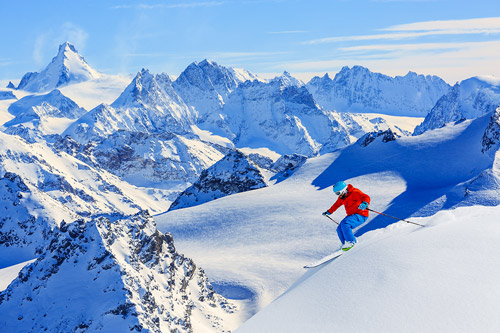
Embarking on a winter escapade to the snowy slopes is an exhilarating prospect, but with a plethora of ski resorts scattered across the Alps, finding the perfect alpine haven can be confusing. Whether you're a seasoned skier seeking challenging terrain or a snow bunny eager for gentle slopes, the key to an unforgettable ski holiday in alps lies in choosing the right resort.  In this guide, we'll march through the considerations, plow through the options, and help you navigate the powdery landscape to discover the Alpine ski resort that aligns seamlessly with your winter dreams. From slope conditions to apres-ski scenes, find out what to look for when selecting the ideal winter wonderland for your next alpine adventure. Here we go... Are you ready to jump in the snow? What to look for when choosing a ski resort? Choosing a ski resort and planning a ski holiday involves considering various factors to ensure a memorable and enjoyable experience. Here are some key aspects to consider: Skill Level: Consider your skiing or snowboarding skill level. Some resorts are better suited for beginners with gentle slopes, while others offer challenging terrain for advanced skiers. Terrain and Trails: Look at the variety of terrain and trails available. Some resorts are known for their groomed slopes, while others may offer more backcountry or off-piste options. Snow Conditions: Research the average snowfall and snow conditions during your preferred time of year. Resorts at higher elevations or in regions with reliable snowfall are often more snow sure. Resort Size and Amenities: Consider the size of the resort and the amenities it offers. Larger resorts may have more extensive trail networks, while smaller ones may offer a more relaxed and easy-going experience. Apres-Ski Activities: Look into the après-ski scene, including dining, nightlife, and other activities available after a day on the slopes. Accessibility: Consider how easy it is to get to the resort. Look for nearby airports, transportation options, and the distance from your accommodation to the slopes. Family-Friendly Features: If you're skiing with family, check for family-friendly amenities such as ski schools, childcare, and activities for non-skiers. Budget: Determine your budget for the trip, including lift tickets, accommodation, equipment rentals, and meals.  Events and Festivals: Check if there are any special events or festivals happening during your visit. For instance, in the Chamonix valley, once the ski season starts, so do many world championships like the Kandahar World Cup in Les Houches. Events like these can add to the overall experience of your ski holiday! Ski School and Instruction: If you're a beginner or looking to improve your skills, inquire about the quality of the ski school and the availability of lessons. What are the best ski resorts in Europe? Livigno - Lombardy, Italy Best for: Duty-Free Shoppers: Livigno's status as a duty-free zone makes it attractive for those who enjoy shopping and taking advantage of tax-free goods. Freestyle Enthusiasts: The Mottolino Fun Mountain, Livigno's snowpark, make it a great destination for freestyle skiers and snowboarders. Mountain bikers: With the arrival of the beautiful season, Livigno's bike area is finally reopening, ready to welcome all enthusiasts of two-wheeled excursions on its 3,200 km of GPS-mapped trails. Skiers going down the vast pistes of Livigno Why Livigno? Long ski season (typically, from the end of November to early May); 115 km of manicured slopes (29 Blue Slopes, 37 Red Runs and12 black runs) 3 snow parks devoted to freestyle and snowboard enthusiasts; Home to the Mottolino Fun Mountain, one of the best snow parks in Italy, which makes Livigno a great resort for non-skiers too Excellent cross country skiing (with a 30km trail, typically open from October); Biathlon facilities (combo of cross-country ski & shooting); Approx. 150 certified and trained ski instructors on hand to teach adults and kids; Modern resort infrastructure: 6 cableways, 13 chair lifts and 11 ski lifts; Night-time skiing facility and all-weather family activities, leisure activities and spa; Serviced by a wealth of cafes, restaurants, bars, live music venues & clubs. Stay with us in Livigno and enjoy free ski passes! Chamonix - French Alps Best for: Advanced Skiers and Mountaineers: Chamonix is renowned for its challenging terrain, making it suitable for advanced skiers and mountaineers seeking thrilling experiences. Scenery Lovers: The stunning views of Mont Blanc and the surrounding Alps make Chamonix appealing to those who appreciate breathtaking landscapes. Foodies: Enjoy the earthy Haute-Savoie cusine and the fancy Michelin Restaurants in the area Enjoy this amazing panoramic view from Le Brevent viewpoint in Chamonix-Mont-Blanc This ski resort needs no introductions…The only place to climb, ski and be seen, the French Alps resort of Chamonix-Mont-Blanc near the Swiss Italian border provides picturesque scenery and a whole lot more! Situated at the base of Mont Blanc (Europe’s tallest mountain), this well-established resort provides a year-round destination for outdoor sports and adventure, attracting some 5 million visitors each year. With 47 ski lifts, Chamonix also offers easy access to the ski resorts of Les Grands Montets, Brevent/ Flegere, Le Tour/ Vallorcine, L’Aiguille du Midi/La Vallee Blanche, and Les Houches, totalling 119 km worth of terrain. These Chamonix-valley resorts are linked together by a frequent bus service. Why Chamonix? It’s a purpose-built, year-round ski resort with a buzzing, pedestrianised centre A worldwide mecca for skiers, climbers and outdoor sports enthusiasts Boasts 157 km of pistes, unlimited off-pistes + 42 km of cross-country runs Les Grands Montets, Brevent & Flegere, Le Tour-Balme & Bellevue snow parks Off-piste skiers will relish the 20km Vallee Blanche glacier run The place for worldwide ski instructors to qualify, teach and test their metal! Year-round cable cars: including the scenic Aiguille du Midi and Skyway Monte Bianco A host of dedicated kids’ clubs, ski schools and family-friendly activities Serviced by train, shuttle and road links, resort bars, restaurants and top designer shops. A resort with countless year-round leisure activities Relax and replenish the senses at the resort’s new luxury QC Terme Spa!  Stay with us in Chamonix! Sestriere Ski Resort (Vialattea) – Italian Alps Best for: Ski-In/Ski-Out Enthusiasts: Those who prefer the convenience of ski-in/ski-out accommodations may find Sestriere particularly suitable. Snow sure slopes: Being one of the highest ski resorts in Europe, Sestriere gives you the guarantee of snow sure slopes All-Season-Long! All skiing abilities: From beginners and intermediate to advanced skiers, you’ll find suitable ski runs in Sestriere along with the option of booking ski lessons with trained professionals. The lovely view from our Belvedere apartments in Sestriere With excellent access to all the resorts of the Milky Way, including Montgenèvre in France, Sestriere with its effortless accommodation is ideal for those seeking maximum time on the slopes. The resort’s snow-sure slopes, with Sises, Motta and Banchetta being the top choices and some of the highest altitudes around, make Sestriere an ideal base for a long ski holiday. And if you really want to know how thrilling a ski experience would be here, then the resort offers night-time skiing and has snow-making machines that can cover up to sixty percent of the entire ski area! Why Sestriere? Access to five other ski resorts, including Pragelato, Sauze d’Oulx, Claviere, San Sicario, Cesana in Italy and Montgenèvre in France. Cross-country and adventurous night-time skiing.  Budget and family-friendly ski-in/ski-out accommodations. Ski passes delivered to your accommodation.  Snow sure pistes, being one of the highest ski resorts in Europe, with an altitude of 2823mt at Motta and 2600mt at Sises! Find your convenient accommodation in Sestriere!To get the full guide to the Milky Way Resorts, check it out here. Bardonecchia Ski Resort – Italian Alps Best for: Skiing weekends: This Piedmont town is close to the metropolitan city of Turin, making it perfect for weekend getaways, and has been a popular ski resort for more than a century! Beginners and intermediate skiers: Long red and blue slopes, with the possibility of off-piste skiing and open runs make Bardonecchia ideal for those just starting out on the slopes or those who want to better their skiing skills. Variety of high-altitude ski areas: Enjoy three different ski resort areas, with free ski shuttle to nearby ski resort of Jafferau. Value for Money: Including all the prices (ski pass, ski boot hire and lessons) Bardonecchia is “considerably better value for money” as compared to 36 others ski resorts in December 2023.   Soak up stunning views while skiing in and around Bardonecchia Just a 90-minute drive from Turin, the small yet highly convenient and budget friendly resort of Bardonecchia has been a popular playground for skiers and snowboarders due to its high-altitude slopes, ranging from 2400 to 2800 mt at the maximum. The resort is especially ideal for families and over-the-weekend skiers who flock to its 100 kms (about 62.14 mi) of slopes serviced by 22 ski lifts. Staying in the centre allows guests to easily access Bardonecchia’s three skiing areas; Colomion-Les Arnauds, Melezet (with the starting point at Campo Smith Slopes) and Jafferau, within minutes. Why Bardonecchia? Quick weekend skiing and snowboarding Varying altitudes ranging from 2400 mt to 2800 mt Long (winter to spring) season with endless possibilities for off-piste skiing Value for money ski resort with some of the most scenic views around Val di Susa Book your accomodation in this lovely ski resort! South Tyrol Ski Resorts - Italian Alps Best for: Gourmet Dining and Casual Skiers: Alta Badia, with its focus on gourmet dining and a variety of slopes, is suitable for both serious skiers and those who want a more leisurely experience.  Ski Circuit Enthusiasts: Sella Ronda is perfect for skiers who enjoy exploring a variety of slopes around the Sella massif in a day. A breathtaking view of Val di Fassa, in the Dolomites Alps Nestled in the heart of the Italian Alps, South Tyrol beckons winter enthusiasts with its enchanting ski resorts offering a scenic blend of natural beauty and diverse skiing experiences. From the vastness of the Dolomiti Superski, one of the world's largest ski areas, to the gourmet delights of Alta Badia and the circular adventure of Sella Ronda, South Tyrol caters to skiers of all levels. With picturesque landscapes, charming alpine villages, and a rich cultural heritage, a ski holiday in South Tyrol promises not just exhilarating runs down pristine slopes but also a captivating journey into the heart of the Italian winter wonderland. Immerse yourself in the charm of South Tyrol's ski resorts and create lasting memories in this snowy haven. Why should I ski in the Dolomites? The Dolomites are renowned for their breathtaking and dramatic mountain scenery.  Cater to a range of skiing preferences, from gentle slopes for beginners to challenging descents for advanced skiers. You can explore wide-open slopes, tree-lined runs, and thrilling off-piste terrain. Known for their impeccable grooming standards.  This interconnected ski carousel allows you to explore multiple resorts within the Dolomiti Superski region with a single ski pass.  Rich culinary experience. Enjoy traditional Italian and South Tyrolean cuisine in charming mountain huts and alpine restaurants! Wide range of winter activities, including snowshoeing, ice climbing, and winter hiking.  Charming mountain villages, historic sites, and local festivities. Benefit from favorable snow conditions, providing a reliable and consistent snowpack throughout the ski season.  Boast a well-connected network of ski resorts, making it easy to explore different areas and experience a diverse range of slopes without extensive travel. Stay with us and explore the wonders of South Tyrol! Whether you are tempted by accessing the cross-country ski slopes in Vialattea (The Milky Way), the captivating pedigree of Chamonix or the Italian hospitality and delicious food of Livigno, our top Ski resorts promise to provide the perfect winter escape for you. Enjoy! 

Discover Porlezza, Valsolda and the other jewels of Lake Lugano’s Italian riviera!

One of the most beautiful areas of Lombardy, Lake Lugano, has attracted visitors for hundreds of years. Writers, composers and painters have all been inspired by its stunning landscape and clear waters. In fact, Giuseppe Antonio Borgese, the famous Italian travel writer and critic, even wrote that:  Lugano is like a blue heart in the green chest of the Lombardy region. Gorgeous view of Lake Lugano and Monte San SalvatoreGorgeous view of Lake Lugano and Monte San Salvatore However, Lake Lugano is not entirely an Italian lake. Rather it is split into two countries and comes under the Swiss-Italian lake district. So, where exactly is it: Is Lake Lugano in Italy or Switzerland? The answer is – both!   63% of the Lake Lugano is in Switzerland, while the remaining is in Italy.  Lake Lugano’s Italian side covers the far western shores from Lavena Ponte Tresa down to Porto Ceresio and the area around the northeastern shore, which includes the stunning Valsolda and the beautiful town of Porlezza.  There is also the enclave of Campione d’Italia on the eastern side of the lake--a little piece of Italy surrounded by Switzerland!  Is Lake Lugano worth visiting, especially the Italian side?   Pretty waterfront view of Lake Lugano Italian Riviera Nestled between Lake Como and Lake Maggiore, this area is the ideal base for a laid-back holiday within easy reach of many exciting sites. The northern shores around Porlezza and Valsolda combine some of the most scenic landscapes in Europe with beautiful villas, charming hamlets, historic hikes, watersports and culinary delights. Now it is your turn to discover this enchanting corner of Italy with our latest guide!  Valsolda: Beautiful hamlets, rich history and a giant literary heritage On the northern shores of Lugano, the cluster of nine pretty lakeside and mountain villages, which make up Valsolda, provide a perfect holiday destination combining relaxation and adventure. Each village has its own unique and ancient history, often connected by historic trade routes.   The picturesque streets of Castello, Valsolda Hiking, walking and cycling in nature at Valsolda  Blessed with a sunny climate, lush greenery and woodland rich in wildlife, Valsolda is dominated by the Pre-Alps, also called "Piccole Dolomiti". These cliffs soar above a 318-hectare Valsolda Nature Reserve, the largest in Lombardy, with 90 hectares of trails and protected areas dedicated to walkers, hikers and cyclists.  From the mountains to the lake, visitors can explore many of the hiking trails in the area and explore the best cycling routes around the Swiss-Italian lakes! Valsolda’s rich historical and literary heritage Valsolda has produced several cultural giants who have left their mark on Italian and European art and literature.  Antonio Fogazzaro (1842 – 1911), nominated 7 times for the Nobel Prize for Literature, wrote many of his iconic works at the idyllic Villa Fogazzaro ROI Oria, Valsolda. Visitors can enjoy a tour of the house, which has changed very little since the writer’s day, and walk through the particularly lovely lakeside gardens with wisteria blooming in the spring season. Editor’s tip: If you love lakeside gardens, then you will love these lakeshore stays.Villa Fogazzaro Roi Garden, the summer residence of the Italian writer Antonio Fogazzaro Each of Valsolda's hamlets, including those depicted in Fogazzaro's novel "Piccolo Mondo Antico", makes a fascinating destination. A suggested tour would be to start at Porlezza, drive along the lake to Cressogno and then up into the hills to Loggio, Drano, Puria, Dasio, and Castello. Seven villages may sound like a lot, but the combined driving time is only 25 minutes, so you have plenty of time to stop and enjoy each place. Editor’s tip: Stay in Valsolda if you want to enjoy slow-paced relaxation abound in nature, literature and history. Enchanting Porlezza: Cobblestone streets, lake reserve, local flavour and cafes The lovely Porlezza reflected on Lake Lugano Explore Porlezza's lakeshore, cafes and medieval history On the northern tip of Lake Lugano, just a 15-minute drive from Valsolda, the charming town of Porlezza nestles between the forested mountains and the lake shore. Its medieval roots can still be seen in the historic centre and the impressive Baroque churches of the Church of the Holy Mother and Saint Martin.  The town’s lakeside walk [Lungolago] is particularly beautiful, and the winding streets offer many excellent restaurants, cafés and shops. There is even a small beach for lake swimming and its weekly Saturday market is a good place to pick some fresh local produce like cheese and meat.However, the highlight of Porlezza is the Lake Piano Nature Reserve, an important sanctuary for water birds and protected by the European Union. Visitors can hire E-bikes and explore this popular destination or enjoy an easy walking circuit around the lake, through unspoiled nature spotted with deer and many picnic spots along the way.    A must-visit in Porlezza: the quiet beauty of Lake Piano Nature Reserve Enjoy like a local in Porlezza Every year, on August 16th, all the hamlets of Porlezza come alive for the annual celebration of San Rocco, featuring a series of traditional activities, music and delicious food. It is great family fun. And to experience the lake area like a local, the annual non-competitive race known as the “Nine Bell Towers” in July is just the perfect thing to do.  Editor’s tip: Staying in Porlezza is a good option if you plan to explore the famously expensive Lake Como on a budget. The lake and its prestigious Menaggio & Cadenabbia Golf Club, exquisite villas and resort towns are just 20 minutes from here. The tranquil lakeside holiday residence, Porto Letizia in Porlezza, Lake Lugano Porlezza makes a superb holiday base on the Italian shores of Lake Lugano, especially for those looking for pocket-friendly holidays. The laid-back resort charm and facilities of Porto Letizia offer the perfect accommodation choice: from studios and lake-view balcony apartments to parkland villas with private gardens.  The residence also enjoys a lakeside garden and a delightful on-site restaurant with a greatly-priced three-course meal menu, with delicious Tiramisu and Gnocchi alla Sorrentina! Other villages to explore on Lake Lugano’s Italian Riviera Campione d'Italia: The Italian Enclave with one of Europe's biggest Casino Have a lovely day trip a Campione d’Italia Campione d'Italia is the only Italian enclave surrounded by Swiss territory. Since 1798, when the town had to choose between Italy and the Swiss Federation, it has remained staunchly Italian. The town is renowned for its Baroque-style casino, which was one of the largest in Europe before it became defunct. Now the casino complex stages concerts and cultural festivals. Campione d’Italia is also known for its excellent restaurants which combine the best of Italian and Swiss cuisine. Meanwhile, the religious landmarks, Sanctuary of Santa Maria dei Ghirli and the Oratory of San Pietro bear witness to the commune's long history, which gave rise to the Maestri Campionesi in the Middle Ages. This group of craftsmen excelled in sculpture and architecture and worked across Europe during the transition from Romanesque to Gothic styles. Cima: Explore relaxing old streets with cosy traditional cafes  Visitors in search of simple lakeside charm and relaxation will enjoy a laid-back holiday in Cima (2.7km from Porlezza). The village’s enchanting old streets are home to several traditional cafés, restaurants and some lovely churches.  Lavena Ponte Teresa: The perfect spot for watersports and beaches The serene waterfront in Lavena Ponte Tresa On the far western side of Lake Lugano, the town of Lavena Ponte Teresa is about a 1-hour drive from Valsolda. The town straddles the Swiss-Italian border and is steeped in history. It also has a great weekly market (Saturday morning) where you can find delicious local specialities, as well as clothes and accessories. There are many water sports on offer, including kayaking, canoeing, paddle boarding and lake fishing. Alternatively, you can laze on one of the pretty lake beaches nearby. Guests can be as busy or as relaxed as they want and enjoy the best swimming spots on Lake Lugano. There is something for everyone on Lake Lugano and it all comes with a large measure of unbeatable Italian charm! Now it is your turn to experience its peace, enjoy the exciting activities and “la dolce vita” amidst the natural beauty of this place.  Take a look at our vacation rentals on Lugano’s Italian Riviera

Exclusive events on the Italian Lakes

With its romantic charms, noble villas and worldly connections, the Italian Lakes are synonymous with the finer things in life. A tempting programme of events is held each year to celebrate and promote this unique, rich heritage. Enjoy the magnificence of the Italian lakes this summer or next, with these marvellous shows and festivals:Musical events                                                                       Bellagio Festival, Lake Como 14th June – 30th August 2019With Bellagio’s own resident orchestra combining with world-renowned troupes, chamber musicians and talented soloists, the Bellagio Festival always brings a cultural treat to the shores of Lake Como. The annual event showcases this world-wide and regional talent through literary, artistic and musical performances. With divine outdoor locations including the Grand Hotel Villa Serbelloni, this year’s musical programme offers an especially scenic way to hear your favourite music, whilst on holiday.Directly across the lake, the famous Villa Carlotta also hosts a fantastic music programme, so now is the perfect time to enjoy an unforgettable performance with that special someone!The Stresa Jazz Festival, Lake Maggiore14th – 27th July & 23rd August – 9th September 2019              With live Jazz and classical musical concerts in full swing across some of Lake Maggiore’s most prestigious locations, this annual festival attracts top musicians and music fans from around the world.From the UNESCO world heritage site of Santa Caterina del Sasso to the opulent extravagance of the Isola Bella palazzo, the unique venue locations will captivate the senses. With the added allure and finery that goes with it, the atmospheric evening recitals in particular, provide the perfect way to experience the true magic and essence of Lake Maggiore. The Stresa Jazz Festival is fully packed too with a cultural programme of contemporary dance, cinema screenings, literary events and theatrical performances to enjoy, so there really is something for everyone!Vintage Car showsConcorso d’Eleganza, Lake ComoLate May 2020 (dates to be confirmed)Put some 'vroom' into your lake stay, with a trip to one of the world’s most intimate and impressive car shows...The annual ‘Concorso d’Eleganza’ has been hosted within the decadent lakeside grounds of the Villa D’ Este hotel since 1929. Prestigious car manufacturers from around the globe proudly showcase their daring new models and most prized vintage models. An event like no other, the scenic Lake Como back drop, dazzling VIP list and jaw-dropping collection of world-class motorcars will rev up any car enthusiasts' day!The best Italian Lake festivalsNotte di Fiaba, Lake Garda23rd – 26th August 2019Travelling with the kids? Each summer the shores of Riva del Garda come alive with fairy tale magic. This year, the theme of the family-friendly festival will be the underwater world of the Little Mermaid. With 100+ events and performances to soak up, parents and kids can fully immerse themselves in some exclusive-feeling family time. The finale is a fantastic 40-minute long firework display, which promises to enchant and amaze, young and old alike.Bardolino Wine Festival, Lake Garda4th – 8th October 2019Each year in early autumn, the streets of Bardolino begin to buzz. For 4 days, the town serves up engaging shows, live music, craft stalls and plenty of free-flowing wine! In fact, the annual festival celebrates the Bardolino grape harvest, so you can be sure there's a healthy abundance of local wine and regional cuisine to savour and buy. The authentic wine festival culminates in a colourful firework display over the town.Cross, Lake MaggioreLate May-early June 2020 (dates to be confirmed)Each year, a fun and varied performing arts festival comes to the Lake Maggiore towns of Verbania and Cannobio. Visitors will be wowed by live street and circus performers, alongside interactive art installations, photography exhibitions, cinema screenings, live DJ sets and contemporary dancers. A welcome blend of cool summer vibes is guaranteed.Italia in Rosa, Lake GardaJune 2020 (dates to be confirmed)Hosted within the medieval charms of Castello di Moniga del Garda, this festival is one for the wine buffs! With industry talks and a collection of over 100 Italian and world-wide rosé wines to sample, including Lake Garda’s own dry rosé Chiaretto, this major event invites you to sample the finest wines, with or without a sommelier! Accompanied by tours and wine tasting experiences in the surrounding wineries of the Valtenesi region, the open day weekend is tipped to be as cheerful as the very wine it is dedicated to.Sagra di San Giovanni, Lake ComoJune 2020 (dates to be confirmed)This is easily one of Lake Como’s most popular festivals. Celebrating the history of Lake Como’s only island, the annual event also commemorates the tragic fire of 1169, which destroyed Isola Comacina. The weekend-long festival sees atmospheric floating candles light up the shoreline and lake, followed next day by a costume-dressed parade of boats and a splendid regatta of traditional Lucia rowing boats. The authentic lake festival culminates on the first night with a spectacular firework display over Isola Comacina - so do bring your camera!  

The magical springtime gardens of Lake Maggiore

As the cafes and hotels open their doors again, the delicate scent of awakening buds drift on the mild pleasant air, as the sun returns to bask on the idyllic lake view terraces. Spring has sprung on Lake Maggiore.If you are lucky enough to be visiting now, the lake’s gardens are the true stars of spring.Arguably the most well-known gardens are to be found on the Borromean Islands. Reached by boat from Stresa, the palatial islands of Isola Madre and Isola Bella will captivate the senses. The most opulent of these are the Isola Bella gardens, which after passing through the unique Baroque palace, greet the visitor like a majestic fantasy. With the landscaped gardens spread across 10 lake view terraces, the focal point of this floating wedding cake is its ‘topper’; the amphitheatre. In amongst the splendour, exotic white peacocks’ parade next to perfectly manicured flower beds and romantic lake-view vistas.The more familiar-feeling Isola Madre gardens are laid out in the form of luscious English parkland; with vibrant flower boarders accompanying lawns, shady long avenues, enchanting wisteria walks and the largest Kashmir Cypress tree in Europe. Situated between Stresa and Intra, and not to be missed, are the botanical gardens of Villa Taranto. Visitors there can fully immerse themselves in its breath-taking landscape. Sprawling parkland, woodland, meandering footpaths and terraced pools provide a welcome home to some 20,000+ species of trees, shrubs, plants and flowers. The flowering beds surrounding Fontana die Putti offer a beautiful sight and for a truly show-stopping moment, visit Villa Taranto in Tulip week. It is then that a vibrant sea of 80,000 tulip blooms caress the park in a joyous, vivid colour, to announce in the spring.Parco Pallavicino in Stresa is well-known for its relaxed, family-friendly atmosphere, thanks to its popular on-site zoo. The park’s lake view gardens though are reason enough to pay a visit! With the fragrance of flowering wisteria in the air and colourful tulips, rhododendrons, azaleas and early roses in full bloom, visitors will enjoy immersing themselves in the scents, and delights of the season.Lake Maggiore also offers some secret, unassuming springtime gardens, including the Alpine Garden

8 free must-have travel apps to make your trip easier

A bit of planning and the use of modern technology can make your vacation or weekend trip relaxing and stress free. Whether you are taking a 3-week vacation or a weekend trip, having the right apps on your phone goes a long way. From planning your trip to deciding where to eat once you have arrived at your destination, there are plenty of apps to help you along the way. We have compiled a list of free useful travel apps you shouldn’t travel without. Before you leave on your holiday, make sure you’ve downloaded these on your phone. HopperWhen planning your trip, comparing and finding the most affordable flight is exhausting and costs you a lot of time. Hopper is an award-winning travel app for booking flights on your mobile devices. A great advantage over other flight-booking apps is that Hopper tells you the best time to book the flights you’re looking for. When you enter your dates, the app will predict the cheapest time to buy your tickets and will advise you whether you should wait or book right away. You’ll also get a direct notification as soon as the price dropped. The app does so by collecting data from historical archives of flight prices and then analysing them.  There are no annoying ads and no popups so that you can book your tickets hassle-free.  PackPointAfter you’ve easily booked your flights with Hopper, your trip can finally start and it’s time to pack. If you like organising and making lists, you’ll love PackPoint. This app generates a list of what to pack for you, based on your length of travel, the weather at the destination and the kind of activities that you have planned during your stay. The app will list all necessary items that you need for your trip. It is also very easy to add something or delete items from the list you don’t need. Going on a trip with your travel buddy? No problem, you can simply share your list with others. TripItThanks to the apps mentioned above, you’ve managed to plan your trip wisely and hassle-free. All you need now are your travel documents. But why print them and waste space in your bags when you can easily store all your documents on your mobile device? TripIt is your master travel planner which allows you to store all your travel plans in one place. It takes all necessary information from emails you have received and creates a single itinerary for your trip. This itinerary can be accessed from anywhere and any device and can easily be shared with others which is a benefit when planning a trip with a larger group.  Citymaps2goCitymaps2go is the ideal app for travellers who want to be prepared for their trip. The app shows you places to stay, places to eat and interesting places to visit at your destination. It offers both online and offline maps and lets you save all the places you love. You can plan your trip using tips from local experts and other travellers’ favourite spots. You can also book your attraction tickets and guided tours directly through the app and share your experience with all your friends.  CitymapperAre not sure how to find your way through the city and use public transport once you’ve arrived at your destination? Citymapper, available in 39 cities, is another perfect journey planner to help you navigate around. Including real-time departures and disruption alerts, it has never been this easy to get from A to B.  XEXE Currency is the one app you should use for currency rates when going overseas. The app knows every currency in the world, shows historic currency charts and lets you calculate prices using its calculator. And the best thing is, it also works without an internet connection if you save the latest updated rates.  Google TranslateGoogle Translate has always been an essential travel app. It allows you to translate words and phrases in over 100 languages. The app’s latest feature allows you to point your phone camera towards any written text or sign and translates it for you, even without a data connection. This is very handy if you are in a country where you aren’t familiar with the language.  PolarstepsPolarsteps is your very own digital travel journal. It makes the job of keeping a journal much easier for you by automatically tracking your route and the places that you visit while you are travelling with your phone in your pocket. The app creates a beautiful travel journal for you and transfers it to your traveller profile once you are online. You can share this with your friends and family to keep them updated about where you are and what you’re doing. At the end of your trip, you can turn your memories into a printed photo album.  Thanks to smartphones and especially the apps we presented to you, planning your trip and travelling has gotten so much easier. All the information you need can be stored in one place and will be available at your fingertips.   So, what are you waiting for? Download and try them!

Swiss Miniatur: A Family Attraction on Lake Lugano

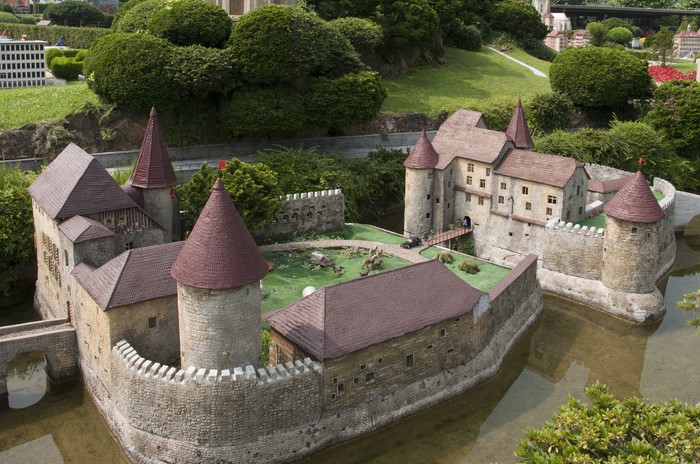
Cameras in their hands and excited to see Switzerland within an hour, tourists from all over the globe queue up every day to walk around Swiss Miniatur. An open air park planned to present an overview of Switzerland, Swiss Miniatur has detailed and authentic models of well-known sites of Switzerland in the form of miniatures. The park, which attracts more than 2 million visitors every year, is located in the peaceful village of Melide on the shores of the charming Lake Lugano and surrounded by Monte San Salvatore and Monte San Giorgio. History of Swiss Miniatur Swiss Miniatur is the result of Piere Vuigner’s dream to recreate something like the Dutch miniature park of the Netherlands “Madurodam”. Vuigner, a resident of Canton Valais, was smitten by this dream. He toured around Switzerland to find a fitting site where this dream could be materialised. Finally, Melide was chosen as the site primarily because of its wonderful landscape. On the 6th of June 1959, the park was opened for public. In 2009, the park, which is spread over an area of 14,000 square kilometres, celebrated its 50th anniversary. HighlightsThe park houses 120 models which are perfect replicas at the scale of 1:25 of the most important buildings in Switzerland, mansions, patrician houses, castles, churches and many such structures.There are 18 miniature trains running on 3.5km railway track across the park and stop at various miniature stations. It wouldn’t be wrong to say that the park is a paradise for modern railways fans.Nature lovers are in for a treat because the park is surrounded by 1500 varieties of plants with 15,000 different kinds of flowers.There are dedicated children’s areas in the park and coin operated exciting rides to keep them entertained.The park has restaurants as well as lovely picnic spots. The restaurants serve local and Asian cuisine.Practical InformationHow to reach:By car:Drive on the A2 Motorway/Highway in the direction of South (Chiasso – Italy). Exit at Melide – direction Bissone A2 Motorway/Highway Direction North (St. Gotthard) Exit at Bissone / Campione d’Italia direction.By train:Melide Train Station is 200m from Swiss Miniatur. You can reach Melide Train Station in 7 minutes from Lugano Train Station or in 21 minutes from Chiasso Train StationBy boat:Swiss Miniatur is reachable by boat from Lugano and takes 35 minutes.Entrance FeesAdults: 19.00 CHFChildren (above the age of 5 years): 12.00 CHFEntry free for children under the age of 5 yearsFamily Day Card: 55.00 CHFSenior (>65 years old) 15.00CHFPlease check the website for updated ticket price and latest deals before planning your visitOpening HoursFrom March 12 until October 23, 2016, from 9.00 am to 6.00 pmAccommodationThere are wonderful accommodation facilities available at great prices not very far from the Swiss Miniatur. Book a holiday home here and spend quality time with your family against the spellbinding landscape of Lake Lugano area.

Show as filter:
×

Our Newsletter

Exclusive offers for the most desirable vacations, straight to your inbox!

Yhank you for subscribing!
We will keep you updated with our latest travel tips and special offers.