Familie Reiseblogs in Italien

Jeder Aufenthalt fühlt sich wie zu Hause an

Planen Sie Ihr nächstes Abenteuer mit fachkundigen Reiseführern, Reiserouten und sehenswerten Zielen in ganz Europa!

Portofino Travel Guide: the Perfect Italian Summer Experience

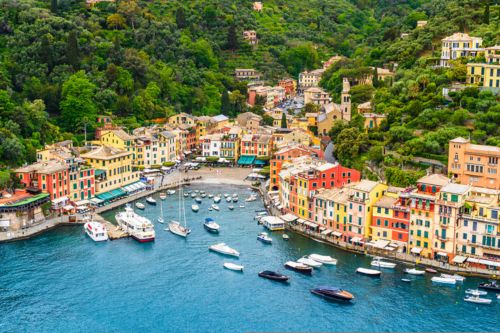
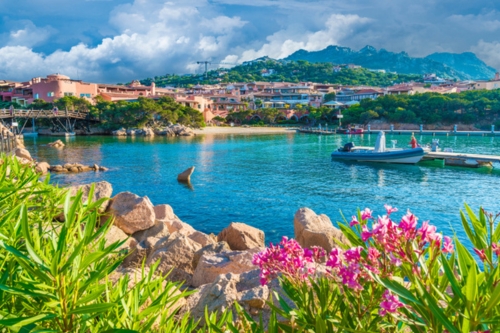
Hidden by mountains and surrounded by the turquoise waters of the Mediterranean, Portofino presents a natural Italian beauty like no other. The little Italian village has become so popular and loved worldwide that it is not uncommon to see celebrities like Jennifer Lopez and Micheal Douglas walking down its charming, cobbled streets and just enjoying the perfect Italian summer. Though small in size, there is plenty to do and experience in a day or even a weekend in Portofino. From its stunning harbour lined with million-euro yachts to hilltop castles with panoramic views and medieval seafront abbeys, this is the only Portofino itinerary you will ever need to create the most memorable holiday in Italy! The stunning Portofino port surrounded by colourful buildings Start the day by strolling around La Piazzetta  The heart of the village, the place where everything happens, La Piazzetta is the main square of Portofino. You can find some of the best dining experiences here for a taste of true Ligurian cuisine: From elegant waterfront dining at the famous La Terrazza to family-run trattorias like Trattoria Tripoli with in-house wines.  The village also has exclusive Michelin-star restaurants like the seafront DaV Mare if you are willing to pay a bit more than usual for top-class gourmet meals. However, for a more budget-friendly and immersive experience, try one of the cooking classes in Portofino where they will teach how to make an authentic Focaccia alla Genovese or Trofie al Pesto, a typical pasta from the area. La Piazzetta is also a convenient spot for browsing the high-end local boutiques and international brands like Louis Vuitton and Ferragamo! Editor’s tip: Take a quick tour of the 11-C Chiesa di San Martino in La Piazzetta before exploring other parts of Portofino. The entry is free, and the nave of the church is absolutely gorgeous. The frescoed nave of the 11th Century Church of Saint Martin (Divo Martino) in Portofino, ItalyClose to La Piazzetta are also the best things to see in Portofino! Just a 5-minute walk away is Museo del Parco with Italian-style gardens and some fine examples of the Genovese architecture. If you move a bit further in the direction of the Portofino Marina, it's the imposing Castello Brown you’ll be greeted with. A short hike up the hill and you will reach this well-preserved fortification that has stood in Portofino since the Roman times. Castello Brown also has one of the most expansive views of Portofino that spans the hilltop, the village and azure bay! A lovely aerial view in a sunny summer day in Portofino from Castello Brown Another place to soak up unreal views is the Lighthouse of Portofino. Perched at the cliff end of the promontory, the views here are truly breathtaking. And since you need to hike to get to the lighthouse, the small bar there serving drinks completes an overall rewarding experience! The lighthouse of Portofino at the cliff end of the promontory Cool down at the Baia Cannone There are actually two places where the clear waters of the sea tempt you to take a dip and enjoy the Mediterranean. The first is Baia Cannone, which is less than a 10-minute walk from La Piazzetta. It is the perfect spot to get away from the main square buzz for a bit and just enjoy nature. The turquoise waters of Baia Cannone in Portofino Editor’s tip: This is the perfect place to decide: Where to stay in Portofino? If you wish to stay close to Baia Cannone, then this sea-view apartment might be ideal but if you want to stay smack dab in the middle of the village, then this Piazzetta Martiri stay is better. The charming San Fruttuoso Bay with the Abbey and the beach Anyway, the other spot to enjoy swimming waters is at the Abbey de San Fruttuoso, one of the main highlights of Portofino. The abbey presents a picture-postcard kind of beauty, but it can be reached only on foot or by boat.  Two routes lead to the Abbey. Find the best hiking route for you here. There is also a little surprise here that many don’t skip while visiting Portofino...  The underwater statue of Christ of the Abyss in the Bay of San Fruttuoso. Originally placed in the medieval abbey itself, the bronze statue is now immersed in the clear waters and can be admired through snorkelling, diving, kayaking or a glass-floor boat tour. Gift yourself an amazing experience to admire the underwater statue of Christ of the Abyss Is it possible to have a budget-friendly holiday in Portofino? Since the holiday destination caters to a jet-setting crowd, it has become one of the most expensive holiday hot spots. Staying in budget-friendly accommodations in close by destinations is ideal if you do not want to shell out a lot of money.   Plus, considering its small size, driving around in high season with limited parking space could be very tricky. Portofino’s has easy access from alternative destinations like Santa Margherita di Ligure, Cinque Terre and Genoa, making it worth it for all travellers. Here is how you can get to Portofino from each of these destinations Santa Margherita to Portofino Home of the beautiful Villa Durazzo and the only sandy beach on the Italian Riviera, Baia Paraggi, Santa Margherita di Ligure is the closest option to stay in for visiting Portofino. From the village, it is just a 20-minute bus ride or an hour-long hike (if you love hiking, then do not miss out on the opportunity to savour one of the most beautiful routes around). Take bus 782, which runs every 20 minutes, and it will drop you off right in the centre of Portofino. A ferry service, which runs from March to October (starting from 6€), also goes from here; it is the perfect way to treat your eyes with one of the most gasp-worthy views of the Portofino harbour.  Stay in Santa Magherita Ligure. Genova to Portofino The capital of the Ligurian region, Genova, is a great alternative to enjoy the city vibes and easy access to Portofino.  From Genova, it is approximately a 45-minute drive to Portofino, or you can take public transport. The regular FS 12337 train goes to Santa Margherita and from there the usual 782 will take you to your destination. The old harbour (Porto Antico) is the ancient part of the port of Genoa. In 1982 was redeveloped as area for public access restoring the historical buildings Editor’s tip: Do not miss out on one of the largest aquariums in Europe in Genova, with manta rays, whale sharks, seals and more. Stay in Genova centre. FAQs How much time do you need in Portofino? Ideally a day. But it also depends on how much you want to explore. If you plan on taking cooking classes or hiking in the Portofino Nature Park, then 2-3 days or a weekend is perfect. Is Cinque Terre or Portofino better? There is no choice when it comes to either. Rather, Portofino is a good addition to your Cinque Terre itinerary, especially if you are hiking the five beautiful villages. Is Portofino worth visiting? Portofino is one of those destinations that you should visit at least once in a lifetime. It blends everything Italian in the most scrumptious manner. From iconic Italian luxury to ancient charm, clear waters and lush nature. So, what will you choose: A day trip or a weekend in Portofino? You will find accommodation for all price ranges in Liguria, from low-budget to high-end retreats! 

Costa Smeralda Tips: the best of this gorgeous destination

On the northeastern coast of Sardinia, just 20 minutes' drive from Olbia, the Costa Smeralda (Emerald Coast) is one of the world’s most beautiful and glamorous destinations.  Famous for its white sandy beaches and pristine crystal-clear waters, the area has been protected since 1961, when Prince Karim Aga Khan I fell in love with its unspoiled nature and arranged for a consortium to buy and sensitively develop 20 km of the coastline. Over many decades the area has attracted a wide variety of billionaires and celebrities and is now home to some of the best restaurants, beaches and bars in the Mediterranean, and even the world!  Moreover, away from the beaches, the region has several beautiful towns, packed with stylish shops and excellent restaurants. So, from one of the most beautiful beaches to the historic treasures of the island, below we have rounded up a beginner’s Costa Smeralda guide to exploring this incredible Italian destination! Explore Costa Smeralda’s charming towns Here’s what cannot be missed: Porto Cervo Porto Cervo Harbour is one of the most glamourous spots on the Costa Smeralda Porto Cervo is the unofficial “capital” of the Costa Smeralda, attracting the world’s Jet Set who frequent the town’s glamorous bars and boutiques. With a population of just 421, it's considered one of the world's most opulent destinations.  The Porto Cervo Marina accommodates 700 mega-yachts, attracting the rich and famous. Stroll through luxury boutiques or sip cocktails at upscale clubs. Don't miss the striking Stella Maris Church, resembling Gaudi's work, and enjoy panoramic views of the city: the architecture features decorative elements, rustic walls, and granite pathways, adding to the charm of Porto Cervo. The town is indeed a feast for the eyes, not only for its lovely Mediterranean architecture and vistas, but also for people watching.  Porto Rotondo  Porto Rotondo is further south, down the coast and gives Porto Cervo a run for its money in terms of glamour. Founded in 1969 by two Venetian brothers, the town’s design was inspired by The Republic of Venice and is home to the stunning Marinella Beach, Porto Rotondo Yacht Club and its extensive marina that welcomes super yachts and luxury launches. A breathtaking shot of the gorgeous Marinella Beach During the summer season, the town hosts “Porto Rotondo in Fiera”, a delightful street market which takes place every Wednesday morning. The also town has exclusive nightclubs and fashionable boutiques. In the summer, don't miss the opportunity to attend one of the shows held at Porto Rotondo's amphitheater. PortiscoThe sun-soaked marina of Portisco, an ideal destination for those who want to stay in a quiet place close to Costa Smeralda In between Porto Cervo and Porto Rotondo is the small village of Portisco. It is quieter than its neighbours but offers some excellent restaurants, bars, beautiful beaches and pocket-friendly accommodations. The town’s extensive marina attracts some of the world’s most expensive yachts, so a stroll along the dockside is a fascinating way to spend an hour or so.San Pantaleo The characteristic heart of the Galluran village, San Pantaleo San Pantaleo, nestled in the mountains about 14 kilometers south of Porto Cervo, is a quaint village steeped in history, dating back to 800 BC. Unlike other towns in the Costa Smeralda, which were developed for tourism in the 1960s, San Pantaleo retains its rustic charm and traditional Sardinian atmosphere. Thursdays are particularly delightful with a bustling morning market offering local foods, fruits, and artisanal products. Don't miss sampling the homemade cheese and local honey while enjoying street musicians and delightful aromas filling the air! Poltu Quatu The bright marina and waterfront of Poltu Quatu, perfect for a stroll with gelato Meaning "hidden harbor" in Sardinian, Poltu Quatu is about 30 kilometers north of Porto Rotondo and 2 kilometers from Porto Cervo, almost at the northernmost tip of the Emerald Coast. This secluded gem offers breathtaking views of the turquoise waters, giving it a truly enchanting atmosphere.  Despite its remote feel, Poltu Quatu is home to a large resort with a shopping center, bars, restaurants, a sailing school, and a diving center, catering to all needs. Whether you're into water activities like scuba diving and snorkeling or prefer whale and dolphin watching, Poltu Quatu has something for everyone. Visitors can also charter a boat or take sailing lessons to explore the stunning coastline further. Olbia Further south is the larger town of Olbia. Not strictly on the Costa Smeralda, Olbia is still a fun destination and a cheaper option for accommodation in Sardinia, with the airport minutes away from the town. For an authentic look into Sardinian life check out the street markets. The best of these is every Saturday morning in Via Sangallo. Here you can find the best local ingredients to cook at home, too. Editor’s tip: Located off the coast near Olbia, Tavolara Island is known for its rugged cliffs, crystal-clear waters, and diverse marine life, making it a popular destination for hiking, snorkelling, and diving. Palau  Another gem is the town of Palau, on the northern edge of the Costa Smeralda. Palau is a small port and beach resort, with stunning views across the bay to the Maddalena Archipelago.  This beautiful island is part of the Maddalena Archipelago and can be reached by ferry from Palau. Its white sandy beaches and crystal-clear waters are simply spectacular. A busy day on the archipelago shouldn’t stop you from heading to this beautiful haven A day trip to the Island of La Maddalena is a must and take your swimming kit because the island has some of the finest beaches in Sardinia. The smaller island of Caprera, with yet more gorgeous beaches (check out Cala Coticcio and Cala Napoletana), is linked to La Maddalena by a bridge. Caprera and Maddalena both make wonderful hiking destinations to get out into unspoiled nature. And if you can tear yourself away from the coast then the Garibaldi Museum and his tomb on the Island of Caprera, tell of this great general’s life, and death, on this tiny island. Editor’s tip: About 12 minutes from Palau, Capo d’Orso is a fascinating stopover on your way to or from the Maddalena Archipelago named after the iconic Roccia dell’Orso (Bear Rock). Enjoy the thrill of windsurfing in Porto Pollo Also located in the municipality of Palau, Porto Pollo is one of the best spots in the world for windsurfing and kitesurfing, thanks to its constant winds and wide beaches. Another very popular seaside resort, with stunning beaches and transparent waters is Baja Sardinia. About 35 minutes from Palau, it's also a great place for windsurfing, sailing, snorkeling and diving. Cannigione A quiet fishing village with a tourist harbor and a beautiful beach. It's a great starting point for exploring the Costa Smeralda and its natural beauties. Cannigione is roughly 10 kilometers east of Porto Cervo and Arzachena; a bustling tourist area known for its long promenade, modern port, and variety of restaurants and shops. Situated on a large inlet with golden sands, it's a popular spot for boating between cities and offers excellent opportunities for scuba diving and snorkelling. In fact, it is one of the best diving spots in Sardinia due to its clear waters and abundant marine life. The wild charm of Cannigione Beaches, home to excellent diving spots Editor’s tip: One can also take boat trips to the Maddalena Archipelago National Park or explore the unique birdlife at Stagno di Padula Saloni from Cannigione. Arzachena Nestled just inland from Costa Smeralda, Arzachena offers a vibrant escape with ancient wonders and a charming atmosphere. The town’s population, which is roughly 14,000, doubles during peak tourist season, boasting brightly lit boutiques, flower-filled streets, and renovated traditional farmhouses offering chic accommodations. For a refreshing break and a drink, head to the main square, Piazza del Risorgimento. Chiesa di Santa Lucia, the perfect Instagram spot in Arzachena, Sardinia  Also, don't miss Monti Incappiddhatu, a Neolithic rock formation known as the "mushroom rock," and an expansive archaeological park featuring sites like Nuraghe La Prisgiona and the Tomba Moru (more on these later in the blog). Arzachena is renowned for producing the highest quality Vermentino di Gallura wine, and visitors can explore vineyards like Surrau and Capichera.  Tips for the Best Beaches on Costa Smeralda When you see Costa Smeralda beaches you will instantly understand why Aga Khan was so smitten.  Spiaggia del Principe (Romazzino): The most famous is Spiaggia del Principe (Prince’s Beach) which is named after the prince himself. Spiaggia del Principe has been voted one of the 20 most beautiful beaches in the world, thanks to its white sand and pink granite rocks, which turn the clear waters many different colours.One of the most beautiful beaches in the world, Spiaggia del Principe Spiaggia di Capriccioli (Capriccioli): Excellent for families with young children, thanks to Capriccioli’s clear, shallow water and ample parking nearby. There are some delightful cafes where you can buy simple food. You can also hire sunbeds and parasols but get there early as it is a popular spot. Spiaggia La Celvia (Capriccioli):  La Celvia is 300 metres of pristine white sand. It has more restaurants and bars than Capriccioli and many people go there for lunch, so again, it is best to get there earlier in the morning.  Cala di Volpe (Between Capriccioli and Cala di Volpe village): If you are looking for Sardinia’s most glamorous beach, then Cala di Volpe is the place for you. This is 4 coves rolled into one beach, with clubs, resorts and celebrities. Many people moor their yachts off the coast and come ashore to see and be seen. Cobalt blue waters of Cala de Volpe, with private boats and yachts Spiaggia Grande Pevero and Spiaggia Piccolo Pevero (Gulf of Pevero, near Porto Cervo): Adjacent to each other, both beaches are renowned for their clear waters, fine sand, and views of the Li Nibani islands. These family-friendly beaches offer shallow waters and amenities like snack bars and rentals for pedal boats, parasols, and sunbeds. Spiaggia Romazzino (Romazzino): Features turquoise waters and balmy shade, offering a picturesque setting less than 30 minutes from Olbia. Spiaggia Liscia Ruja (Between Cala di Volpe and Portisco): The largest in Costa Smeralda, well-equipped with several private beaches for upscale experiences. For a quieter and more natural setting, continue to Petra Ruja Beach. Spiaggia Rena Bianca (Portisco): Offers stunning views over the Gulf of Cugnana, while Cala Granu (Porto Cervo) is famous for its fine sand and crystal-clear waters. Editor’s tip: Sardinia is one of the best European islands to visit in shoulder seasons like September when the average sea temperature is around 24 degrees Celsius. Must-see attractions in Costa Smeralda Arzachena Archaeological Sites The Arzachena Archaeological Sites comprise several ancient ruins and artefacts in Arzachena, Sardinia, Italy. These sites are remnants of the Nuragic civilization, which thrived on the island during the Bronze Age. One notable archaeological site in Arzachena is the Nuraghe Albucciu, an ancient Nuragic tower surrounded by smaller structures. Additionally, there are several Giants' Tombs (Tombe dei Giganti) in the area, which are collective burial monuments built by the Nuragic people. Excavations at these sites have revealed artifacts such as pottery, tools, and decorative items, providing insights into Nuragic daily life, rituals, and craftsmanship. Visitors to the Arzachena Archaeological Sites can explore these ancient ruins and learn about Sardinia's rich archaeological heritage. The nuraghe of La Prisgonia: the main one in the region A curious view from the inside of Nuraghe La Prisgiona It is the main nuraghe in the region, located in Arzachena, Sardinia. This ancient stone structure is a prime example of Nuragic architecture, dating back to the Bronze Age. It served as a defensive tower and likely had various functions within Nuragic society. The necropolis of Li Muri with is 4 megalithic tombs This archaeological site features four megalithic tombs and is located near Arzachena as well. The tombs, known as "Grave Circles," date back to the late 4th millennium BC and provide insights into ancient burial practices and social structures of the Nuragic civilization. The Malchittu nuragic temple Situated in the vicinity of Arzachena, the Malchittu Nuragic Temple is another significant archaeological site. It represents a type of sacred structure built by the Nuragic people for religious ceremonies and rituals. The temple's architectural features and cultural significance offer valuable clues about Nuragic religious beliefs and practices. Giants’ Tombs at Li Mizzani For visitors who are interested in history there are few places in Europe more ancient than the Tomba dei Giganti di Li Mizzani, about 10 minutes from Palau. This is an impressive Bronze Age grave site dating from about 1,800 BC, built by the Nuragic people, some of the earliest settlers to reach Sardinia.  The ancient Tombs of Giants, one of Sardinia’s most mysterious sites Giants' Tomb of Coddu Vecchiu This archaeological site near Arzachena features a well-preserved Nuragic tomb dating back thousands of years. It's an intriguing glimpse into the ancient civilization that once thrived in Sardinia. Giants’ Tombs at Li Lolghi The Giants' Tombs at Li Loghi, near Arzachena in Sardinia, Italy, are ancient burial sites built by the Nuragic civilization during the Bronze Age. These collective tombs feature large stone chambers covered by massive slabs. Li Loghi's necropolis-like layout suggests it served as a burial ground for a community. Excavations have uncovered pottery, tools, and ornaments, shedding light on Nuragic culture. Today, the site is open to the public, offering insight into Sardinia's prehistoric past and the advanced architectural skills of its ancient inhabitants. Nuraghe Albucciu Nuraghe Albucciu is an ancient Nuragic site near Arzachena in Sardinia, Italy, dating back to the Bronze Age. It features a central tower surrounded by smaller structures, showcasing advanced Nuragic architecture. Excavations have uncovered artifacts shedding light on Nuragic daily life. The site is open to the public, offering insight into Sardinia's rich history and ancient civilization. The entrance fee is 3€ for a 30 min visit.   Dining on Fine Cuisine Sardinian food and the island’s local wines set it apart from mainland Italy. The island’s history as a trading route comes through its cuisine. Arazachena, is known for its excellent restaurants, from the Michelin-starred Lu Pisantinu (Viale Orecchioni, Liscia di Vacca) to the more traditional Agriturismo La Colti (on the Arzachena-Canningione road) with its open courtyard and menu that changes daily. If you are in Olbia, then try the Essenza Bistrot (Via delle Terme) for traditional Sardinian food with a modern twist. The island is known for its Su Porcheddu, slow roasted suckling pig, as well as Bottarga, smoked mullet or tuna roe, generally served on pasta, and the delicate Pane Carasau which is a paper-thin bread and absolutely delicious. Classic Sardinian cuisine – Spaghetti alla bottarga, an absolute must to try during your stay on the island If you feel the need to work off all those delicious dinners, then perhaps a round of golf at the Pevero Golf Club is the answer. About 15 minutes south of Porto Cervo, the course is challenging, but players are rewarded with stunning sea views.  Pevero Golf course – one of the most beautiful and challenging courses in SardiniaHow to reach Costa Smeralda? Olbia Airport is the main gateway to the Costa Smeralda Consortium, located 27 kilometers from Arzachena and 19 kilometers from Porto Rotondo. Buses from the airport to Arzachena cost €2-€4 and take about an hour, but you'll need additional transportation to reach popular hamlets like Porto Cervo or Porto Rotondo. Renting a car is recommended for convenience, with compact cars starting at €25 per day.  Alternatively, Alghero Airport serves the northern region of Sardinia, but it's over 150 kilometers from Costa Smeralda, requiring a 2-hour drive. After a few days exploring this idyllic region, with its crystal-clear sea, endless beaches and unspoiled landscape, visitors, like Aga Khan, will fall in love with Costa Smeralda. In addition to its natural wonders, the area’s history, food, wine, lovely towns and markets, make it the perfect holiday destination. Book your next getaway on the fabulous Emerald Coast.

Our Most Romantic Getaways for a couple's vacation

With the day of love around the corner, celebrating it with your special one is a must. But if like us you too feel that love should be celebrated every day, then these romantic retreats will back up your every romantic holiday plan. From luxe Jacuzzi getaways to beachfront fun and city escapes, our latest selection of the most romantic couple-friendly homes is perfect for packing your bags and lolling off with "the one".  Whether you are looking to reconnect with your partner, thinking of an adventurous couple's weekend or planning your Valentine's Day escape, these year-round romantic nooks offer you some of the best escapes. (Use the discount code HRLOVE to get a special 10% discount on bookings from 13th to 17th February 2025 to celebrate St. Valentine's!)A luxury retreat in Campania to pamper each other Enjoy cosy moments in the hot tub in this lovely retreat In the coastal town of Agropoli, the pearl of Campania, this Jacuzzi retreat in lush greenery welcomes you to indulge in the vibrance of the Mediterranean atmosphere and share intimate moments surrounded by everything that feels like love.With antique charm and modern comforts, the vacation rental offers time off from mundane life and more time for each other. Bask in the sun-drenched private garden, with sun beds, a jacuzzi and your favourite drink, or delight in the host’s special breakfast whipped up with homemade ingredients. If you feel like it, then there is a fabulous option for guests to host exclusive garden parties; but if couple-friendly explorations are more your thing then the historic Agropoli Castle, pristine beaches (The Bay Trentova and Spiagge di Agropoli), and the nearby treasures of Paestum Archaeological Park are located within a couple of minutes from here. Book this romantic retreat! A secluded cottage, fabulous outdoors and perfect moments in Croatia’s countryside  Set your romantic dinner in this property’s gazebo Less than an hour from Zagreb, the serenity of the countryside and this enchanting romantic cottage offer quick, year-round getaways for city dwellers and nature lovers. This stylish retreat seamlessly blends traditional and contemporary features for couples of all ages. Enjoy sunny moments on the terrace, cosy up with the wood-burning stove, or relax in the hot tub amid the curated garden. With a master bedroom, a convertible sofa, and a well-equipped kitchen, this haven ensures comfort. Moreover, after some indulgence at the property, guests can easily explore the historic Varazdin in just 15 minutes, savour the local cuisine, or simply unwind in the idyllic surroundings.  Book your romantic escape! Winery Weekend, Wellness and Self-Care in Dolejska Wine Region  A romantic retreat in a picture-perfect wooden cottage, surrounded by vineyards Conveniently located between Ljubljana and Zagreb, this picture-perfect retreat promises an unforgettable holiday for couples.Slow down at this romantic escape where traditional and contemporary design come together to give you a slice of Slovenian paradise. Relax in the unique Finnish sauna, dine on the wooden deck with breathtaking views, unwind in the wooden hot tub with a glass of local wine, or retreat to the hay loft for rustic relaxation. Additionally, the owners' wine cellar beckons for local tastings and curated experiences including wellness treatments. And there is plenty to do nearby as the enchanting town of Otočec, with the only Gothic water castle in Slovenia on a river island, is just 10 minutes away and many thermal baths of Slovenia are within easy reach.  Book this cosy cottage! Get swept off your feet at with this central city escape on Ljubljanica’s banks Plan your next city escape in this spacious apartment in Ljubljana Home to historic architecture and the living Ljubljana Castle, the capital of Slovenia might not be the first place that pops up when one thinks about romantic getaways. But with Ljubljana’s Luv Fest and this charming riverside apartment, the city might just spell the perfect Valentine’s for you!Perfect for up to 4 guests, the air-conditioned retreat is a year-round haven. Unwind in the naturally bright living room or relax in the private open-air coffee corner. Fully equipped for a carefree stay, the apartment is ideal for exploring Ljubljana's architectural wonders, dining in charming restaurants, and wandering the historic Old Town—all within walking distance. Whether winter or summer, this central location is your gateway to Slovenia's diverse beauty. PS. Bikes are also available for guests if you want to discover hidden spots of the city cycling slo-mo with your love. Book your next city trip! A haven of tranquillity, this romantic mountain retreat is where skiing is still in spring till April Enjoy the view of the mountains from this balcony Nothing says it's time to cosy up with your special one better than a holiday in the winter wonderlands.This holiday retreat in Claviere, one of the six Via Lattea resorts, is the ideal nest to escape to alpine serenity. Perfect for honeymooners and pet lovers, the private terrace with mountain views features wooden interiors and an alpine living experience. Plus, with proximity to skiing spots and ski storage, this apartment is also the ideal ski-in/ski-out vacation rental. The snow-sure slopes of Via Lattea bring skiing vibes well into April and with 6 resorts to choose from, there is a wealth of experiences to enjoy. Explore nearby attractions, from the Church of San Maurizio to thrilling ski resorts like Sauze d’Oulx and the French resort Montgenevre, making memories that last a lifetime.  Book one of these mountain havens! Waterside rental with a private beach on Kolpa RiverEnjoy the peace of River Kolpa in our waterside house A picturesque, romantic cottage in a serene hamlet between the lush forest and the enchanting River Kolpa means that nature has come together in harmony to give you the best of its beauty and gifts.With a private beach just steps away, this delightfully cosy wooden haven is pure indulgence surrounded by nature. Let loose in the outdoor Finnish sauna, stone terrace, BBQ facilities and balcony overlooking the river. Explore the unspoiled beauty of Slovenia's southern border, by hiking, cycling, fishing, SUP and exploring the river with canoe rental available at every step. Plus, with Petrina just 5 minutes away, this retreat is all about tranquillity with a dose of adventure. Book your private beach rental! Enjoy Katakolon’s alluring water at this beach Retreat in GreeceRelax by the sea in this perfect romantic beach getaway!  Unwind, explore, and create cherished memories with your special one at this beachfront haven in Katakolon just a stone’s throw from various cafes, bars, beach bars, and a barbecue restaurant. Located right on the sands of Agios Ilias beach, this sun-soaked escapes feature a spacious balcony with a sea view, perfect for dining to the soothing sound of the waves. Fully air-conditioned and equipped with Wi-Fi, it feels like a home away from home but with the magic of Greece and an incredibly charming location with direct beach access and water sports like SUP boarding and swimming. The well-furnished living area and open kitchen provide all you need for a carefree self-catering stay.  Book these sun-soaked escapes! A Romantic Villa that doubles as a spa retreat, the go-to honeymoon hideaway Book the weekend in this romantic villa for you and your loved one With a utopic location in the small Italian town of Alviano, the holiday villa offers a whole package for travel lovers and honeymooners. The town is home to not only historic structures like Rocca di Alviano but also to one of the biggest natural reserves in the area, the Alviano Oasis with more than 190 bird species and 7 kilometres of forested paths for delicious walks and wanderings.  Explore the area and come back to fabulous amenities like a private swimming pool for a dip or the sauna to relax your nerves. Depending on the weather, curl up in front of the fireplace with your loved one or plan a sweet little picnic in the exclusive garden equipped with open-air dining and BBQ. Book your stay in this romantic villa! A soul-soothing Mountain Cabin abound in Hungarian nature and a Michelin-star dining experience  Admire the view amid nature and sunshine Embark on a journey to the natural bounty of Southern Hungary, where the East Mecsek landscape protection district unfolds at the foot of Zengő mountain.  The sustainable cozy cabins overlooking the picturesque Hármashegy offer a close-to-nature retreat, embodying tranquillity and relaxation. Resembling a herd grazing on the hillside, the cabins prioritise eco-friendly practices, from LED lights to selective rubbish collection. Experience comfort with a sauna, indulge in a breakfast basket or explore nearby dining options like Hosszútányér, a Michelin-starred restaurant, just minutes away on foot. Discover the cultural richness of Pécs known for its European Capital of Culture heritage. For sports enthusiasts, Central Wakeboard Park is a short drive, and Lake Pécs awaits water lovers. Book your retreat amid nature! A luxe experience in nature to round up a truly relaxing Valentine’s  For nature lovers, Treehouse with a Jacuzzi and BBQ in the middle of the Slovenian woods Hidden in southern Croatia, this scrumptious treehouse escape promises a tranquil day or days of love surrounded by mountains, rivers, and lush forests.Just 30 minutes from the famed Adriatic coast with its golden beaches, and an hour from the historic city of Zadar, guests can immerse themselves in 3000 years of history, vibrant markets, and a captivating coastal landscape, and at the same time, enjoy a delightful experience in the peace of nature and a balcony for enchanting treetop dining. Its well-equipped kitchen heated shared pool, outdoor jacuzzi, and covered BBQ area ensure a perfect blend of relaxation and adventure. Zadar International Airport is conveniently located just 50 minutes away, making this treehouse a gateway to an unforgettable Croatian holiday. Book your getaway in nature! Whether it is a ski resort, a beach destination, cities in love or the most untouched corners of Earth’s paradise that you are looking for? Book your time away with your loved one now! 

The most beautiful villages in Umbria worth visiting

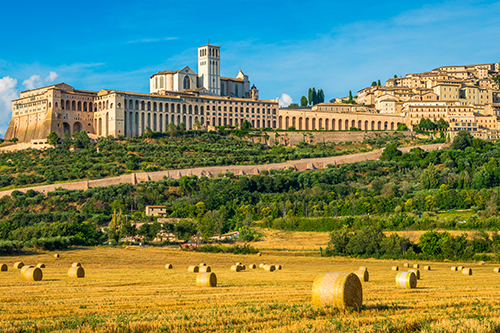
Embarking on a journey through the heart of Italy unveils a tapestry of enchanting villages, each with its unique charm and timeless allure. In the picturesque region of Umbria, where medieval streets wind through rolling hills and historic architecture stand as a testament to centuries past, the quest for the most beautiful villages becomes a captivating odyssey.  Below, we have found the hidden gems, the quaint corners, and the cultural treasures that define the most enchanting villages to visit in Umbria! 1. AssisiAn idyllic view of the hilltop village of Assisi East of Perugia lies the hilltop town of Assisi, the birthplace of Saint Francis, the patron saint of animals and the environment. Its must-see Basilica di San Francesco, constructed between 1228 and 1253, is a significant Christian pilgrimage site. Assisi also has the well-preserved Roman Temple of Minerva from the 1st century for those who’d like to venture into ancient times! Not only that, this UNESCO World Heritage site with stunning medieval architecture, narrow streets, and panoramic views is also quite the charmer for nature lovers with the nearby Mount Subasio Regional Park serving as a beautiful retreat.  2. PerugiaThe beautiful Piazza IV Novembre of Perugia The regional capital, Perugia, with its historical sites, medieval alleys, and vibrant cultural scene lures into a rich history dating back to Etruscan times. Explore impressive Renaissance architecture in its piazzas, discover intriguing medieval lanes, and uncover Etruscan ruins beneath the cathedral. July brings the vibrant Jazz Festival, filling the streets with music, meanwhile, the Perugina chocolate factory, producer of delicious Baci chocolates, is a year-round favourite of tourists. Ideally, you should allow at least three days to fully enjoy the city! 3. Orvieto The iconic duomo of Orvieto on a crisp, sunny day Known for its impressive Duomo (Cathedral) and well-preserved medieval centre, Orvieto sits atop a volcanic cliff and offers breathtaking views of the surrounding countryside. Book a tour of Orvieto Underground to discover the fascinating history of kilometres of tunnels beneath the city. Alternatively, visit the impressive cathedral, marvel at the Pozzo della Cava, a 36-meter-deep Etruscan well, and descend the 248 steps of the Pozzo di San Patrizio, a 54-meter-deep well.  Easily accessible by train from Rome in one hour or by car with ample parking, Orvieto can be explored in a day, but two days allow for a more relaxed experience. Also, don't miss a fantastic pizza at Piazza del Popolo. 4.  Spello An atmospheric alley of Spello to spend your afternoon A charming hilltop town with medieval streets adorned with flowers, Spello is often considered one of the most picturesque places in Umbria with diverse experiences that pique curiosity. In Spello, wander through its floral alleyways, admire its churches, and enjoy stunning Umbrian vistas. Art enthusiasts shouldn't miss the Baglioni Chapel in the Collegiata di Santa Maria Maggiore and the Infloriata festival in June that transforms streets into floral carpets. The town also offers excellent restaurants like La Cantina di Spello, showcasing local delicacies such as black truffles, olive oils, Chianina beef, and wild boar. Editor’s tip: Make Spello the base for your Umbrian trip as it is easily accessible by train! 5. Gubbio  An alluring view of the historic buildings of Gubbio As one of Umbria's oldest medieval settlements, Gubbio has preserved its original appearance and is known for its historic centre, the Palazzo dei Consoli and the annual Corsa dei Ceri festival. The town is quietly surrounded by countryside and ancient woodland, with the Piazza Grande offering stunning views of the valley and showcasing historic buildings like Palazzo dei Consoli and Palazzo Pretorio, as well as the Duomo and the Church of San Francesco. Gubbio is also known for hosting the world's largest Christmas tree during the holidays!  Gubbio is perfect for a day trip accessible by car, train, or bus from Perugia and Rome. Editor’s tip: Indulge in Umbrian cuisine, including legume soup and strangozzi with meat sauce. 6. MontefalcoThe autumn-like beauty of the Mantefalco Sagrantino Vineyards Considered the “Balcony of Umbria”, Montefalco is surrounded by vineyards and is renowned for its wines such as Sagrantino di Montefalco and Montefalco Rosso, as well as panoramic views of the Umbrian countryside between Perugia and Spoleto. The well-preserved medieval center with ancient walls and towers includes highlights like the circular Piazza del Comune with key buildings like Palazzo Comunale, Teatro Comunale, and Oratorio di Santa Maria di Platea. The Church-Museum of San Francesco houses a significant fresco cycle by Benozzo Gozzoli, while other attractions include medieval walls, Sant'Agostino gate, churches, and the Castle of Fabbri with an archaeological crypt! 7.  TodiMarvel at the octagonal architectural expertise of Tempio di Santa Maria della Consolazione Todi's well-preserved medieval centre leads you into a world of typical architectural structures like the Piazza del Popolo and the Tempio di Santa Maria della Consolazione. Perched on a hilltop above the River Tiber, Todi is by visitors for its authentic charm and limited tourist impact where you can experience genuine Umbrian life and savour earthy flavours like a slow-cooked pigeon with a delightful dry white wine. Todi also serves as an ideal base to explore neighbouring Umbrian gems, with Montefalco and Perugia, which are just a short drive away. 8. Bevagna Feel the olden days come alive at Mercato dei Consoli A small medieval town known for its virtually intact Roman and medieval architecture, Bevagna is the perfect stop for reliving the old times. The town is home to the former church of Madonna delle Neve, ancient thermal baths, Piazza Silvestri, Palazzo dei Consoli, and churches like San Silvestro and San Michele Arcangelo. It also plays host to the Mercato delle Gaite, a historical reenactment festival recreating medieval village life every June. To top it all Bevagna has a well-preserved historical center with charming alleyways attracting visitors since the Grand Tour era.  9. Città di CastelloThe grandiose cathedral of Città di Castello Located in the northern part of Umbria, Città di Castello, a medieval gem on the Tiber, has a mix of Renaissance and medieval architecture, including the Palazzo Comunale and the Cathedral of San Florido. Its historic core is made up of cobbled streets and hidden churches, and features the Palazzo Vitelli alla Cannoniera, a 16th-century palace turned art gallery, showcasing exceptional works by Renaissance artists like Raphael and Luca Signorelli! 10.  Castiglione del Lago The brilliant blue waters of Lake Trasimeno visible from Castiglione del Lago Nestled on the shores of Lake Trasimeno where Umbria meets Tuscany, Castiglione del Lago is famed for its 13th-century Castello del Leone offering stunning views. The town is also ideal for exploring several other water's-edge villages and tranquil islands, notably Isola Polvese with its historic Church of San Guiliano and the beautiful Garden of Aquatic Plants. Every spring, the Coloriamo i Cieli Festival transforms the skies with colourful kites and hot-air balloons above Castiglione del Lago.  Want to start making plans for your travels through the "Green Heart of Italy" ? Book your tranquil Umbrian retreat here! Before you go… More information and FAQs to make your travel easier around Umbria! Is it worth going to Umbria? Despite its relatively small size, the region offers a wealth of exploration opportunities including some top spots from our list such as Assisi, Orvieto, Lake Trasimeno, Montefalco area and Monte Subasio Regional Park. Plus, Umbria’s location in Central Italy, approximately midway between Rome and Florence, makes it quite an accessible destination even from Tuscany. From Rome, it’s about a 2-hour drive north whilst it’s a much longer 5-hour drive south from Milan. Florence to Perugia is likewise around a 2-hour drive, trains are also available.  Which is better, Umbria or Tuscany? Tuscany is renowned for its iconic city centres, while Umbria offers a more immersive Italian experience. Although Tuscany has better-known small towns, Umbria provides ample opportunities to escape crowds in the region often referred to as Italy's "green heart." The less-discovered charm of Umbria makes it an ideal destination for those seeking a more tranquil and authentic Italian experience. How many days do you need in Umbria? Umbria's compact size makes it an ideal destination for a long weekend break. In three days, you can explore a couple of the region's beautiful hilltop towns while leaving ample time to indulge in the delicious Umbrian food and wine. However, if you are planning to see more towns and villages, you should consider booking at least one week. Where is the best base to explore Umbria? Perugia is the most convenient city for basing yourself when exploring Umbria. As the capital, largest city, and transportation hub of the region, Perugia provides easy access to trains and buses connecting to other towns in Umbria. The city also offers a variety of accommodation options, including hotels and vacation rental apartments, making it a practical and comfortable choice for your stay in the region.  If you want something more in the countryside, Spello, a stunning hill town in Umbria, is not just a popular day trip destination but also an excellent base for exploring the region. Easily accessible by train, with a short ten-minute walk from the station to the town, it offers a convenient travel option.  If hilltop towns aren't your preference, Bevagna is an excellent alternative. Conveniently located, Bevagna serves as a strategic base for exploring nearby attractions such as Spello, Perugia, Montefalco, and Assisi, especially if you have a car.  How do you get around Umbria without a car? In Umbria, public transportation is limited, with train lines connecting Perugia to popular towns like Assisi and Spello, and local buses covering the rest of the network. For exploring remote villages, especially those not serviced by public transit, having personal transportation like a car is recommended for flexibility. Parking outside medieval towns is necessary, and solo travellers may consider mopeds for day trips, though they are not allowed on highways.  Planning your itinerary is key to navigating public transportation in Umbria. Check the list of towns served by the regional train service and the timetables. Additionally, examine the schedules of regional buses from stations to towns, as well as connections between different towns. With thorough planning, you can make the most of the available transportation options and ensure a smooth and enjoyable journey through the picturesque region of Umbria. The Umbria GO pass offers a convenient solution, providing access to (sub)urban buses, trains, and the Lake Trasimeno ferry, with options for 1 to 30 days. Prices start at €15 and go up to €120. The pass can be purchased at Trenitalia or Busitalia ticket offices, though information on select sales points is primarily in Italian. Buon viaggio! 

Hiking in Liguria: 4 routes to enjoy in or under 4 hours

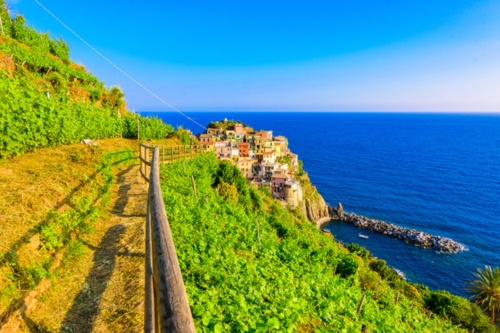
A land immortalised by the likes of Claude Monet, Lord Byron and Dante, Liguria’s stunning beauty and its picturesque location are hardly a secret. The Ligurian region, home to alluring UNESCO sites like Porto Venere and the famous Cinque Terre, is characterised by a dramatic cliffside location, colourful coastal villages and the wide expanse of the Mediterranean Sea, making it a popular tourist attraction in Italy. Therefore, it comes as no surprise that this region is also a great avenue for lovers of hiking and trekking. Aerial view of Cinque Terre’s Vernazza, one of the “Most Beautiful Villages in Italy”  Trekking routes in Liguria generally range from longer treks (between 7-8 hours) to much shorter ones (1.5-4 hours), with varying levels of difficulty, routes and experiences. But all of them wind through Liguria’s history and the beautiful seacoast, almost always around! In our blog, we have rounded up 4 hiking excursions in Liguria that you can complete in or under 4 hours, without compromising on the beauty and versatility of the region! Porto Venere to Riomaggiore - The Gulf of Poets Hike  The stunning Church of S.Pietro in PortovenereAlmost 12 km long, the hiking route on the Gulf of Poets is a challenging one and winds through the beautiful natural park called Cinque Terre Nature Park. The route, also called Sentiero dell’Infinito, begins at Piazza Basteri in Porto Venere, the town adored by the famous English poet, Lord Byron, and ends in the famous Cinque Terre village of Riomaggiore.  Starting from the piazza, the stone staircase leads you to the Doria Castle, the oldest fortification in Liguria which is also the only Genoese architecture left in the region. From there, you also get a glimpse of Palmaria Island, one of the biggest in the Gulf of Spezia, and the sea view accompanies you thereafter.  The next part of the trek goes through Campiglia, from where the hike route once again climbs upwards to Colle Telegrafo (the highest point of the trek). However, after this, the route starts to descend and stretches through the Sanctuary of Nostra Madonna di Montenero before ending in Riomaggiore dotted with cosy cafes, seaside bars and restaurants serving delicious Ligurian Cuisine. Tip: For some breathtaking cliffside aperitifs or meals, the Bar e Vini a Pié de Ma is ideal. Time: 3-4 hours Suitable for: Fit hikers used to hiking routes with climbs The Borgio Verezzi Route in Liguria di Ponente Borgio Verezzi - Valdeminio caves, one of the most coloured caves in the world A route for all ages and seasons; the Borgio Verezzi Route in Liguria will suit hiking beginners. The route starts from Passeggiata Livello Borgio in Borgio Verezzi and crosses areas of multiple architectural and natural beauty before ending in the mythical Valdemino Caves (Caves of Verezzi), which opened to the public just 50 years ago. In between, the route is sprinkled with many interesting spots like the ancient Church of San Martino, Sanctuary of Maria Regina and Mulino Fenicio (a typical old Phoenician mill with blades inside the structure instead of outside as in common windmills). Time: 4-5 hours, depending on your speedSuitable for: All ages and levels of hikers 3. The Abbey of San Fruttuoso di Camogli San Fruttuoso Abbey panorama and beach in Portofino, LiguriaNow turned into a sombre sight with crystal waters washing its shore, the Abbey of San Fruttuoso can only be reached by sea or on foot. The Abbey route has multiple departure points making it suitable for tourists in Portofino, Punta Chiappa, Camogli and San Rocco. The shortest route, however, starts from the village of San Rocco, close to Camogli, and leads through a path of narrow stone divided into two routes: the shorter inland route and the longer sea-view route. The inland route starts at the Church of San Rocco, from a single red circle and meanders through the woods of the Portofino National Park till Gaixella, from where you can walk on the equipped path leading to the abbey. The longer route also starts from the Church of San Rocco but winds along the sea; it starts from the 2 red filled-in circles and is ideal for experienced hikers. After a dip in the water, when relaxation fills the mood, you can easily take a boat back to the charming seaside village of Camogli. It is recommended to check the ferry times from Camogli to San Fruttuoso and back in advance. Time: 2.5 hours (from San Rocco) Suitable for: All levels of hikers depending on the route.  4.  The Sestri Levante Hike in Punta Manara 

Our full guide to the Milky Way Ski Resorts

With the autumn days giving way to winter, the ski season is finally here. And what better place to try your ski moves than on the stunning 400 km ski network of the Milky Way (called Vialattea in Italian) straddling the Italian-French borders? Offering powder pistes for all abilities, from beginners to pros and night skiers, the Milky Way slopes’ picturesque tree-lined pistes and cross-country skiing is bound to suit all ski lovers.The famous ski network is easily reached from the Turin airport and is made up of 7 different ski resorts, with their own vibe, characteristic beauty and fun things to do. The resort villages consist of Sestriere, Claviere, Pragelato, San Sicario, Sauze d’Oulx and Cesana in Italy and Montgenèvre in France. Each resort is family-friendly and one can choose from a number of activities, both on and off-the-ski slopes.So without any further delay let us ski right into the Milky Way Ski Resorts and help you plan your perfect ski vacation this year!Experience the best slopesSestriereWith a good elevation of 2035 m altitude, Sestriere is one of the snow-sure ski resorts in the network. It is best for strong, intermediate and advanced skiers, thanks to its extra challenging ski trails. The resort also offers the option of night skiing; the Giovanni Alberto Agnelli run is the perfect example to test your skiing skills when the night falls and the adventure quotient increases multifold.For those looking for competitive practice on the Sestriere ski area, the snow pistes provide excellent ground having hosted the Alpine Ski World Cup often and the Winter Olympics and Paralympic games in 2006.The efficient cable car system at SestriereOff the ski-slope activity: One of the best outdoor activities in Sestriere is "the husky experience". To fully enjoy the experience, you have to train with a professional instructor to actually control and ride the sled dog yourself! And it is not complicated or intimidating to learn either since children and adults both can enjoy this fun winter sport.Sauze d’OulxThe resort with epic après-ski sessions, Sauze d’Oulx, is the life of the party in the entire network of ski resorts. From buzzing bars to dusk-till-dawn parties, the resort caters especially to the young population. But this is not to say that that is all there is to Sauze d’Oulx. The resort also has a traditional village centre for an authentic experience and family-run restaurants with delicious local food. Added bonus of the resort is that it is one of the cheapest around and is located at a decent altitude of 1600 m.Off the ski-slope activity: The picturesque 3-hour-long trail from Sauze to Laune Lake (in Parco del Gran Bosco di Salbertrand) is perfect for those in search of fantastic alpine views and reconnection with nature. San SicarioIf you want to have the best of both worlds, that is, challenging slopes and crazy after-ski sessions, then San Sicario is perfect as it is located between Sestriere and Sauze d’Oulx. The Italian ski resort has an altitude of 1473 m, 11 ski lifts, and offers nursery slopes as well as technically challenging black runs to cater to all abilities. The resort also has 7 km of cross-country trails and was the site of the downhill runs from Mt. Fraiteve in the 2006 Winter Olympics!Off the ski-slope activity: Other winter sports like snowmobiling, snow-shoeing and ice skating can be enjoyed at San Sicario.Enjoy snowmobiling off the ski slopesCesana TorineseLess than a 10-minute drive from San Sicario, Cesana attracts skiers who appreciate the peace, tranquillity and all-engulfing natural beauty of the alps. This is also one of the main reasons that this Milky Way ski resort is popular among families. The resort has an elevation gain of 1350 m and new 8-seater gondola lifts for ultimate moments of fun and togetherness. It has easy connections to Sestriere/Sansicario and Claviere/Montgenèvre.An aerial view of Cesana Torinese villageOff the ski-slope activity: Cesana is popular for alpine hiking and trekking.PragelatoPragelato enjoys a decent elevation of 1580 m and it is one of those resorts that’s great for doing something more than just skiing. Alpine lakes and natural parks in Pragelato offer an unparalleled introduction to the beauty and indigenous species of the area. At the Orsiera Natural Reserve, which is located at an elevation of 1400 m, you will find plenty of regional flora, and fauna as well as old military buildings to explore. While at the Parco Naturale Val Troncea, hikers can enliven their experience by discovering the various interconnected hikes between the hamlets of Laval, Sentes, Troncea, Jussand and Alpe Mei.The beautiful snow-laden landscape of Val Troncea, PragelatoOff the ski slope activity: For those interested in seeing mouflons in their natural habitat, the Lakes of Cristalliera are the perfect place.ClaviereArguably the oldest ski resort in Italy, Claviere sits at an elevation of 1750 m. It is located near the French border, around 80 km from Turin. Claviere is ideal to spend a relaxing holiday as the resort centre has its own characteristic charm that is worth exploring on a calm winter day, as well as nice bars to grab a beer or two. The ski slopes are ideal for beginners and intermediate skiers, making Claviere perfect for those coming with their little ones.The breathtaking Tibetano Cesana-Claviere bridgeOff the ski slope activity: Try fusion cuisine, a mix of Italian and French, with a delicious glass of vino caldo.MontgenèvreThe only French resort in the Milky Way ski area, Montgenèvre is the smallest and the cheapest resort in the network. But this is not to say that it is by any means less fun: the resort has amazing heliskiing opportunities to enjoy from the 3000mt high peaks of Dormillouse, Terranera and Claus.Off the ski slope activity: Make sure you grab some delicious alpine French cuisine. We recommend the Savoy Tartiflette, a heartwarming experience on a platter that is perfect for cold winter days.A traditional and warm French tartifletteReady to ski off in the Milky Way? Browse the best holiday homes in the area and fix your plans right away.Want to explore more options? Check out exciting ski resorts like Lake Garda, Livigno, Lake Maggiore and Mont Blanc.

Our latest top 8 pet-friendly vacation rentals!

Planning for a long family holiday, but haven't been able to find pet-friendly apartments or holiday homes yet? Don’t worry, we have the perfect solution for you. With desirable amenities for a carefree stay with your pooches, our latest pet-friendly holiday rentals will certainly fit the description of your dream holiday.So, read on and find out your most suited, pet-friendly rentals among our latest homes across holiday destinations in Europe!1. Gioie sul Garda: Pet-Friendly Rentals on Lake Garda Situated just a few minutes from the lake, our newest range of pet-friendly apartments in Peschiera del Garda spell an uninterrupted, fun and carefree holiday. The twin holiday apartments are air-conditioned to enjoy a year-round vacation and offer private parking, a massive shared garden with BBQ, and next-door essential services for a comfortable stay.Let your buddy run free at our home’s big garden in PeschieraPeschiera is a super attractive destination for families with children and pets, with many beaches and lidos to enjoy with your dogs on Lake Garda: the closest dog-friendly beach, Braccobaldo, is just 5-minutes away from the apartments! Plus, the renowned theme parks, Gardaland and Caneva Movieland-Aqualand, are also within easy driving distance; Gardaland even allows your pets in as long as they are kept on a leash, and if need be, then muzzled for the safety of all.  2.Chamonix Sud Apartment: Pet-friendly holiday rentals in Mont Blanc, FranceNestled in the centre of Chamonix, in proximity to the famous Aiguille du Midi ski lift, our cosy and pet-friendly apartment is what carefree vacations are made of. The apartment has a stunning mountain view to soak from its sunny balcony, and there is everything you would need for an effortless self-catered stay, including ski storage and free Wi-Fi. Be it winter or summer, your pet will always have fun at the Mont Blanc! The apartment’s location is perfect for enjoying the best of the Chamonix Valley, especially for those coming with their little ones, both human and pawed. The Chamonix Adventure Park, Domaine des Planards, is just a 20-minute walk away. There is also a free, pet-friendly park, Paradis des Praz, where children can enjoy pony rides and climbing obstacles, and the furry ones can take leisurely walks! The stunning beauty spot, Lac Blanc, is nearby too, and ideal for families and those looking for pet-friendly hiking trails in Chamonix.Tip: If you are thinking of coming with bigger groups, then Chamonix is full of pet-friendly vacation rentals!3. Teleo Apartments: Pet-Friendly Holiday Rentals in PiedmontWith the ski season around the corner, neither should you miss out on the amazing Milky Way slopes in Sestriere (made of Sauze d’Oulx, Pragelato, Claviere, Cesana Torinese and San Sicario, and Montgenèvre) nor should your pet! The snow-clad Milky Way slopes of SestriereWith our collection of 8 pet-friendly apartments in all; small, medium and even large groups can capture the perfect ski break. All our apartments have ski storage, and the Milky Way (Via Lattea) slopes are just next door, making these rentals the perfect base to experience the powder pistes of the most popular Piedmontese ski region!4. San Venanzo: Pet-Friendly holiday apartments in UmbriaAlong with providing a sumptuous rustic estate to indulge in the slow-paced farm life with friends and family, our apartment complex in San Venanzo is perfect for vacations with pets in Umbria.The green carpet of nature surrounding the San Venanzo holiday homes in UmbriaThe Santa Maria Complex is set in the green heart of Italy and provides a one-of-a-kind stay with big, open spaces, away from the city and into the tranquillity of agricultural life. Plus, with tons of recreational amenities like swimming pools, on-site restaurants, bars and a pizzeria, your stay here is bound to be sweeter than any other.5. Pannonian Villas: Pet-friendly Holiday Rentals in SloveniaWith the pandemic just over, nature is calling travellers with a force greater than ever. The rejuvenating bio thermal pool and the shared garden of the Pannonian Village The Pannonian Village offers a wide range of pet-friendly rentals in Slovenia for those who want to re-immerse themselves in a life enveloped in nature. The holiday rental is a natural settlement of 5 apartments, with a bio thermal pool with sun beds and a huge common garden. Not only that, its location in the Pomurje region makes it a convenient starting point to discover Slovenia: from thermal spas (the closest one is just a 5-minute drive) to tourist farms, biking trails, castles, delicious Slovenian wine, the region is a magical combination of all things peaceful, rejuvenating and authentically Slovenian!6. Analipsi Villas: Holiday villas for pets in Kastro-Kyllini, GreeceIf there was ever a pet-friendly getaway, it is our Analipsi Villas on the Kyllini Peninsula, Greece. The holiday getaway, with its very own dog-friendly private beach – Analipsi Beach – with wooden decks, sunbeds and the crystal clear waters of the Ionian sea completes the perfect Greek vacation. Greece and its super pet-friendly atmosphereEvery rental at Analipsi Villas is a single-level, independent villa suitable for up to 5 guests. For those looking forward to a grand reunion, there are 8 equally equipped, family-friendly villas to choose from. The kitchens of the rentals are also fully-equipped for an effortless stay. There are three BBQs, a beach bar for splurging, as well as a shared garden for some extra running around for your furry mate. You can unwind with your pawed friends without hesitation if your dog is leashed and you bring their passport.Tip: While at Kastro Kyllini, don’t miss out on the healing thermal springs of Kyllini or Loutra Kyllini!7. Holiday Treehouse: Our pet-friendly rental in Lika-Senj, CroatiaPet owners, you have reached your pet’s real paradise—Croatia! Our all-wood, dog-friendly TreeHouse lies in the embrace of nature and allows ultimate relaxation. With a shared garden lined with trees, open-air dining with BBQ, and a hot tub to soak in, both your nerves and your little companion will thank you at this holiday retreat. The sun-bathed, two-bedroom Treehouse is located within a 45-minute drive of Mala Plješivica - Gola Plješivica and Paklenica National Park, two of the most pet-friendly trails in Lika-Senj county. But if you are still looking for a reason to pack your bags and head here, then consider that the apartment is only an hour’s drive from Zadar and 30 minutes from the Adriatic Coast, which directly connects to the Island of Krk!Fun on the coast with your furry friendsTip: A must-visit for those staying on the coast is the award-winning Podvorska Beach with the super pet-friendly Monty’s Beach and Bar. Want bigger accommodations to enjoy with a large group or family? Check out our pet-friendly villas in Croatia!8. Apartment La Cala: Dog-friendly holiday lets in Spain!Why not let your furry friend experience a luxurious holiday with you? At Apartment La Cala, fun and a luxe holiday experience come together seamlessly. Our modern balcony apartment has a shared pool for classic summer fun and a large garden to run wild and free. Well, not literally. But the air-conditioned apartment’s spacious outdoors– with a children’s playground and an enclosed common garden–allow enough space for everyone to relax. Our luxurious pet-friendly apartment, La Cala, in Costa del SolFor other dog-friendly places around Marbella, there are restaurants like Palms Beach Bar Marbella. Even Málaga is pretty pet-friendly with little mandates that you would need to follow in public transport. Meanwhile, timeless beach fun at El Castillo in Fuengirola and Benalcan in Benalmádena, some of the best pet-friendly beaches on Costa del Sol, are also easily reached from our equally pet-friendly apartment in Mijas Costa! Plan to hop to different destinations on your holiday? Check out our amazing holiday rentals dotted on the entire coast that welcome pets!We understand that travel with pets can be quite a handful. But with all our pet-friendly rentals, you at least wouldn’t have to worry about finding pet-friendly rental homes in Europe!

European Easter Traditions Worth Planning a Family Holiday!

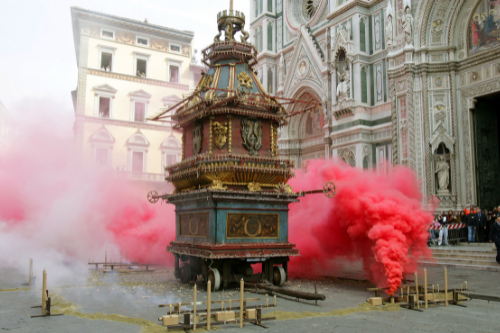
Most holidays are well-spent if they are spent in the loving warmth of family. Therefore, with Easter just a little more than a month away, we are bringing to you some of the most amazing Easter traditions from around Europe to enjoy with your loved ones.So read on and get ready to have a delightful Easter 2023 in Europe!  Italian Easter traditions: Fireworks, processions and personalised Easter eggs If you find yourself holidaying in the Tuscan region, then don’t miss a chance to visit Florence and see ‘The explosion of the cart’ at the Duomo. In this famous Easter tradition, called Scoppio del Carro in Italian, a turret called Brindellone is put on a cart. The cart is then pulled by white oxen through the entire city. Once the cart reaches the Duomo, a pyrotechnic dove is let off from the altar, which lights the turret on the cart, leading to a burst – if the dove comes back safely, it symbolizes a year of prosperity! The Explosion of the Cart in Florence, with Brindellone on top Another famous tradition known all over the world and celebrated in Sulmona, Abruzzo,  is the Easter Meeting, better known as La Madonna che scappa in Piazza. In this tradition, the statue of the Madonna is raced to that of the risen Christ in an emotional meeting of the mother and the son – an unmissable spectacle for those celebrating Easter in Italy!  In Sicily, you will be able to see several suggestive parades: the Real Maestranza in Caltanissetta, a historical association of craftsmen united in a town association that plays a prominent role during the religious festivals; the Processione dei Misteri in Trapani, which is a parade of sculptures representing biblical scenes; and the celebrations in Prizzi and Adrano, some fun eighteenth-century traditions mixing the sacred with the profane.The Processione dei Misteri di Trapani, Sicily Tip: Prolong your stay in Sicily and enjoy a tour around its ‘lost-in-time' baroque towns and gorgeous beaches. What are waiting for? Book one of our holiday homes in Italy Spanish Easter traditions: Death Dances and Parades Death Dances may seem a little spooky at first, but in Verges (Girona), this Easter tradition is participated in by both adults and children. The main spectacle called The Procession of Verges takes place on Maundy Thursday or Holy Thursday, whereas the one with children happens on Easter day. On both days, the Dance of Death is re-enacted the same way: with skeleton costumes, ash boxes, the theatrical depiction of Christs’ passion, and the perfect background setting of the medieval old town centre of Verges! The spooky Dance of Death in Verges Easter in Spain is also celebrated with a number of grand processions. These parades happen in almost every city and town but the most famous of them all are the parades of Seville. In Seville, people dress up as traditional characters known as costaleros and nazarenos in the parades that bring together a crowd of anywhere close to 50,000 people!A “pasos" carried by the Costaleros during the Holy week in Seville Enjoy these amazing events close to Costa del Sol. Book your holiday homes in Spain! French Easter traditions: Spring Easter and Egg Hunts With flowers blooming and the Spring weather at its best, Egg Hunting has to be that one perfect tradition that you can enjoy in almost every part of France with your family.Egg hunts and wholesome family fun, a common Easter tradition in France Egg hunting has the most interesting backstory in France, wherein instead of an Easter bunny, the eggs are thought to be hidden by flying bells! According to general belief, when the bells of all churches are silenced in the three days leading up to Easter, they are thought to fly off to the Pope in Rome for blessing. So when the bells return, they bring back Easter eggs with them and hide them in the garden of houses leading to the tradition of numerous egg hunts throughout France! Do you want to take part to one of these fun egg hunts? Book your holiday home in France and get ready, set and go when les cloches sont passées! (the bells have come!)Enjoy the cosy spring weather in Chamonix in our lovely chalet Tré La Vieux (Property ID: 3287)Croatian Easter Traditions: Easter feasts and traditional dances In Dalmatia, people wear traditional costumes, sing ancient hymns and dance together around a fire to celebrate Easter: one of these typical dances is called Kolo (circle dance), a unique performance that brings people together! Another popular Easter tradition is gifting painted easter eggs (pisanice) to your family and close ones as a symbol of life. Painted Easter eggs gifted by Croatians to their loved ones But no celebration is complete without food. As part of its delectable Easter feast, Croatia serves up on its Easter menu: coloured eggs, spring onions, horseradish, French salads, traditional cakes, and special homemade bread and ham!  But, you can keep feasting in Croatia any time of the year. To get a taste, read our tempting blog on typical Croatian dishes or scroll down a little as we leave you with a virtual taste of the sumptuous Gibanica - a crisp layered pastry with poppy, walnuts, cheese, and carob. Deliciously layered Croatian Easter dessert, Gibanica Taste the delicious Croatian food and enjoy the sunny spring weather. Book your holiday home! Greek Easter traditions: Smashing Pottery and red Easter Eggs Easter in Greece is usually celebrated one week later than the rest of Europe as it follows the orthodox Julian Calendar. But like the rest of the countries, Greece brings in the joy of Easter with its unique traditions. On Corfu, festive time attracts thousands of Greek as well as international spectators to witness the tradition of smashing pottery.Smashed pottery in the street of Corfu A tradition to bring in new hope, smashing pottery in Corfu probably has Italian origins. But on the island, even though the custom was adapted for Easter celebrations, people do not share the same belief of the “smash” bringing in the new year as the Italians do.  So stay off the streets or join in the fun on Holy Saturday as people start throwing red-painted pottery from their balconies at noon and the spectators pick up its pieces as a good luck charm! Tip: Don’t forget to try the ‘red eggs’, painted with organic red ink to depict the blood of Christ. The famous Easter red eggs typical of Greece and the Balkan regionsEnjoy the warm spring and Easter in Greece! Book one of our holiday homes. Swiss Easter traditions: Easter tree and egg smashing The home of chocolate has various traditions surrounding Easter and eggs, but not necessarily chocolate eggs.  From common activities such as egg hunting and decorating Easter eggs to other exquisitely Swiss activities common in almost every canton, Easter in Switzerland is pure family fun.  The lovely Easter Tree, a Swiss tradition that will make children happy Among the most interesting traditions is the Easter Tree, which symbolises the arrival of spring. The tree is made using cut sprigs decorated with coloured eggs. Two other fun activities for adults and children are Eiertutschen and Zwanzgerle. Eiertutschen means 'Egg smash' and consists of breaking the opponent's egg without breaking one's own, the winner will eat the egg. Zwanzgerle is played on Easter Monday: it is usually the adults who try to break their children's egg using a coin. If the adult fails, the child wins the coin! Tip: Try Osterfladen, traditional Easter rice tarts resembling the French Gâteau de Pâques (French), to complete your experience of a very Swiss Easter.The mouthwatering Osterfladen, a typical Easter tart made of rice Want to discover more Swiss Easter traditions? Book one of our holiday homes and discover them for yourself. So where are you and your family heading for Easter?

European New Year Traditions that you must try

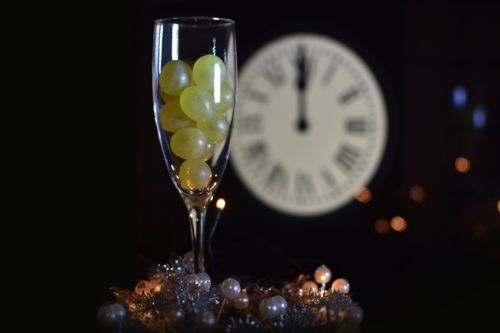
Unique New Year’s traditions from Europe that will be fun additions to your celebrations and double as great party games on your next getaway anywhere! So read on and try something different this New Year! Spanish New Year's Traditions: Gobble them Grapes The twelve grapes of luck The Spanish celebrate the start of the year with Las Doce Uvas de la Suerte or the 12 grapes of luck. According to this tradition, on New Year’s Eve or nochevieja, when the clock strikes 12, you munch on a grape with every toll of the bell to bring in good luck for the rest of the year. But this is not it – to seal in the luck, you must finish eating all the grapes before the final toll! Now there is a fun party game for everyone to enjoy. You can also celebrate this tradition with other food items to increase the challenge. Try it by giving a traditional French twist with a stack of pancakes or a Netherlandish turn by gobbling on anything ring-shaped! Celebrate a very Spanish new year with these amazing holiday retreats in Spain! Italian New Year's Traditions: Tombola and red underwear Will Tombola tell your fortune for the year? A popular new year’s tradition in Italy is to play Tombola, with a chance to win exciting prizes and sometimes even cash money.  In this game, tickets with random numbers from 1-90 are given out to everyone in the party. A host then extracts numbers, again randomly, which the players must cross out one by one. Whoever cuts out all the numbers on their tickets first, wins the prize – certainly an extra motivation to try this tradition. And don’t forget to wear red underwear. Italians think it will bring good luck in the next year! Bring in the new year in Italy with the best holiday homes in the country! Greek New Year's Traditions: Smash and pop pomegranates More seeds mean more luck in Greece! Greece, one of the oldest civilizations on Earth perhaps has the most fascinating new year’s tradition, wherein the Greeks start the year by smashing pomegranates on the ground called Kalo Podariko. And the more seeds jump out of the fruit, the more luck it is supposed to bring you! But we don’t want you to waste precious food in a game, so maybe you can find some innovative idea to try this tradition, perhaps use a piñata full of little coloured balls? Anyway, more sustainable tradition is to gamble all night long! Whether it’s a card game or a dice game, if you win, it’s thought to bring you luck for the year and at the same time you’ve made some extra cash. If you're planning to start a family, hanging onions outside your door, could bring you luck for the next year! Celebrate the traditions in Greece? Find fabulous holiday homes for friends and family! Belgium New Year's Traditions: New Year Messages In Belgium, children continue their letter writing from the Christmas season, only this time it is to the other family members rather than Santa Claus. Children write these letters to wish the elders the season's greetings and tell them that they will be good in the new year. In Belgium, children write Christmas letters to family members But can this be a fun party game? Totally! To turn this solemn tradition into an exciting game, everybody can write messages anonymously for the people present in the party and, at the end, everyone must guess from whom the message is! Who knows you might find your secret admirer? Want to authentically enjoy the traditions? Book your holiday home in Belgium now. Hungarian New Year's Traditions: Telling Fortune inside Dumplings As most of Eastern Europeans, Hungarians can be quite superstitious too! On New Year’s Eve or ‘Szilveszter’ it’s very common to make noises to scare off the evil spirits.  Another fun tradition for girls (and why not for boys too!) is to put pieces of paper with the names of potential fiancées written on them inside 12 dumplings plus an empty one. The first dumpling to rise to the top of the water during cooking is going to contain the name of their future spouse. If it is the empty dumpling, then she is expected to be single for the entire year. Ouch! Are you curious to know who would be your spouse? Live the traditions in the country, book your holiday home in Hungary! French New Year's Traditions: Dress up and Kiss under the mistletoe The French often dress up to celebrate New Year's Eve, and the expression "se mettre sur son 31" reflects this tradition. This expression literally means "dress up like it's December 31st," and it signifies the idea of looking one's best for the occasion. While dressing up isn't mandatory, it's a common practice, and it's a good idea to check with the host or hostess regarding the expected level of formality for the event. The tradition of kissing under the mistletoe on New Year's Eve in France is indeed rooted in history. It's believed to have originated from the Celts, who associated mistletoe with luck and fertility. This tradition has been passed down through the centuries, and it's a charming way for couples to share a special moment as they welcome the new year together. The romantic tradition of kissing under the mistletoe Other customaries are sending New Year’s wishes by greetings cards and giving etrennes, a traditional tip given to the maid, concierge, gardener who take care of their houses, etc. Say Bonjour to the new year in France! Book your holiday getaway now! Read about how other countries celebrate Christmas and New Year! We wish you luck for the new year and for the games!

Alassio: a pearl of Liguria

One of the most popular towns during the summer vacations in beautiful Liguria is Alassio — a tourist resort with natural beauty, tourist attractions, and a spectacular sea. The Alassio beaches with their fine sand are unique and reminiscent of the Adriatic coast. In fact, unlike many other Ligurian destinations, here, the sea water level lowers gradually and not suddenly. But what else can you see besides enjoying the sun on Alassio beaches? Keep reading and you will know!One of the most famous attractions in Alassio is the Muretto di Alassio, in 2007, led to its recognition as the "city of lovers”. Created in 1953 from the idea of two artists; Mario Berrino, a Ligurian painter, and the famous novelist Ernest Hemingway, this wall is adorned with colourful ceramic tiles and the signatures of many famous people.The story of its conception is quite interesting, too. At the time, Berrino was the owner of a bar called Caffè Roma located just in front of the wall, while the English writer was in Liguria to admire the beauty of which he had often heard about. During this time, the two met in the artist's bar and decided to create this well-known muretto. It is also curious how this attraction gave name to the beauty contest — Miss Muretto — that has seen many stars of show business become famous in Alassio. But after several years, this contest was brought to an end by Berrino’s nephew to restore the true essence of the wall.Editor's tip: Enjoy hiking in Liguria with our latest guide to the 4 best routes that can be covered in 4 hours or less!Muretto di Alassio, a slice of Alassio's history from the 20th CenturyAnother place that deserves to be visited is the Gardens of Villa Della Pergola. Its perfect Anglo-Mediterranean style park adjacent to the ancient villa is 22-thousand square meters in size. Here, you can admire and photograph a wide variety of local plants as well as the ones from different parts of the world.  Undoubtedly appreciated by tourists, is the heart of this town (also one of the best Alassio shopping areas) located on the sea; a mix of ancient remains and modernity of the new buildings, where you can find boutiques, cafes, bistros, and more.Mole leading to AlassioSo, are you thinking of soaking up the beaches and architectural beauty of Alassio? Have a peek at one of our best holiday homes in Alassio and Liguria.

A Road Trip on Sorrento Coast

Characterised by a remarkable production of lemons and citrusy fragrance all around, the Sorrentine Coast is perhaps most-renowned for a charming road trip. This beautiful peninsular region has a soothing Mediterranean atmosphere, several seafront towns and a breathtaking location on a promontory that gives the whole region a distinct charm and air.With such alluring ambiance and a picturesque coast sprinkled with small towns and typical villages, the Sorrentine coast becomes perfect for a cruising road trip in Italy.So, let us ride together into the various things to see and do here.Explore this captivating Italian coast lined by Monti Lattari, by starting from Sant’ Agnello. With our best holiday homes located in this characteristic Sorrentine village, you will have no trouble finding a place from where you can head to the lovely Piazza Matteotti.Sant'AgnelloAt the piazza, take out a few moments to stroll around and visit the war memorial by the famous artist Giovanni Nicolini. Next, head to the nearby church dei Santi Prisco e Agnello and take in the beauty of its baroque facade and Gustavo Mancinelli’s work illustrating the Madonna with the infant Jesus at the altar. If you find yourself in time for the holy mass, then stay back a while and take in the lively atmosphere of the choir.From here on, you can directly head to Sorrento by taking Corso Italia, or as it is famously called, the Sorrentina. Sorrento has been welcoming exclusive guests for centuries and has vibrant shopping streets, lip-smacking cuisine including baked gnocchi “alla sorrentina” and Naples pizza, and a highly developed traditional artwork that needs to be taken home as souvenirs.Tip: Take back the world-famous ceramics and intarsio wood furniture of Sorrento, or one of the delicately crafted terracotta sculptures at Marcello Aversa’s Studio d’Arte.  Once you reach Sorrento, make your way to Piazza Tasso, a square dedicated to the famous 16th-century poet, Torquato Tasso. This main square in Sorrento is an ideal starting point to discover just about everything that the city has to offer.But the first thing that should be on your list is the Cathedral of Sorrento, which is worth a visit for its marble altar and pulpit. Then, from the cathedral, you can easily walk to the two main streets of Sorrento that offer exquisite yet totally different shopping experiences!Out of the two, Via San Cesareo offers a very lively atmosphere, souvenir shops and bars, while Corso Italia provides charming walkable streets lined with bigger shops, restaurants and boutiques. In any case, you’ll be able to get a taste of the delicious Limoncello, a specialty liquor made from Sorrentine lemons.Later, stop at the Valley of Mills nestled right behind Piazza Tasso and take a quick peek at this peculiar natural phenomenon that separates the peninsula from the sea. Then continue walking from the piazza towards Marina Grande, where typical Sorrentine cuisine consisting of a vast variety of seafood will invite you out for a nice and filling lunch.Tip: When accompanied by a visit to the sandy beach and the little Chiesa Di Sant’Anna, Marina Grande makes for a nice and distinctive stop on your excursion.Marina GrandeNow, as the evening comes and the heat starts to lessen, go ahead and refresh yourself at Bagni Regina Giovanna (a 10-minutes drive from Piazza Tasso). This captivating hidden cove made of clear waters, villa ruins, and vibrant greenery all around is excellent for swimming, relaxing as well as rejuvenating you for the rest of your trip.Bagni Regina GiovannaThe one thing that should not be missed while exploring the Sorrentine coast are the arresting panoramic views of the gulf. These views can be admired from various locations on the coast, but the most extraordinary one is at Massa Lubrense. Located at about a 20-minutes drive from Sorrento, Massa Lubrense’s ancient creek, Baia di Ieranto, which was once thought to be the home of sirens, now provides the chance of witnessing stunning sunsets over the sea.Baia di IerantoLastly, staying over in a holiday home in Sant’ Agata dei due Golfi is a great way to top off your trip. Here, make a quick visit before or after dinner to the Chiesa di Santa Maria delle Grazie belonging to the 16th-C Florentine School. Combine your visit with a sumptuous and appetizing dinner date with your loved ones at any of the exquisite restaurants ranging from beachfront to traditional family-run to vegetarian-friendly.Additionally, it is really convenient to get to the Amalfi coast from here if you want to continue your trip along the peninsula. Therefore, be it with family or with friends, the Sorrento Coast surely makes for a fulfilling and memorable road trip with the diverse destinations and experience it offers. Feel like relaxing along the coast? Discover our wide range of homes spread across the Sorrentine Peninsula.

Alberobello: The capital of the Trulli

One of the unmissable stops in wonderful Puglia is the "capital" of Trulli in Alberobello. The town owes its worldwide fame to these ancient dwellings, which have been a UNESCO World Heritage Site since 1996.But what is so special about these houses? The answer lies in the past when the landowners forced the peasants who were moving to these areas to build dry dwellings, which were unsafe, though stable. In fact, the trulli are made only of stones, but their round shape and the domed roof made them very resistant, so much so, that they are still quite well-preserved.  Alberobello is a very cosy and welcoming town in Puglia — easily visited in a day, but mostly on foot. So now, let’s see together some points of interest that one should not miss while here!Rione Monti is one of the most characteristic and ancient neighbourhoods. This area is very touristy and preserves more than 1000 trulli; these are just the ones that belong to UNESCO! In addition to admiring the typical stone houses, you can also find several stores where local handicrafts or souvenirs are available. You can even check out the interior of the trulli, with their particular and unique furnishings.  The village Aia Piccola is another very fascinating area of Alberobello. Right here are about 400 trulli — some of these are real, typical hotels — where you can sleep, even just for one night, and have a unique experience. This village, where tourists from all over the world usually stay, owes its name to the act of beating wheat — an ancient activity here. Along with its narrow and characteristic alleys, it is also possible to have a panoramic view of the whole town from the nearby Belvedere di Santa Lucia. Several legends hover around the windowless Siamese trulli, characterised by a stepped structure in rock. They have a very interesting particularity: from the outside, they appear like a single house, but in reality, they are two trulli in one, in fact, they have a double dome. There is a double entrance and, internally, they are two trulli separated from each other and connected by a very old door. Alberobello has very much to offer besides its typical buildings. For those who want to know the traditional products of the area, Museo dell’Olio (Oil Museum) is dedicated to one of the raw materials par excellence of this territory! Also, a stop at a restaurant-Trullo will certainly serve as a unique experience to taste the regional cuisine!

Greenway: a panoramic route on Lake Como

With its undeniable charm, unique views and breathtaking panoramas, Lake Como always manages to amaze visitors. From the historic Como city centre to the villages that line the lakeshore, every corner of the Lario, or Lake Como as it is commonly known, is like a picture painted by nature. For those who love trekking, Como offers many excursions of varying difficulty.  However, they are often not too accessible to those who want to enjoy a relaxing and quiet walk in the middle of nature, especially if you have small children. The Como Greenway is the right compromise for those who want to walk in the open air without excessive fatigue. It is an ideal route for families who want to spend an alternative day, enjoying a wonderful view of the lake. It is also recommended for mountain bike lovers or for those who want to take their four-legged friends with them. In short, it is a walk suitable for everyone!If you want to walk the entire Greenway, it takes about 3.5 hours, while those who want to do only a part of it can choose from several starting points on Lake Como. On the way back, there is no need to be discouraged. You can take the bus or shuttle service or why not even the boat! There is nothing to worry about if tiredness starts setting in. It is a 10-kilometer walk along the western shore of the lake where you can admire ancient villages, villas, churches and charming gardens. There are seven lakeside villagesalong the route, each with its own charm. During the walk, you will enter right into the heart of various historic villages and discover their true essence. Starting from Colonno, you will reach Sala Comacina from where you can continue in the direction of Ossuccio. This route is properly signposted and you can already admire the churches, historic villages and have a priceless view, for example of Comacina Island at this point.  From Ossuccio, which is known for its Sanctuary charming atmosphere and serene lake views, there is a pleasant walk that leads to Lenno, a town also famous for its beautiful Villa Balbianello which can be visited by taking a short diversion along the way. You then reach the village of Mezzegra which offers a unique view of the Bellagio promontory. Walking through the village, among the various points of interest, you will find the Casa dei Presepi, a sort of museum that houses a collection of cribs. Entrance to the museum is free.  Once in the village of Tremezzo, the walk changes as it continues along the lakeside promenade, alongside the Strada Statale Regina. Here, you will encounter several ancient villages, and then arrive in the centre of Tremezzo, a delightful town that is home to Villa Carlotta, famous for its Botanical Garden which is visited by tourists from all over the world.  After this point of interest, you enter the town of Griante, passing through Cadenabbia and its landing stage from where you can take a boat to visit Bellagio or Varenna. The Greenway route takes you through villas, small villages and spectacular views that will leave both young and old speechless. It is a route where nature, ancient villages and breathtaking views come together to create a memorable walk.Discover our holiday homes on Lake Como!     

The Bernina Express Route: Hop on for the most scenic ride

A unique and evocative experience, the Bernina Express Route is one of the world's most scenic train routes, with stunning views of alpine lakes, charming mountain villages, and snow-covered peaks. The train is named after the Bernina Pass and offers an experience that should definitely be tried not only in winter but also in the hottest seasons; for which all you need to do is sit in a cosy wagon and let yourself be carried away by the magic.  The stunning views of Bernina Express passing in Filisur, Switzerland What is the Bernina Express? A UNESCO World Heritage-listed train journey in Switzerland, the Bernina Express extends into Italy, covering a 122km route, 55 tunnels and 196 bridges.  The train is easily recognised from the red colour of the wagon and features panoramic carriages with unobstructed glass windows stretching to the ceiling for stunning views. This journey, along with the Glacier Express and Gotthard Panorama Express, has been categorised as a "panorama trip," tailored for tourists for an exceptional sightseeing experience.  The express combines two historic railway lines, the Albula Railway (completed in 1904) and the Bernina-Bahngesellschaft (opened in 1910), both now managed by Rhaetian Railway (RhB). And it’s essential to note that not all carriages on the Bernina Express are panoramic. What’s the Bernina Express route? The full Bernina Express journey runs year-round between Tirano in Italy and Chur in Switzerland, taking approximately four hours. The route begins in Tirano, a town in Valtellina located not far from the famous Livigno (just over an hour by car), passing through various locations including the Bernina Hospice, which is the summit of the route and then reaching the terminus in Chur, canton of Graubünden.  There's another Bernina Express route from Tirano to St Moritz, a shorter two and half hour journey, available from May 11 to October 27 in 2024, with a few days in December.  Capture amazing winter landscapes from the Bernina Exrpess in SwitzerlandBefore embarking on the Bernina Red Train route, you have two options: Bernina Express: This train offers panoramic carriages. Reserving tickets in advance is necessary for this option. Regional Train: Alternatively, you can choose the regional train that travels the same route. While it lacks panoramic views, its windows can be lowered and will let you to take pictures without the window reflection. With the regional train, you also have the flexibility to make intermediate stops along the way. Bernina Express Route Highlights Once you are seated, the slow speed of the train allows you to admire the view and take memorable photos. Besides, the train’s charm is indisputable not only for the spectacular view but also for the grandeur of this railway line: the highest in Europe that does not use the rack.Waterfall in the Cavaglia Glacial Garden in the stunning Poschiavo Valley, Engadin Cavaglia is one of the most recommended stops. Its giant, 14 metres deep glacial potholes, a natural beauty created by pressurised glacial water over the years, are located in a natural park that will leave adults and children breathless. The recommended period for visiting this natural wonder is from May to October when there is no snow. Another stop where you can take amazing photos is the scenic Alpe Grum, about 2000 meters from the sea level. Opposite the Alpe Grum station, stands the Piz Palù which gives its name to the crystalline lake and the glacier of unique beauty. The Bernina Hospice is definitely worth a stop. About 1,800 meters above the starting point, it is the peak of the entire trip! Several lakes can be seen from here, such as the White Lake, an artificial lake and the Black Lake, a small one of natural origin. In this area, where time seems to have come to a standstill, you can go on various excursions in the summer and ski in the winter. The Bernina Express train travelling along the shore of Lake Bianco (White Lake), Switzerland And for those who love a long hike, the Morteratsch glacier is an enchanting place that can be reached in about two hours on foot. What is the most beautiful part of the Bernina Express? Although, the Bernina Express offers breathtaking scenery throughout its journey, we have rounded up some of the most renowned and stunning sections of the Bernina Express route: 1. The Bernina Pass: This is where the train climbs to its highest point, offering some of the most iconic vistas of snow-capped peaks, rugged terrain, and alpine lakes.  2. Brusio Spiral Viaduct: Located between Poschiavo and Tirano, this remarkable spiral viaduct is a highlight of the journey. It's a true engineering marvel and a fantastic spot for photos. The train crossing the famous Brusio spiral viaduct of Rhaetian Railway3. Engadin Valley: As the train travels through the Engadin Valley, you'll be treated to picturesque views of charming villages, emerald-green meadows, and the stunning Lake St. Moritz. 4. Landwasser Viaduct: While not directly on the Bernina Express route, if you combine the Bernina Express with the Glacier Express, you'll cross the Landwasser Viaduct near Filisur. This iconic curved viaduct is an architectural masterpiece set amidst dramatic landscapes. 5. Alpine Lakes: Throughout the journey, you'll pass by and enjoy views of several alpine lakes, such as Lago Bianco (White Lake) and Lake Poschiavo, known for their crystal-clear waters and serene surroundings. Ultimately, the most beautiful part of the Bernina Express depends on your personal preferences and the season of your visit.  Tip: If you take the Bernina Express, please keep in mind, that the stops are made to pick up passengers using the regular regional train service. While you have the option to disembark at these stops, it's important to note that doing so means forfeiting your reserved seat. If you wish to continue the journey, you'll need to again purchase tickets for the regular regional train. What is the best side to sit on Bernina Express? For the most picturesque views, sit on the right side of the train when heading from Switzerland to Italy and on the left side when traveling from Italy to Switzerland. However, when booking seats, it's difficult to determine which side your seats will be on, as carriage layouts and directions can change. The seat selection page may indicate "no information on the driving direction available." If you are on a side that won’t permit you to see what you’d like, take advantage of the large picture windows by the bathrooms. Is Bernina Express a day trip? The Red Bernina Express train trundling through the mountains in summer The Bernina Express can be enjoyed as both a day trip and part of a more extended itinerary, depending on your preferences and travel plans: Day Trip: You can take the Bernina Express as a day trip, especially if you embark on the complete route from Chur to Tirano or vice versa.  Shorter Segments: Alternatively, you can opt for shorter day trips by exploring specific segments of the Bernina Express route, like St. Moritz to Tirano (available from May 11 to October 27 in 2024, with a few days in December) or Pontresina to Tirano.  Customised Itinerary: You have the flexibility to customise your Bernina Express day trip based on your interests (the specific sights and experiences you wish to prioritise along the route) and time constraints.  What time of year is best for Bernina Express? The Bernina Express offers spectacular views year-round, with winter showcasing glaciers and snow, summer revealing green fields and pristine lakes while the autumn colours in October and November are simply out of this world. The majestic Landwasser Viaduct in autumn, Switzerland Some route options that you can choose according to your plans, season and schedule:  If you're traveling in winter and prefer staying in St Moritz rather than doing the full Chur route, you can take the Bernina Express to Pontresina and then a 10-minute train to St Moritz, or vice versa. When traveling from Tirano and planning to stay in St Moritz, or just making a short visit in summer, ensure you book and board the St Moritz train, not the Chur train, as the latter won't stop at St Moritz. You can also consider combining the Bernina Express and Glacier Express journeys. The Glacier Express runs between Zermatt and St Moritz, stopping in Chur. So, you could spend a night in St Moritz or Chur to enjoy both train experiences. Additionally, there's a Bernina Express Bus option available during certain times of the year. It connects Tirano to Lugano or vice versa with a three-hour journey, operating from March 28 2024 to October 27 2024 (daily)  and from October 31 2024 to November 11 2024 (Thu-Sun). Reservation is separate from that of the train. How many times a day is the Bernina Express? The frequency of Bernina Express trains varies depending on the season and the chosen route. Here's a summary of the train schedule: Chur to Tirano: - Winter: One daily train - Summer: Two daily trains - Departure from Chur at 8:28 am, arriving in Tirano at 12:49 pm (year-round) -Additional departure (11.05.2024 – 27.10.2024) from Chur at 1:34 pm, arriving in Tirano at 5:59 pm Tirano to Chur: - Winter: One daily train - Summer: Two daily trains - Departure from Tirano at 8:06 am, arriving in Chur at 12:22 pm (11.05.2024 – 27.10.2024) - Departure from Tirano at 2:24 pm, arriving in Chur at 6:22 pm (year-round) St. Moritz to Tirano: - Departure from St. Moritz at 9:17 am, arriving in Tirano at 11:32 am (11.05.2024 – 27.10.2024) - Departure from St. Moritz at 1:17 pm, arriving in Tirano at 3:31 pm (11.05.2024 – 27.10.2024) - Departure from St. Moritz at 4:14 pm, arriving in Tirano at 6:39 pm (Runs 10.12.2023 – 31.03.2024 every Friday to Sunday, from 25.12.2023 – 02.01.2024, 05.04. – 10.05.2024 and 07. – 10.12.2024 daily) Tirano to St. Moritz: -Departure from Tirano at 10.06am, arriving in St Moritz 12.35pm (Runs 10.12.2023 – 31.03.2024 every Friday to Sunday, from 25.12.2023 – 02.01.2024, 05.04. – 10.05.2024 and 07. – 10.12.2024 daily) -Departure from Tirano at 1.17pm, arriving in St Moritz 3.45pm (11.05.2024 – 27.10.2024) -Departure from Tirano 4.06pm, arriving in St Moritz 6.25pm (11.05.2024 – 27.10.2024) Please note that the train schedules may vary, so it's advisable to check the most up-to-date timetable for your specific travel dates.Immerse in the green landscapes and mountains as you sit back and relax in the Bernina Express How much does the Bernina Express cost? Do I have to reserve seats at Bernina Express? Tickets for the full Bernina Express route cost CHF 66 in second class and CHF 113 in first class for one-way travel between Chur and Tirano or vice versa. A round trip fare is just double. Seat reservations are mandatory for Bernina Express travel. From June to October, the seat reservation fee is CHF 26, from November to early December it's CHF 20, and for the rest of the year, it's CHF 24. If you're planning a round trip, you'll need seat reservations for both journeys. The jaw-dropping beauty of the emerald waters of the magnificent lakes in summer The Swiss Travel Pass and the Eurail Pass cover the Bernina Express, allowing you to ride in the class specified on your pass. However, in addition to the pass, you'll need to make a separate seat reservation for the Bernina Express. The Bernina Express is a popular tourist attraction, and it's advisable to book tickets in advance. How to reach Tirano? From Livigno It takes just about an hour to drive from Livigno, one of Northern Lombardy’s most famous ski resorts to the starting point of the Bernina Express, Tirano. Buses also run from Livigno to Tirano, stopping at the historic thermal baths of Bormio. The second option takes up to 2 hours, but it is cheaper (about €10-€20 per person) than getting a taxi. From Milan For those coming from Milan, several trains run from the city to Tirano, with tickets costing less than €10-€20 per person and the journey lasting about 2.5 hours. RegioExpress is the main one departing from Milan Centrale of all the train services. From Lugano Lugano has a direct bus to Tirano called the Bernina Express Bus, which is a super convenient option as the train and bus timing coincides and it takes only 3 hours. The bus runs on daily from March to October and then from October to early November only from Thursday to Sundays. You need to book the bus tickets seprately from the train.A unique fairy-tale and exciting journey that will surely warm the hearts of passengers even during the coldest winters when one can enjoy the views of an incredible snow-covered landscape. And during summers, when the snow has melted, it leaves room for green valleys, animals and clear skies.  Complete your trip reservations by booking holiday homes in Livigno, Italy or Lugano, Switzerland.

Garfagnana Valley: the attractions you can’t miss

A land of ancient traditions, medieval villages, untouched nature, temperate climate, and characteristic flavours, Garfagnana Valley brings together art, nature and good food to create a unique experience for which you do not have to stray too far from the main cities. The famous historic city of Lucca, which is the ideal starting point for scenic drives in Tuscany, is also the perfect gateway to Garfagnana! So, whether you want to escape the crowds for a while or explore the untouched parts of Tuscany, Garfagnana Valley is a must in your itinerary.  There are many things to do in Garfagnana, from exploring nature and culture to adventure and photographing Garfagnana’s best shots. Here we have listed the best attractions in Garfagnana that you simply can’t miss: Immerse in the Garfagnana’s natural beauty at Lake VagliThe enchanting Lake Vagli with the Apuan Alps in the background Lake Vagli and its suspension bridge should be on the itinerary of anyone visiting the valley for the first time and looking for Garfagnana’s scenic landscape. The lake, although man-made, has a truly magical history. Buried under the basin of Vagli there is a completely submerged ghost town. Only on rare occasions and every 25 years when the dam is emptied, the village emerges, presenting an incredible sight. Visitors can also enjoy tranquil activities like canoeing on the lake, meanwhile in the nearby Vagli Zip-line Park, they can fly high over the valley!  A lovely mountain lake in the Orecchiella Nature Park For the more active tourists, a lot of Garfagnana’s hiking trails cover routes sprinkled with suspension bridges. Lake Vagli’s suspension rope bridge is an excellent starting point for many other hiking trails in the glacial valley of Campocatino.  Another recommended stop for those who want to visit the natural beauty of Garfagnana is Orecchiella Nature Park. It is especially loved by children, offering some of the best of Garfagnana’s outdoor activities to enjoy. The park is home to large green areas, mountainous ecosystems and friendly animals. There is also an interesting natural museum dedicated to natural cycles and habitats. The entire park is full of areas where you can enjoy a picnic surrounded by several ponds constructed to further enhance the beauty of the place. There is no shortage of bars and dining options either as you can taste the typical local dishes like Polenta di Formento (used making local corn) and Necci with Ricotta cheese (a type of Tuscan crepe) to savour the rustic flavour of Garfagnana. A little further, there is a mountain garden where you can observe different species of flowers. If you continue walking, you will find an area dedicated to animals, where you can see bears, deer, sheep and goats. Explore Garfagnana’s charming villages: Castelnuovo di Garfagnana, Borgo a Mozzano and BargaCastelnuovo di Garfagnana: Land of Ancient Castles and Beautiful Hikes The ancient cobble-stone village of Castelnuovo di Garfagnana One of the best Garfagnana travel tips is to explore its various villages that seem to be suspended in ancient times!  With records of official mention in the 8th Century, Castelnuovo di Garfagnana is a beautiful cobble-stone village nestled in the heart of the valley. The village’s main landmark is Rocca Ariostesca, an ancient castle dedicated to the famous Italian poet, Ludovico Ariosto. Just a short walk from the Rocca, in the old historic town of the village, is the Duomo that houses a precious Black Christ worth admiring. The village also promises some worthwhile on-foot adventure on its 1.5-hour-long but easy Sentiero dell’Ariosto, or as it is called by the locals, the Lover’s Path, leading to the Fortress of Mont’Alfonso, offering some of the most suggestive views of the valley. Borgo a Mozzano: Home to the famous Devil's Bridge and its mythical legend The magical Ponte della Maddalena or Ponte del Diavolo in Borgo a Mozzano, near Lucca Located half an hour from Castelnuovo, Borgo a Mozzano is famous for its four-arched Ponte della Maddalena bridge, popularly known as Ponte del Diavolo or the Devil’s Bridge. This Garfagnana attraction has curious a legend associated with its unusually large arc.  According to the legend, the worker appointed to finish the bridge could not do it on time and therefore asked for the devil’s help. The devil agreed on the condition that the devil would take away the soul of the first person to cross the bridge. But instead of a human, they made a dog cross it. Furious with such insult, the devil took the dog’s soul and vanished under the bridge leaving one of the arches bigger than the others! Today, the river Serchio flows through this bridge, which is still a wonderful example of medieval architecture once used by pilgrims travelling through the Via Francigena to Rome. Barga: The most Scottish Village of Garfagnana Valley and ItalyThe “most Scottish village in Italy”, Barga In addition to these is the “most Scottish village of Italy”, Barga. Located about a 20-minute drive from Castelnuovo. The village is home to some very Scottish traditions like the typical red-box telephone booths and the Fish and Chips Festival.  This is because Barga’s native population moved to Scotland for economic prosperity, but over time instead of settling there permanently, most of it came back to the beautiful Italian village and made it more Scottish than any other place in Italy!  Editor's tip: Wandering off the timeline is the fairytale-like Isola Santa, located just a 20-minute drive from Castelnuovo,  sitting quietly on an artificial lake and waiting to be explored any time of the year.  Walk into the ancient ages at Garfagnana’s Historical Sites Fortress of Verrulcole in San Romano, GarfagnanaThe Fortress of Verrucole in San Romano, Garfagnana, Lucca-Italy Not far from the Orecchiella Park and San Romano in Garfagnana, the Verrucole Fortress, is an ancient and one of the best-preserved medieval castles open to the public. For families, it is a real experience. Often in the castle and in the open areas around it, there are people dressed in period costumes that will take you back in time. Tip: Visit the fortress’s Arqueopark to explore the medieval ages with experienced and knowledgeable guides.  Where to go for Garfagnana’s Adventure tourism? The natural arc of Monte Forato in the Apuan AlpsGarfagnana is perfect for year-round outdoor adventures.In winter, the Apuan Alps offer cross-country skiing, snowshoeing and mountaineering in Careggine, Casone di Profecchia and Passo delle Radici. Meanwhile, in summer and spring, adventure parks like Parco Avventura Le Vigliese, with 9 climbing walls of varying difficulty; and Battiferro Park, with water trekking, climbing, slacklining and canyoning, offer the best of Garfagnana outdoor activities.  But if all these sounds too mellow, then Monte Forato’s natural arc with its swing set at a breathtaking height (1200m asl) is an ideal detour. You can also hike up to the summit to complete the entire adventure on your own! If you want to enjoy a different hiking experience, then the spectacular Karst phenomena of Grotta del Vento, with its convenient location close to the Forato peak, is ideal. For mountain biking enthusiasts, the valley is home to some excellent roads with smooth bends and typically Tuscan landscapes like Strada Provinciale di Arni, Passo del Vestito and Passo delle Radici!  How to reach Garfagnana Valley? Located in the lush Tuscan hinterland, Garfagnana creates an authentic Tuscan experience away from the bustle of mass tourism. Yet, in Garfagnana, you are never too far from the action. Pisa is a 90-minute drive to the valley, meanwhile, Lucca is just an hour-long drive. From the Versilian Coast, the valley can also be reached easily from Forte dei Marmi and Viareggio.  So, are you ready to explore Garfagnana on your own? Discover the best vacation homes close to the valley, near Lucca and in Versilia.

Als Filter anzeigen:
×

Unser Newsletter

Exklusive Angebote für die begehrtesten Urlaube, direkt in Ihren Posteingang!

Vielen Dank für Ihr Abonnement!
Wir halten Sie mit unseren neuesten Reisetipps und exklusiven Angeboten auf dem Laufenden.