Familie Reiseblogs in Spanien

Jeder Aufenthalt fühlt sich wie zu Hause an

Planen Sie Ihr nächstes Abenteuer mit fachkundigen Reiseführern, Reiserouten und sehenswerten Zielen in ganz Europa!

Our latest top 8 pet-friendly vacation rentals!

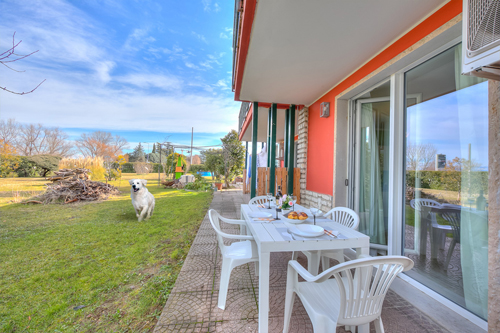
Planning for a long family holiday, but haven't been able to find pet-friendly apartments or holiday homes yet? Don’t worry, we have the perfect solution for you. With desirable amenities for a carefree stay with your pooches, our latest pet-friendly holiday rentals will certainly fit the description of your dream holiday.So, read on and find out your most suited, pet-friendly rentals among our latest homes across holiday destinations in Europe!1. Gioie sul Garda: Pet-Friendly Rentals on Lake Garda Situated just a few minutes from the lake, our newest range of pet-friendly apartments in Peschiera del Garda spell an uninterrupted, fun and carefree holiday. The twin holiday apartments are air-conditioned to enjoy a year-round vacation and offer private parking, a massive shared garden with BBQ, and next-door essential services for a comfortable stay.Let your buddy run free at our home’s big garden in PeschieraPeschiera is a super attractive destination for families with children and pets, with many beaches and lidos to enjoy with your dogs on Lake Garda: the closest dog-friendly beach, Braccobaldo, is just 5-minutes away from the apartments! Plus, the renowned theme parks, Gardaland and Caneva Movieland-Aqualand, are also within easy driving distance; Gardaland even allows your pets in as long as they are kept on a leash, and if need be, then muzzled for the safety of all.  2.Chamonix Sud Apartment: Pet-friendly holiday rentals in Mont Blanc, FranceNestled in the centre of Chamonix, in proximity to the famous Aiguille du Midi ski lift, our cosy and pet-friendly apartment is what carefree vacations are made of. The apartment has a stunning mountain view to soak from its sunny balcony, and there is everything you would need for an effortless self-catered stay, including ski storage and free Wi-Fi. Be it winter or summer, your pet will always have fun at the Mont Blanc! The apartment’s location is perfect for enjoying the best of the Chamonix Valley, especially for those coming with their little ones, both human and pawed. The Chamonix Adventure Park, Domaine des Planards, is just a 20-minute walk away. There is also a free, pet-friendly park, Paradis des Praz, where children can enjoy pony rides and climbing obstacles, and the furry ones can take leisurely walks! The stunning beauty spot, Lac Blanc, is nearby too, and ideal for families and those looking for pet-friendly hiking trails in Chamonix.Tip: If you are thinking of coming with bigger groups, then Chamonix is full of pet-friendly vacation rentals!3. Teleo Apartments: Pet-Friendly Holiday Rentals in PiedmontWith the ski season around the corner, neither should you miss out on the amazing Milky Way slopes in Sestriere (made of Sauze d’Oulx, Pragelato, Claviere, Cesana Torinese and San Sicario, and Montgenèvre) nor should your pet! The snow-clad Milky Way slopes of SestriereWith our collection of 8 pet-friendly apartments in all; small, medium and even large groups can capture the perfect ski break. All our apartments have ski storage, and the Milky Way (Via Lattea) slopes are just next door, making these rentals the perfect base to experience the powder pistes of the most popular Piedmontese ski region!4. San Venanzo: Pet-Friendly holiday apartments in UmbriaAlong with providing a sumptuous rustic estate to indulge in the slow-paced farm life with friends and family, our apartment complex in San Venanzo is perfect for vacations with pets in Umbria.The green carpet of nature surrounding the San Venanzo holiday homes in UmbriaThe Santa Maria Complex is set in the green heart of Italy and provides a one-of-a-kind stay with big, open spaces, away from the city and into the tranquillity of agricultural life. Plus, with tons of recreational amenities like swimming pools, on-site restaurants, bars and a pizzeria, your stay here is bound to be sweeter than any other.5. Pannonian Villas: Pet-friendly Holiday Rentals in SloveniaWith the pandemic just over, nature is calling travellers with a force greater than ever. The rejuvenating bio thermal pool and the shared garden of the Pannonian Village The Pannonian Village offers a wide range of pet-friendly rentals in Slovenia for those who want to re-immerse themselves in a life enveloped in nature. The holiday rental is a natural settlement of 5 apartments, with a bio thermal pool with sun beds and a huge common garden. Not only that, its location in the Pomurje region makes it a convenient starting point to discover Slovenia: from thermal spas (the closest one is just a 5-minute drive) to tourist farms, biking trails, castles, delicious Slovenian wine, the region is a magical combination of all things peaceful, rejuvenating and authentically Slovenian!6. Analipsi Villas: Holiday villas for pets in Kastro-Kyllini, GreeceIf there was ever a pet-friendly getaway, it is our Analipsi Villas on the Kyllini Peninsula, Greece. The holiday getaway, with its very own dog-friendly private beach – Analipsi Beach – with wooden decks, sunbeds and the crystal clear waters of the Ionian sea completes the perfect Greek vacation. Greece and its super pet-friendly atmosphereEvery rental at Analipsi Villas is a single-level, independent villa suitable for up to 5 guests. For those looking forward to a grand reunion, there are 8 equally equipped, family-friendly villas to choose from. The kitchens of the rentals are also fully-equipped for an effortless stay. There are three BBQs, a beach bar for splurging, as well as a shared garden for some extra running around for your furry mate. You can unwind with your pawed friends without hesitation if your dog is leashed and you bring their passport.Tip: While at Kastro Kyllini, don’t miss out on the healing thermal springs of Kyllini or Loutra Kyllini!7. Holiday Treehouse: Our pet-friendly rental in Lika-Senj, CroatiaPet owners, you have reached your pet’s real paradise—Croatia! Our all-wood, dog-friendly TreeHouse lies in the embrace of nature and allows ultimate relaxation. With a shared garden lined with trees, open-air dining with BBQ, and a hot tub to soak in, both your nerves and your little companion will thank you at this holiday retreat. The sun-bathed, two-bedroom Treehouse is located within a 45-minute drive of Mala Plješivica - Gola Plješivica and Paklenica National Park, two of the most pet-friendly trails in Lika-Senj county. But if you are still looking for a reason to pack your bags and head here, then consider that the apartment is only an hour’s drive from Zadar and 30 minutes from the Adriatic Coast, which directly connects to the Island of Krk!Fun on the coast with your furry friendsTip: A must-visit for those staying on the coast is the award-winning Podvorska Beach with the super pet-friendly Monty’s Beach and Bar. Want bigger accommodations to enjoy with a large group or family? Check out our pet-friendly villas in Croatia!8. Apartment La Cala: Dog-friendly holiday lets in Spain!Why not let your furry friend experience a luxurious holiday with you? At Apartment La Cala, fun and a luxe holiday experience come together seamlessly. Our modern balcony apartment has a shared pool for classic summer fun and a large garden to run wild and free. Well, not literally. But the air-conditioned apartment’s spacious outdoors– with a children’s playground and an enclosed common garden–allow enough space for everyone to relax. Our luxurious pet-friendly apartment, La Cala, in Costa del SolFor other dog-friendly places around Marbella, there are restaurants like Palms Beach Bar Marbella. Even Málaga is pretty pet-friendly with little mandates that you would need to follow in public transport. Meanwhile, timeless beach fun at El Castillo in Fuengirola and Benalcan in Benalmádena, some of the best pet-friendly beaches on Costa del Sol, are also easily reached from our equally pet-friendly apartment in Mijas Costa! Plan to hop to different destinations on your holiday? Check out our amazing holiday rentals dotted on the entire coast that welcome pets!We understand that travel with pets can be quite a handful. But with all our pet-friendly rentals, you at least wouldn’t have to worry about finding pet-friendly rental homes in Europe!

European Easter Traditions Worth Planning a Family Holiday!

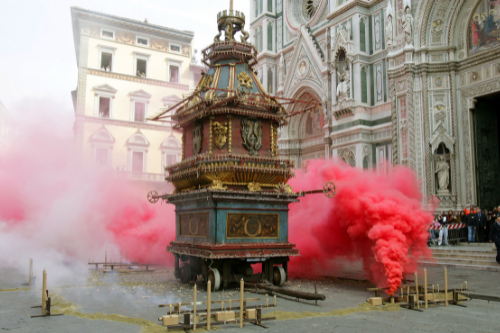
Most holidays are well-spent if they are spent in the loving warmth of family. Therefore, with Easter just a little more than a month away, we are bringing to you some of the most amazing Easter traditions from around Europe to enjoy with your loved ones.So read on and get ready to have a delightful Easter 2023 in Europe!  Italian Easter traditions: Fireworks, processions and personalised Easter eggs If you find yourself holidaying in the Tuscan region, then don’t miss a chance to visit Florence and see ‘The explosion of the cart’ at the Duomo. In this famous Easter tradition, called Scoppio del Carro in Italian, a turret called Brindellone is put on a cart. The cart is then pulled by white oxen through the entire city. Once the cart reaches the Duomo, a pyrotechnic dove is let off from the altar, which lights the turret on the cart, leading to a burst – if the dove comes back safely, it symbolizes a year of prosperity! The Explosion of the Cart in Florence, with Brindellone on top Another famous tradition known all over the world and celebrated in Sulmona, Abruzzo,  is the Easter Meeting, better known as La Madonna che scappa in Piazza. In this tradition, the statue of the Madonna is raced to that of the risen Christ in an emotional meeting of the mother and the son – an unmissable spectacle for those celebrating Easter in Italy!  In Sicily, you will be able to see several suggestive parades: the Real Maestranza in Caltanissetta, a historical association of craftsmen united in a town association that plays a prominent role during the religious festivals; the Processione dei Misteri in Trapani, which is a parade of sculptures representing biblical scenes; and the celebrations in Prizzi and Adrano, some fun eighteenth-century traditions mixing the sacred with the profane.The Processione dei Misteri di Trapani, Sicily Tip: Prolong your stay in Sicily and enjoy a tour around its ‘lost-in-time' baroque towns and gorgeous beaches. What are waiting for? Book one of our holiday homes in Italy Spanish Easter traditions: Death Dances and Parades Death Dances may seem a little spooky at first, but in Verges (Girona), this Easter tradition is participated in by both adults and children. The main spectacle called The Procession of Verges takes place on Maundy Thursday or Holy Thursday, whereas the one with children happens on Easter day. On both days, the Dance of Death is re-enacted the same way: with skeleton costumes, ash boxes, the theatrical depiction of Christs’ passion, and the perfect background setting of the medieval old town centre of Verges! The spooky Dance of Death in Verges Easter in Spain is also celebrated with a number of grand processions. These parades happen in almost every city and town but the most famous of them all are the parades of Seville. In Seville, people dress up as traditional characters known as costaleros and nazarenos in the parades that bring together a crowd of anywhere close to 50,000 people!A “pasos" carried by the Costaleros during the Holy week in Seville Enjoy these amazing events close to Costa del Sol. Book your holiday homes in Spain! French Easter traditions: Spring Easter and Egg Hunts With flowers blooming and the Spring weather at its best, Egg Hunting has to be that one perfect tradition that you can enjoy in almost every part of France with your family.Egg hunts and wholesome family fun, a common Easter tradition in France Egg hunting has the most interesting backstory in France, wherein instead of an Easter bunny, the eggs are thought to be hidden by flying bells! According to general belief, when the bells of all churches are silenced in the three days leading up to Easter, they are thought to fly off to the Pope in Rome for blessing. So when the bells return, they bring back Easter eggs with them and hide them in the garden of houses leading to the tradition of numerous egg hunts throughout France! Do you want to take part to one of these fun egg hunts? Book your holiday home in France and get ready, set and go when les cloches sont passées! (the bells have come!)Enjoy the cosy spring weather in Chamonix in our lovely chalet Tré La Vieux (Property ID: 3287)Croatian Easter Traditions: Easter feasts and traditional dances In Dalmatia, people wear traditional costumes, sing ancient hymns and dance together around a fire to celebrate Easter: one of these typical dances is called Kolo (circle dance), a unique performance that brings people together! Another popular Easter tradition is gifting painted easter eggs (pisanice) to your family and close ones as a symbol of life. Painted Easter eggs gifted by Croatians to their loved ones But no celebration is complete without food. As part of its delectable Easter feast, Croatia serves up on its Easter menu: coloured eggs, spring onions, horseradish, French salads, traditional cakes, and special homemade bread and ham!  But, you can keep feasting in Croatia any time of the year. To get a taste, read our tempting blog on typical Croatian dishes or scroll down a little as we leave you with a virtual taste of the sumptuous Gibanica - a crisp layered pastry with poppy, walnuts, cheese, and carob. Deliciously layered Croatian Easter dessert, Gibanica Taste the delicious Croatian food and enjoy the sunny spring weather. Book your holiday home! Greek Easter traditions: Smashing Pottery and red Easter Eggs Easter in Greece is usually celebrated one week later than the rest of Europe as it follows the orthodox Julian Calendar. But like the rest of the countries, Greece brings in the joy of Easter with its unique traditions. On Corfu, festive time attracts thousands of Greek as well as international spectators to witness the tradition of smashing pottery.Smashed pottery in the street of Corfu A tradition to bring in new hope, smashing pottery in Corfu probably has Italian origins. But on the island, even though the custom was adapted for Easter celebrations, people do not share the same belief of the “smash” bringing in the new year as the Italians do.  So stay off the streets or join in the fun on Holy Saturday as people start throwing red-painted pottery from their balconies at noon and the spectators pick up its pieces as a good luck charm! Tip: Don’t forget to try the ‘red eggs’, painted with organic red ink to depict the blood of Christ. The famous Easter red eggs typical of Greece and the Balkan regionsEnjoy the warm spring and Easter in Greece! Book one of our holiday homes. Swiss Easter traditions: Easter tree and egg smashing The home of chocolate has various traditions surrounding Easter and eggs, but not necessarily chocolate eggs.  From common activities such as egg hunting and decorating Easter eggs to other exquisitely Swiss activities common in almost every canton, Easter in Switzerland is pure family fun.  The lovely Easter Tree, a Swiss tradition that will make children happy Among the most interesting traditions is the Easter Tree, which symbolises the arrival of spring. The tree is made using cut sprigs decorated with coloured eggs. Two other fun activities for adults and children are Eiertutschen and Zwanzgerle. Eiertutschen means 'Egg smash' and consists of breaking the opponent's egg without breaking one's own, the winner will eat the egg. Zwanzgerle is played on Easter Monday: it is usually the adults who try to break their children's egg using a coin. If the adult fails, the child wins the coin! Tip: Try Osterfladen, traditional Easter rice tarts resembling the French Gâteau de Pâques (French), to complete your experience of a very Swiss Easter.The mouthwatering Osterfladen, a typical Easter tart made of rice Want to discover more Swiss Easter traditions? Book one of our holiday homes and discover them for yourself. So where are you and your family heading for Easter?

European New Year Traditions that you must try

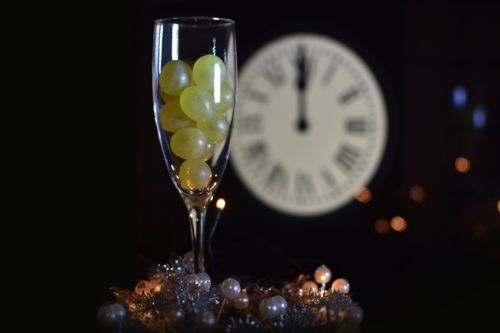
Unique New Year’s traditions from Europe that will be fun additions to your celebrations and double as great party games on your next getaway anywhere! So read on and try something different this New Year! Spanish New Year's Traditions: Gobble them Grapes The twelve grapes of luck The Spanish celebrate the start of the year with Las Doce Uvas de la Suerte or the 12 grapes of luck. According to this tradition, on New Year’s Eve or nochevieja, when the clock strikes 12, you munch on a grape with every toll of the bell to bring in good luck for the rest of the year. But this is not it – to seal in the luck, you must finish eating all the grapes before the final toll! Now there is a fun party game for everyone to enjoy. You can also celebrate this tradition with other food items to increase the challenge. Try it by giving a traditional French twist with a stack of pancakes or a Netherlandish turn by gobbling on anything ring-shaped! Celebrate a very Spanish new year with these amazing holiday retreats in Spain! Italian New Year's Traditions: Tombola and red underwear Will Tombola tell your fortune for the year? A popular new year’s tradition in Italy is to play Tombola, with a chance to win exciting prizes and sometimes even cash money.  In this game, tickets with random numbers from 1-90 are given out to everyone in the party. A host then extracts numbers, again randomly, which the players must cross out one by one. Whoever cuts out all the numbers on their tickets first, wins the prize – certainly an extra motivation to try this tradition. And don’t forget to wear red underwear. Italians think it will bring good luck in the next year! Bring in the new year in Italy with the best holiday homes in the country! Greek New Year's Traditions: Smash and pop pomegranates More seeds mean more luck in Greece! Greece, one of the oldest civilizations on Earth perhaps has the most fascinating new year’s tradition, wherein the Greeks start the year by smashing pomegranates on the ground called Kalo Podariko. And the more seeds jump out of the fruit, the more luck it is supposed to bring you! But we don’t want you to waste precious food in a game, so maybe you can find some innovative idea to try this tradition, perhaps use a piñata full of little coloured balls? Anyway, more sustainable tradition is to gamble all night long! Whether it’s a card game or a dice game, if you win, it’s thought to bring you luck for the year and at the same time you’ve made some extra cash. If you're planning to start a family, hanging onions outside your door, could bring you luck for the next year! Celebrate the traditions in Greece? Find fabulous holiday homes for friends and family! Belgium New Year's Traditions: New Year Messages In Belgium, children continue their letter writing from the Christmas season, only this time it is to the other family members rather than Santa Claus. Children write these letters to wish the elders the season's greetings and tell them that they will be good in the new year. In Belgium, children write Christmas letters to family members But can this be a fun party game? Totally! To turn this solemn tradition into an exciting game, everybody can write messages anonymously for the people present in the party and, at the end, everyone must guess from whom the message is! Who knows you might find your secret admirer? Want to authentically enjoy the traditions? Book your holiday home in Belgium now. Hungarian New Year's Traditions: Telling Fortune inside Dumplings As most of Eastern Europeans, Hungarians can be quite superstitious too! On New Year’s Eve or ‘Szilveszter’ it’s very common to make noises to scare off the evil spirits.  Another fun tradition for girls (and why not for boys too!) is to put pieces of paper with the names of potential fiancées written on them inside 12 dumplings plus an empty one. The first dumpling to rise to the top of the water during cooking is going to contain the name of their future spouse. If it is the empty dumpling, then she is expected to be single for the entire year. Ouch! Are you curious to know who would be your spouse? Live the traditions in the country, book your holiday home in Hungary! French New Year's Traditions: Dress up and Kiss under the mistletoe The French often dress up to celebrate New Year's Eve, and the expression "se mettre sur son 31" reflects this tradition. This expression literally means "dress up like it's December 31st," and it signifies the idea of looking one's best for the occasion. While dressing up isn't mandatory, it's a common practice, and it's a good idea to check with the host or hostess regarding the expected level of formality for the event. The tradition of kissing under the mistletoe on New Year's Eve in France is indeed rooted in history. It's believed to have originated from the Celts, who associated mistletoe with luck and fertility. This tradition has been passed down through the centuries, and it's a charming way for couples to share a special moment as they welcome the new year together. The romantic tradition of kissing under the mistletoe Other customaries are sending New Year’s wishes by greetings cards and giving etrennes, a traditional tip given to the maid, concierge, gardener who take care of their houses, etc. Say Bonjour to the new year in France! Book your holiday getaway now! Read about how other countries celebrate Christmas and New Year! We wish you luck for the new year and for the games!

European Christmas Traditions: Where to go to enjoy them

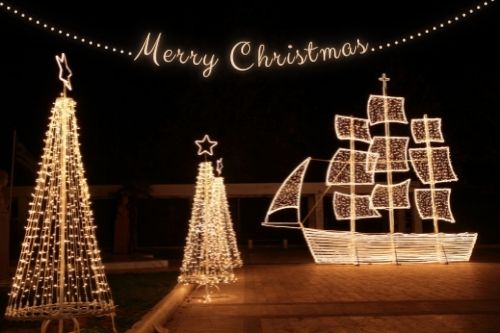
Starting from the Advent weeks and leading up to Epiphany, Christmas in Europe is celebrated with big festivities. All over the continent, lights brighten up some of the darkest days, Christmas markets become mini winter wonderlands and December air is filled with the fragrance of traditional food and the excitement of uniting with loved ones. In such a magical and warm atmosphere, it certainly pays to take a wonderful trip around European countries where you can spend your holidays in cosy homes and enjoy unique Christmas traditions! So, let’s go… Christmas traditions in Greece Life-size boats light up the Christmas cheer in Greece Throughout Greece towns are adorned with vibrant lights, festive decorations and traditional life-size decorated boats alongside Christmas trees during the festive season. These Christmas boats, known as “Karavaki”, are a particular feature of Greek Christmas decorations since they celebrate the safe homecoming of seamen and pay homage to the Greece’s seafaring days.  For food, mouth-watering pastries, like the honey glazed Melomakarona and the sugared shortbread, Kourabiedes decorate the tables of households. Meanwhile, the traditional bread, Christopsomo, has been eaten on Christmas day for thousands of years: the leader of the family makes a cross over the bread, which they then proceed to slice and distribute to each person gathered around the dining table. After Christmas, traditions like cutting into the typical Greek bread, Vasilopita - with a coin baked into it, mark the new beginning and your luck for the year. Celebrated on beloved Basil's Day (January 1), whoever finds the coin in their slice of Vasilopita (literally sweet bread of Basil) is lucky for the rest of the year! The holiday season continues past New Year's, culminating in Theophany. During this celebration, waters are blessed, and a cross is tossed into the water. Brave Greeks plunge into cold waters to retrieve the cross, a symbolic act believed to bring good luck and blessings! Experience the age-old Christmas traditions of Greece, book your perfect accommodation and create a distinct festive memory to cherish forever! Christmas traditions in Slovenia  Nativity Scene in the famous Postojna Caves In Slovenia, modern Christmas celebrations became a part of this solemn and religious festival only after World War II.  Earlier, whole rooms were decorated with string beans and wheat ears to celebrate a good harvest. Now, Christmas is celebrated with loved ones and traditions like the burning of incense, eating special Christmas bread, Potica, and telling of fortunes. For special events, the historic town centre of Ljubljana with its Christmas markets and breathtaking decorations sways you into a festive vibe, while 5 km long live nativity scenes – the country’s largest – are set in the famous Postojna Caves (25th-30th December. This year, the Postojna live nativity scenes are going digital; some events now include immersive light shows within the caves, expanding the appeal beyond traditional elements. But to complete your Slovenian Christmas holiday, it is essential to paya  visit and soak up the charm of one of its enchanting castles. Dream away in the magic of Slovenia by booking your holiday homes for the festive season.  Christmas traditions in Spain The fun and frolic around Los Reyes Magos parade in Seville The midnight mass, or “La Misa Del Gallo,” is one of the most important Christmas traditions of Spain. Usually, these masses take place on Christmas Eve, with people coming home late after the masses and continuing the festivities out on the street.  Presents are opened on Epiphany, when Los Reyes Magos (the three wise kings) sail down all over the country, and most famously in Seville! This year, Spain’s large cities are increasingly offering Christmas-to-Epiphany pop-up markets that extend well into January, blending traditional Spanish treats (turrón, polvorones) with immersive light shows and street performances.Plus, usually on the morning of Epiphany, a traditionally baked Roscón de Reyes is brought from the bakery, with fillings of cream, chocolate or other flavours. Inside, it packs a surprise such as tiny figurines of the Reyes Magos themselves, involving a humorous Christmas custom of hiding a "king" and a "bean" in the cake. If you find the bean, you're tasked with buying the "El Roscón de Reyes" cake the following year, while finding the king means you wear a crown! Additionally, enjoying churros and hot cocoa is a cherished and traditional part of the holiday celebration in some areas, combined with other sumptuous treats like Polvorones (that will melt on your tongue) or Turrones (delicious almond brittles). Enjoy cosy Mediterranean weather and Seville’s spectacular parades with these fabulous holiday homes in Costa del Sol!  Christmas traditions in Croatia  Advent wreath with four candles denoting love, peace, joy and hope Croatia starts its Christmas celebrations on St. Catherine’s Day (November 25), with most engaging in religious activities in the days leading up to Advent. Saint Nicholas Day or Nikolinje, observed on December 6th, is a special tradition wherein children clean their shoes and place them around the windows. If they've been good, they wake up to find sweets and small gifts inside their shoes. However, for those who have been a little naughty during the year, they might discover a birch stick instead! It is also traditional to put up Advent wreaths with evergreen twigs and four candles, as well as the sowing of wheat on St. Lucia’s day (13th December). Christmas trees are put up with traditional decorations like fresh and candied fruits, nuts and sweets adorning the tree. Christmas Day in Croatia is a family-oriented occasion, so people either visit their extended family or are visited by them.  Once again, the intimacy of the family brings real warmth to the entire festivities that culminate on New Year’s Day, with adults handing out presents and money to kids who wish them the season’s greetings. The delicious Christmas food that is whipped up during this time consists of Bakalar (a type of fish), rum or lemon flavoured Fritule and the main course is usually made up of turkey, goose or duck. Holiday at this surprising winter destination, check out some of the best accommodations for families and friends! Christmas traditions in Switzerland Dip in the festive atmosphere of the Christmas Markets in Lugano Big Christmas markets are one of the most loved traditions in Switzerland, along with keeping advent calendars.  Whether store-bought or homemade, these calendars are common in Swiss households and provide a fun way to mark the 24 days leading up to Christmas. In many villages, an advent calendar circulates amongst its houses so that when the calendar falls on your house, an advent window is put up house and a Christmas party is kept by the owner. At this party, the rest of the villagers dig in wine, music, food and sometimes even fondue. Also, save a kiss! As according to tradition, you might have to kiss the cheek of the person standing left to you, dipping their bread in hot fondue.  In Switzerland, Santa Claus arrives on December 6th and brings a bag filled with nuts, mandarins, cookies, and chocolates and distributes these goodies to children based on their behaviour over the past year. On Christmas Eve, meals with ham, scalloped potatoes and Christmas cookies (Zimtsterne, Chräbbeli, Mailänderli, and Brunsli) are eaten, which are prepared with the family’s traditional cookie recipe treasures for the season. Ski down the magnificent Swiss Alps or retreat into the soothing beauty of the Swiss Lakes. Book your perfect Christmas stay in Switzerland!  What’s New for 2025?Christmas travel continues to grow in popularity across Europe, and this year brings some noticeable trends worth keeping in mind:Earlier Christmas Markets: Many European Christmas markets now begin in late November, sometimes as early as the 24th, allowing travellers to enjoy the festive season for longer.Higher Demand for Christmas Travel: Interest in winter city breaks and festive markets has continued to rise, so popular destinations are seeing more advance bookings.Emerging Smaller Destinations: While iconic Christmas cities still shine, many travellers are seeking lesser-crowded towns and regional markets for a more local atmosphere.Focus on Sustainability and Authenticity: Handmade crafts, eco-friendly décor, seasonal local dishes and community-driven celebrations are increasingly central to festive experiences.More Convenient Travel Routes: Several airlines and regional transport networks have expanded winter schedules, making it easier to visit both large and smaller festive destinations.Planning Your StayBook Early: With increased demand and earlier market openings, securing your holiday accommodation in advance is recommended.Consider Timing: Visiting in late November or early December offers the festive atmosphere with fewer crowds.Choose Your Style of Escape:Snowy Alpine charm — Switzerland, SloveniaCoastal mild-weather celebrations — Greece, CroatiaCity lights and classic evening promenades — SpainPack Warm Layers: Even in Mediterranean regions, evenings can be crisp. A warm coat, comfortable boots and gloves make exploring much easier.Try Something Different: Explore smaller markets and regional celebrations for truly local traditions, or select a holiday home with cosy winter amenities for a memorable stay.Want more inspiration?Browse our festive travel blogs and holiday homes across Europe to find the perfect stay for Christmas and New Year.We wish you a Merry Christmas and a joyous New Year!

Halloween in Andalusia: The perfect time to travel to South Spain

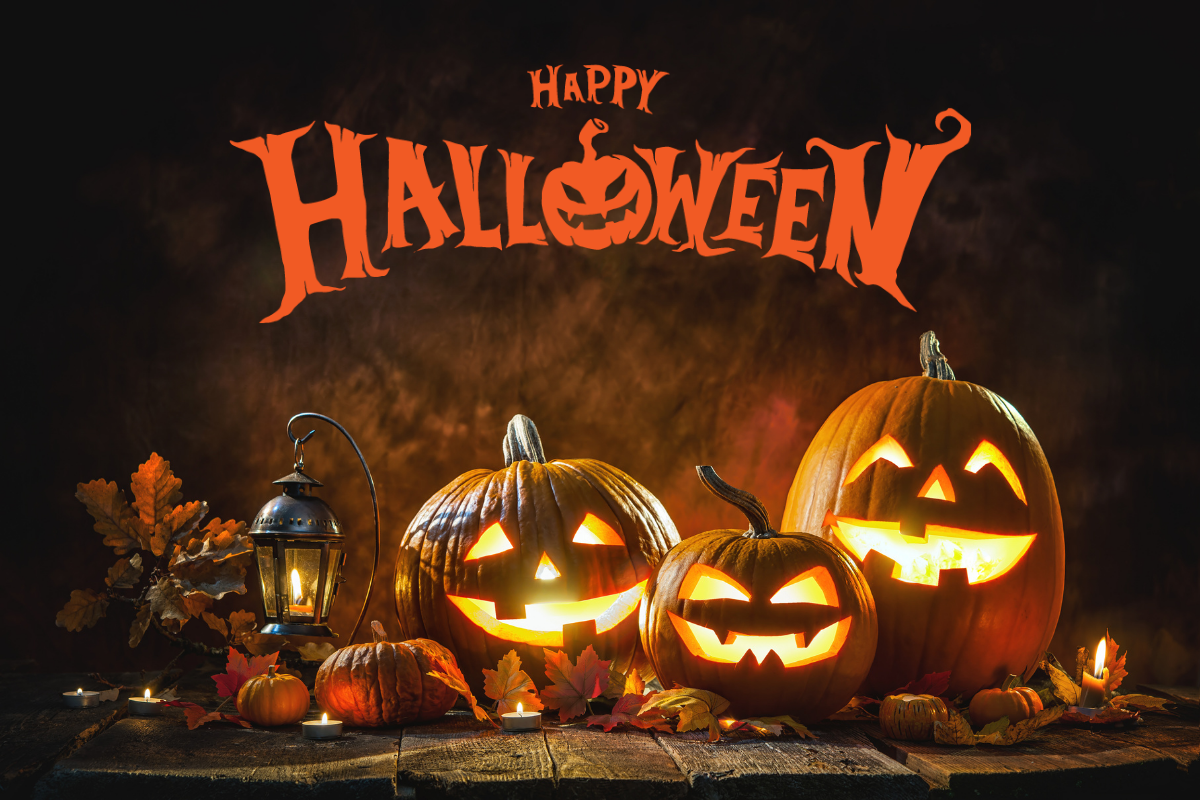
Celebrated all over the country to remember souls lost to life, Halloween in Spain is very spiritual and equated with the centuries-old festival of Dia de Los Santos or Tosantos. Tosantos falls on the 1st of November, a day after Halloween and is spread over three days. But, as with every festival, rich varieties of sweets start making their entries into local bakeries and shops a couple of days before. In Andalusia itself, where Tosantos is celebrated with a lot of festivities and traditions, fried buñuelos (airy doughnuts with sugared tops) and sweet potatoes become a must-try.Delicious fried Buñuelos with Sugared topsTraditionally, Tosantos has consisted of multiple masses performed throughout the day, candlelight processions, elaborate floral decorations of headstones, roasting chestnuts and screening of the iconic play  “Don Juan Tenorio'' by the Spanish author Jose Zorilla. However, modern-day celebrations are frequently accompanied by late-night parties, scary theatrical performances, zombie walks and terror passages. In any case, you will surely find something memorable to do on Halloween in the gorgeous Costa Del Sol.So, read on and find your perfect Halloween this year! 1. Halloween at the Botanical Garden in Malaga  When: 26-27th October 2024  The dramatised tour of the botanical gardens of La Concepción is the most famous program in Malaga. On October 26 and 27, from 11 a.m. to 2 p.m., families can enjoy activities like a treasure hunt and a craft workshop, perfect for getting into the Halloween spirit. On Halloween night, visitors can experience the thrilling “Terror of the Abandoned Convent,” a dramatic tour through the gardens that reveals their dark and mysterious past. Tours run every half hour starting at 7 p.m. A booking is required for this unforgettable Halloween experience. For information and reservations, call +34 951926180 or +34 939914055, or email infojbotanicomalaga@gmail.com.  2. Visit the cemeteries in Malaga When: 1-2nd November 2024  In Málaga, a cherished Halloween tradition for local families involves visiting cemeteries like San Miguel and English Cemetery to honour departed loved ones. Visitors clean, decorate graves with flowers, and offer prayers.  San Miguel Cemetery  Located in Málaga’s north end, this 19th-century cemetery, now closed for burials, features elaborate crypts and mausoleums where notable figures of Málaga’s past rest. Visitors report sightings of apparitions, including American writer Jane Bowles and a ghostly figure resembling parish priest Don Eliseo.  English Cemetery  The English Cemetery, established in 1840, is Spain’s first non-Catholic burial ground. Known for its distinctive graves adorned with white shells, it’s home to the resting place of Robert Boyd, a freedom fighter executed for his beliefs, along with other notable figures. Guided tours for small groups of up to six offer an immersive experience, with the cemetery’s history, supernatural tales, and the unique beauty of this coastal site. Flower decorations at cemeteries on Dia de Los Santos3. The Night in Black in Malaga When: 31st October 2024, from 6:30 pm  On October 31, the streets of Málaga’s central Soho district come alive with "The Night in Black," offering a lineup of activities for all ages. From 6:30 pm, visitors can enjoy a costume contest, face painting, children’s games, and trick-or-treating throughout the evening.  4. Halloween for children in Malaga When: 31st October 2024, from 5:00 pm  Halloween festivities at Pier One (Muelle Uno) will begin on October 31 from 5 pm to 9 pm. A favorite among the locals, this scenic maritime spot near Málaga’s old town is a perfect setting for a relaxed stroll and a drink. A themed photo booth will be available where visitors can snap a picture and enter the costume contest. Categories include the best group or family costume, the most creative, and the most terrifying. Don’t miss out on the excitement!  5. Halloween in Mijas  When: 31st October 2024    Mijas celebrates Halloween with a Mexican Day of the Dead theme across its three main areas: Mijas Pueblo, Las Lagunas, and La Cala. Each location will host unique activities, including workshops on palmistry, potions, makeup, Mexican skull masks, and a themed photo booth.  Mijas Pueblo: Enjoy bouncy castles and two children’s haunted walkthroughs at Plaza Virgen de la Peña from 4 pm to 10 pm.  Las Lagunas: Head to the fairground for Halloween fun featuring bouncy castles, four kid-friendly haunted passages, and a variety of food trucks. Parades are scheduled at 8 p.m. and 9:30 p.m. Adults can enjoy a maze-style haunted walkthrough at Cortijo Don Elías, open from 5:30 p.m. to 11 p.m. La Cala: Find bouncy castles, two children’s haunted passages, and spooky workshops at La Butibamba Park from 5 pm to 11 pm. Are you ready for a fright-filled night?  6. Zombie Gymkhana in Nerja When: 31st October 2024    In Nerja, Halloween kicks off at the Balcón de Europa with a Zombie Gymkhana starting at 8 p.m. Participants roam the streets to find “survivors,” with prizes for the highest scores. A makeup artist will also be available at the Municipal Youth Information Centre for those who want to join in with a spooky look.  The Municipal Youth Information Centre will host a Halloween party featuring scary challenges, zombies, board games, candy, and other surprises. Young people interested in joining the fun can register by emailing asociacionjuvenilnerja@gmail.com or via WhatsApp at +34 641 471 075.  7. Escape from the zombies in Fuengirola  When: 2nd November 2024 The "Survival Zombie Halloween" in the center of Fuengirola is designed for the bravest participants. Are you ready to face the challenge?  This immersive experience plunges players into a fictional world overrun by zombies. The goal? Survive the night by uncovering clues and outsmarting the undead who lurk around every corner. 8. Halloween parties and nightlife in Marbella When: 31st October 2024 Marbella’s vibrant nightlife scene takes Halloween to another level, with clubs like Puente Romano, Siroko Beach, NYX, and La Sala Banús throwing spectacular themed parties featuring extravagant decorations, live DJ performances, and costume contests.  If you’re looking for something calmer and more upscale, places like Nomad Restaurant, Motel Particulier, and Sunsa Restaurant often host Halloween-themed dinners with exclusive entertainment. 9. Village of Terror in Churriana  When: 31st October 2024, 7 pm to 11 pm  This year, anticipation is high for the “Village of Terror” in Churriana, one of the most atmospheric Halloween destinations in the province. The Las Pedrizas neighbourhood will transform into a horror village, with its narrow, winding streets renamed to match their eerie themes: Nightmares Street, Coven Street, Torture Street, and more. From 7 pm to 11 pm, these streets will be fully decorated and brought to life with spine-chilling scenes.  Are you brave enough to enter? Free entry for all!Families having fun on HalloweenSo have you decided where to head for Halloween or Tosantos? Take a look at our best holiday homes in Costa Del Sol.

Smart Working from a Holiday Home

Feeling uninspired by the norm, or rundown by office politics and the daily grind? Escape! The perfect remedy for employees who have lost their work mojo, as well as digital nomads in search of adventure and families juggling school holiday commitments, a Smart working can be a rewarding, life-affirming experience! In our internet-savvy age, Smart working is now a feasible solution to find your zen, by balancing your work life and personal commitments, in one exciting new location.For those exhausted by the daily commute and working full time, whilst juggling domestic duties with family responsibilities, Smart working is for you! Working remotely from a new city or exotic holiday location requires just your passport, laptop and WiFi access. With these items and holiday clothes packed, the world is your oyster! The benefits of Smart working have long been known to savvy freelancers. Being motivated and inspired by a beautiful new location and holiday home can really spur on creativity, as well as be the springboard your mind needs for a productive workday.Work, relax, repeat! The benefits of Smart working:Waking up, ‘on location’ simply lets you start the day right. Escaping the hum drum of the office and the ‘everyday’, feels truly liberating. Indeed, knowing that you’ve saved time on your daily commute, feels like a breath of fresh air! You’ll be able to enjoy some ‘you’ time first thing – from yoga, a scenic run, early morning walk or quality family time, over an unhurried breakfast, before walking just a few meters to your remote office for the day. As well as feeling more grounded in a relaxed working environment, you’ll find the incentive to finish all your work tasks within good time, high on your agenda! For one, you’ll be able to get out and explore, socialise and sightsee when you’re done. Lunch breaks can also involve anything from an alfresco lakeside BBQ, to enjoying a refreshing swim and a quick brainstorm bike ride! Whilst your working day will evidently require some structure, remember you will have all your evenings and weekends free to fully immerse yourself in the vacation half, of your stay! Shaking routines up is always an effective way to boost motivation, as well as develop your own sense of well-being and inject a new sense of fun into the norm. Remember, when a different time zone applies, you should always define your temporary work hours before you go, as well as upgrade your mobile to accept WiFi and international calls (to and from work). Just because you’re not physically in the office, doesn’t mean your presence shouldn’t be felt, or heard!For families on half-terms and long summer holidays, bringing the kids whilst Smart working means you can balance your work life and family life. Getting work done whilst also being there to spend priceless holiday moments together is a no brainer. If you’re a single parent or a couple both working remotely, then picking a holiday location with good ski schools/kids clubs and holiday camps offers a super way to make sure your little monkeys or teenagers are having fun, making friends in a safe environment, whilst you’re getting your work done for the day. Looking for anymore reasons to enjoy Smart working? Check out our beautiful holiday locations and homes here and feel inspired to check-in

Drink to ‘Dry January’, with our top holiday mocktails!

The ultimate holiday mocktailsWhether you’re on a ‘dry January’ health drive or you want to surprise your family and friends with some fun party drinks, these alcohol-free tipples are full of flavour and taste – making them perfect for your next getaway! Virgin Watermelon Margarita Serves: 6 Prep time: 3 hr’s beforehand, 5 minutes to make When on holiday in Europe, you’ll find an abundance of watermelons for sale at food markets and in supermarkets. When the sun is beating down, this vibrant and energizing mocktail will keep all ages hydrated and ready for some holiday fun. Firstly, chop up the watermelon into cubes and place in the freezer for 3 hours. Next, dip the rim of each glass in water before rolling the rim in granulated sugar. Next, blend the frozen watermelon cubes with the Sprite, until smooth. Pour the delicious smelling mixture into the glasses. Finish with a thin wedge of watermelon to each rim. Cheers! Ingredients:1 watermelon (diced and frozen for 3 hrs before)Can of Sprite (335ml/ 12oz)Granulated sugarFinish with: Sprig of fresh mint and granulated sugar around the rim, with a thin wedge of watermelonNote: For more of a Margarita-style edge, feel free to add a dash of fresh lime or lemon juice! Lemon & Mango Margarita Serves: 4 Prep time: 10 minutes These juicy flavours pack a punch on a cold winter’s day. You’ll taste the endless days of summer ahead, with each sip you take! Firstly, if you haven’t got these shop-bought syrups in, make your own (using the helpful notes below). Next, using a large pitcher jug, whisk the lemon juice with the 2 purees. Gently (and briefly) stir in the fizzy water. Rub a lemon wedge around the rim of each glass and then dip each rim into granulated sugar. Next, add ice and pour in the mixture, before garnishing with a lemon slice and fresh sprig of mint. Enjoy!  Ingredients:6 tbsp fresh mango puree (see note)3-4 tbsp simple syrup (see note)2 tbsp lemon juice500ml sparkling waterFinish with: Fresh mint, granulated sugar for the rim of the glass & slice of lemonNote:To make homemade mango puree, peel and cut 1 mango. Blend in a food processor, until the pulp is smooth. To make the simple syrup mixture, heat an equal 4 tbsp sugar with 4 tbsp water in a saucepan. Bring to the boil and then turn the heat down, to simmer. The sugar will dissolve in 30 seconds or so. Leave the simple syrup to cool in a room before using. Sparkling Pear Punch Serves: 10 Prep time: 10 minutes This light, bubbly punch is full of autumn promise and festive winter flavour. It’s perfect as an aperitif to accompany meat and cheese platters, whilst also offering an uplifting accompaniment to a heavy meal. Simply pour all the ingredients into a large container (except the ginger ale) and refrigerate for 1 hr – 1 day before. This will enable the flavours to infuse to their full potential. When you’re ready to serve, pour the mixture 1/2 - 2/3 of the way into the glass, topping up the rest with the ginger ale. Ingredients:4-5 Anjou pears, diced1 lemon worth of juice32oz/ 946ml pear puree2.5 cups spiced apple cider2 litres ginger ale (carbonated water flavoured with ginger)Finish with: Cinnamon stickNote:If you’re out of Pear puree simply chop up some ripe pears and mix in a blender with ice cubes, et voila!French 75 Mocktail Serves: 2 Prep time: 2 minutes For something rather elegant, a flute of this mocktail will do the trick! Firstly, add the fresh lemon juice and bitters to a cocktail shaker, which has been filled with ice. Shake till the mixture has gone frosty, then pour equal amounts into each flute. Top off with tonic water and garnish with a sugary swizzle stick. Simple, yet effective! Ingredients:2 cups iceFresh lemon juice (88ml/3oz4 dashes lemon/ orange bitters2 x (177-236ml/6-8oz) bottles of premium tonic water (e.g. Fever Tree)Finish with: A sugary swizzle stick in the glassNote: If your shop is out of sugary swizzle sticks, dampen each glass rim with lemon juice, before rolling each in 1tsp caster sugar Virgin Mojito Serves: 1 Prep time: 2 minutes Nothing beats a classic Mojito. With this recipe you’ll be able to enjoy the tempting fusion of mint and lime at any time of day, thanks to this alcohol-free version! Firstly, place the fresh mint leaves and lime juice into a glass and mush them with a ‘muddler’ (or the end of a wooden spoon) for 1 minute. Crushing the mint in this way will release the flavoursome mint oil into the mixture. Next, add the simple honey syrup and sparkling water. Cheers! Ingredients:2 tbsp fresh lime juice2 tbsp honey syrupSparkling waterIce (optional)10/15 fresh mint leavesFinish with: Sprigs of fresh mint and a slice of limeNote: To make simple honey syrup, pour a mellow tasting honey into a saucepan. Add in water, to a ratio of 1:2 (that’s 1-part honey, 2 parts water). Heat on a low heat, until the honey has fully dissolved. Abracadabra, you have honey syrup! Allow to cool before mixing. If needed store in the fridge beforehand (it remains good for up to 4 weeks in an airtight container).Also, for express drinks and larger pitchers, why not use Limeade instead? Simply take out the honey syrup and fresh lime ingredients, in favour of ¼ cup of Limeade instead.   Wherever you’re spending your next holiday, we hope you enjoy making these fun, alcohol-free holiday drinks. “Salute!”

Celebrate this Christmas in Lugano!

Sparkling Lights, Lake Views & Festive Magic in Ticino!Every winter, the charming lakeside city of Lugano transforms into a festive wonderland, and in 2025, it’s going to be better than ever. From the moment the tree lights up to the cheerful glow of thousands of fairy lights and the smell of vin brulé drifting through the old town, Lugano invites you to experience the very best of Swiss-Italian holiday magic.Lugano’s Christmas tradition blends Swiss precision with Italian-speaking Ticino’s relaxed Mediterranean flair. In the past, the event ran from the end of November through early January, with the iconic tree lighting in Piazza della Riforma marking the season’s start. In 2025, the event has been officially scheduled from 27 November 2025 to 6 January 2026, reflecting a growing appetite from travellers and locals alike for a longer festive season. It is true, Lugano is all set for Christmas!Why celebrate Christmas in Lugano?From the moment the grand Christmas tree in Piazza della Riforma is illuminated, right through to the Epiphany, Lugano slips into full festive charm. The elegant lakeside city takes on a warm, welcoming glow, with sparkling lights, cheerful gatherings and a cosy seasonal atmosphere.The city centre transforms into a charming Christmas village, where beautifully decorated shop windows and wooden market stalls line the streets. Here, you’ll find everything from handcrafted gifts and unique ornaments to local delicacies, regional wines and sweet seasonal treats. The market runs daily from 11 am to 7 pm until Christmas Eve.Adding to the magic, the streets come alive with music and performance. Expect free live concerts, Christmas carols, small shows and delightful street entertainment, creating an inviting and joyful rhythm throughout the day and into the evening.A children’s village full of activities, will also tempt little ones to get crafting this yuletide.Those looking to ring in the New Year in style will find plenty to enjoy. Lugano’s annual open-air celebration fills the city with music, dancing and a lively, welcoming atmosphere that carries on well past midnight. With a mix of concerts, entertainment and a joyful crowd, it’s the perfect way to welcome the year ahead. Whether you’re a local, travelling for work, or visiting on holiday, the city’s festive spirit makes everyone feel part of the celebration.Things to look forward toCharming wooden chalets with handcrafted gifts, local treats and warm seasonal drinksIce rink in Parco Ciani, beautifully lit and set beside the lakeside parkLively evenings with live music, DJ sets and festive city walksDelicious seasonal flavours: roasted chestnuts, mulled wine, Ticino sausages, risottos and moreA Few Tips While VisitingBook accommodation early if you’re visiting close to Christmas or New Year’s EveThe festivities begin at the end of November, so even early visits feel festiveDress warmly, but bring a layer you can remove — Lugano’s winter is mild compared to mountain townsStay in central Lugano for easy access to markets, events and the lakefrontVisit around dusk or early evening to enjoy the Christmas lights at their most magicalReady to celebrate this Christmas in Lugano? Book your stay now!

Three festivals in the Costa Blanca region that you must visit once in your lifetime

The coastal region of Costa Blanca is one of the most visited destinations in Europe because of its warm climate and sandy beaches that attract tourists. Besides getting a suntan, enjoying the best of Spain in terms of food, visiting the waterfalls, markets and medieval buildings, the festivals hosted here are an integral part of the beauty of the area. Spain is known for its festivals and the Spanish are known to take their regional festivals very seriously and very passionately. This passion ensures an almost breath-taking experience not just for locals, but also for tourists from all over the world. Here we have a list of three of the major festivals celebrated in the Costa Blanca: Javea FestivalsBous a la Mar or Bulls to the sea is Javea’s main festival which is celebrated during the last week of August and the first week of September. Although this festival follows the traditional Spanish norm of bull-fighting during festivals, it comes with a twist.A small part of the beach is sealed off and a temporary stand is created which overlooks that part of the beach and the sea. The participants stay on the beach and bulls are released one by one. The participants need to lure the bull into the sea. This is just like bullfighting except that it happens on the beach. There is a large temporary bar area located right next to the stand where you can enjoy drinks and freshly cooked sardines. Like most Spanish festivals, there are a lot of fireworks involved.Moros y CristianosThis festival is said to be one of Spain’s greatest festivals and is celebrated from April 21st to April 24th. This festival is celebrated across Spain, but the most significant one is in the town of Alcoy in Alicante. Alcoy is about an hour’s drive away from both Denia and Javea. Moros y Cristianos marks the liberation of Spain from the Muslim rule after a battle between the Moors and the Christians. The town of Alcoy is significant for this festival, as the ‘Battle of Alcoy’ took place in 1725 when the Christians led by St. George were victorious against the Moorish forces led by Al Azraq.During the festival, people dress up either as Moors or Christians and throughout the duration of the festival, they enact mock battles between them. A total of 28 armies battle on the streets that smell of gunpowder. They take a break on the 23rd of April for the feast day of St George. On the last day, the Christians are defeated in the morning. As history narrates, St. George shows up and helps the Christians to surround the Moors and finally emerge victorious.This festival isn’t just about mock battles and recreating history. It is a breath-taking blend of sight and sound. The people of Alcoy spend a whole year preparing for this festival. There are a lot of fireworks in the evening which go on until the night. The balconies are decorated with a red cross flag of St. George.Different regions mostly near Valencia celebrate this festival during different parts of the year. For example: Altea during the last week of September, Villajoyosa, near Benidorm in late July and Bocairent in early February. Las FallasThe festival of fire is another one of Spain’s greatest festivals which attracts tourists from all over the world. The festival is celebrated on a grand and rather noisy scale in Valencia from the 15th of March to the 19th of March every year to honour an age-old tradition of the carpenters.Over the years the carpenters used to hang up wooden planks called ‘parots’ to place the candles which would supply them with the light needed for them to work. These have evolved over the years to ‘ninots’. These ‘ninots’ are enormous structures made of wood, cardboard, Styrofoam and other materials. These are burned during the onset of spring, to symbolise the end of dark times. This burning was later linked to St. Joseph’s Day (the patron saint of the carpenters).During the festival, numerous of these structures will be found in the streets of Valencia. There is usually one in every neighbourhood. The festivities begin at 8 am every day with a wake-up call from brass bands marching through the streets accompanied by firecrackers. This is called the ‘La Despertà’. The processions go on until 2 pm when ‘La Mascletà’ happens across the city, as the ground is shaken and the ears are deafened by fireworks. Every night till the final night there are firework displays in the old river bed which escalate in magnitude. On the final night, the enormous ‘ninots’ are set on fire at around midnight. The structures are loaded with fireworks, so you can expect a spectacular display in the night sky accompanied by a lot of sounds. The final and the biggest ninot is set on fire at 1 am as everyone assembles at the Plaza Ayuntamiento for the spectacular ending. The street lights are turned off during the festival. Every year, one of the structures is spared from being burned, as the result of a vote.There is always some festival being celebrated at any time of the year, so if you are visiting the Costa Blanca you might want to check the events dates if you are keen on experiencing a specific one.

Als Filter anzeigen:
×

Unser Newsletter

Exklusive Angebote für die begehrtesten Urlaube, direkt in Ihren Posteingang!

Vielen Dank für Ihr Abonnement!
Wir halten Sie mit unseren neuesten Reisetipps und exklusiven Angeboten auf dem Laufenden.