Reiseblogs in der Schweiz

Jeder Aufenthalt fühlt sich wie zu Hause an

Planen Sie Ihr nächstes Abenteuer mit fachkundigen Reiseführern, Reiserouten und sehenswerten Zielen in ganz Europa!

Top Winter Resorts for Non-Skiers

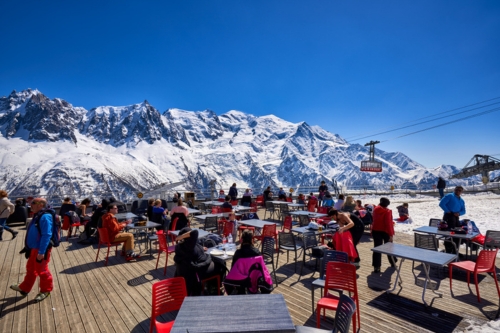
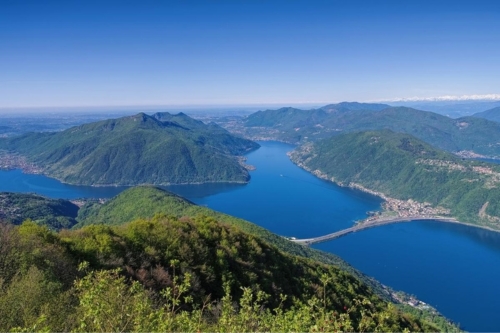
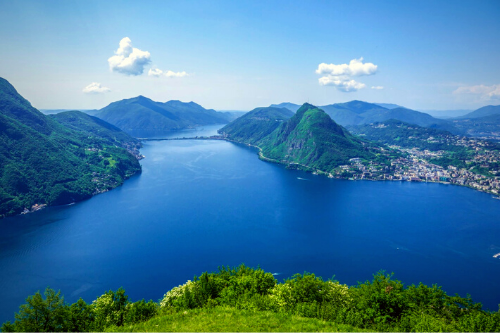
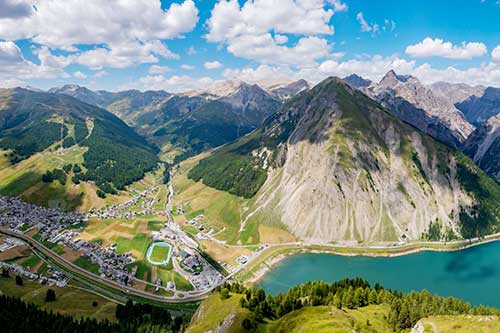
Embracing the winter wonderland without the need for downhill slopes and ski gear is a dream come true for many.  Whether you're seeking a cosy retreat by the fireplace or thrilling adventures in the snow, these top winter resorts for non-skiers offer a world of enchanting experiences. So, as the snow blankets the landscape, journey through some of the most captivating destinations that cater to those who prefer savouring the season in ways that don't involve skiing.  From enchanting Christmas Markets to rejuvenating spa escapes, this guide will help you unlock the magic of winter without ever strapping on a pair of skis. Here’s our selection of resorts to enjoy winter off the ski slopes: Which ski resort in France is best for non-skiers? The lovely terrace on Brevent, a winter sports resort in Chamonix Mont Blanc Though a world-famous ski resort, Chamonix in winter is also an excellent destination for non-skiers. The village offers a variety of alternative sports and activities, including ice skating, curling, indoor tennis, and squash. For shopping, you can visit nearby Megève with its designer boutiques. Meanwhile, food enthusiasts can indulge at the two-Michelin-starred Restaurant Albert 1er, known for top-quality cuisine and stunning views. Even if you are looking for a less pricey option, the Haute-Savoie cuisine won’t disappoint!  Chamonix also boasts a vibrant nightlife scene, with numerous bars and clubs, including the main nightclub, L'Amnesia, featuring international DJs throughout the season. The resort also offers some alpine relaxation with the nearby St-Gervais-Les Bains thermal baths set in a picturesque, wooded park with indoor and outdoor pools filled with natural mountain spring water rich in minerals and sulfur. This water is believed to have therapeutic benefits for the skin, respiratory issues, and conditions like rheumatism and arthritis! Want to try Chamonix as a winter destination that is more than just skiing?  Start by wish listing your holiday accommodation in Mont Blanc! Can you go to Switzerland and not ski? If winter is not all about skiing for you, then switch it up and visit a cosmopolitan city like Lugano.  Beautiful arial view of Lugano in winter that you can catch hiking up one of the summits Located in the Italian-speaking part of Switzerland, Lugano offers several enjoyable activities during winter. Adding culture to vacations is easy, with Lugano's museums and galleries like the Museo d'Arte della Svizzera Italiana and Villa Ciani being home to vibrant art and culture scene. Attend performances at the Lugano Arte e Cultura center, and after sipping some delicious hot chocolate indulge in a shopping break along the famous Via Nassa. If you visit during the holiday season, the Lugano Winter Village offers an ice rink and a festive atmosphere with holiday markets.  Monte Brè and Monte Generoso also provide excellent opportunities for winter hiking and snowshoeing, though do keep in mind that the funicular up to Monte Brè is closed from January to February and on Christmas day. And while the lakeside may be cold, taking a boat trip on Lake Lugano is still an enjoyable way to appreciate the surrounding landscapes, which can be easily recovered from, with Termali Salini & Spa in Locarno, accessible by train.  Need more ideas on how to spend your vacation in Lugano?  From city center to lakeside bliss, check out these fabulous holiday homes in Lugano! What to do in Livigno if you don't ski?  Sciatt, crispy round buckwheat pancakes that hide a tasty heart of stringy cheese Livigno during winter offers an abundance of hiking trails and is an ideal destination for those seeking to explore scenic mountain views. Additionally, for shopping enthusiasts, Livigno offers eight fabulous shopping centers, where you might want to set a budget before you enter in. And don’t forget to enjoy  the delicious cuisine of Valtellina region, perfect for recharging your batteries after a day on the move. If you want to have once in a lifetime experience, take the panoramic train Bernina Express from Tirano, only one hour and half drive by car. Or if you need some rest after all the hiking, visit the 2000-year-old Bagni Vecchi di Bormio at less than 1 hour's drive. Another option is to do a quick trip in the enchanting village of St Moritz, which is less than one hour drive away! So start looking for the perfect stay in Livigno for this year's winter vacation now! What to do on Lake Maggiore in Winter? A serene view of the Monte Rosa peak from Mt. Mottarone  Lago Maggiore remains charming in the winter months, offering a serene and peaceful atmosphere. While some attractions are closed, there are several reasons to visit. Enjoying a leisurely lakeside walk in Stresa and visiting the Borromean Islands without the crowds are two of them. Though Isola Madre's English gardens are closed during this season, you can still visit Isola dei Pescatori, the only inhabited island, as well as Isola Bella on weekends and during festivities.  Explore historic sites like Borromean Rocca d'Angera, here you can go see the Museum of Dolls and Toys, a hidden gem worth visiting. Additionally, you can reach Mount Mottarone by car from Lake Orta and Armeno (provincial road 41), or on the other side from Stresa and Gignese (the cable car in Stresa is closed). The summit provides stunning views over various mountain ranges and the "Seven Lakes", and is a haven for trekking enthusiasts, with historical and scenic trails like Alpino Village-Mottarone Summit passing through diverse forests.  Don’t forget to savor local cuisine, with a focus on delicious lake fish.  Book a winter stay in Lake Maggiore for a memorable experience. What is Slovenia like in winter for a non-skier? Enter a fairytale in Slovenia.  A fairy-tale glimpse of the Church of Sv. John the Baptist perched on the banks of Lake Bohinj  With natural wonders like Lake Bled, its tranquil waters, forested shores, and a church on a tiny island, Slovenia is a major winter draw. During the season, the area around the exceptional beauty of the lake transforms into a picturesque, snow-covered wonderland as mist rises from the mountains. Visitors can enjoy invigorating walks and savor hearty local dishes like goulash.  While Lake Bled is famous, Lake Bohinj, Slovenia's largest lake in the Julian Alps with its frozen waters and snow-covered trees, offers a similar winter beauty within Triglav National Park. Nearby, the charming village of Bohinjska Bistrica leads to a tranquil winter experience with snow-covered mountains, along with areas ideal for exploring on foot (and snowshoeing!), with a free local bus service connecting the two lakes and the village for easy access.  If Christmas is approaching and you want something more festive, situated just an hour’s journey from Bled is Ljubljana and its amazing Christmas Market. While, if you want only to relax, don’t miss on the centenary natural hot springs and thermal spas of Slovenia. From vineyard chalets to holiday homes with saunas and spas, find your perfect winter haven in Slovenia. If you still have doubts... How can I enjoy snow without skiing? Enjoying the snow without skiing is entirely possible, and there are many fun and engaging activities like: 1. Snowshoeing: Snowshoeing is an excellent way to explore snowy landscapes. It's like hiking, but with special footwear that helps you walk on top of the snow. Hiking aficionados can challenge themselves with snowshoeing 2. Snow Tubing: Find a local snow tubing hill or park and go snow tubing. It's like sledding, but you typically ride down a groomed hill on an inflatable tube. 3. Ice Skating: Many places have outdoor ice-skating rinks during winter. Whether you're a skilled skater or a beginner, it's a fun and beautiful winter activity. 4. Winter Hiking: If you enjoy hiking, try winter hiking with the right equipment. It offers a unique and peaceful experience.  5. Photography and Stargazing: Snow-covered landscapes can make for stunning photographs. Grab your camera or smartphone and capture the winter beauty and starry skies. Capture the winter beauty through a panoramic train travel such as the Bernina Express  6. Birdwatching: Many bird species stay in snowy regions during the winter. Set up a bird feeder in your yard and enjoy observing the feathered visitors. 7. Sleigh Rides: Look for local places that offer horse-drawn sleigh or carriage rides through snowy countryside. 8. Winter Camping: If you're an experienced camper and enjoy adventure, try winter camping. Be sure to use the right gear and dress warmly. 9. Indoor Activities: Sometimes it's best to enjoy the snow from the warmth of indoors. Cosy up by the fireplace with a good book or movie or try cooking a warm winter meal. What’s better than a cosy holiday home to enjoy some indoor activities when the weather is not helping? 10. Hot Springs or Spas: If there are hot springs or spas nearby, taking a dip in warm waters while surrounded by snow can be incredibly relaxing. 11. Winter Festivals: Check if there are any local winter festivals or events that you can attend. These often feature music, food, and various activities. 12. Ice Fishing: If you enjoy fishing, consider trying ice fishing, but make sure to do it safely with the proper gear. 13. Snow Biking: Fat-tire biking is a popular winter sport. You can rent or purchase a fat-tire bike and explore snowy trails. Remember to dress warmly and be prepared for cold and potentially wet conditions. Safety should always be a priority when enjoying the snow, and it's a good idea to check the weather and snow conditions before heading out. Whether you prefer active outdoor activities or quiet indoor pastimes, there are plenty of ways to enjoy the winter season without skiing.  Don’t forget to check local event calendars and weather conditions to plan your activities and make the most of your winter visit to these incredible destinations for non-skiers. 

Top 8 under-the-radar places in Europe to welcome the New Year

Know where you are going to celebrate the New Year? There's something undeniably enchanting about celebrating New Year's Eve in a city that hasn't been overwhelmed by mainstream tourism. So, step off the beaten path and explore the alluring underbelly of Europe's New Year's celebrations, where age-old traditions and modern festivities intertwine for a truly captivating experience. Below we have listed the 10 best places to spend New Year’s Eve in Europe whether you are travelling alone, with friends or family! Marbella Marbella’s palm-lined street on a sunny day Soak up a unique Spanish tradition in Marbella's Old Town's Plaza de Los Naranjos where the streets come alive in shared celebrations. Combine tradition with dining options that are abound, from Italian elegance at Villa Tiberio to the party atmosphere of Mosh Fun Kitchen. Head to Michelin starred restaurants in Marbella; or to La Sala that offers a cosy ambience with live music, and Breathe, which promises a gastronomic extravaganza. Clubs like Olivia Valere, Momento, and La Suite also open their doors early, often featuring renowned DJs and spectacular fireworks.  Whether it’s a cozy night in, a lavish restaurant feast, or dancing until dawn, Marbella has tons of options and holiday homes for every taste. Don’t forget the Spanish ritual of eating 12 grapes at midnight to bring luck and prosperity in the new year. Zagreb Night view from the Strossmayer Promenade during Advent in Zagreb Zagreb's transformation on New Year's Eve is nothing short of an electrifying festival. The Ban Jelačić Square comes alive with both locals and tourists, who gather to celebrate the arrival of the New Year with spectacular fireworks, live performances and music groups from across the country. Night owls can revel in the vibrant nightlife of Zagreb by celebrating the New Year in popular nightclubs such as Saloon and Sokol. Piranha and Aquarius, situated near the picturesque Jarun Lake draw both locals and tourists and promises an energetic celebration. Stay for longer in Zagreb to enjoy its phenomenal Christmas market and combine the festivities with a visit to nearby ski resorts like Sljeme Mountain ski resort, Bjelolasica and Platak or to the Narnia-land of Plitvice Lakes.  Valletta Fireworks in Valletta (Malta) during New Year celebration A holiday escape to Malta for New Year's Eve means options for how to spend the evening are as varied as they are exciting. From a delightful meal at one of the island's top restaurants and enjoying drinks with friends to diving headfirst into a glamorous New Year's Eve party, amidst all these possibilities, one thing is clear: Valletta is the ultimate destination for the New Year celebrations! Typically, on New Year's Eve, Valletta undergoes a spectacular transformation. Against the backdrop of the awe-inspiring Grandmaster's Palace, Malta's top local artists and bands take the main stage in St. George's Square. Alongside them, international artists, street performers, and aerial entertainers unite to ensure that the massive crowds are captivated throughout the night! Book your holiday home now to usher in the New Year in Malta. Chamonix Vintage red cable cars in the snow-clad French alps Whether it’s a captivating concert, a local disco, a pub crawl, or a gourmet feast, Chamonix has something for everyone. Chamonix's compact size ensures an abundance of places to continue the festivities. Arrive at the clock tower in time for the thrilling countdown and fireworks.  Dive into an array of fine restaurants perfect for New Year's Eve, from gourmet French cuisine featuring truffles and oysters to traditional Alpine fare like fondue and Genepi.  For those seeking an extraordinary way to welcome the new year, consider trying adventurous off-the-slopes activities like ice climbing, ski touring, or glacier hiking. Or, just spend the first day of the year skiing. Book your holiday home in this chic ski resort for New Year’s Eve. Lugano  Enjoy Lake Lugano in characteristic pleasure boats In December, Lugano transforms into a winter wonderland with Christmas markets, decorations, and lights. Piazza della Riforma, especially on Thursdays, Fridays, and Saturdays around 6 pm, becomes alive with live music and entertainment. Lugano offers an array of museums, churches, and parks like the stunning Chiesa di Santa Maria degli Angeli, Chiesa San Rocco Lugano Arte Cultura (LAC), and Museo Cantonale d'Arte. If the weather is favorable, parks like Parco Civico Ciani and Parco Villa Florida offer pleasant spaces to unwind. Lugano also knows how to throw a remarkable New Year's Eve bash. So, head to Piazza della Riforma for a grand open-air celebration and catch the New Year's Day parade making its way to Palazzo dei Congressi from the Piazza at 11 am the next day. Stay for New Year's Eve in Lugano, where festivities, food, and excitement come together for an unforgettable start to the year.  Bled Go for a hike with the stunning Lake Bled in the background The captivating image of an island nestled in the middle of the lake is how Bled is known all over the world. However, the destination may still be an unlikely choice for celebrating the New Year, meaning its delight and fairytale setting is all yours, with just about enough things to make memories of a lifetime. Embark on a serene six-kilometer trail around the lake and enjoy picturesque views, including the island and the Karavanke Mountains. Alternatively, explore Castle Hill or nearby hills for panoramic vistas.  On New Year’s Eve, relish a sumptuous dinner and exchange New Year's kisses as the sky above lights up with a stunning display of fireworks and treat yourself to the iconic Bled cream cake, Kremšnita! Tip: If you are more of a city person, stay in Ljubljana that hosts several concerts of different music genres in its many squares and is just an hour’s drive from Bled! Catania The majestic Mount Etna which towers over Catania Its milder climate and proximity to distinctive backdrops like Mount Etna volcano, makes Catania a captivating New Year’s destination. The heart of Catania's New Year's Eve festivities is Piazza Duomo that hosts the city's largest concert, featuring nationally acclaimed artists who perform against the stunning backdrop of the square's historic architecture. Following the live performances, a lively DJ set keeps the celebrations going well into the early hours of the new year. For those with a penchant for rich classical music, a visit to Teatro Bellini offers an enchanting experience. Adorned with intricately frescoed ceilings, Teatro Bellini stands as a testament to Catania's cultural heritage and holds an annual concert on December 31st, adding a touch of refined musical elegance to the New Year's celebrations. Book your holiday home to celebrate New Year’s Eve in Catania. Lecce The forever sunny and characteristic streets in Lecce, Puglia Lecce, a charming city in Southern Italy, is a popular destination for New Year's Eve celebrations for locals but not yet for international tourists, making it a very cosy, under-the-radar destination. The city comes alive with events, including concerts, parties, and museum openings. The historic center is a key attraction, adorned with stands and craft markets. Notably, the Piazza Libertini hosts a major concert, and local venues provide diverse options for celebrations, from exclusive wine tastings to vibrant nightclub parties.  For an exclusive New Years’ experience, enjoying vintage wines and haute cuisine, the Viveur is a point of reference. Mastro Café e Bistrò and Mastro Enomaltoteca offer an alternative experience with their "Non Capodanno" concept, providing a New Year's Eve free from set dinners and instead offering à la carte orders and high-class drinks.  Discover the New Year with a new zeal and book your holiday home in Salento. Don’t forget to book in advance for your party or restaurant! If you want to know more about new year’s European traditions, check out our classic blogs about Malta, Switzerland and Croatia and about Spain, Italy, Greece and Belgium.

8 best countries for female solo travellers

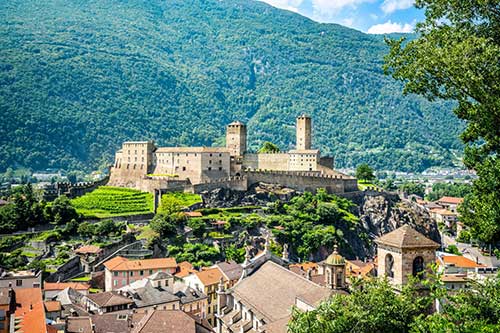
When it comes travelling nowadays, one in every three traveller, especially women, wants to experience the world on their own! In 2022 alone, women aged 65 and older accounted for 18% of solo travellers, a significant increase from 4% in 2019!   With older women driving the trend and a general increase in the popularity of solo travel among women, many countries have also been working towards improving safety and equality for female travellers. But this does not mean that women still don’t face the unique challenges of travelling alone. Safety, accessibility and cultural acceptance are still very relevant considerations when choosing a destination to travel alone. However, these challenges should not stop you from exploring and discovering new countries and cultures on your own. The stunning aerial view of the sea in GreeceBy choosing safe travel destinations, you can embark on solo adventures, explore diverse cultures, and create unforgettable memories, while feeling secure and empowered throughout your journey. Although preferences may vary, here are eight countries that are generally considered to be great options if you are planning solo travel. Safe solo female travel destinations 1. Spain According to the Women's Danger Index, Spain has emerged as the top-ranked country for the safety of female solo travellers. It boasts high levels of street safety, low legal discrimination, and a low violence rating against women. Lovely beach in the small town of Nerja, Costa del Sol When planning your trip to Spain, you can indulge in sun-soaked relaxation on the country's beautiful Mediterranean beaches or immerse yourself in the captivating architecture of its cities such as Málaga and Marbella. Navigating and getting around the cities is hassle-free, allowing for seamless exploration and independent adventures. 2. Slovenia Slovenia, ranking at the top of the Women's Peace and Security (WPS) index for Central and Eastern Europe, has made significant progress in enhancing women's safety in recent years. According to the index, a remarkable 85% of women feel safe in Slovenia. A tranquil panoramic view of Lake Bled from the surrounding hiking paths Nestled in central Europe, Slovenia welcomes all those seeking a serene and eco-friendly retreat. It is an ideal destination for adventurous souls, if you are into cycling or winter sports, it’s the destination for you! Travellers visiting Slovenia should not miss the enchanting Lake Bled, renowned as one of Europe's most stunning lakes. Additionally, the country boasts over 10,000 caves, with the Krizna Jama Cave standing out as one of Europe's most captivating underground wonders, preserved in its natural splendor. 3. Switzerland Known for its fairytale landscapes, efficient public transportation, and well-maintained hiking trails, Switzerland is the seventh most peaceful country in the world, according to the Global Peace Index (GPI). It is also one of Europe safest countries to travel alone with lots of attractions to see and things to do despite its small size. Visit its parks in autumn, the beautiful castles of Bellinzona, hike the Olive tree trail or have day trips in picturesque places such as Morcote and Lucerne. The romantic promenade of the Ascona waterfront 4. Belgium Often overlooked by other European destinations, Belgium is a country full of gems and beautiful cities to discover. Belgium holds the tenth position in the International Women's Travel Center's list of the best countries for female solo travellers. The country's popularity for study abroad programs make it an excellent destination, particularly for young girls traveling alone, as they can meet other travellers of their age group. The characteristic architecture of Ieper with al fresco restaurants Art enthusiasts will appreciate under the radar cities such as Knokke and its art galleries while Bruges is a perfect destination for a slow day trip! There are also curiosities for those interested in WWII, with cities like Ieper attracting tourists to war memorials, artifacts, and museums. 5. Italy When it comes to solo travel, Italy is an outstanding destination: it’s relatively safe and has plenty of sights or activities to keep you occupied for a while! The beautiful crystal-clear Sea of Puglia from the cliffs and the sea stacks of Sant'Andrea, Salento Italy is a very diverse country, and you could find activities to suit all tastes. Although in big cities such as Rome, Milan and Naples petty crimes can happen but other under the radar destinations are quite safe. Plan a road trip in Sicily, Puglia and Tuscany or enjoy a swim or a cycling tour in the tranquil landscapes of Italian lakes. 6. Croatia Crime in Croatia is relatively low, making it extremely safe for solo traveling, especially for women. Gorgeous aerial view of Dubrovnik and its mesmerising blue waters Immerse in the breathtaking beauty of Croatia by having a tour of the stunning Plitvice Lakes or explore the under-rated but truly beautiful heart of Continental Croatia. Visit cities such as Zadar, Šibenik and Zagreb, meet incredible individuals, savor delicious Croatian delicacies, and don’t miss its stunning beaches. 7. France The most visited country in the world, France, has made it in our list as the country has a low gender gap according to Ampersand. Moreover, cat-calling and street harassment are outlawed and placed with hefty on-the-spot fines. That’s way it earns its spot as one of the safest countries for solo female travellers because of how it puts high regard for women’s rights. Picturesque road in the medieval village of Eze on the Côte d'Azur coast, France If bigger cities such as Paris aren’t new to petty crimes, destinations such as Mont Blanc and the French Riviera are way safer. Discover the best activities you can do as a non-skier in the wonderful Mont Blanc region, plan your excursion to the Lac Blanc or enjoy a boat tour in the clear water of the French Riviera. 8. Greece Greece offers stunning landscapes, from its beautiful islands to historic cities. It is a safe country to travel to, with low crime rates, especially against women. While popular areas like Athens may require some caution with petty crimes like pickpocketing, most destinations are secure. Sailing or flying to places like Santorini and Crete provides incredible experiences. Solo travellers will find Crete, Kos, and Rhodes among the best Greek islands to explore. Consider visiting Greece in May or September for a less crowded experience.The pink sand and the clear turquoise water of the Elafonissi beach, CreteSafety tips for women traveling alone Traveling alone as a woman can be a rewarding and empowering experience. To ensure your safety and peace of mind during your journey, consider the following tips:  Research your destination: Before you travel, research the areas you plan to visit, including any safety concerns or travel advisories, local customs, traditions, and laws. Share your itinerary: Inform a trusted friend or family member about your travel plans. Provide them with your complete itinerary and stay in touch with them regularly. Avoid wearing flamboyant and/or expensive clothes: To avoid drawing unnecessary attention, it’s advisable to keep it simple and wear inexpensive stuff. Be cautious with personal information: Avoid sharing too much personal information with strangers, especially about your travel plans, accommodations, or solo status.  Stay connected: Ensure you have a reliable means of communication, like a mobile phone with local SIM or access to Wi-Fi. Consider using safety apps or sharing your location with trusted contacts. Trust your instincts: Always trust your gut feelings and intuition. If a situation feels uncomfortable/unsafe, remove yourself from it. Be assertive and confident in your decisions, and don't hesitate to seek help from authorities or trusted individuals.  Use reliable transportation: Choose reputable transportation options, such as licensed taxis or ride-sharing services, especially when traveling at night or in unfamiliar areas. If possible, arrange transportation in advance or use official taxi stands.  Stay aware of your surroundings: Be vigilant and aware of your surroundings. Avoid walking alone in dimly lit or deserted areas, especially at night. Stay in well-populated areas and be cautious in crowded places, keeping an eye on your belongings.  Connect with other travellers: Consider joining group tours, attending social events, or staying in accommodations that encourage social interaction with fellow travellers. Building connections can enhance your safety and provide opportunities for shared experiences. Choose reputable accommodations: Prioritize staying in well-reviewed and reputable accommodations, especially if you're arriving late at night. Consider accommodations with 24-hour reception or opt for homestays with verified hosts like Happy.Rentals.  While it's important to be cautious, don't let fear prevent you from enjoying your journey. With proper preparation, awareness, and trust in your abilities, solo travel can be a transformative and enriching experience. So, pack your bags, embrace the thrill of exploration, and start your quest to discover these safest travel destinations for women. Happy travels! 

Cycling Tours Around the Swiss and Italian Lakes

Cycling around the Swiss and Italian lakes is one of the best ways to breathe, experience and completely soak in these areas' unparalleled geography and natural beauty. From super easy and family-friendly tracks to the more challenging pro trails, the bigger Swiss and Italian Lakes (Lake Maggiore, Lake Lugano, Lake Como, and Lake Garda) offers cyclists of all abilities some stunning routes to enjoy during spring and summer. So read on and discover a range of Italian and Swiss lakes cycling tour itineraries to enjoy solo or with family and friends! Cycling around Lake Lugano The dramatic pre-alpine scenery of Lake Lugano is an alluring avenue for all cyclists. Winding through vineyards, valleys and panoramic roads, the Lugano area alone has an impressive 300 km (about 186.41 mi) cycling network. Some of the best-known routes are around Monte Arbostora, Monte Sighignola, Monte Brè and around the flat area of Lake Lugano. Sighignola Called the Balcone d’Italia for its far-reaching views that can even reach Monte Rosa on a clear day, the cycling route on Sighignola is quite challenging but worth it for its unparalleled views. There are 2 routes that you can take to reach the summit: the 16 km (about 9.94 mi) Maroggia route and the longer, 20 km (about 12.43 mi) route via Osteno and San Fedele. A breathtaking panorama of Lake Lugano and the Alps from Balcone d’Italia Gravesano-Arosio A relatively challenging route, this path is famously called “Penudria” by the locals because of its sheer difficulty. The route involves some 20 hairpin bends on a 3.3 km route with gradients (slopes) up to 20%, and courses between Gravesano and Arosio. Vico Morcote-Carona This intermediate 26 km (about 16.16 mi) long trail starts from the prettiest village in Switzerland known as Morcote. The trail starts from Morcote, climbs Monte Arbostora and goes through a magical beech forest, the Parco Belvedere, and Melide. The lakeside village of Morcote, also considered one of the prettiest Swiss villages  Southern Basin of Lake Lugano This is a completely flat loop route which is 50 km (about 31.07 mi) long and takes you through Porto Ceresio, Brusimpiano, Lavena Ponte Tresa, Caslano’s back roads and then through some of the most suggestive villages around the lake namely: Agno, Morcote, Melide, Bissone, Capolago, Riva San Vitale and Brusino. Tip: Do not miss the famous SwissMiniatur on your trail if you are passing through the Melide causeway for the first time! Find convenient holiday homes around Lake Lugano for carefree cycling tours. Cycling around Lake Maggiore The second largest lake in Italy has a considerable portion of it in Switzerland, where it touches the lovely towns of Locarno and Ascona. In the Italian part though, it's Stresa that offers a beautiful road cycling Italian lakes experience and attractions. However, the area allows one to easily run into the wilderness and be one with nature too. Locarno-Ascona This is a 27 km (about 16.78 mi) route to cross Locarno and Ascona and reach the capital of Ticino called Bellinzona, famous for its three UNESCO-protected historic castles. The route starts from the promenade of Ascona, along the shores of Lake Maggiore till Locarno, then passes the lido and the shore of Tenero, across the Magadino Plain before reaching Bellinzona. The vibrant town of Locarno on Lake Maggiore’s shores Ascona-Brissago-Ronco Including the picturesque Brissago Islands in the itinerary, this loop route is 20 km (about 12.43 mi) long and has a slope of 428m (about 1404.2 ft). The route starts from the atmospheric town of Ascona, moves towards Brissago, then climbs to Madonna del Sacromonte, then to Ronco till Arcegno, Losone and back to Ascona.  Locarno-Monte Brè  If you want to cover two lakes on your cycling route, then this 10.5 km (about 6.52 mi)-long trail is perfect. Starting from the lakeside town of Locarno on Lake Maggiore, the route moves from this vibrant town and takes you to the typically Ticinese architecture of Brè near Lugano. A dreamy aerial view of Monte Brè Tip: If you plan your trip during spring, then do not miss out on the magical, blossoming gardens of Lake Maggiore. Find convenient holiday homes around Lake Maggiore for carefree cycling tours.Cycling around Lake Como The most famous Italian lake, Lake Como, offers you some of the most unique pathways and routes to chart on your cycling tour. But since the lake is super famous can you bike around Lake Como Italy without running into the crowds? The answer is yes. As you cycle through the various characteristic Lake Como villages, mountains and roads, you will come across ornate villas, churches, gardens, and unparalleled panoramas on the more famous routes, but there are also solitude-filled routes to enjoy. Lovely springtime in Bellagio, Lake Como Short bike rides to attractions Lake Como not only offers attractive routes but also routes that you can cover at leisure and alter according to your comfort.  Going along the suggestive lakeshore of Lake Como, you can reach Villa Balbianello, the world-renowned 19th Century lakeside structure where many movie scenes have been filmed. Depending on your location on the lake, one can also ride to Colico’s Piona Abbey at the foot of Monte Legnone and enjoy the famous liqueurs prepared by the monks of the abbey. Tip: Set a day aside to explore the towns of Lake Como on foot with its suggestive panoramic Greenway route. Can you bike around Lake Como town? Again, yes! The famous cycling route to the Shrine of Madonna del Ghisallo, the patron saint of cyclists, starts from the beautiful Lake Como village, Bellagio!  The route is a 500m (about 1640.42 ft) altitude climb, 10.6km (about 6.59 mi) long and takes you through a part of the Giro di Lombardia route: starting from the south of Bellagio, it goes to the shrine that houses cycling memorabilia from famous races! The shrine of Madonna del Ghisallo, patroness of travellers and cyclists Tour hillside Lecco The hillside of Lecco offers unbeatable panoramas, however, cycling through it may not be all that easy. The Lecco trail is a medium-level loop route of about 14 km (about 8.7 mi) and a slope of 400m (about 1312.34 ft). It can start from Lecco’s stadium and roughly covers the route through Olate, Hamlet of Bonacina, Chiesa della Madonna di Lourdes, Ballabio, River Bione, Madonnina, and Neguggio before ending in Lecco. Como-Bellagio This route takes you along the ridge dividing Lake Como into two and is for those with a high fitness level. The trail is 38km (about 23.61 mi) long, with slopes of 1470m (about 4822.83 ft) and rewards you with such beautiful views of Bellagio that you won’t find anywhere else. The route starts from the cable railway station and roughly covers zones of Monte Boletto, south of Como, Brunate, San Pietro Cabin, and Monte San Primo. Find convenient holiday homes in Lake Como for carefree cycling tours. Cycling around Lake Garda Lake Garda is a beautiful mix of lush mountains, colourful lakeside towns like Riva del Garda, Sirmione and Salò, natural monuments and is a hub for enjoying various sports, especially in the Trentino-Alto-Adige region. The lake area offers varied routes suited to mountain bikes, racing bikes and even fat bikes and is perfect for families too.  The colourful Riva del Garda on the northern shore of Lake Garda Limone cycling path Opened to the public in 2018, this wooden boardwalk path from Limone to Capo Reamol is for both hikers and cyclists. The path offers you the chance to walk/cycle literally over the lake, with you covering the 2.5 km length of the bridge suspended in mid-air. The route can even be coursed during the night as it is lit with LEDs! 

New year's traditions in Switzerland, Croatia, and Malta

When in Rome, do as the Romans do! This saying is especially true for New Year´s celebrations, which are often very different even within the same country! But the common thread that unites different countries is the so-called New Year's bangs, where a lot of “noise-making" happens to ward off the evil. According to tradition, evil spirits are said to have been released into the human world between 25 December and 6 January, generating fear and terror. So, to scare the evil spirits, New Year´s Eve is celebrated with “a lot of noise” and “firecrackers”! If you are thinking of celebrating New Year abroad, continue reading our blog to discover the local traditions of 3 incredible countries and start planning an unforgettable  celebration!   Celebrate the New Year twice in SwitzerlandSwitzerland is one of the European countries with the most diverse and suggestive traditions. However, all Swiss people celebrate New Year’s Eve twice, between December 31 to January 1 and January 13 and 14! In fact, the Julian calendar is also followed in Switzerland.    The magic of Lugano’s New Year’s celebrations On the night of the 31st, it is customary to drop ice cream on the floor several times as a wish for a lucky year. On January 13th, the Swiss usually dine with their loved ones and exchange gifts. New Year’s Eve is celebrated with fireworks, live music and DJs. The most popular and atmospheric destinations are Interlaken, Geneva, Saint Moritz, Zurich, Zermatt, Lucerne and Lugano. In Lugano, people meet at Piazza della Riforma to bid farewell to the past year and welcome the new one.   You can also book your holiday home in Lugano if you want to experience a unique Swiss-Italian vibe, or if you love snow and mountains check out our holiday homes in La Tzoumaz.   Other noteworthy traditions include the Römpelfeuer bonfire in St Gallen to chase away the evil spirit of the Rappenstein Knight; the Achetringeler in Laupen, masked men with brooms and bells whose task is to chase away evil; and the Silvesterklausen in Appenzell Ausserrhoden, a group of men who go from house to house ringing bells and wishing the New Year well.   If you feel like extending your stay? Read our guide for Digital nomads in Switzerland.   New Year in Croatia amidst curious customs and celebrations In Croatia, New Year's Eve or Silvestrovo is celebrated with fireworks and toasts. To welcome the New Year, Croatians clean their homes, wear elegant clothes, and prepare delicacies to share with family and friends. It is believed that the upcoming year will go according to how one spent New Year´s Eve.   For example, if one spends the night celebrating with loved ones and eating good food, it means that one will be in the company of loved ones and eat good food in the upcoming year as well.   Fireworks lighting the sky over Zagreb’s cathedral  However, it is also very common to celebrate in clubs or restaurants, so remember to make a reservation if you want to find a place. But, if you plan to spend the night on the streets, almost every city organises something to entertain the crowds that fill the streets. The best events are organised in the main squares of the larger cities where concerts with famous singers are often held.   In Split, the more daring can play 'picigin' in the ice-cold waters of Bačvice beach. Picigin is played with a rubber ball that must be exchanged between players by hand. There are no points or teams, but all players help to keep the ball in play for as long as possible.   Other curious Croatian traditions include washing one's face in water in which an apple with a coin inside it has been dipped. It is supposed to bring good luck for the new year; also, you should make sure that the first person to wish you well is a man as it is supposed to be a good omen! Are you ready to celebrate the New Year’s Eve in Croatia? Book any of our versatile holiday homes!   If Croatia has captivated you and you are planning to spend some time there, also read our blog for Digital Nomads in Croatia!   New Year's traditions in Malta amid fireworks and clubbing   Fireworks are one of Malta's oldest traditions, the most spectacular of one can be seen in Valletta on New Year's Eve, accompanied by small street concerts. However, every town organises street parties and events, with the city of Floriana being another popular point for the Maltese to meet and celebrate. Atmospheric New Year’s celebrations on Valletta waterfront For the countdown, people usually meet in St George's Square, on the Valletta waterfront and on St Anne's Street in Floriana. Many celebrate in clubs and discos; St Julian's and Paceville have the best nightclubs, where entertainment is guaranteed all night long. However, on the night of New Year's Eve it is expected to be a full house, so it is best to make a reservation to avoid being left out of the party scene!   New Year is celebrated in Malta with a big family lunch. If you're on holiday here, you're sure to find several restaurants offering menus for the occasion but remember to book one well in advance! If the weather is nice, take trips outdoors, for example to Buskett, Dingli, Mellieħa, or Mdina like the Maltese do and then head back to the bars and clubs of Paceville to continue the celebrations.   Love the warm winter sun? Book your holiday home in Malta and get ready to enjoy a cosier holiday than anywhere else in Europe.   Thinking of extending your stay by a few months? Read our tips for Digital Nomads.  Curious about other countries’ New Year’s Eve traditions? Read our other blog about Spain, Italy, Greece and Belgium! Happy New Year!

Unique Christmas Markets in Europe

Between Christmas dinners, gifting and carols, there is a much-awaited Christmas tradition that draws thousands of visitors to various gorgeous cities all over Europe. The European Christmas markets are that something special that you find nowhere else in the world during the festive season. With their enchanting combination of wooden chalets, regional food, ice-skating rinks, and unique themes, these Christmas markets make European cities captivating winter destinations for friends, families and travellers looking to soak up some culture on vacations.  Below, we have rounded up some of the most awesome on-the-radar Christmas markets in Europe for the festive edition 2025-2026!  Ljubljana Christmas Market The beautiful reflections of Christmassy facades lighting up the Ljubljanica Ljubljana’s festive programme fills the historical city centre with markets, concerts and free family events. The city runs a broad “Festive December” programme (tree-lighting, organ-grinders and music on Pogačarjev trg, a Castle Festive Fair, a Magical Forest eco-workshop, nativity scenes and special children’s events). Entrance to the festive market areas is free; the Visit Ljubljana event page acts as the official programme hub and will publish the exact 2025 dates and the switch-on schedule when confirmed. Where: Prešeren Square, Kongresni trg, Castle area and embankments along the Ljubljanica.What to expect: Local craft chalets, sustainable/eco-themed workshops, live concerts and nightly light displays.Where to stay: Accommodations in Ljubljana. Zagreb Christmas Market A magical view of the Ban Jelačić Square in Zagreb Zagreb’s award-winning Advent returns in late November with dozens of themed markets around the city — Ban Jelačić Square, Zrinjevac, European Square and the Upper Town. For 2025 the official Advent Zagreb dates are published as 29 November 2025 – 7 January 2026; expect the ice-rink, a Ferris wheel, themed food stalls and a full programme of concerts and children’s events.Where: Ban Jelačić Square (main market) + multiple city squares and promenades.What to expect: Traditional foods (fritule, sarma, grilled sausages), mulled wine, kids’ rides and an ice rink — plus many small neighbourhood markets to explore.Where to stay: Accommodations in Zagreb Bruges Christmas Market (Bruges Winter Glow) The magical Grote Markt in Bruges during Christmas Bruges’ Winter Glow returns with two principal markets in the historic centre — the Markt (Market Square) and Simon Stevinplein — each with a distinct character (traditional gifts on the Markt; short-chain/craft producers at Simon Stevinplein). Opening dates for Winter Glow 2025–26 are 21 November 2025 – 4 January 2026. Opening hours and special late-night hours on weekends and New Year’s Eve are listed on the Visit Bruges site. Where: Grote Markt (Markt) and Simon Stevinplein.What to expect: Waffles, jenever, Glühwein, craft stalls, an ice rink and the new Light Experience Trail as part of Winter Glow.Places to stay: Accommodations near Bruges Merano Christmas Market The mythical Krampus that starts roaming the streets of Merano during Christmas More Austrian than Italian in its vibes, the spa city of Merano has one of the most unique settings.  Merano’s atmospheric market, chalets against mountain scenery and the town’s spa-town vibe will run for the 2025 season from 28 November 2025 to 6 January 2026. The programme includes artisan stalls, regional Südtirol specialities, themed markets (textile, jewellery, ceramics) and events inside Castle Tyrol on selected dates.Where: Kurhaus area, Castle Tyrol, Theatre Puccini and town centre.What to expect: South Tyrol cakes, mulled wine, alpine crafts, Krampus-style parades and smaller specialist markets across town.Where to stay: Accommodations in Merano Lugano Christmas Market, Switzerland Lugano’s enchanting Christmas winter park Lugano’s lakeside Mediterranean charm meets a festive programme: for 2025 the city’s official listings show 27 November 2025 – 6 January 2026 for the Natale/Christmas programme, with market chalets in central piazzas (Piazza della Riforma and other squares), lights in Parco Ciani and family events. Opening hours for Piazza markets are published by the city (times vary by square).Where: Piazza della Riforma (main tree & central stalls), Via Nassa, Piazza Manzoni, Parco Ciani (lights/enchanted forest).What to expect: lakeside strolls between chalets, Italian-Swiss street food, live music and a warm, refined festive atmosphere.Where to stay: Accommodations in LuganoTip: If it is your first time in Lugano, then head to these extremely picturesque locations: Gandria and the prettiest village in Switzerland, Morcote. Chamonix Christmas Market A wintry Christmas atmosphere in Chamonix Chamonix’s valley programme gathers local villages for a series of shows and parades; the Chamonix town market typically appears in the pedestrian centre. The Chamonix event page lists the valley’s Christmas events (crafts, arrival of Father Christmas, workshops). At the time of publication, many Chamonix pages still refer to the previous seasonal dates (example: the 2024 market ran 18 Dec 2024 – 3 Jan 2025). For 2025, the official Chamonix tourism page is the best place to check the valley programme and the town market schedule when organisers confirm the new season’s dates.Where: Place du Triangle de l’Amitié and pedestrianised centre (Avenue Michel Croz, Place Balmat, Quai d’Arve) plus surrounding villages (Les Houches, Servoz, Vallorcine).What to expect: local artisans, Haute-Savoie specialities, Christmas parades, children’s activities and seasonal workshops. Confirm exact 2025 dates on the Chamonix events page.Where to stay: Accommodations in ChamonixOther Christmas Markets worth visiting this holiday season Whether seeking a scenic lakeside stroll or the charm of snow-dusted mountains, these markets offer a magical slice of European Christmas.  Winterland Locarno (Locarno, Switzerland)When: 20 November 2025 – 6 January 2026 Location: Piazza Grande in Locarno Highlights: Ice rink, slide, carousel, Christmas market chalets, concerts and light shows. Check out our blog for more information. Mercatino di Natale di Trento (Trento, Italy)When: 21 November 2025 – 6 January 2026Location: Piazza Fiera and Piazza Cesare Battisti, TrentoHighlights: Around 90 wooden chalets selling craft and local foods, strong eco-friendly/sustainable focus (paper bags, regional foods) Naples Christmas Market / Presepi in Naples (Naples, Italy)When: Approx 1 December 2025 – 6 January 2026 for major fair/market events. Location: Primarily around Via San Gregorio Armeno (famous for nativity-scene artisans) and Piazza Comune / Via San Biagio dei Librai and other streets in central Naples.Highlights: Unique nativity scene (“presepe”) culture with artisan workshops, festive decorations and street markets rather than large chalet villages.Plan your festive getaway with us and experience the magic of Europe’s most enchanting Christmas markets this holiday season!

Digital Nomads in Switzerland: all our tips

The Gotthard Railway snaking through the breathtaking Swiss Alps The Swiss Alps' enchanting beauty is known worldwide, but the country offers a lot more to those who want to put down temporary roots and make Switzerland their next nomadic home.  Immaculate coworking spaces, a considerable English-speaking population, extensive rail networks, and high quality of life define working remotely from this natural Eden. And while Switzerland is mostly associated with snowy landscapes, there is one such place in the country where the Swiss-lifestyle meets the Italian dolce vita under the sunniest skies.  Bordering Italy and Switzerland, the canton of Ticino is the perfect combination of modern cities, lakeside towns and nature. Its temperate climate oozes comfort in summer and produces the ideal conditions for adrenaline sports in winter. It is also one of the cheaper cantons of the country! Along with digital nomad-friendly amenities and seamless mobility for local and international mobility, Ticino is indeed one of the most desirable bases for remote working and exploring Switzerland’s timeless beauty across seasons. Amazing view of Lugano from Monte Bre Below we have laid out all the details you need to move as a digital nomad in Switzerland, particularly in Ticino! Switzerland Digital Nomad Visa If you’ve been living the digital nomad life for a while, then you’d know that the first thing to figure out is whether Switzerland has a digital nomad visa? Well, not yet. But Switzerland has multiple type of visas and allowances for non-EU citizens to stay for periods longer than 3 months!  Here's a total in and out of the visa requirements for citizens of specific countries: United States Citizens: No visa is required for stays up to 90 days (about 3 months) within a 180-day period. For longer stays, a visa permit is necessary. EU Citizens: EU and EFTA citizens can enter Switzerland without a visa. Canadian Citizens: Canadians can enter Switzerland without a visa but are limited to stays of 90 days (about 3 months) within a 180-day period. Longer stays require a visa permit. Australian and New Zealand Citizens: Both Australian and New Zealand citizens can enter Switzerland visa-free for various purposes, including work and long-term stays. Everyone else must apply for visas. Switzerland, while not offering a specific digital nomad visa, provides further opportunities for non-EU citizens through its Golden Visa Program and Entrepreneur Visa. Here's a comprehensive overview: 1. Current Situation: - Non-EU citizens need a work permit to live and work in Switzerland. - EU-Switzerland agreement, EU/EEA citizens can work freely in Switzerland for three months due to freedom of movement 2. Other Visa Options: - Golden Visa Program: Designed for third-country nationals looking to invest in Switzerland. Applicants must be 18-55, have a clean record, and show a legitimate income source. Investment options include lump sum taxation or investment in Swiss business. - Entrepreneur Visa: For self-employed non-EU/EFTA citizens. - Requires a valid residence or work permit, a business plan, and proof of business formation. - Schengen Visa: - The Schengen Visa allows travellers to stay for up to 90 days within a 180-day period across 26 European countries without the need for individual visas for each country. Depending on the visit's purpose, travellers may be granted a single-entry, double-entry, or multiple-entry Schengen Visa. Now that we have gone through the bureaucratic formalities, let’s move on and see which is the best place for you to continue your life on the road! Digital nomads in Ticino Enjoy working outside during springs and summers Lugano: the most diverse city in Switzerland for Digital Nomads Lugano, the largest city of the canton, is a hub of vibrant nightlife, events, concerts, excellent restaurants, and, most importantly, top-notch co-working spaces like Impact Hub and modern accommodations (such as ICON-H) with fully equipped co-working spaces. The city is known to host elite tourists, but at the same time, it offers plenty to attract young travellers. However, what makes Lugano the most convenient base for working remotely is its effortless connectivity to bigger cities in Switzerland. Digital nomads in Lugano can reach Zürich (in central Switzerland) in just 90 minutes via the Gotthard Base Tunnel! Meanwhile, for international mobility, the railway line Tilo in Lugano crosses the border into Italy and goes through Lombardy to Milan Malpensa Airport. Spring and Summer for Digital Nomads in Ticino During summer, Ticino’s temperate weather reaches a maximum of 30 degrees, giving way to luxurious days around lidos and natural swimming areas scattered throughout the canton. For adventurous digital nomads and fans of James Bond movies, the GoldenEye’s iconic bungee jumping point is right here in Ticino and so is the gorgeous Ponte dei Salti in Val Verzasca; a favourite summer haunt of locals.  Furthermore, breathtaking hiking and biking trails through Monte Carasso, Monte San Giorgio, and Monte Lema add to the wonderful experiences amidst the renowned bounty of Swiss nature. The breathtaking contrast of Summer and Winter at the iconic GoldenEye dam Autumn for Digital Nomads in Ticino Come September, when the off-season sets in, digital nomads can enjoy great deals and visit famous sites like Madonna del Sasso (in Locarno) and Bellinzona (capital of Ticino) without the extra crowds. They can also take a little trip down ancient history and visit one of the prettiest villages of Ticino, Morcote, enveloped in a blissful atmosphere. The magnificent Lake Maggiore, nestled on the border of Switzerland and Italy, is also less crowded and more welcoming to enjoy a quick weekend away, offering tons of exciting watersports.  Try your hand at high-speed windsurfing in Lake Maggiore Ticino is also home to some magnificent parks whose beauty is awe-inspiring, especially during Autumn when centuries-old trees turn gold, making every other corner of Ticino a thing of beauty. Another popular phenomenon takes place in Autumn and is called the Foliage train. So, imagine closing your laptop for the day and hopping on a dreamy train ride that will take you through the wildly colourful landscape from Piedmont (in Italy) to Locarno (in Switzerland).  Winter for Digital Nomads in Ticino In winter, digital nomads can count on snow-laden slopes and ski resorts like San Domenico and Mottarone near Lake maggiore to enjoy winter sports and the characteristic beauty of the Swiss Alps, which they can admire from the enchanting Bernina Express. For those who want to dig further into the travelling opportunities and make the best of their stay, Ticino has efficient train connections to popular cities such as Lucerne. A stunning little corner of paradise, Lucerne is a must-visit in summer as well as winter, with unique ski resorts around to enjoy.  Lucerne’s fairy-tale-like beauty Finally, the benefits of working in Switzerland as a Digital Nomad: 1. Great Infrastructure: Switzerland boasts excellent infrastructure, including reliable local and international transportation and modern remote work facilities. 2. Strong Economy: Switzerland has a robust economy, providing stability and opportunities for professionals. 3. Work-Life Balance: Switzerland offers an exceptional work-life balance, allowing digital nomads to live, work, and study comfortably. 4. Access to High-Quality Education and Healthcare: Golden Visa holders can access top-notch education and healthcare facilities in Switzerland. 5. Visa-Free Travel to Schengen Countries: With a Golden Visa, digital nomads can travel over to Schengen countries without the need for additional visas. 6. Tax Incentives: Switzerland offers tax incentives for citizens of countries with double taxation agreements. Cost of Living in Switzerland (Approximations): - Currency: Swiss Franc (CHF) - 1 USD = 0.86 CHF - Average Salary: Around 6,712 CHF/Month (7,492.577 USD/Month) - Housing: One-bedroom apartment: 1,650 CHF ($1,920 USD) Three-bedroom apartment: 2,960 CHF ($3,460 USD) - Utilities: Monthly electricity, water, and related bills: 230 CHF ($265 USD) - Dining: Meal at a simple restaurant: 25 CHF ($29 USD) Meal for two at a restaurant: 100 CHF ($116 USD) Digital Nomad Essentials: - Internet Speed: 189Mbps - Time Zone: GMT+2 - Socket Type: Type C and Type J - Calling Code: +41 Majestic mountains, lakes, history, natural parks, nightlife, and more make Switzerland a natural stop in our journey of digital nomad-friendly blogs. But we are giving you one more reason to live in Switzerland:  Our monthly rentals!  Some by the lake; some overlooking the alps, but all with a Wi-Fi facility and personally curated by experts. Our monthly rentals in Ticino will certainly appeal to your digital nomad lifestyle in Switzerland.  

European Easter Traditions Worth Planning a Family Holiday!

Most holidays are well-spent if they are spent in the loving warmth of family. Therefore, with Easter just a little more than a month away, we are bringing to you some of the most amazing Easter traditions from around Europe to enjoy with your loved ones.So read on and get ready to have a delightful Easter 2023 in Europe!  Italian Easter traditions: Fireworks, processions and personalised Easter eggs If you find yourself holidaying in the Tuscan region, then don’t miss a chance to visit Florence and see ‘The explosion of the cart’ at the Duomo. In this famous Easter tradition, called Scoppio del Carro in Italian, a turret called Brindellone is put on a cart. The cart is then pulled by white oxen through the entire city. Once the cart reaches the Duomo, a pyrotechnic dove is let off from the altar, which lights the turret on the cart, leading to a burst – if the dove comes back safely, it symbolizes a year of prosperity! The Explosion of the Cart in Florence, with Brindellone on top Another famous tradition known all over the world and celebrated in Sulmona, Abruzzo,  is the Easter Meeting, better known as La Madonna che scappa in Piazza. In this tradition, the statue of the Madonna is raced to that of the risen Christ in an emotional meeting of the mother and the son – an unmissable spectacle for those celebrating Easter in Italy!  In Sicily, you will be able to see several suggestive parades: the Real Maestranza in Caltanissetta, a historical association of craftsmen united in a town association that plays a prominent role during the religious festivals; the Processione dei Misteri in Trapani, which is a parade of sculptures representing biblical scenes; and the celebrations in Prizzi and Adrano, some fun eighteenth-century traditions mixing the sacred with the profane.The Processione dei Misteri di Trapani, Sicily Tip: Prolong your stay in Sicily and enjoy a tour around its ‘lost-in-time' baroque towns and gorgeous beaches. What are waiting for? Book one of our holiday homes in Italy Spanish Easter traditions: Death Dances and Parades Death Dances may seem a little spooky at first, but in Verges (Girona), this Easter tradition is participated in by both adults and children. The main spectacle called The Procession of Verges takes place on Maundy Thursday or Holy Thursday, whereas the one with children happens on Easter day. On both days, the Dance of Death is re-enacted the same way: with skeleton costumes, ash boxes, the theatrical depiction of Christs’ passion, and the perfect background setting of the medieval old town centre of Verges! The spooky Dance of Death in Verges Easter in Spain is also celebrated with a number of grand processions. These parades happen in almost every city and town but the most famous of them all are the parades of Seville. In Seville, people dress up as traditional characters known as costaleros and nazarenos in the parades that bring together a crowd of anywhere close to 50,000 people!A “pasos" carried by the Costaleros during the Holy week in Seville Enjoy these amazing events close to Costa del Sol. Book your holiday homes in Spain! French Easter traditions: Spring Easter and Egg Hunts With flowers blooming and the Spring weather at its best, Egg Hunting has to be that one perfect tradition that you can enjoy in almost every part of France with your family.Egg hunts and wholesome family fun, a common Easter tradition in France Egg hunting has the most interesting backstory in France, wherein instead of an Easter bunny, the eggs are thought to be hidden by flying bells! According to general belief, when the bells of all churches are silenced in the three days leading up to Easter, they are thought to fly off to the Pope in Rome for blessing. So when the bells return, they bring back Easter eggs with them and hide them in the garden of houses leading to the tradition of numerous egg hunts throughout France! Do you want to take part to one of these fun egg hunts? Book your holiday home in France and get ready, set and go when les cloches sont passées! (the bells have come!)Enjoy the cosy spring weather in Chamonix in our lovely chalet Tré La Vieux (Property ID: 3287)Croatian Easter Traditions: Easter feasts and traditional dances In Dalmatia, people wear traditional costumes, sing ancient hymns and dance together around a fire to celebrate Easter: one of these typical dances is called Kolo (circle dance), a unique performance that brings people together! Another popular Easter tradition is gifting painted easter eggs (pisanice) to your family and close ones as a symbol of life. Painted Easter eggs gifted by Croatians to their loved ones But no celebration is complete without food. As part of its delectable Easter feast, Croatia serves up on its Easter menu: coloured eggs, spring onions, horseradish, French salads, traditional cakes, and special homemade bread and ham!  But, you can keep feasting in Croatia any time of the year. To get a taste, read our tempting blog on typical Croatian dishes or scroll down a little as we leave you with a virtual taste of the sumptuous Gibanica - a crisp layered pastry with poppy, walnuts, cheese, and carob. Deliciously layered Croatian Easter dessert, Gibanica Taste the delicious Croatian food and enjoy the sunny spring weather. Book your holiday home! Greek Easter traditions: Smashing Pottery and red Easter Eggs Easter in Greece is usually celebrated one week later than the rest of Europe as it follows the orthodox Julian Calendar. But like the rest of the countries, Greece brings in the joy of Easter with its unique traditions. On Corfu, festive time attracts thousands of Greek as well as international spectators to witness the tradition of smashing pottery.Smashed pottery in the street of Corfu A tradition to bring in new hope, smashing pottery in Corfu probably has Italian origins. But on the island, even though the custom was adapted for Easter celebrations, people do not share the same belief of the “smash” bringing in the new year as the Italians do.  So stay off the streets or join in the fun on Holy Saturday as people start throwing red-painted pottery from their balconies at noon and the spectators pick up its pieces as a good luck charm! Tip: Don’t forget to try the ‘red eggs’, painted with organic red ink to depict the blood of Christ. The famous Easter red eggs typical of Greece and the Balkan regionsEnjoy the warm spring and Easter in Greece! Book one of our holiday homes. Swiss Easter traditions: Easter tree and egg smashing The home of chocolate has various traditions surrounding Easter and eggs, but not necessarily chocolate eggs.  From common activities such as egg hunting and decorating Easter eggs to other exquisitely Swiss activities common in almost every canton, Easter in Switzerland is pure family fun.  The lovely Easter Tree, a Swiss tradition that will make children happy Among the most interesting traditions is the Easter Tree, which symbolises the arrival of spring. The tree is made using cut sprigs decorated with coloured eggs. Two other fun activities for adults and children are Eiertutschen and Zwanzgerle. Eiertutschen means 'Egg smash' and consists of breaking the opponent's egg without breaking one's own, the winner will eat the egg. Zwanzgerle is played on Easter Monday: it is usually the adults who try to break their children's egg using a coin. If the adult fails, the child wins the coin! Tip: Try Osterfladen, traditional Easter rice tarts resembling the French Gâteau de Pâques (French), to complete your experience of a very Swiss Easter.The mouthwatering Osterfladen, a typical Easter tart made of rice Want to discover more Swiss Easter traditions? Book one of our holiday homes and discover them for yourself. So where are you and your family heading for Easter?

European Christmas Traditions: Where to go to enjoy them

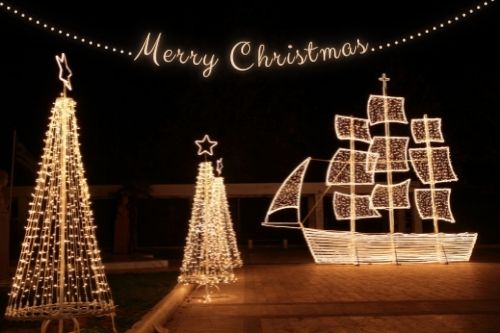
Starting from the Advent weeks and leading up to Epiphany, Christmas in Europe is celebrated with big festivities. All over the continent, lights brighten up some of the darkest days, Christmas markets become mini winter wonderlands and December air is filled with the fragrance of traditional food and the excitement of uniting with loved ones. In such a magical and warm atmosphere, it certainly pays to take a wonderful trip around European countries where you can spend your holidays in cosy homes and enjoy unique Christmas traditions! So, let’s go… Christmas traditions in Greece Life-size boats light up the Christmas cheer in Greece Throughout Greece towns are adorned with vibrant lights, festive decorations and traditional life-size decorated boats alongside Christmas trees during the festive season. These Christmas boats, known as “Karavaki”, are a particular feature of Greek Christmas decorations since they celebrate the safe homecoming of seamen and pay homage to the Greece’s seafaring days.  For food, mouth-watering pastries, like the honey glazed Melomakarona and the sugared shortbread, Kourabiedes decorate the tables of households. Meanwhile, the traditional bread, Christopsomo, has been eaten on Christmas day for thousands of years: the leader of the family makes a cross over the bread, which they then proceed to slice and distribute to each person gathered around the dining table. After Christmas, traditions like cutting into the typical Greek bread, Vasilopita - with a coin baked into it, mark the new beginning and your luck for the year. Celebrated on beloved Basil's Day (January 1), whoever finds the coin in their slice of Vasilopita (literally sweet bread of Basil) is lucky for the rest of the year! The holiday season continues past New Year's, culminating in Theophany. During this celebration, waters are blessed, and a cross is tossed into the water. Brave Greeks plunge into cold waters to retrieve the cross, a symbolic act believed to bring good luck and blessings! Experience the age-old Christmas traditions of Greece, book your perfect accommodation and create a distinct festive memory to cherish forever! Christmas traditions in Slovenia  Nativity Scene in the famous Postojna Caves In Slovenia, modern Christmas celebrations became a part of this solemn and religious festival only after World War II.  Earlier, whole rooms were decorated with string beans and wheat ears to celebrate a good harvest. Now, Christmas is celebrated with loved ones and traditions like the burning of incense, eating special Christmas bread, Potica, and telling of fortunes. For special events, the historic town centre of Ljubljana with its Christmas markets and breathtaking decorations sways you into a festive vibe, while 5 km long live nativity scenes – the country’s largest – are set in the famous Postojna Caves (25th-30th December. This year, the Postojna live nativity scenes are going digital; some events now include immersive light shows within the caves, expanding the appeal beyond traditional elements. But to complete your Slovenian Christmas holiday, it is essential to paya  visit and soak up the charm of one of its enchanting castles. Dream away in the magic of Slovenia by booking your holiday homes for the festive season.  Christmas traditions in Spain The fun and frolic around Los Reyes Magos parade in Seville The midnight mass, or “La Misa Del Gallo,” is one of the most important Christmas traditions of Spain. Usually, these masses take place on Christmas Eve, with people coming home late after the masses and continuing the festivities out on the street.  Presents are opened on Epiphany, when Los Reyes Magos (the three wise kings) sail down all over the country, and most famously in Seville! This year, Spain’s large cities are increasingly offering Christmas-to-Epiphany pop-up markets that extend well into January, blending traditional Spanish treats (turrón, polvorones) with immersive light shows and street performances.Plus, usually on the morning of Epiphany, a traditionally baked Roscón de Reyes is brought from the bakery, with fillings of cream, chocolate or other flavours. Inside, it packs a surprise such as tiny figurines of the Reyes Magos themselves, involving a humorous Christmas custom of hiding a "king" and a "bean" in the cake. If you find the bean, you're tasked with buying the "El Roscón de Reyes" cake the following year, while finding the king means you wear a crown! Additionally, enjoying churros and hot cocoa is a cherished and traditional part of the holiday celebration in some areas, combined with other sumptuous treats like Polvorones (that will melt on your tongue) or Turrones (delicious almond brittles). Enjoy cosy Mediterranean weather and Seville’s spectacular parades with these fabulous holiday homes in Costa del Sol!  Christmas traditions in Croatia  Advent wreath with four candles denoting love, peace, joy and hope Croatia starts its Christmas celebrations on St. Catherine’s Day (November 25), with most engaging in religious activities in the days leading up to Advent. Saint Nicholas Day or Nikolinje, observed on December 6th, is a special tradition wherein children clean their shoes and place them around the windows. If they've been good, they wake up to find sweets and small gifts inside their shoes. However, for those who have been a little naughty during the year, they might discover a birch stick instead! It is also traditional to put up Advent wreaths with evergreen twigs and four candles, as well as the sowing of wheat on St. Lucia’s day (13th December). Christmas trees are put up with traditional decorations like fresh and candied fruits, nuts and sweets adorning the tree. Christmas Day in Croatia is a family-oriented occasion, so people either visit their extended family or are visited by them.  Once again, the intimacy of the family brings real warmth to the entire festivities that culminate on New Year’s Day, with adults handing out presents and money to kids who wish them the season’s greetings. The delicious Christmas food that is whipped up during this time consists of Bakalar (a type of fish), rum or lemon flavoured Fritule and the main course is usually made up of turkey, goose or duck. Holiday at this surprising winter destination, check out some of the best accommodations for families and friends! Christmas traditions in Switzerland Dip in the festive atmosphere of the Christmas Markets in Lugano Big Christmas markets are one of the most loved traditions in Switzerland, along with keeping advent calendars.  Whether store-bought or homemade, these calendars are common in Swiss households and provide a fun way to mark the 24 days leading up to Christmas. In many villages, an advent calendar circulates amongst its houses so that when the calendar falls on your house, an advent window is put up house and a Christmas party is kept by the owner. At this party, the rest of the villagers dig in wine, music, food and sometimes even fondue. Also, save a kiss! As according to tradition, you might have to kiss the cheek of the person standing left to you, dipping their bread in hot fondue.  In Switzerland, Santa Claus arrives on December 6th and brings a bag filled with nuts, mandarins, cookies, and chocolates and distributes these goodies to children based on their behaviour over the past year. On Christmas Eve, meals with ham, scalloped potatoes and Christmas cookies (Zimtsterne, Chräbbeli, Mailänderli, and Brunsli) are eaten, which are prepared with the family’s traditional cookie recipe treasures for the season. Ski down the magnificent Swiss Alps or retreat into the soothing beauty of the Swiss Lakes. Book your perfect Christmas stay in Switzerland!  What’s New for 2025?Christmas travel continues to grow in popularity across Europe, and this year brings some noticeable trends worth keeping in mind:Earlier Christmas Markets: Many European Christmas markets now begin in late November, sometimes as early as the 24th, allowing travellers to enjoy the festive season for longer.Higher Demand for Christmas Travel: Interest in winter city breaks and festive markets has continued to rise, so popular destinations are seeing more advance bookings.Emerging Smaller Destinations: While iconic Christmas cities still shine, many travellers are seeking lesser-crowded towns and regional markets for a more local atmosphere.Focus on Sustainability and Authenticity: Handmade crafts, eco-friendly décor, seasonal local dishes and community-driven celebrations are increasingly central to festive experiences.More Convenient Travel Routes: Several airlines and regional transport networks have expanded winter schedules, making it easier to visit both large and smaller festive destinations.Planning Your StayBook Early: With increased demand and earlier market openings, securing your holiday accommodation in advance is recommended.Consider Timing: Visiting in late November or early December offers the festive atmosphere with fewer crowds.Choose Your Style of Escape:Snowy Alpine charm — Switzerland, SloveniaCoastal mild-weather celebrations — Greece, CroatiaCity lights and classic evening promenades — SpainPack Warm Layers: Even in Mediterranean regions, evenings can be crisp. A warm coat, comfortable boots and gloves make exploring much easier.Try Something Different: Explore smaller markets and regional celebrations for truly local traditions, or select a holiday home with cosy winter amenities for a memorable stay.Want more inspiration?Browse our festive travel blogs and holiday homes across Europe to find the perfect stay for Christmas and New Year.We wish you a Merry Christmas and a joyous New Year!

Visiting Ticino's Parks in Autumn

Discover the most scenic Ticino parks in autumn with golden forests and lakeside views!Autumn in Ticino transforms this southern Swiss region into a painter’s palette of crimson, amber, and gold. As chestnut season begins and local harvest fairs pop up, Ticino’s parks offer a peaceful way to enjoy the mild weather and colourful landscapes. From the serene lakes of Lugano to the subtropical gardens of Lake Maggiore, here are some of the most beautiful parks to explore this season.1. Tassino Park, LuganoWhy visit in autumnJust a short walk from Lugano’s train station, Parco Tassino bursts into shades of gold and orange during autumn. Its century-old trees, quiet pathways, and panoramic pink tower make it one of the most photographed Ticino parks in autumn.The pink tower and surrounding foliage at Tassino ParkWhat to seeThe 19th-century pink tower offers sweeping views of Monte BrèEnglish-style lawns and Mediterranean plants create a unique seasonal contrast.Travel Tip: Visit at sunset to watch the autumn light shimmer over the city and lake.2. Villa Negroni & Parco Ciani, LuganoWhere nature meets eleganceAt Villa Negroni Park, the refined Italian layout meets the relaxed English-garden style, ideal for a peaceful autumn walk. Nearby you can see Parco Ciani, Lugano’s most famous lakeside park, which glows with red and yellow foliage reflecting in the calm waters.Highlight: Capture the city skyline mirrored in the lake framed by autumn leaves.While you are at it, stroll through the centrally located yet serene Parco Ciani in the evening to see the luminescent city of Lugano reflected in the lake’s water.3. Villa dei Cedri Park, BellinzonaThe 19th-century Villa dei Cedri is surrounded by oak, ash, and magnolia trees that turn the grounds into a golden canopy. Inside the villa, the contemporary art museum adds a cultural touch to your autumn escape.Why visit in autumn It’s one of the best places to combine heritage, nature, and tranquillity during autumn in Ticino.4. Camellia Park, LocarnoAn impressive 850 varieties of camellias and an even more impressive 9-month blooming period, along with labyrinthine paths and a stone amphitheatre with a calm naturalistic setting, definitely makes Camellia Park a gem to be discovered on your next visit to Locarno.Camellia park, with its more than 800 varieties of camellias5. Scherrer Park, MorcoteLocated in the picturesque village of Morcote, this 20th-century park was carefully brought to life and expanded by Hermann Arther Scherrer. Numerous artefacts belonging to a variety of cultures and art periods, a dizzying variety of trees that are known to change their leaves into enchanting autumnal shades and intricately decorated facades at Scherrer Park make it an unmissable stop. Exotic statues at Scherrer Park6. Brissago Islands, Lake MaggioreThe last park on our list, but by no means the last one on your list to visit in Ticino, is the Brissago Islands near Ascona. Formed out of a combination of Isola Piccola and Isola Grande, the park is a total treat for exotic plant enthusiasts and is part of the Gardens of Switzerland network. Azaleas, rhododendrons and more from East Asia, sage, rosemary and canarias from New Zealand as well as magnolias and agaves from Central America decorate this park near Ticino. Brissago Islands in Lake MaggioreSummer lasts a little longer in this part of paradisiacal Switzerland, and the presence of the beautiful Lake Maggiore and Lake Lugano gives Ticino a unique Mediterranean and an overall mild atmosphere for travellers to enjoy a vacation here any time of the year. So, which little slice of heaven will you visit in Ticino next? Have a look at our best holiday homes near Lake Lugano and Lake Maggiore.

Destinations That Are Great Escapes To Cool-Off

Getting up and close to nature is one of the best ways to cool off anytime. Be it taking some time off work or just your pure love of nature, these breathtaking European destinations with magnificent mountains, placid lakes and jaw-dropping natural beauty offer so much more than just relaxing.So, let’s together discover these amazing cool-off destinations!The world-famous Mont Blanc massif in ChamonixFirst up on the list is undoubtedly the majestic Mont Blanc. In addition to being a popular winter destination, Chamonix has also earned a good reputation among those who like to cool off the summer heat here. Attracting tons of nature lovers and adventure seekers, Mont Blanc’s scenic hiking trails, sky-high peaks, refreshing atmosphere and magical alpine lakes is all that’s needed to unwind here. In fact, hiking, mountaineering, biking and 8000 km of signed footpaths have made this cross-country massif a paradise for travellers for most part of the year. Perched on altitudes as high as 1800 metres, golfing in Mont Blanc is another cherished summer activity accompanied by 180-degrees mountain views all around. So, if you want to try your hand at golf in a captivating location, then you can make your way to the equipped courses of Chamonix, Mont d’Arbois in Megève, or Golf Les Arcs Paradiski.Trekking with magnificent Mont Blanc viewsDuty-free and Slow Tourism in LivignoNext up on the list is Livigno, a duty-free haven for travellers and a peaceful holiday destination to cool off with family and friends. Slow tourism, immersive ecological activities, fun hikes through hills as well as kayaking and canoeing in deep blue lakes create the perfect summertime experience. Family holidays are particularly memorable in Livigno with its diverse activities consisting of experiencing farm life, taking care of livestock, milking cattle in Alpine pastures, recreational hiking and picnicking in unspoilt natural beauty.In 2021, this Italian-Alpine destination will also play host to an interesting contest inspired by the Swiss practice of Plogging, wherein travellers would be welcomed to take care of the surrounding ecology by picking up waste as they trek enveloped in nature. Active till late September, this contest also has a chance for you to win some fantastic prizes!Children engaging in Plogging Water Sports, shopping, gelatos and local aperitifs in Riva del GardaThe beautiful mountain-land-lake setting of Riva Del Garda makes it a vibrant summertime destination, and with the tons of activities that it offers to unwind and enjoy here, it is no wonder that this harbour town is a tourist hotspot. From SUPPing, wakeboarding and sailing on catamarans to hiking through the picturesque Tempesta-Busatta route or sometimes, just relaxing on the terrace of a cosy cafe and enjoying aperitifs with delicious local mixes made of elderflower and gourmet prosecco, this lovely town really has everything to makes it an ideal cool-off getaway.In fact, a perfect day here in summers consists of checking out its medieval architecture, climbing up the historic stone tower Torre Apponale, some end-of-season shopping accompanied by delicious, creamy gelatos, strolling through the lakeside promenade and grabbing a bite in one of the many sumptuous restaurants here.Torre Apponale in the center of Riva del GardaA taste of Switzerland’s beauty: La Tzoumaz In La Tzoumaz, activities like thematic trails, e-biking, family walks and hiking through its varied landscape, including even forests, are perfect to completely let go and feel one with nature.Moreover, with concepts like Espace Nature, you can feel the rejuvenating power of Switzerland's breathtaking nature and fully recharge your well-being here. Suitable for all ages, in Espace Nature travellers will find river obstacles, waterfalls, challenging but rewarding walks along the famous Bisse de Saxon channel, all-inclusive sensory trails with wheelchair access and forest houses.Though small, this Swiss destination is a little slice of heaven overlooking the breathtaking Rhone valley and is excellent for a short trip with families and children!Val d’Aran, the only Catalonian region in the Pyrenees!While its unending sceneries are enough to make you forget about everything else in the world, with the end of summer close at hand, there is no better place to refresh yourself than in the Pyrenees.Apart from offering high adrenaline activities like rock climbing in the amazing national park Còlomers, mountain biking along 25 different marked routes and fishing in serene locations, this valley also offers the “The Month of Well-being in the Val d’Aran” programme. Now in its second year, the participants of this programme come back feeling completely renewed. This programme of pure well-being is held amidst green valleys, crystalline lakes and countless floral species. Scheduled to go on throughout the month of September, it consists of mindful and relaxing activities ranging from yoga, meditation, healthy cooking, walks through nature, tai chi and more!Circ de Còlomers, Vielha (Val d’Aran) So, have you decided which destination is your next cool-off place? Have a look at our diverse range of holiday homes in Mont Blanc, Riva Del Garda, Livigno, La Tzoumaz and Pyrenees areas!

The Castles of Bellinzona: Back to the Middle Ages

One of the most famous and visited attractions in Ticino are certainly the Castles of Bellinzona, located close to the lakeside town of Lugano. In addition to these castles, with their crenelated walls and high towers, you can also stop in the city centre of Bellinzona, which is truly characteristic of the city and very pleasant to spend some time in, particularly on Saturdays when the town comes alive with its bustling market.View of Castelgrande from Montebello Castle of Bellinzona So, let us discover the magnificent castles of Bellinzona together! The Fortress of Bellinzona and its Castles The Bellinzona Castles are a prominent attraction in the Ticino region, and they stand as the only medieval military complex in the Alpine area. Their historical significance led to their inclusion in the UNESCO World Heritage list in the year 2000. Exploring these castles, which are conveniently connected by a tourist train, the Artù train, which is active from April to November, is akin to a journey back in time. It's an excursion that appeals to people of all ages, thanks to the grandeur of the fortifications, characterized by their imposing towers and battlemented walls. If you prefer guided information during your visit, audio guides are readily available to enhance your exploration of this captivating historical site. Operating Hours: 01.04.2023 - 05.11.2023: - From 10:00 AM to 6:00 PM 06.11.2023 - 22.03.2024: - From 10:30 AM to 4:00 PM 23.03.2024 - 03.11.2024: - From 10:00 AM to 6:00 PM Winter Period Information: During the winter season, Castel Grande remains open for visitors. However, the castles of Montebello and Sasso Corbaro are accessible only in their outer and inner courtyards. What is the history of the Bellinzona Castles? And when were the castles built? Around the year 400, a significant defensive initiative was undertaken in Bellinzona due to its strategic location at the intersection of key alpine routes that linked the northern and southern regions, including Gotthard, Lukmanier, San Bernardino, and Nufenen. This defensive project involved the construction of three castles, watchtowers, and city walls. The aim was to obstruct access to the Ticino River valley by the Dukes of Milan, preventing the Swiss Confederates from advancing southward. This passage, situated at the narrowest point of the valley, represented the sole gateway to the north. The city eventually switched sides when the counts of Milano were conquered by France. Castelgrande Castle Nestled at the heart of the charming town of Bellinzona, Castelgrande reigns as the largest and most significant castle in the area. The commanding presence of this lofty rocky perch, which overlooks the valley, likely played a pivotal role in the town's historical importance. In fact, the strategic advantage offered by this rock alone could effectively regulate traffic, even before the construction of extensive fortifications.  Consequently, Castelgrande holds the distinction of being the first castle established by the Italians in Bellinzona. Just take the elevator from the Piazza del Sole or go on foot up the alleys that begin in the city's historic centre in the vicinity of the Collegiata. This castle, like the others, is also accessible with the Artù train that leaves from the Piazza Collegiata, and in a few moments, you will find yourself catapulted into an ancient and unique world dating back to medieval times.  Those who want to enjoy a walk will have to go through some narrow streets that lead to the castle. Imposing and austere, it is immediately noticed due to its 40 meters of wall.  Walls and towers of Castelgrande castle in Bellinzona As soon as you arrive, you can enter the castle and climb up its ancient towers; it is specifically worth climbing up the White Tower as its height offers a complete view of the city and the other two castles located not too far away.  Particularly striking are the crenelated walls; once used as defensive structures against outside forces, and the well-kept lawn, where tourists often lie down to enjoy the beauty that surrounds them. At the same time, a visit to the castle museum is also worthwhile. Here, you can admire the various testimonies of the presence of man on the hill where the castle has stood from ancient times to the present day.  The archaeological history section of the exhibit spans 6,500 years of human habitation on the hill. It covers the evolution from the first Neolithic villages to the 20th century, showcasing artifacts such as a coin collection from the 16th century and evidence of a mint that served three primitive cantons. The section concludes with an engaging film. In the artistic history section, there are tempera paintings on paper dating back to around 1470. These paintings were originally part of the ornate wooden ceiling of a splendid fifteenth-century residence in the town center, which unfortunately was demolished in 1970. For lovers of challenges, there is also an Escape Room inside the building.  For a typical lunch or a snack, a panoramic grotto offers sweet relaxation before visiting the other two castles. There is another grotto, too, named after the castle itself.  Montebello Castle Aerial view at Montebello castle, Unesco world heritage However, the nearest castle is Montebello, reachable on foot via a fascinating path through the alleys of the old city, but also reached by car or by train all the same.  Surely, the charm of this castle offering a view extending till Lake Maggiore and Piano di Magadino will not go unnoticed either. It deserves a visit inside as well, where you will find an exhibition path that traces the crucial stages of human history, thanks to the discovery of findings made in the area. There is also another small exhibition on the various restoration works.  A nice playground on-site will surely be appreciated by children keen on fun and carefree vacation. Courtyard and entrance of Montebello castle For those with a love of all things sweet, it is possible to watch the processing of salami of the castles of Bellinzona that are seasoned right here! Sasso Corbaro Castle The last castle is Sasso Corbaro, the most independent and detached of the three. It owes its name to the word crow because it stands on a very dark hill and looks like the feathers of a crow. You can surely reach it by car or by bus from the city centre (the n.4), but for a unique experience it is recommended to set out and walk up to the “peak". Aerial view at Sasso Corbaro castle in Bellinzona on the Swiss alps Inside, there is a museum where you can retrace the history of the medieval fortress, taste local delicacies at the tavern, and enjoy an enchanting and panoramic view from the top, and for 5 € visitors can climb the tower. As a matter of fact, this castle is the highest of the three and is located 230 meters above the city, with a view of Lake Maggiore and Pizzo di Claro in Ticino. This castle also has an area where you can organise receptions and exhibitions. Now, are you excited to take a dive inside these castles’ fairy-tale-like atmosphere and transport yourself to the Middle Ages? Check out our holiday homes for rent in beautiful Ticino. 

Ultra Trail du MontBlanc: Everything you need to know

Every year, Chamonix becomes a centre of strength, endurance, courage and festivities for a week as the Ultra Trail du Mont-Blanc (UTMB) commences in this world-renowned ski resort. This year too, the high spirits of UTMB runners and spectators will gather in Chamonix from 26 August to 1 September 2024 for this ultimate racing event on Earth.  So, read on and find out everything you need to know about the Ultra Trail du Mont-Blanc (UTMB)! What is the Ultra Trail du Mont-Blanc? The event is part of the UTMB World Series, the world’s ultimate trail-running circuit that organises running events for both pros and amateurs in the most incredible places on earth. The event includes 7 endurance races, ranging from from 53km (the OCC) to 300km (the PTL), with 2 races for youngsters and the volunteer/local community.  But the most famous and challenging trail is the event homonym: the UTMB race, which is one of the toughest on-foot races in the world, with UTMB participants covering the cross-country Tour Du Mont Blanc route through unpredictable weather and intense fatigue.Different trails of the challenging Tour du Mont Blanc route Around 10,000 people participate in the Ultra-Trail du Mont Blanc, of which about 2300 run the main UTMB race. The UTMB runners have a maximum of 46h30 to complete the race, which is up to 171 kilometers (around 106 miles) on trails with elevation gains of more than 10,000 metres (c.33,000ft)! However, the fastest have completed it in less than 21h! The drop-out rate is also insane and can be around 40%, especially in years when the weather conditions are not ideal. What to do to take part at the Ultra Trail du Mont Blanc? Not everyone can take part in this tough event week. In order to qualify you need to complete a certain number of challenging ‘qualifying races’ (also known as ‘running stones’) to accumulate sufficient points and experience before being able to apply for a place via UTMB’s lottery system. A runner must have accumulated 10 “points” by running qualifying races during a set timeframe. UTMB’s organizers update their website each year to reflect how many stones you need to enter each race. How busy is Chamonix in August at the time of UTMB? Everyone, from spectators to elite trail racers, flocks to vibrant Chamonix to witness this breathtaking spectacle of human perseverance and strength. On average, some 50,000 spectators come down to Chamonix and participate in all the activities of the villages of Pays du Mont-Blanc–meaning the atmosphere is lively and party-like for real! Enjoy a beer or a warm drink in one of the many ski bars in Chamonix Now that we know why is UTMB so prestigious and famous, let’s find out everything there is to do during one of the most exciting Chamonix event!  Since the UTMB is a six-day-long event in Chamonix, there is a constant atmosphere of loud cheers, anticipation and encouragement as runners keep coming through the finish line. So, even if you are not a runner, you can still get swept up by pure emotions, watching the race reaching its finale and runners crossing the UTMB arc in Chamonix. As for participants, the event is a great avenue to meet the best international and elite runners.With multiple race-related events like live meet and greets, podcasts, and product expos going on throughout this spectacular event, the onlookers of UTMB are in for a truly one-of-its-kind experience. The main square in Chamonix (Place du Triangle de l'Amitié) is the starting point of the race and the best place to enjoy UTMB’s energy-filled ambience, as well as to get a good glimpse of the first-line UTMB runners! You can also enjoy the celebratory mood and the iconic roars of the onlookers in the nearby host villages along with drinks, delicious Haute-Savoie cuisine and live performances.The delicious raclette, a must try when in Chamonix Beyond UTMB...  How is Chamonix in August? UTMB takes place when summer slowly recedes to bring in autumn, making the weather ideal to visit Chamonix and the nearby host villages, like Les Houches, Saint-Gervais-Les-Bains, Megève, and Le Tour.  Chamonix is also one of the best alpine destinations to cool off in the last days of summer. And if you want to enjoy experiences apart from the UTMB events, then don’t miss out on the Lac Blanc hike! The glassy Lac Blanc, the perfect spot for a picturesque hike So, are you ready to be a part of this iconic race and enjoy the exciting week of UTMB in Chamonix? From cosy studios to luxury chalets, book your stay in any of our holiday homes.

A Day Trip in Lucerne: what to see

If you are planning to stay in Ticino, then the multifaceted city of Lugano should be the region of your choice because of the many places of interest that you can visit here. Without a doubt, one of these is the town of Lucerne. A little over two hours by car from Lugano, Lucerne is an ideal destination for those who want to enjoy the beautiful offerings of Switzerland. Located on the north-western shore of Lake Lucerne (also known as Lake Four Cantons), the city offers an authentic mix of medieval history and architecture, natural beauty, shopping and lots of fun. Surrounded by the Swiss Alps and tucked in by the lake, this small town with its purely nordic vibe is a delight for all visitors. The natural wonders of the place act as the frame of an equally amazing picture that comprises not only of monuments, squares, places of significance, but also shopping streets, where the scent of chocolate will be in abundance. The characteristic of Lucerne are its bridges which connect various areas of interest. It is a very picturesque and unique town, particularly if you are going around on foot. What to do in beautiful Lucerne in a day? First, visit the historic Kapellbrücke, or Chapel Bridge which is the oldest covered bridge in Europe. The wooden bridge, dating back to the 14th century, is rich in ancient motifs and serves as the symbol of the old city. This pedestrian bridge is among the most popular attractions for tourists from around the world. Here flows the Reuss river, the emissary of Lake Lucerne, offering unique shots for souvenir photos. Adjacent to the bridge is the Chapel Square or Kapellplatz, the most famous square in Lucerne which takes its name from the Chapel of St. Peter located here. Its many streets, magical corners, squares made unique by the typical Swiss buildings- houses with exposed wooden planks in a typical Nordic style and frescoed and majestic palaces- await visitors. Walking through the historic center, you can also admire the town hall, characterized by the famous clock tower. The building, reminiscent of Renaissance and Gothic architecture has arches that are now used for the market (it is no coincidence that the square is called Kornmarkt, or the grain market). Another point of interest, about 15 minutes’ walk from the center, is the lion monument, or more simply Lion of Lucerne. The monument depicts a lion lying on the ground, dying. It was built in the memory of the 600 Swiss Guards killed during the French Revolution. The Glacier Garden, dating back to 1872, is an attraction modelled on the Ice Age. It also has a very ancient beach. There are many attractions worth exploring within the museum park. Not far away from here are the famous Musegg walls built in the 1400s to defend the city. Within the walls, 9 towers remain in excellent condition of which only three can be visited. The view of the city and Lake Lucerne in all its splendour from the walls and towers is breathtaking.  There are various trails to be explored in both summer and winter seasons around Mount Pilatus. Reaching the mountain from the town is easy and effortless. A cable car takes one to the mountain and then another one to its summit. Another way to reach the mountain is the ancient rack railway which takes you to the top in 30 minutes. It has a maximum gradient of 48% and is the steepest track in the world. And what about those who love art? Do not miss the Rosengart Collection, an exhibition of valuable works by two legendary artists: Klee and Picasso. Lucerne is a small jewel in the heart of Switzerland that combines art, nature, architecture and ancient history.Discover our vacation homes in Ticino!

The Bernina Express Route: Hop on for the most scenic ride

A unique and evocative experience, the Bernina Express Route is one of the world's most scenic train routes, with stunning views of alpine lakes, charming mountain villages, and snow-covered peaks. The train is named after the Bernina Pass and offers an experience that should definitely be tried not only in winter but also in the hottest seasons; for which all you need to do is sit in a cosy wagon and let yourself be carried away by the magic.  The stunning views of Bernina Express passing in Filisur, Switzerland What is the Bernina Express? A UNESCO World Heritage-listed train journey in Switzerland, the Bernina Express extends into Italy, covering a 122km route, 55 tunnels and 196 bridges.  The train is easily recognised from the red colour of the wagon and features panoramic carriages with unobstructed glass windows stretching to the ceiling for stunning views. This journey, along with the Glacier Express and Gotthard Panorama Express, has been categorised as a "panorama trip," tailored for tourists for an exceptional sightseeing experience.  The express combines two historic railway lines, the Albula Railway (completed in 1904) and the Bernina-Bahngesellschaft (opened in 1910), both now managed by Rhaetian Railway (RhB). And it’s essential to note that not all carriages on the Bernina Express are panoramic. What’s the Bernina Express route? The full Bernina Express journey runs year-round between Tirano in Italy and Chur in Switzerland, taking approximately four hours. The route begins in Tirano, a town in Valtellina located not far from the famous Livigno (just over an hour by car), passing through various locations including the Bernina Hospice, which is the summit of the route and then reaching the terminus in Chur, canton of Graubünden.  There's another Bernina Express route from Tirano to St Moritz, a shorter two and half hour journey, available from May 11 to October 27 in 2024, with a few days in December.  Capture amazing winter landscapes from the Bernina Exrpess in SwitzerlandBefore embarking on the Bernina Red Train route, you have two options: Bernina Express: This train offers panoramic carriages. Reserving tickets in advance is necessary for this option. Regional Train: Alternatively, you can choose the regional train that travels the same route. While it lacks panoramic views, its windows can be lowered and will let you to take pictures without the window reflection. With the regional train, you also have the flexibility to make intermediate stops along the way. Bernina Express Route Highlights Once you are seated, the slow speed of the train allows you to admire the view and take memorable photos. Besides, the train’s charm is indisputable not only for the spectacular view but also for the grandeur of this railway line: the highest in Europe that does not use the rack.Waterfall in the Cavaglia Glacial Garden in the stunning Poschiavo Valley, Engadin Cavaglia is one of the most recommended stops. Its giant, 14 metres deep glacial potholes, a natural beauty created by pressurised glacial water over the years, are located in a natural park that will leave adults and children breathless. The recommended period for visiting this natural wonder is from May to October when there is no snow. Another stop where you can take amazing photos is the scenic Alpe Grum, about 2000 meters from the sea level. Opposite the Alpe Grum station, stands the Piz Palù which gives its name to the crystalline lake and the glacier of unique beauty. The Bernina Hospice is definitely worth a stop. About 1,800 meters above the starting point, it is the peak of the entire trip! Several lakes can be seen from here, such as the White Lake, an artificial lake and the Black Lake, a small one of natural origin. In this area, where time seems to have come to a standstill, you can go on various excursions in the summer and ski in the winter. The Bernina Express train travelling along the shore of Lake Bianco (White Lake), Switzerland And for those who love a long hike, the Morteratsch glacier is an enchanting place that can be reached in about two hours on foot. What is the most beautiful part of the Bernina Express? Although, the Bernina Express offers breathtaking scenery throughout its journey, we have rounded up some of the most renowned and stunning sections of the Bernina Express route: 1. The Bernina Pass: This is where the train climbs to its highest point, offering some of the most iconic vistas of snow-capped peaks, rugged terrain, and alpine lakes.  2. Brusio Spiral Viaduct: Located between Poschiavo and Tirano, this remarkable spiral viaduct is a highlight of the journey. It's a true engineering marvel and a fantastic spot for photos. The train crossing the famous Brusio spiral viaduct of Rhaetian Railway3. Engadin Valley: As the train travels through the Engadin Valley, you'll be treated to picturesque views of charming villages, emerald-green meadows, and the stunning Lake St. Moritz. 4. Landwasser Viaduct: While not directly on the Bernina Express route, if you combine the Bernina Express with the Glacier Express, you'll cross the Landwasser Viaduct near Filisur. This iconic curved viaduct is an architectural masterpiece set amidst dramatic landscapes. 5. Alpine Lakes: Throughout the journey, you'll pass by and enjoy views of several alpine lakes, such as Lago Bianco (White Lake) and Lake Poschiavo, known for their crystal-clear waters and serene surroundings. Ultimately, the most beautiful part of the Bernina Express depends on your personal preferences and the season of your visit.  Tip: If you take the Bernina Express, please keep in mind, that the stops are made to pick up passengers using the regular regional train service. While you have the option to disembark at these stops, it's important to note that doing so means forfeiting your reserved seat. If you wish to continue the journey, you'll need to again purchase tickets for the regular regional train. What is the best side to sit on Bernina Express? For the most picturesque views, sit on the right side of the train when heading from Switzerland to Italy and on the left side when traveling from Italy to Switzerland. However, when booking seats, it's difficult to determine which side your seats will be on, as carriage layouts and directions can change. The seat selection page may indicate "no information on the driving direction available." If you are on a side that won’t permit you to see what you’d like, take advantage of the large picture windows by the bathrooms. Is Bernina Express a day trip? The Red Bernina Express train trundling through the mountains in summer The Bernina Express can be enjoyed as both a day trip and part of a more extended itinerary, depending on your preferences and travel plans: Day Trip: You can take the Bernina Express as a day trip, especially if you embark on the complete route from Chur to Tirano or vice versa.  Shorter Segments: Alternatively, you can opt for shorter day trips by exploring specific segments of the Bernina Express route, like St. Moritz to Tirano (available from May 11 to October 27 in 2024, with a few days in December) or Pontresina to Tirano.  Customised Itinerary: You have the flexibility to customise your Bernina Express day trip based on your interests (the specific sights and experiences you wish to prioritise along the route) and time constraints.  What time of year is best for Bernina Express? The Bernina Express offers spectacular views year-round, with winter showcasing glaciers and snow, summer revealing green fields and pristine lakes while the autumn colours in October and November are simply out of this world. The majestic Landwasser Viaduct in autumn, Switzerland Some route options that you can choose according to your plans, season and schedule:  If you're traveling in winter and prefer staying in St Moritz rather than doing the full Chur route, you can take the Bernina Express to Pontresina and then a 10-minute train to St Moritz, or vice versa. When traveling from Tirano and planning to stay in St Moritz, or just making a short visit in summer, ensure you book and board the St Moritz train, not the Chur train, as the latter won't stop at St Moritz. You can also consider combining the Bernina Express and Glacier Express journeys. The Glacier Express runs between Zermatt and St Moritz, stopping in Chur. So, you could spend a night in St Moritz or Chur to enjoy both train experiences. Additionally, there's a Bernina Express Bus option available during certain times of the year. It connects Tirano to Lugano or vice versa with a three-hour journey, operating from March 28 2024 to October 27 2024 (daily)  and from October 31 2024 to November 11 2024 (Thu-Sun). Reservation is separate from that of the train. How many times a day is the Bernina Express? The frequency of Bernina Express trains varies depending on the season and the chosen route. Here's a summary of the train schedule: Chur to Tirano: - Winter: One daily train - Summer: Two daily trains - Departure from Chur at 8:28 am, arriving in Tirano at 12:49 pm (year-round) -Additional departure (11.05.2024 – 27.10.2024) from Chur at 1:34 pm, arriving in Tirano at 5:59 pm Tirano to Chur: - Winter: One daily train - Summer: Two daily trains - Departure from Tirano at 8:06 am, arriving in Chur at 12:22 pm (11.05.2024 – 27.10.2024) - Departure from Tirano at 2:24 pm, arriving in Chur at 6:22 pm (year-round) St. Moritz to Tirano: - Departure from St. Moritz at 9:17 am, arriving in Tirano at 11:32 am (11.05.2024 – 27.10.2024) - Departure from St. Moritz at 1:17 pm, arriving in Tirano at 3:31 pm (11.05.2024 – 27.10.2024) - Departure from St. Moritz at 4:14 pm, arriving in Tirano at 6:39 pm (Runs 10.12.2023 – 31.03.2024 every Friday to Sunday, from 25.12.2023 – 02.01.2024, 05.04. – 10.05.2024 and 07. – 10.12.2024 daily) Tirano to St. Moritz: -Departure from Tirano at 10.06am, arriving in St Moritz 12.35pm (Runs 10.12.2023 – 31.03.2024 every Friday to Sunday, from 25.12.2023 – 02.01.2024, 05.04. – 10.05.2024 and 07. – 10.12.2024 daily) -Departure from Tirano at 1.17pm, arriving in St Moritz 3.45pm (11.05.2024 – 27.10.2024) -Departure from Tirano 4.06pm, arriving in St Moritz 6.25pm (11.05.2024 – 27.10.2024) Please note that the train schedules may vary, so it's advisable to check the most up-to-date timetable for your specific travel dates.Immerse in the green landscapes and mountains as you sit back and relax in the Bernina Express How much does the Bernina Express cost? Do I have to reserve seats at Bernina Express? Tickets for the full Bernina Express route cost CHF 66 in second class and CHF 113 in first class for one-way travel between Chur and Tirano or vice versa. A round trip fare is just double. Seat reservations are mandatory for Bernina Express travel. From June to October, the seat reservation fee is CHF 26, from November to early December it's CHF 20, and for the rest of the year, it's CHF 24. If you're planning a round trip, you'll need seat reservations for both journeys. The jaw-dropping beauty of the emerald waters of the magnificent lakes in summer The Swiss Travel Pass and the Eurail Pass cover the Bernina Express, allowing you to ride in the class specified on your pass. However, in addition to the pass, you'll need to make a separate seat reservation for the Bernina Express. The Bernina Express is a popular tourist attraction, and it's advisable to book tickets in advance. How to reach Tirano? From Livigno It takes just about an hour to drive from Livigno, one of Northern Lombardy’s most famous ski resorts to the starting point of the Bernina Express, Tirano. Buses also run from Livigno to Tirano, stopping at the historic thermal baths of Bormio. The second option takes up to 2 hours, but it is cheaper (about €10-€20 per person) than getting a taxi. From Milan For those coming from Milan, several trains run from the city to Tirano, with tickets costing less than €10-€20 per person and the journey lasting about 2.5 hours. RegioExpress is the main one departing from Milan Centrale of all the train services. From Lugano Lugano has a direct bus to Tirano called the Bernina Express Bus, which is a super convenient option as the train and bus timing coincides and it takes only 3 hours. The bus runs on daily from March to October and then from October to early November only from Thursday to Sundays. You need to book the bus tickets seprately from the train.A unique fairy-tale and exciting journey that will surely warm the hearts of passengers even during the coldest winters when one can enjoy the views of an incredible snow-covered landscape. And during summers, when the snow has melted, it leaves room for green valleys, animals and clear skies.  Complete your trip reservations by booking holiday homes in Livigno, Italy or Lugano, Switzerland.

Als Filter anzeigen:
×

Unser Newsletter

Exklusive Angebote für die begehrtesten Urlaube, direkt in Ihren Posteingang!

Vielen Dank für Ihr Abonnement!
Wir halten Sie mit unseren neuesten Reisetipps und exklusiven Angeboten auf dem Laufenden.