Eventos Blogs de viajes en España

Cada estancia se siente como en casa

Planifique su próxima aventura con guías de viaje de expertos, itinerarios y destinos imprescindibles en toda Europa.

European Christmas Traditions: Where to go to enjoy them

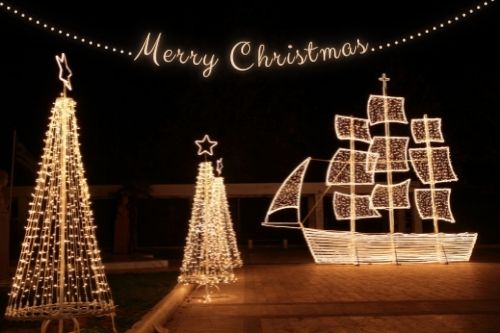
Starting from the Advent weeks and leading up to Epiphany, Christmas in Europe is celebrated with big festivities. All over the continent, lights brighten up some of the darkest days, Christmas markets become mini winter wonderlands and December air is filled with the fragrance of traditional food and the excitement of uniting with loved ones. In such a magical and warm atmosphere, it certainly pays to take a wonderful trip around European countries where you can spend your holidays in cosy homes and enjoy unique Christmas traditions! So, let’s go… Christmas traditions in Greece Life-size boats light up the Christmas cheer in Greece Throughout Greece towns are adorned with vibrant lights, festive decorations and traditional life-size decorated boats alongside Christmas trees during the festive season. These Christmas boats, known as “Karavaki”, are a particular feature of Greek Christmas decorations since they celebrate the safe homecoming of seamen and pay homage to the Greece’s seafaring days.  For food, mouth-watering pastries, like the honey glazed Melomakarona and the sugared shortbread, Kourabiedes decorate the tables of households. Meanwhile, the traditional bread, Christopsomo, has been eaten on Christmas day for thousands of years: the leader of the family makes a cross over the bread, which they then proceed to slice and distribute to each person gathered around the dining table. After Christmas, traditions like cutting into the typical Greek bread, Vasilopita - with a coin baked into it, mark the new beginning and your luck for the year. Celebrated on beloved Basil's Day (January 1), whoever finds the coin in their slice of Vasilopita (literally sweet bread of Basil) is lucky for the rest of the year! The holiday season continues past New Year's, culminating in Theophany. During this celebration, waters are blessed, and a cross is tossed into the water. Brave Greeks plunge into cold waters to retrieve the cross, a symbolic act believed to bring good luck and blessings! Experience the age-old Christmas traditions of Greece, book your perfect accommodation and create a distinct festive memory to cherish forever! Christmas traditions in Slovenia  Nativity Scene in the famous Postojna Caves In Slovenia, modern Christmas celebrations became a part of this solemn and religious festival only after World War II.  Earlier, whole rooms were decorated with string beans and wheat ears to celebrate a good harvest. Now, Christmas is celebrated with loved ones and traditions like the burning of incense, eating special Christmas bread, Potica, and telling of fortunes. For special events, the historic town centre of Ljubljana with its Christmas markets and breathtaking decorations sways you into a festive vibe, while 5 km long live nativity scenes – the country’s largest – are set in the famous Postojna Caves (25th-30th December. This year, the Postojna live nativity scenes are going digital; some events now include immersive light shows within the caves, expanding the appeal beyond traditional elements. But to complete your Slovenian Christmas holiday, it is essential to paya  visit and soak up the charm of one of its enchanting castles. Dream away in the magic of Slovenia by booking your holiday homes for the festive season.  Christmas traditions in Spain The fun and frolic around Los Reyes Magos parade in Seville The midnight mass, or “La Misa Del Gallo,” is one of the most important Christmas traditions of Spain. Usually, these masses take place on Christmas Eve, with people coming home late after the masses and continuing the festivities out on the street.  Presents are opened on Epiphany, when Los Reyes Magos (the three wise kings) sail down all over the country, and most famously in Seville! This year, Spain’s large cities are increasingly offering Christmas-to-Epiphany pop-up markets that extend well into January, blending traditional Spanish treats (turrón, polvorones) with immersive light shows and street performances.Plus, usually on the morning of Epiphany, a traditionally baked Roscón de Reyes is brought from the bakery, with fillings of cream, chocolate or other flavours. Inside, it packs a surprise such as tiny figurines of the Reyes Magos themselves, involving a humorous Christmas custom of hiding a "king" and a "bean" in the cake. If you find the bean, you're tasked with buying the "El Roscón de Reyes" cake the following year, while finding the king means you wear a crown! Additionally, enjoying churros and hot cocoa is a cherished and traditional part of the holiday celebration in some areas, combined with other sumptuous treats like Polvorones (that will melt on your tongue) or Turrones (delicious almond brittles). Enjoy cosy Mediterranean weather and Seville’s spectacular parades with these fabulous holiday homes in Costa del Sol!  Christmas traditions in Croatia  Advent wreath with four candles denoting love, peace, joy and hope Croatia starts its Christmas celebrations on St. Catherine’s Day (November 25), with most engaging in religious activities in the days leading up to Advent. Saint Nicholas Day or Nikolinje, observed on December 6th, is a special tradition wherein children clean their shoes and place them around the windows. If they've been good, they wake up to find sweets and small gifts inside their shoes. However, for those who have been a little naughty during the year, they might discover a birch stick instead! It is also traditional to put up Advent wreaths with evergreen twigs and four candles, as well as the sowing of wheat on St. Lucia’s day (13th December). Christmas trees are put up with traditional decorations like fresh and candied fruits, nuts and sweets adorning the tree. Christmas Day in Croatia is a family-oriented occasion, so people either visit their extended family or are visited by them.  Once again, the intimacy of the family brings real warmth to the entire festivities that culminate on New Year’s Day, with adults handing out presents and money to kids who wish them the season’s greetings. The delicious Christmas food that is whipped up during this time consists of Bakalar (a type of fish), rum or lemon flavoured Fritule and the main course is usually made up of turkey, goose or duck. Holiday at this surprising winter destination, check out some of the best accommodations for families and friends! Christmas traditions in Switzerland Dip in the festive atmosphere of the Christmas Markets in Lugano Big Christmas markets are one of the most loved traditions in Switzerland, along with keeping advent calendars.  Whether store-bought or homemade, these calendars are common in Swiss households and provide a fun way to mark the 24 days leading up to Christmas. In many villages, an advent calendar circulates amongst its houses so that when the calendar falls on your house, an advent window is put up house and a Christmas party is kept by the owner. At this party, the rest of the villagers dig in wine, music, food and sometimes even fondue. Also, save a kiss! As according to tradition, you might have to kiss the cheek of the person standing left to you, dipping their bread in hot fondue.  In Switzerland, Santa Claus arrives on December 6th and brings a bag filled with nuts, mandarins, cookies, and chocolates and distributes these goodies to children based on their behaviour over the past year. On Christmas Eve, meals with ham, scalloped potatoes and Christmas cookies (Zimtsterne, Chräbbeli, Mailänderli, and Brunsli) are eaten, which are prepared with the family’s traditional cookie recipe treasures for the season. Ski down the magnificent Swiss Alps or retreat into the soothing beauty of the Swiss Lakes. Book your perfect Christmas stay in Switzerland!  What’s New for 2025?Christmas travel continues to grow in popularity across Europe, and this year brings some noticeable trends worth keeping in mind:Earlier Christmas Markets: Many European Christmas markets now begin in late November, sometimes as early as the 24th, allowing travellers to enjoy the festive season for longer.Higher Demand for Christmas Travel: Interest in winter city breaks and festive markets has continued to rise, so popular destinations are seeing more advance bookings.Emerging Smaller Destinations: While iconic Christmas cities still shine, many travellers are seeking lesser-crowded towns and regional markets for a more local atmosphere.Focus on Sustainability and Authenticity: Handmade crafts, eco-friendly décor, seasonal local dishes and community-driven celebrations are increasingly central to festive experiences.More Convenient Travel Routes: Several airlines and regional transport networks have expanded winter schedules, making it easier to visit both large and smaller festive destinations.Planning Your StayBook Early: With increased demand and earlier market openings, securing your holiday accommodation in advance is recommended.Consider Timing: Visiting in late November or early December offers the festive atmosphere with fewer crowds.Choose Your Style of Escape:Snowy Alpine charm — Switzerland, SloveniaCoastal mild-weather celebrations — Greece, CroatiaCity lights and classic evening promenades — SpainPack Warm Layers: Even in Mediterranean regions, evenings can be crisp. A warm coat, comfortable boots and gloves make exploring much easier.Try Something Different: Explore smaller markets and regional celebrations for truly local traditions, or select a holiday home with cosy winter amenities for a memorable stay.Want more inspiration?Browse our festive travel blogs and holiday homes across Europe to find the perfect stay for Christmas and New Year.We wish you a Merry Christmas and a joyous New Year!

Halloween in Andalusia: The perfect time to travel to South Spain

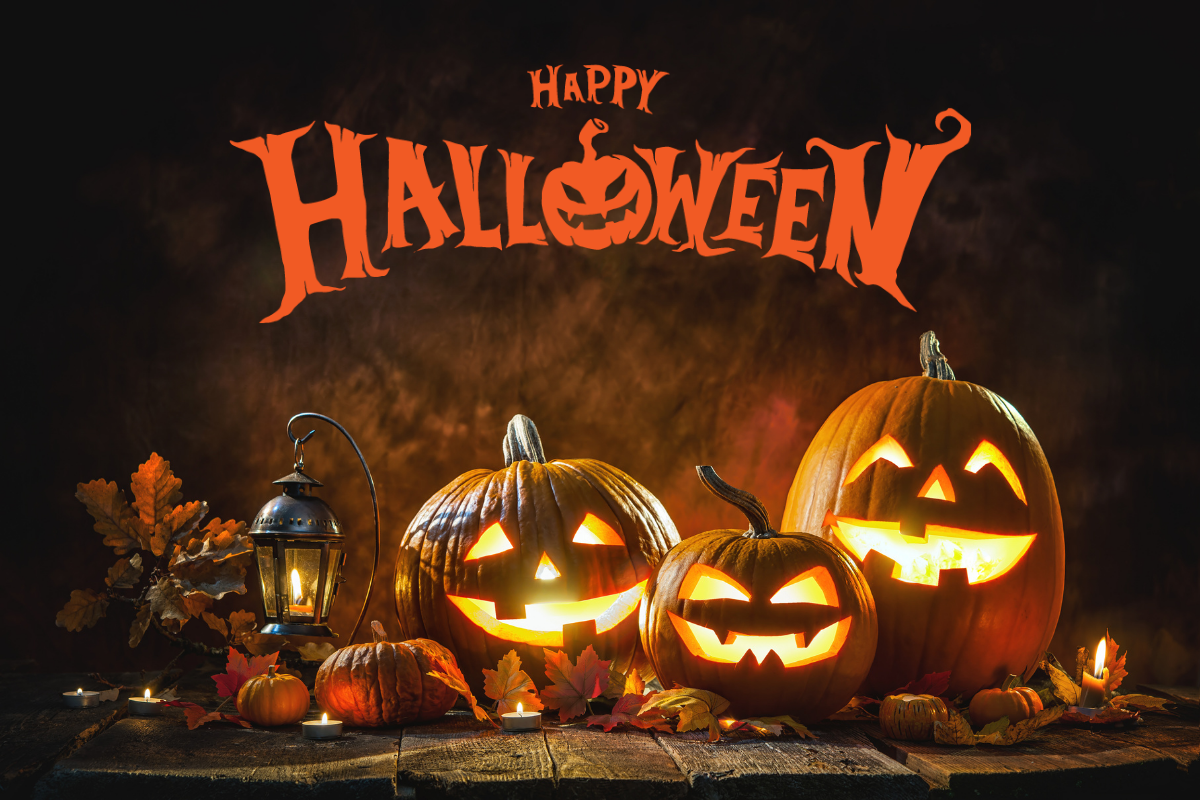
Celebrated all over the country to remember souls lost to life, Halloween in Spain is very spiritual and equated with the centuries-old festival of Dia de Los Santos or Tosantos. Tosantos falls on the 1st of November, a day after Halloween and is spread over three days. But, as with every festival, rich varieties of sweets start making their entries into local bakeries and shops a couple of days before. In Andalusia itself, where Tosantos is celebrated with a lot of festivities and traditions, fried buñuelos (airy doughnuts with sugared tops) and sweet potatoes become a must-try.Delicious fried Buñuelos with Sugared topsTraditionally, Tosantos has consisted of multiple masses performed throughout the day, candlelight processions, elaborate floral decorations of headstones, roasting chestnuts and screening of the iconic play  “Don Juan Tenorio'' by the Spanish author Jose Zorilla. However, modern-day celebrations are frequently accompanied by late-night parties, scary theatrical performances, zombie walks and terror passages. In any case, you will surely find something memorable to do on Halloween in the gorgeous Costa Del Sol.So, read on and find your perfect Halloween this year! 1. Halloween at the Botanical Garden in Malaga  When: 26-27th October 2024  The dramatised tour of the botanical gardens of La Concepción is the most famous program in Malaga. On October 26 and 27, from 11 a.m. to 2 p.m., families can enjoy activities like a treasure hunt and a craft workshop, perfect for getting into the Halloween spirit. On Halloween night, visitors can experience the thrilling “Terror of the Abandoned Convent,” a dramatic tour through the gardens that reveals their dark and mysterious past. Tours run every half hour starting at 7 p.m. A booking is required for this unforgettable Halloween experience. For information and reservations, call +34 951926180 or +34 939914055, or email infojbotanicomalaga@gmail.com.  2. Visit the cemeteries in Malaga When: 1-2nd November 2024  In Málaga, a cherished Halloween tradition for local families involves visiting cemeteries like San Miguel and English Cemetery to honour departed loved ones. Visitors clean, decorate graves with flowers, and offer prayers.  San Miguel Cemetery  Located in Málaga’s north end, this 19th-century cemetery, now closed for burials, features elaborate crypts and mausoleums where notable figures of Málaga’s past rest. Visitors report sightings of apparitions, including American writer Jane Bowles and a ghostly figure resembling parish priest Don Eliseo.  English Cemetery  The English Cemetery, established in 1840, is Spain’s first non-Catholic burial ground. Known for its distinctive graves adorned with white shells, it’s home to the resting place of Robert Boyd, a freedom fighter executed for his beliefs, along with other notable figures. Guided tours for small groups of up to six offer an immersive experience, with the cemetery’s history, supernatural tales, and the unique beauty of this coastal site. Flower decorations at cemeteries on Dia de Los Santos3. The Night in Black in Malaga When: 31st October 2024, from 6:30 pm  On October 31, the streets of Málaga’s central Soho district come alive with "The Night in Black," offering a lineup of activities for all ages. From 6:30 pm, visitors can enjoy a costume contest, face painting, children’s games, and trick-or-treating throughout the evening.  4. Halloween for children in Malaga When: 31st October 2024, from 5:00 pm  Halloween festivities at Pier One (Muelle Uno) will begin on October 31 from 5 pm to 9 pm. A favorite among the locals, this scenic maritime spot near Málaga’s old town is a perfect setting for a relaxed stroll and a drink. A themed photo booth will be available where visitors can snap a picture and enter the costume contest. Categories include the best group or family costume, the most creative, and the most terrifying. Don’t miss out on the excitement!  5. Halloween in Mijas  When: 31st October 2024    Mijas celebrates Halloween with a Mexican Day of the Dead theme across its three main areas: Mijas Pueblo, Las Lagunas, and La Cala. Each location will host unique activities, including workshops on palmistry, potions, makeup, Mexican skull masks, and a themed photo booth.  Mijas Pueblo: Enjoy bouncy castles and two children’s haunted walkthroughs at Plaza Virgen de la Peña from 4 pm to 10 pm.  Las Lagunas: Head to the fairground for Halloween fun featuring bouncy castles, four kid-friendly haunted passages, and a variety of food trucks. Parades are scheduled at 8 p.m. and 9:30 p.m. Adults can enjoy a maze-style haunted walkthrough at Cortijo Don Elías, open from 5:30 p.m. to 11 p.m. La Cala: Find bouncy castles, two children’s haunted passages, and spooky workshops at La Butibamba Park from 5 pm to 11 pm. Are you ready for a fright-filled night?  6. Zombie Gymkhana in Nerja When: 31st October 2024    In Nerja, Halloween kicks off at the Balcón de Europa with a Zombie Gymkhana starting at 8 p.m. Participants roam the streets to find “survivors,” with prizes for the highest scores. A makeup artist will also be available at the Municipal Youth Information Centre for those who want to join in with a spooky look.  The Municipal Youth Information Centre will host a Halloween party featuring scary challenges, zombies, board games, candy, and other surprises. Young people interested in joining the fun can register by emailing asociacionjuvenilnerja@gmail.com or via WhatsApp at +34 641 471 075.  7. Escape from the zombies in Fuengirola  When: 2nd November 2024 The "Survival Zombie Halloween" in the center of Fuengirola is designed for the bravest participants. Are you ready to face the challenge?  This immersive experience plunges players into a fictional world overrun by zombies. The goal? Survive the night by uncovering clues and outsmarting the undead who lurk around every corner. 8. Halloween parties and nightlife in Marbella When: 31st October 2024 Marbella’s vibrant nightlife scene takes Halloween to another level, with clubs like Puente Romano, Siroko Beach, NYX, and La Sala Banús throwing spectacular themed parties featuring extravagant decorations, live DJ performances, and costume contests.  If you’re looking for something calmer and more upscale, places like Nomad Restaurant, Motel Particulier, and Sunsa Restaurant often host Halloween-themed dinners with exclusive entertainment. 9. Village of Terror in Churriana  When: 31st October 2024, 7 pm to 11 pm  This year, anticipation is high for the “Village of Terror” in Churriana, one of the most atmospheric Halloween destinations in the province. The Las Pedrizas neighbourhood will transform into a horror village, with its narrow, winding streets renamed to match their eerie themes: Nightmares Street, Coven Street, Torture Street, and more. From 7 pm to 11 pm, these streets will be fully decorated and brought to life with spine-chilling scenes.  Are you brave enough to enter? Free entry for all!Families having fun on HalloweenSo have you decided where to head for Halloween or Tosantos? Take a look at our best holiday homes in Costa Del Sol.

Destinations That Are Great Escapes To Cool-Off

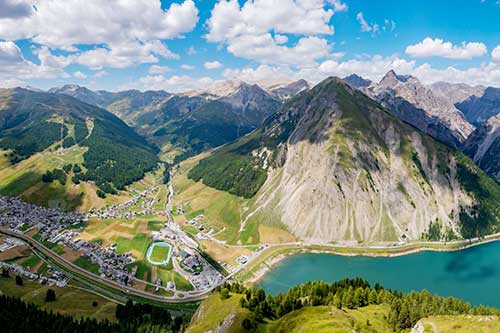
Getting up and close to nature is one of the best ways to cool off anytime. Be it taking some time off work or just your pure love of nature, these breathtaking European destinations with magnificent mountains, placid lakes and jaw-dropping natural beauty offer so much more than just relaxing.So, let’s together discover these amazing cool-off destinations!The world-famous Mont Blanc massif in ChamonixFirst up on the list is undoubtedly the majestic Mont Blanc. In addition to being a popular winter destination, Chamonix has also earned a good reputation among those who like to cool off the summer heat here. Attracting tons of nature lovers and adventure seekers, Mont Blanc’s scenic hiking trails, sky-high peaks, refreshing atmosphere and magical alpine lakes is all that’s needed to unwind here. In fact, hiking, mountaineering, biking and 8000 km of signed footpaths have made this cross-country massif a paradise for travellers for most part of the year. Perched on altitudes as high as 1800 metres, golfing in Mont Blanc is another cherished summer activity accompanied by 180-degrees mountain views all around. So, if you want to try your hand at golf in a captivating location, then you can make your way to the equipped courses of Chamonix, Mont d’Arbois in Megève, or Golf Les Arcs Paradiski.Trekking with magnificent Mont Blanc viewsDuty-free and Slow Tourism in LivignoNext up on the list is Livigno, a duty-free haven for travellers and a peaceful holiday destination to cool off with family and friends. Slow tourism, immersive ecological activities, fun hikes through hills as well as kayaking and canoeing in deep blue lakes create the perfect summertime experience. Family holidays are particularly memorable in Livigno with its diverse activities consisting of experiencing farm life, taking care of livestock, milking cattle in Alpine pastures, recreational hiking and picnicking in unspoilt natural beauty.In 2021, this Italian-Alpine destination will also play host to an interesting contest inspired by the Swiss practice of Plogging, wherein travellers would be welcomed to take care of the surrounding ecology by picking up waste as they trek enveloped in nature. Active till late September, this contest also has a chance for you to win some fantastic prizes!Children engaging in Plogging Water Sports, shopping, gelatos and local aperitifs in Riva del GardaThe beautiful mountain-land-lake setting of Riva Del Garda makes it a vibrant summertime destination, and with the tons of activities that it offers to unwind and enjoy here, it is no wonder that this harbour town is a tourist hotspot. From SUPPing, wakeboarding and sailing on catamarans to hiking through the picturesque Tempesta-Busatta route or sometimes, just relaxing on the terrace of a cosy cafe and enjoying aperitifs with delicious local mixes made of elderflower and gourmet prosecco, this lovely town really has everything to makes it an ideal cool-off getaway.In fact, a perfect day here in summers consists of checking out its medieval architecture, climbing up the historic stone tower Torre Apponale, some end-of-season shopping accompanied by delicious, creamy gelatos, strolling through the lakeside promenade and grabbing a bite in one of the many sumptuous restaurants here.Torre Apponale in the center of Riva del GardaA taste of Switzerland’s beauty: La Tzoumaz In La Tzoumaz, activities like thematic trails, e-biking, family walks and hiking through its varied landscape, including even forests, are perfect to completely let go and feel one with nature.Moreover, with concepts like Espace Nature, you can feel the rejuvenating power of Switzerland's breathtaking nature and fully recharge your well-being here. Suitable for all ages, in Espace Nature travellers will find river obstacles, waterfalls, challenging but rewarding walks along the famous Bisse de Saxon channel, all-inclusive sensory trails with wheelchair access and forest houses.Though small, this Swiss destination is a little slice of heaven overlooking the breathtaking Rhone valley and is excellent for a short trip with families and children!Val d’Aran, the only Catalonian region in the Pyrenees!While its unending sceneries are enough to make you forget about everything else in the world, with the end of summer close at hand, there is no better place to refresh yourself than in the Pyrenees.Apart from offering high adrenaline activities like rock climbing in the amazing national park Còlomers, mountain biking along 25 different marked routes and fishing in serene locations, this valley also offers the “The Month of Well-being in the Val d’Aran” programme. Now in its second year, the participants of this programme come back feeling completely renewed. This programme of pure well-being is held amidst green valleys, crystalline lakes and countless floral species. Scheduled to go on throughout the month of September, it consists of mindful and relaxing activities ranging from yoga, meditation, healthy cooking, walks through nature, tai chi and more!Circ de Còlomers, Vielha (Val d’Aran) So, have you decided which destination is your next cool-off place? Have a look at our diverse range of holiday homes in Mont Blanc, Riva Del Garda, Livigno, La Tzoumaz and Pyrenees areas!

Celebrate this Christmas in Lugano!

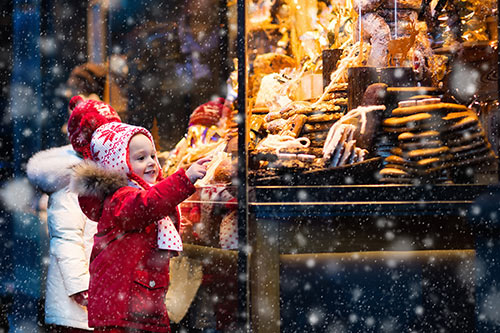
Sparkling Lights, Lake Views & Festive Magic in Ticino!Every winter, the charming lakeside city of Lugano transforms into a festive wonderland, and in 2025, it’s going to be better than ever. From the moment the tree lights up to the cheerful glow of thousands of fairy lights and the smell of vin brulé drifting through the old town, Lugano invites you to experience the very best of Swiss-Italian holiday magic.Lugano’s Christmas tradition blends Swiss precision with Italian-speaking Ticino’s relaxed Mediterranean flair. In the past, the event ran from the end of November through early January, with the iconic tree lighting in Piazza della Riforma marking the season’s start. In 2025, the event has been officially scheduled from 27 November 2025 to 6 January 2026, reflecting a growing appetite from travellers and locals alike for a longer festive season. It is true, Lugano is all set for Christmas!Why celebrate Christmas in Lugano?From the moment the grand Christmas tree in Piazza della Riforma is illuminated, right through to the Epiphany, Lugano slips into full festive charm. The elegant lakeside city takes on a warm, welcoming glow, with sparkling lights, cheerful gatherings and a cosy seasonal atmosphere.The city centre transforms into a charming Christmas village, where beautifully decorated shop windows and wooden market stalls line the streets. Here, you’ll find everything from handcrafted gifts and unique ornaments to local delicacies, regional wines and sweet seasonal treats. The market runs daily from 11 am to 7 pm until Christmas Eve.Adding to the magic, the streets come alive with music and performance. Expect free live concerts, Christmas carols, small shows and delightful street entertainment, creating an inviting and joyful rhythm throughout the day and into the evening.A children’s village full of activities, will also tempt little ones to get crafting this yuletide.Those looking to ring in the New Year in style will find plenty to enjoy. Lugano’s annual open-air celebration fills the city with music, dancing and a lively, welcoming atmosphere that carries on well past midnight. With a mix of concerts, entertainment and a joyful crowd, it’s the perfect way to welcome the year ahead. Whether you’re a local, travelling for work, or visiting on holiday, the city’s festive spirit makes everyone feel part of the celebration.Things to look forward toCharming wooden chalets with handcrafted gifts, local treats and warm seasonal drinksIce rink in Parco Ciani, beautifully lit and set beside the lakeside parkLively evenings with live music, DJ sets and festive city walksDelicious seasonal flavours: roasted chestnuts, mulled wine, Ticino sausages, risottos and moreA Few Tips While VisitingBook accommodation early if you’re visiting close to Christmas or New Year’s EveThe festivities begin at the end of November, so even early visits feel festiveDress warmly, but bring a layer you can remove — Lugano’s winter is mild compared to mountain townsStay in central Lugano for easy access to markets, events and the lakefrontVisit around dusk or early evening to enjoy the Christmas lights at their most magicalReady to celebrate this Christmas in Lugano? Book your stay now!

Three festivals in the Costa Blanca region that you must visit once in your lifetime

The coastal region of Costa Blanca is one of the most visited destinations in Europe because of its warm climate and sandy beaches that attract tourists. Besides getting a suntan, enjoying the best of Spain in terms of food, visiting the waterfalls, markets and medieval buildings, the festivals hosted here are an integral part of the beauty of the area. Spain is known for its festivals and the Spanish are known to take their regional festivals very seriously and very passionately. This passion ensures an almost breath-taking experience not just for locals, but also for tourists from all over the world. Here we have a list of three of the major festivals celebrated in the Costa Blanca: Javea FestivalsBous a la Mar or Bulls to the sea is Javea’s main festival which is celebrated during the last week of August and the first week of September. Although this festival follows the traditional Spanish norm of bull-fighting during festivals, it comes with a twist.A small part of the beach is sealed off and a temporary stand is created which overlooks that part of the beach and the sea. The participants stay on the beach and bulls are released one by one. The participants need to lure the bull into the sea. This is just like bullfighting except that it happens on the beach. There is a large temporary bar area located right next to the stand where you can enjoy drinks and freshly cooked sardines. Like most Spanish festivals, there are a lot of fireworks involved.Moros y CristianosThis festival is said to be one of Spain’s greatest festivals and is celebrated from April 21st to April 24th. This festival is celebrated across Spain, but the most significant one is in the town of Alcoy in Alicante. Alcoy is about an hour’s drive away from both Denia and Javea. Moros y Cristianos marks the liberation of Spain from the Muslim rule after a battle between the Moors and the Christians. The town of Alcoy is significant for this festival, as the ‘Battle of Alcoy’ took place in 1725 when the Christians led by St. George were victorious against the Moorish forces led by Al Azraq.During the festival, people dress up either as Moors or Christians and throughout the duration of the festival, they enact mock battles between them. A total of 28 armies battle on the streets that smell of gunpowder. They take a break on the 23rd of April for the feast day of St George. On the last day, the Christians are defeated in the morning. As history narrates, St. George shows up and helps the Christians to surround the Moors and finally emerge victorious.This festival isn’t just about mock battles and recreating history. It is a breath-taking blend of sight and sound. The people of Alcoy spend a whole year preparing for this festival. There are a lot of fireworks in the evening which go on until the night. The balconies are decorated with a red cross flag of St. George.Different regions mostly near Valencia celebrate this festival during different parts of the year. For example: Altea during the last week of September, Villajoyosa, near Benidorm in late July and Bocairent in early February. Las FallasThe festival of fire is another one of Spain’s greatest festivals which attracts tourists from all over the world. The festival is celebrated on a grand and rather noisy scale in Valencia from the 15th of March to the 19th of March every year to honour an age-old tradition of the carpenters.Over the years the carpenters used to hang up wooden planks called ‘parots’ to place the candles which would supply them with the light needed for them to work. These have evolved over the years to ‘ninots’. These ‘ninots’ are enormous structures made of wood, cardboard, Styrofoam and other materials. These are burned during the onset of spring, to symbolise the end of dark times. This burning was later linked to St. Joseph’s Day (the patron saint of the carpenters).During the festival, numerous of these structures will be found in the streets of Valencia. There is usually one in every neighbourhood. The festivities begin at 8 am every day with a wake-up call from brass bands marching through the streets accompanied by firecrackers. This is called the ‘La Despertà’. The processions go on until 2 pm when ‘La Mascletà’ happens across the city, as the ground is shaken and the ears are deafened by fireworks. Every night till the final night there are firework displays in the old river bed which escalate in magnitude. On the final night, the enormous ‘ninots’ are set on fire at around midnight. The structures are loaded with fireworks, so you can expect a spectacular display in the night sky accompanied by a lot of sounds. The final and the biggest ninot is set on fire at 1 am as everyone assembles at the Plaza Ayuntamiento for the spectacular ending. The street lights are turned off during the festival. Every year, one of the structures is spared from being burned, as the result of a vote.There is always some festival being celebrated at any time of the year, so if you are visiting the Costa Blanca you might want to check the events dates if you are keen on experiencing a specific one.

Mostrar como filtro:
×

Nuestro boletín

Ofertas exclusivas para las vacaciones más deseadas, ¡directamente a su bandeja de entrada!

GRACIAS POR LA SUSCRIPCIÓN
Le mantendremos informado con nuestros últimos consejos de viaje y ofertas especiales.