Culture Carnets de voyage en Croatie

Un séjour comme à la maison

Préparez votre prochaine aventure grâce à des guides de voyage, des itinéraires détaillés et des destinations incontournables dans toute l'Europe !

Our Most Romantic Getaways for a couple's vacation

With the day of love around the corner, celebrating it with your special one is a must. But if like us you too feel that love should be celebrated every day, then these romantic retreats will back up your every romantic holiday plan. From luxe Jacuzzi getaways to beachfront fun and city escapes, our latest selection of the most romantic couple-friendly homes is perfect for packing your bags and lolling off with "the one".  Whether you are looking to reconnect with your partner, thinking of an adventurous couple's weekend or planning your Valentine's Day escape, these year-round romantic nooks offer you some of the best escapes. (Use the discount code HRLOVE to get a special 10% discount on bookings from 13th to 17th February 2025 to celebrate St. Valentine's!)A luxury retreat in Campania to pamper each other Enjoy cosy moments in the hot tub in this lovely retreat In the coastal town of Agropoli, the pearl of Campania, this Jacuzzi retreat in lush greenery welcomes you to indulge in the vibrance of the Mediterranean atmosphere and share intimate moments surrounded by everything that feels like love.With antique charm and modern comforts, the vacation rental offers time off from mundane life and more time for each other. Bask in the sun-drenched private garden, with sun beds, a jacuzzi and your favourite drink, or delight in the host’s special breakfast whipped up with homemade ingredients. If you feel like it, then there is a fabulous option for guests to host exclusive garden parties; but if couple-friendly explorations are more your thing then the historic Agropoli Castle, pristine beaches (The Bay Trentova and Spiagge di Agropoli), and the nearby treasures of Paestum Archaeological Park are located within a couple of minutes from here. Book this romantic retreat! A secluded cottage, fabulous outdoors and perfect moments in Croatia’s countryside  Set your romantic dinner in this property’s gazebo Less than an hour from Zagreb, the serenity of the countryside and this enchanting romantic cottage offer quick, year-round getaways for city dwellers and nature lovers. This stylish retreat seamlessly blends traditional and contemporary features for couples of all ages. Enjoy sunny moments on the terrace, cosy up with the wood-burning stove, or relax in the hot tub amid the curated garden. With a master bedroom, a convertible sofa, and a well-equipped kitchen, this haven ensures comfort. Moreover, after some indulgence at the property, guests can easily explore the historic Varazdin in just 15 minutes, savour the local cuisine, or simply unwind in the idyllic surroundings.  Book your romantic escape! Winery Weekend, Wellness and Self-Care in Dolejska Wine Region  A romantic retreat in a picture-perfect wooden cottage, surrounded by vineyards Conveniently located between Ljubljana and Zagreb, this picture-perfect retreat promises an unforgettable holiday for couples.Slow down at this romantic escape where traditional and contemporary design come together to give you a slice of Slovenian paradise. Relax in the unique Finnish sauna, dine on the wooden deck with breathtaking views, unwind in the wooden hot tub with a glass of local wine, or retreat to the hay loft for rustic relaxation. Additionally, the owners' wine cellar beckons for local tastings and curated experiences including wellness treatments. And there is plenty to do nearby as the enchanting town of Otočec, with the only Gothic water castle in Slovenia on a river island, is just 10 minutes away and many thermal baths of Slovenia are within easy reach.  Book this cosy cottage! Get swept off your feet at with this central city escape on Ljubljanica’s banks Plan your next city escape in this spacious apartment in Ljubljana Home to historic architecture and the living Ljubljana Castle, the capital of Slovenia might not be the first place that pops up when one thinks about romantic getaways. But with Ljubljana’s Luv Fest and this charming riverside apartment, the city might just spell the perfect Valentine’s for you!Perfect for up to 4 guests, the air-conditioned retreat is a year-round haven. Unwind in the naturally bright living room or relax in the private open-air coffee corner. Fully equipped for a carefree stay, the apartment is ideal for exploring Ljubljana's architectural wonders, dining in charming restaurants, and wandering the historic Old Town—all within walking distance. Whether winter or summer, this central location is your gateway to Slovenia's diverse beauty. PS. Bikes are also available for guests if you want to discover hidden spots of the city cycling slo-mo with your love. Book your next city trip! A haven of tranquillity, this romantic mountain retreat is where skiing is still in spring till April Enjoy the view of the mountains from this balcony Nothing says it's time to cosy up with your special one better than a holiday in the winter wonderlands.This holiday retreat in Claviere, one of the six Via Lattea resorts, is the ideal nest to escape to alpine serenity. Perfect for honeymooners and pet lovers, the private terrace with mountain views features wooden interiors and an alpine living experience. Plus, with proximity to skiing spots and ski storage, this apartment is also the ideal ski-in/ski-out vacation rental. The snow-sure slopes of Via Lattea bring skiing vibes well into April and with 6 resorts to choose from, there is a wealth of experiences to enjoy. Explore nearby attractions, from the Church of San Maurizio to thrilling ski resorts like Sauze d’Oulx and the French resort Montgenevre, making memories that last a lifetime.  Book one of these mountain havens! Waterside rental with a private beach on Kolpa RiverEnjoy the peace of River Kolpa in our waterside house A picturesque, romantic cottage in a serene hamlet between the lush forest and the enchanting River Kolpa means that nature has come together in harmony to give you the best of its beauty and gifts.With a private beach just steps away, this delightfully cosy wooden haven is pure indulgence surrounded by nature. Let loose in the outdoor Finnish sauna, stone terrace, BBQ facilities and balcony overlooking the river. Explore the unspoiled beauty of Slovenia's southern border, by hiking, cycling, fishing, SUP and exploring the river with canoe rental available at every step. Plus, with Petrina just 5 minutes away, this retreat is all about tranquillity with a dose of adventure. Book your private beach rental! Enjoy Katakolon’s alluring water at this beach Retreat in GreeceRelax by the sea in this perfect romantic beach getaway!  Unwind, explore, and create cherished memories with your special one at this beachfront haven in Katakolon just a stone’s throw from various cafes, bars, beach bars, and a barbecue restaurant. Located right on the sands of Agios Ilias beach, this sun-soaked escapes feature a spacious balcony with a sea view, perfect for dining to the soothing sound of the waves. Fully air-conditioned and equipped with Wi-Fi, it feels like a home away from home but with the magic of Greece and an incredibly charming location with direct beach access and water sports like SUP boarding and swimming. The well-furnished living area and open kitchen provide all you need for a carefree self-catering stay.  Book these sun-soaked escapes! A Romantic Villa that doubles as a spa retreat, the go-to honeymoon hideaway Book the weekend in this romantic villa for you and your loved one With a utopic location in the small Italian town of Alviano, the holiday villa offers a whole package for travel lovers and honeymooners. The town is home to not only historic structures like Rocca di Alviano but also to one of the biggest natural reserves in the area, the Alviano Oasis with more than 190 bird species and 7 kilometres of forested paths for delicious walks and wanderings.  Explore the area and come back to fabulous amenities like a private swimming pool for a dip or the sauna to relax your nerves. Depending on the weather, curl up in front of the fireplace with your loved one or plan a sweet little picnic in the exclusive garden equipped with open-air dining and BBQ. Book your stay in this romantic villa! A soul-soothing Mountain Cabin abound in Hungarian nature and a Michelin-star dining experience  Admire the view amid nature and sunshine Embark on a journey to the natural bounty of Southern Hungary, where the East Mecsek landscape protection district unfolds at the foot of Zengő mountain.  The sustainable cozy cabins overlooking the picturesque Hármashegy offer a close-to-nature retreat, embodying tranquillity and relaxation. Resembling a herd grazing on the hillside, the cabins prioritise eco-friendly practices, from LED lights to selective rubbish collection. Experience comfort with a sauna, indulge in a breakfast basket or explore nearby dining options like Hosszútányér, a Michelin-starred restaurant, just minutes away on foot. Discover the cultural richness of Pécs known for its European Capital of Culture heritage. For sports enthusiasts, Central Wakeboard Park is a short drive, and Lake Pécs awaits water lovers. Book your retreat amid nature! A luxe experience in nature to round up a truly relaxing Valentine’s  For nature lovers, Treehouse with a Jacuzzi and BBQ in the middle of the Slovenian woods Hidden in southern Croatia, this scrumptious treehouse escape promises a tranquil day or days of love surrounded by mountains, rivers, and lush forests.Just 30 minutes from the famed Adriatic coast with its golden beaches, and an hour from the historic city of Zadar, guests can immerse themselves in 3000 years of history, vibrant markets, and a captivating coastal landscape, and at the same time, enjoy a delightful experience in the peace of nature and a balcony for enchanting treetop dining. Its well-equipped kitchen heated shared pool, outdoor jacuzzi, and covered BBQ area ensure a perfect blend of relaxation and adventure. Zadar International Airport is conveniently located just 50 minutes away, making this treehouse a gateway to an unforgettable Croatian holiday. Book your getaway in nature! Whether it is a ski resort, a beach destination, cities in love or the most untouched corners of Earth’s paradise that you are looking for? Book your time away with your loved one now! 

Unique Christmas Markets in Europe

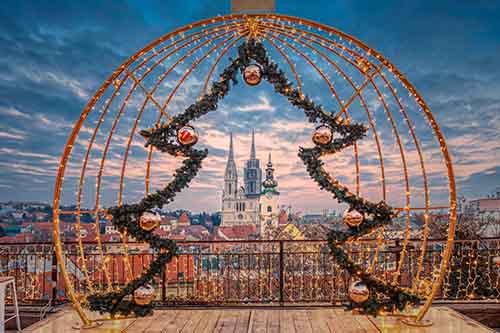
Between Christmas dinners, gifting and carols, there is a much-awaited Christmas tradition that draws thousands of visitors to various gorgeous cities all over Europe. The European Christmas markets are that something special that you find nowhere else in the world during the festive season. With their enchanting combination of wooden chalets, regional food, ice-skating rinks, and unique themes, these Christmas markets make European cities captivating winter destinations for friends, families and travellers looking to soak up some culture on vacations.  Below, we have rounded up some of the most awesome on-the-radar Christmas markets in Europe for the festive edition 2025-2026!  Ljubljana Christmas Market The beautiful reflections of Christmassy facades lighting up the Ljubljanica Ljubljana’s festive programme fills the historical city centre with markets, concerts and free family events. The city runs a broad “Festive December” programme (tree-lighting, organ-grinders and music on Pogačarjev trg, a Castle Festive Fair, a Magical Forest eco-workshop, nativity scenes and special children’s events). Entrance to the festive market areas is free; the Visit Ljubljana event page acts as the official programme hub and will publish the exact 2025 dates and the switch-on schedule when confirmed. Where: Prešeren Square, Kongresni trg, Castle area and embankments along the Ljubljanica.What to expect: Local craft chalets, sustainable/eco-themed workshops, live concerts and nightly light displays.Where to stay: Accommodations in Ljubljana. Zagreb Christmas Market A magical view of the Ban Jelačić Square in Zagreb Zagreb’s award-winning Advent returns in late November with dozens of themed markets around the city — Ban Jelačić Square, Zrinjevac, European Square and the Upper Town. For 2025 the official Advent Zagreb dates are published as 29 November 2025 – 7 January 2026; expect the ice-rink, a Ferris wheel, themed food stalls and a full programme of concerts and children’s events.Where: Ban Jelačić Square (main market) + multiple city squares and promenades.What to expect: Traditional foods (fritule, sarma, grilled sausages), mulled wine, kids’ rides and an ice rink — plus many small neighbourhood markets to explore.Where to stay: Accommodations in Zagreb Bruges Christmas Market (Bruges Winter Glow) The magical Grote Markt in Bruges during Christmas Bruges’ Winter Glow returns with two principal markets in the historic centre — the Markt (Market Square) and Simon Stevinplein — each with a distinct character (traditional gifts on the Markt; short-chain/craft producers at Simon Stevinplein). Opening dates for Winter Glow 2025–26 are 21 November 2025 – 4 January 2026. Opening hours and special late-night hours on weekends and New Year’s Eve are listed on the Visit Bruges site. Where: Grote Markt (Markt) and Simon Stevinplein.What to expect: Waffles, jenever, Glühwein, craft stalls, an ice rink and the new Light Experience Trail as part of Winter Glow.Places to stay: Accommodations near Bruges Merano Christmas Market The mythical Krampus that starts roaming the streets of Merano during Christmas More Austrian than Italian in its vibes, the spa city of Merano has one of the most unique settings.  Merano’s atmospheric market, chalets against mountain scenery and the town’s spa-town vibe will run for the 2025 season from 28 November 2025 to 6 January 2026. The programme includes artisan stalls, regional Südtirol specialities, themed markets (textile, jewellery, ceramics) and events inside Castle Tyrol on selected dates.Where: Kurhaus area, Castle Tyrol, Theatre Puccini and town centre.What to expect: South Tyrol cakes, mulled wine, alpine crafts, Krampus-style parades and smaller specialist markets across town.Where to stay: Accommodations in Merano Lugano Christmas Market, Switzerland Lugano’s enchanting Christmas winter park Lugano’s lakeside Mediterranean charm meets a festive programme: for 2025 the city’s official listings show 27 November 2025 – 6 January 2026 for the Natale/Christmas programme, with market chalets in central piazzas (Piazza della Riforma and other squares), lights in Parco Ciani and family events. Opening hours for Piazza markets are published by the city (times vary by square).Where: Piazza della Riforma (main tree & central stalls), Via Nassa, Piazza Manzoni, Parco Ciani (lights/enchanted forest).What to expect: lakeside strolls between chalets, Italian-Swiss street food, live music and a warm, refined festive atmosphere.Where to stay: Accommodations in LuganoTip: If it is your first time in Lugano, then head to these extremely picturesque locations: Gandria and the prettiest village in Switzerland, Morcote. Chamonix Christmas Market A wintry Christmas atmosphere in Chamonix Chamonix’s valley programme gathers local villages for a series of shows and parades; the Chamonix town market typically appears in the pedestrian centre. The Chamonix event page lists the valley’s Christmas events (crafts, arrival of Father Christmas, workshops). At the time of publication, many Chamonix pages still refer to the previous seasonal dates (example: the 2024 market ran 18 Dec 2024 – 3 Jan 2025). For 2025, the official Chamonix tourism page is the best place to check the valley programme and the town market schedule when organisers confirm the new season’s dates.Where: Place du Triangle de l’Amitié and pedestrianised centre (Avenue Michel Croz, Place Balmat, Quai d’Arve) plus surrounding villages (Les Houches, Servoz, Vallorcine).What to expect: local artisans, Haute-Savoie specialities, Christmas parades, children’s activities and seasonal workshops. Confirm exact 2025 dates on the Chamonix events page.Where to stay: Accommodations in ChamonixOther Christmas Markets worth visiting this holiday season Whether seeking a scenic lakeside stroll or the charm of snow-dusted mountains, these markets offer a magical slice of European Christmas.  Winterland Locarno (Locarno, Switzerland)When: 20 November 2025 – 6 January 2026 Location: Piazza Grande in Locarno Highlights: Ice rink, slide, carousel, Christmas market chalets, concerts and light shows. Check out our blog for more information. Mercatino di Natale di Trento (Trento, Italy)When: 21 November 2025 – 6 January 2026Location: Piazza Fiera and Piazza Cesare Battisti, TrentoHighlights: Around 90 wooden chalets selling craft and local foods, strong eco-friendly/sustainable focus (paper bags, regional foods) Naples Christmas Market / Presepi in Naples (Naples, Italy)When: Approx 1 December 2025 – 6 January 2026 for major fair/market events. Location: Primarily around Via San Gregorio Armeno (famous for nativity-scene artisans) and Piazza Comune / Via San Biagio dei Librai and other streets in central Naples.Highlights: Unique nativity scene (“presepe”) culture with artisan workshops, festive decorations and street markets rather than large chalet villages.Plan your festive getaway with us and experience the magic of Europe’s most enchanting Christmas markets this holiday season!

One day in Šibenik: Top 12 things to see

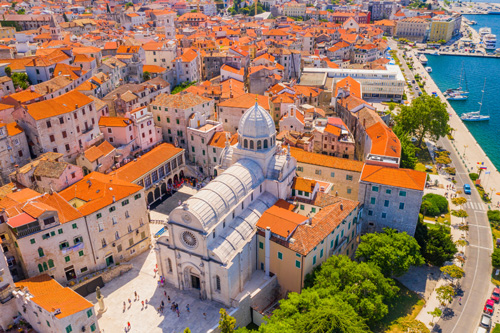
Often not as valued as it should be, that one place on the Croatian coast that many miss is the beautiful city of Šibenik!  Unlike Dubrovnik or Split, which were founded by the Greeks, Šibenik, or Sebenico as it was historically known, was one of the few native cities built by the Croats on the Adriatic coast. Šibenik’s Mediterranean climate, its long coast dotted with cool cafes, old fortresses and ancient limestone architecture perfectly blend the charm of the historic with modern holiday vibes. And with UNESCO-World Heritage sites like the iconic St. James Cathedral, which served as the backdrop of the uber popular series, Game of Thrones, Šibenik is a destination not to be missed.  In fact, if you are near Zadar or Split, Šibenik is an ideal break spot as it is located right between the two cities. Though the city merits at least two days for complete exploration, if you are in Šibenik for only a day, you can still capture the essence of this more-than-a-thousand-year-old city with our recommendations. Below we have made our picks of some of the best attractions to put on your check list if you are on a day trip to Šibenik.  Aerial view of the famous Republic Square with st. james cathedral on the coast of Croatia in Sibenik What to see in Šibenik Croatia? Our list of top 12 things  Explore Šibenik Old Town  Explore the enchanting Old Town of Šibenik with its medieval charm and labyrinthine streets. Prepare to navigate numerous stone stairways as you wander, as Šibenik allegedly has more stairs than any other city in Croatia, even surpassing Dubrovnik. The famous stairs of old city Šibenik Undoubtedly worth a visit in the old town is the beautiful medieval Republic Square with its elegant Venetian Baroque style buildings and palaces of noblemen that make this area of the city a little gem.  Also situated on the Square of the Republic of Croatia, Šibenik Town Hall, which was built between 1533 and 1546, is an exemplary Renaissance structure, featuring grand columns, arches, and a balustrade. Despite damage from a 1943 air raid, the town hall was faithfully reconstructed, offering visitors a glimpse of its original splendour. Today, it has a classy, romantic restaurant opposite which stands the Cathedral of St. James. Cathedral of St. James Breathe in the impressive architecture of the Saint James Cathedral and Šibenik’s peaceful waterfront as the sun rises up Šibenik’s Cathedral of St. James is the city's crown jewel. An imposing building with large, white slabs — it is, without a doubt, a fixed stop for the tourists. Built entirely of stone over a century, it seamlessly blends Gothic and Renaissance styles. Adorned with over 70 unique faces, it's a testament to architectural brilliance. In addition to admiring its external beauty, it is worth entering inside and drawing inspiration from the magnificent, well-preserved and finely decorated baptistery of the Church.  Church of St. Barbara Behind the cathedral lies the charming Church of St. Barbara (Sv. Barbara), featuring a unique façade with a 24-hour clock and two small bell towers. Look out for the 15th-century statue of St. Nicholas by Bonino of Milan above the door. Originally dedicated to St. Benedict in the mid-1600s, the church was later rededicated to St. Barbara but then deconsecrated in 1806, it served as a military warehouse before becoming the Museum of Ecclesiastical Art. Inside, visitors can explore a captivating collection of religious art, utensils, manuscripts, and icons spanning the 13th to the 18th century. Sibenik’s promenade Šibenik's promenade offers stunning views of the Adriatic Sea and the Old Town. With lovely cafes, international restaurants, cool bars, and the Cathedral of St. James close at hand, it's the perfect spot for a leisurely stroll with an elegant vibe. The Four Wells  One of the medieval Four Wells of Šibenik Only 50m from the Cathedral of St. James you can visit the Four Wells. During the Middle Ages, the "Four Wells" cistern was constructed in Šibenik to address water shortages during military blockades and dry periods. The agreement to build this water supply center was made between Šibenik County and master Jacopo Coterra on January 10th, 1446. Renowned architect George of Dalmatia (Juraj Dalmatinac) oversaw the construction. Today, this historical site has been renovated and serves as a venue for various events, featuring a terrace paved with red stones in a fishbone pattern, reminiscent of its original design from the 15th century. St. Lawrence Church and Monastery Have a stroll in the Medieval Mediteranean Garden of St Lawrence Monastery in Sibenik Another point of interest is the medieval Mediterranean garden that is part of St. Lawrence Church and Monastery complex. The convent, which had long been abandoned, was restored in 2007 by landscape architect Dragutin Kiš, and the garden has been lovingly maintained by local high school students since then. In the gardens, you can indulge in the admiration of aromatic plants and medicinal and ornamental herbs, combined perhaps later with sipping a coffee at the café in the garden. St. Michael's Fortress The super cool, seafront open-air theatre of St. Michael’s Fortress with just  1077 seats, making it an exclusive venue and experience Going up, beyond the monastery, through a street leading to the upper part of Šibenik, there is St. Michael's Fortress, the oldest of Šibenik's four fortresses and one of the symbols of the upper town, which, in the past, served as a defence system of the city, offering stunning views of the city and the Adriatic Sea. Today, the upper courtyard of the fortress is a beautiful open-air theatre,  which has just over 1000 seats and has hosted great artists like Gregory Porter.  Fortress of St. Nicholas Built in the 16th century on a small island at the entrance to St. Anthony Channel, St. Nicholas Fortress was designed to defend against sea-bound attacks. Despite its imposing appearance with 32 cannons, it never faced battle. The fortress was named after Benedictine Monastery of St. Nicholas and required the monastery's demolition for its construction. Following extensive renovations, the fortress is now open to the public and accessible only by water, with boat taxi available in town. However, it's more impressive from the outside, making sunset kayaking tours or viewing it from the coast along the promenade recommended options. The view of St. Anthony Channel from the promenade Editor’s Tip: Go up to view the beautiful St. Anthony’s Channel, especially its 4.5 km walk among nature called the promenade of Šibenik in St. Anthony's Channel, where the town and Adriatic Sea with all its little islands offer quite suggestive and unique vistas. St. John’s Fort Top evening view of the city of Sibenik and St. John's fortress from the St. Michael's fortress In 1646, citizens of Šibenik sought Venetian funds to build a fortress against hillside attacks. Denied support, they enlisted a Genoese engineer to design a fortress. With no Venetian funds but no prohibition either, the locals built St. John’s Fortress in just 58 days. Despite its rushed construction, it played a crucial role in defending against the Ottomans. The highest of Šibenik's four fortresses, St. John’s Fortress offers breathtaking views. While a bit of a hike, it's worth the effort or you can catch a cab. Check the official website for access details, as some areas may be closed during restoration. Editor’s Tip: For a free alternative to St. Michael’s Fortress, visit the adjacent Groblje Svete Ane or St. Anna graveyard. It offers a similar view, perfect for sunset-watching in Šibenik, accessible at any time of day. Barone Fortress Barone Fortress, a 15th-century stronghold, defended Šibenik against Ottoman forces during the Cretan War in 1647. Before its construction, the city relied on its walls and St. Michael’s Fortress, but they were vulnerable to artillery fire. After 370 years of neglect, the fortress underwent restoration and now offers interactive experiences. The museum showcases Šibenik's history, and with AR technology, visitors can witness the defense of Šibenik from 1647. There's also a bistro and coffee shop with panoramic city views, offering a perfect way to unwind after exploring the fortress and learning about Šibenik's past. Šibenik beaches Jadrija Beach, a century-old seaside destination near Šibenik, sits on a peninsula enveloped by pine forests and the clear waters of the Adriatic Sea. It's famous for its traditional Dalmatian-style beach houses, originally built as summer residences for Šibenik's wealthy residents in the early 20th century. Notably, the long concrete pier is adorned with colorful changing cabins, adding to its charm. For sure one of the must see Šibenik beaches. Jump into the clear waters of the Jadrija Beach During warmer months in Šibenik, visit Banj Beach, a short walk from the old town. While not the largest, it's convenient and offers a view of historic Šibenik. Relax on the sand or take a dip while enjoying the scenery. Šibenik museums The Rector’s Palace, a late Renaissance-era building that served as a governor’s residence in the 16th century, now houses the Šibenik City Museum. Opened in 1925, the museum showcases artifacts from the Neolithic to Roman periods, including sculptures, coins, and more. With over 150,000 artifacts spanning from prehistoric to modern times, it offers a comprehensive glimpse into the history of the Šibenik region, organized by era and artifact type. Located near Perivoj Roberta Visianija, the Church Museum of St. Francis is a tribute to St. Nikola Tavilić, the first Croatian saint. The Franciscan monastery now houses a museum that showcases its history. A well-preserved organ built by Petar Nakic in the 1760s is a highlight of the museum. There is indeed much to be discovered in the hidden beauty of this jewel of a country, especially for those thinking of starting their nomadic life in the super digital nomad friendly Croatia! Is Šibenik worth visiting? Absolutely! Its rich history, stunning architecture, and beautiful coastal setting make it a worthwhile destination for travelers. It also serves as a great base for day trips to national parks and island towns such as: Krka National Park: Just a short drive from Šibenik, Krka National Park is famous for its stunning waterfalls, hiking trails, Island of Visovac Monastery and natural beauty. You can swim near the waterfalls and explore the park's diverse flora and fauna. Visovac monastery island in Krka national park, Dalmatia, Croatia Kornati National Park: Embark on a boat trip from Šibenik to Kornati National Park, a breathtaking archipelago with numerous islands, clear blue waters, and pristine landscapes. It's a paradise for nature lovers and those seeking tranquility. Skradin: Skradin is a must-visit for culinary delights like Skradin Cake and Skradin risotto. The cake is a nutty, chocolaty treat passed down through generations, while the risotto, traditionally prepared by men, bursts with flavor from veal rump, ham, and a rich bouillon. Beyond food, Skradin offers a rich history dating back to the Illyrians, with a picturesque waterfront perfect for leisurely strolls or boating. It's an ideal stop en route to or from Krka National Park, accessible via speed boat tours along the stunning canyon. Trogir: Located about 45 minutes from Šibenik, Trogir is a UNESCO World Heritage Site known for its well-preserved medieval architecture, charming streets, and historic landmarks. Explore the Cathedral of St. Lawrence and wander through its picturesque Old Town. Indulge in a leisurely stroll along the pier of the old Venetian town, Trogir, Croatia Tribunj: Tribunj is a charming Mediterranean village with narrow streets and stone houses. Connected to the mainland by a stunning stone bridge, it offers an escape from the hustle and bustle. Enjoy the relaxed Dalmatian lifestyle at seafront bars with laid-back beats. Explore the picturesque streets and soak in the beautiful surroundings—a true Mediterranean dream. Primosten: Primosten, once an island but now connected to the mainland, boasts picturesque limestone buildings with red-tiled roofs. At its highest point, you'll find the 15th-century Church of St. George surrounded by a cemetery offering sweeping coastal views. For more stunning vistas, visit the Our Lady of Loreto Statue south of the old center, offering panoramic views of Primosten and its surroundings. Dive into the turquoise waters of Primosten Čikola Canyon: just 30 kilometers from the city center, is a breathtaking natural wonder in Croatia. Its 14-kilometer gorge, carved by the River Čikola to depths of over 170 meters, is one of the country's most impressive canyons. Zadar: Zadar, about an hour's drive from Šibenik, offers a mix of ancient history and modern attractions. Visit the Roman Forum, listen to the famous Sea Organ, and admire the stunning sunset at the Monument to the Sun. The lovely Historical center of the Croatian city of Zadar Split: Explore the vibrant city of Split, approximately an hour and a half away from Šibenik. Discover the UNESCO-listed Diocletian's Palace, stroll along the Riva promenade, and hike up Marjan Hill for panoramic views of the city. Island Hopping: Šibenik serves as a convenient base for exploring nearby islands such as Murter, Prvić, and Zlarin. Hop on a ferry or rent a boat to visit these charming islands with their beautiful beaches, historic villages, and relaxed atmosphere. Etnoland Dalmati: Etnoland Dalmati is a captivating living history museum offering a firsthand experience of the region's past. Explore narrow cobbled streets, a 100-year-old watermill, craft fairs, weaving workshops, and an original olive press. Guided by a village member, you'll hear traditional storytelling intertwined with the area's history. Watch and learn how traditional Croatian food, including the famous peka, are prepared, with the bonus of sampling them too! The delicious and tender Peka, a typical Croatian food Aquapark Dalmatia: Experience the thrill of Croatia's first themed park, Aquapark Dalmatia. Dive into water adventure with thrilling slides, explore the Aqua Rain fortress, or relax on the Lazy River. With over 8,000 square meters of water-filled fun, it's the ultimate summer destination. How long do you need in Šibenik?   The amount of time you need to spend in Šibenik depends on your interests and how much you want to explore the city and its surroundings. However, a day or two should be enough to see the main attractions in Šibenik itself. If you plan to visit nearby attractions like Krka National Park and Kornati Islands, you may want to allocate more time. Where was Game of Thrones filmed in Šibenik? Šibenik was also a filming location for Game of Thrones. It stood in for Braavos and featured in three episodes of Season 5. In one scene, Arya Stark arrives in Braavos, showcasing Šibenik's cityscape. The port of Mandroc doubled as Braavos' port, while St. John’s Fortress became Meereen's fighting pits. Additionally, the iconic St. James Cathedral was transformed into the Iron Bank. Šibenik offers a delightful blend of history, culture, and natural beauty, making it a perfect destination for a day of exploration. Whether you're indulging in culinary delights, embarking on outdoor adventures, or simply soaking in the Mediterranean ambiance, Šibenik promises a memorable and uncrowded experience for all, travelling solo or with your friends.  So, have a look at our best holiday homes in Dalmatia and plan your carefree travel in Šibenik. 

European Easter Traditions Worth Planning a Family Holiday!

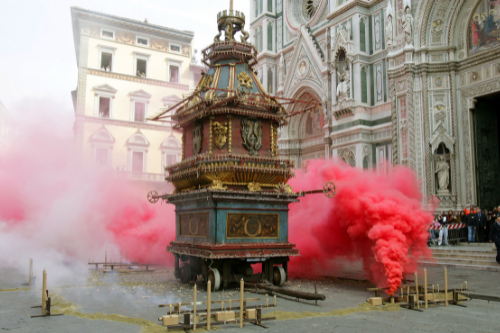
Most holidays are well-spent if they are spent in the loving warmth of family. Therefore, with Easter just a little more than a month away, we are bringing to you some of the most amazing Easter traditions from around Europe to enjoy with your loved ones.So read on and get ready to have a delightful Easter 2023 in Europe!  Italian Easter traditions: Fireworks, processions and personalised Easter eggs If you find yourself holidaying in the Tuscan region, then don’t miss a chance to visit Florence and see ‘The explosion of the cart’ at the Duomo. In this famous Easter tradition, called Scoppio del Carro in Italian, a turret called Brindellone is put on a cart. The cart is then pulled by white oxen through the entire city. Once the cart reaches the Duomo, a pyrotechnic dove is let off from the altar, which lights the turret on the cart, leading to a burst – if the dove comes back safely, it symbolizes a year of prosperity! The Explosion of the Cart in Florence, with Brindellone on top Another famous tradition known all over the world and celebrated in Sulmona, Abruzzo,  is the Easter Meeting, better known as La Madonna che scappa in Piazza. In this tradition, the statue of the Madonna is raced to that of the risen Christ in an emotional meeting of the mother and the son – an unmissable spectacle for those celebrating Easter in Italy!  In Sicily, you will be able to see several suggestive parades: the Real Maestranza in Caltanissetta, a historical association of craftsmen united in a town association that plays a prominent role during the religious festivals; the Processione dei Misteri in Trapani, which is a parade of sculptures representing biblical scenes; and the celebrations in Prizzi and Adrano, some fun eighteenth-century traditions mixing the sacred with the profane.The Processione dei Misteri di Trapani, Sicily Tip: Prolong your stay in Sicily and enjoy a tour around its ‘lost-in-time' baroque towns and gorgeous beaches. What are waiting for? Book one of our holiday homes in Italy Spanish Easter traditions: Death Dances and Parades Death Dances may seem a little spooky at first, but in Verges (Girona), this Easter tradition is participated in by both adults and children. The main spectacle called The Procession of Verges takes place on Maundy Thursday or Holy Thursday, whereas the one with children happens on Easter day. On both days, the Dance of Death is re-enacted the same way: with skeleton costumes, ash boxes, the theatrical depiction of Christs’ passion, and the perfect background setting of the medieval old town centre of Verges! The spooky Dance of Death in Verges Easter in Spain is also celebrated with a number of grand processions. These parades happen in almost every city and town but the most famous of them all are the parades of Seville. In Seville, people dress up as traditional characters known as costaleros and nazarenos in the parades that bring together a crowd of anywhere close to 50,000 people!A “pasos" carried by the Costaleros during the Holy week in Seville Enjoy these amazing events close to Costa del Sol. Book your holiday homes in Spain! French Easter traditions: Spring Easter and Egg Hunts With flowers blooming and the Spring weather at its best, Egg Hunting has to be that one perfect tradition that you can enjoy in almost every part of France with your family.Egg hunts and wholesome family fun, a common Easter tradition in France Egg hunting has the most interesting backstory in France, wherein instead of an Easter bunny, the eggs are thought to be hidden by flying bells! According to general belief, when the bells of all churches are silenced in the three days leading up to Easter, they are thought to fly off to the Pope in Rome for blessing. So when the bells return, they bring back Easter eggs with them and hide them in the garden of houses leading to the tradition of numerous egg hunts throughout France! Do you want to take part to one of these fun egg hunts? Book your holiday home in France and get ready, set and go when les cloches sont passées! (the bells have come!)Enjoy the cosy spring weather in Chamonix in our lovely chalet Tré La Vieux (Property ID: 3287)Croatian Easter Traditions: Easter feasts and traditional dances In Dalmatia, people wear traditional costumes, sing ancient hymns and dance together around a fire to celebrate Easter: one of these typical dances is called Kolo (circle dance), a unique performance that brings people together! Another popular Easter tradition is gifting painted easter eggs (pisanice) to your family and close ones as a symbol of life. Painted Easter eggs gifted by Croatians to their loved ones But no celebration is complete without food. As part of its delectable Easter feast, Croatia serves up on its Easter menu: coloured eggs, spring onions, horseradish, French salads, traditional cakes, and special homemade bread and ham!  But, you can keep feasting in Croatia any time of the year. To get a taste, read our tempting blog on typical Croatian dishes or scroll down a little as we leave you with a virtual taste of the sumptuous Gibanica - a crisp layered pastry with poppy, walnuts, cheese, and carob. Deliciously layered Croatian Easter dessert, Gibanica Taste the delicious Croatian food and enjoy the sunny spring weather. Book your holiday home! Greek Easter traditions: Smashing Pottery and red Easter Eggs Easter in Greece is usually celebrated one week later than the rest of Europe as it follows the orthodox Julian Calendar. But like the rest of the countries, Greece brings in the joy of Easter with its unique traditions. On Corfu, festive time attracts thousands of Greek as well as international spectators to witness the tradition of smashing pottery.Smashed pottery in the street of Corfu A tradition to bring in new hope, smashing pottery in Corfu probably has Italian origins. But on the island, even though the custom was adapted for Easter celebrations, people do not share the same belief of the “smash” bringing in the new year as the Italians do.  So stay off the streets or join in the fun on Holy Saturday as people start throwing red-painted pottery from their balconies at noon and the spectators pick up its pieces as a good luck charm! Tip: Don’t forget to try the ‘red eggs’, painted with organic red ink to depict the blood of Christ. The famous Easter red eggs typical of Greece and the Balkan regionsEnjoy the warm spring and Easter in Greece! Book one of our holiday homes. Swiss Easter traditions: Easter tree and egg smashing The home of chocolate has various traditions surrounding Easter and eggs, but not necessarily chocolate eggs.  From common activities such as egg hunting and decorating Easter eggs to other exquisitely Swiss activities common in almost every canton, Easter in Switzerland is pure family fun.  The lovely Easter Tree, a Swiss tradition that will make children happy Among the most interesting traditions is the Easter Tree, which symbolises the arrival of spring. The tree is made using cut sprigs decorated with coloured eggs. Two other fun activities for adults and children are Eiertutschen and Zwanzgerle. Eiertutschen means 'Egg smash' and consists of breaking the opponent's egg without breaking one's own, the winner will eat the egg. Zwanzgerle is played on Easter Monday: it is usually the adults who try to break their children's egg using a coin. If the adult fails, the child wins the coin! Tip: Try Osterfladen, traditional Easter rice tarts resembling the French Gâteau de Pâques (French), to complete your experience of a very Swiss Easter.The mouthwatering Osterfladen, a typical Easter tart made of rice Want to discover more Swiss Easter traditions? Book one of our holiday homes and discover them for yourself. So where are you and your family heading for Easter?

European Christmas Traditions: Where to go to enjoy them

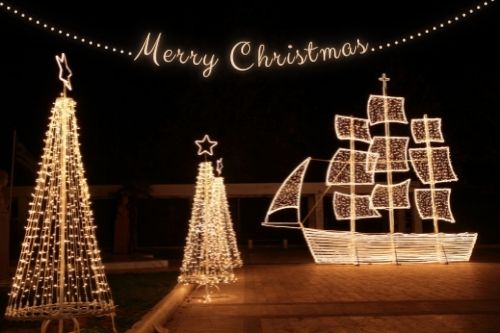
Starting from the Advent weeks and leading up to Epiphany, Christmas in Europe is celebrated with big festivities. All over the continent, lights brighten up some of the darkest days, Christmas markets become mini winter wonderlands and December air is filled with the fragrance of traditional food and the excitement of uniting with loved ones. In such a magical and warm atmosphere, it certainly pays to take a wonderful trip around European countries where you can spend your holidays in cosy homes and enjoy unique Christmas traditions! So, let’s go… Christmas traditions in Greece Life-size boats light up the Christmas cheer in Greece Throughout Greece towns are adorned with vibrant lights, festive decorations and traditional life-size decorated boats alongside Christmas trees during the festive season. These Christmas boats, known as “Karavaki”, are a particular feature of Greek Christmas decorations since they celebrate the safe homecoming of seamen and pay homage to the Greece’s seafaring days.  For food, mouth-watering pastries, like the honey glazed Melomakarona and the sugared shortbread, Kourabiedes decorate the tables of households. Meanwhile, the traditional bread, Christopsomo, has been eaten on Christmas day for thousands of years: the leader of the family makes a cross over the bread, which they then proceed to slice and distribute to each person gathered around the dining table. After Christmas, traditions like cutting into the typical Greek bread, Vasilopita - with a coin baked into it, mark the new beginning and your luck for the year. Celebrated on beloved Basil's Day (January 1), whoever finds the coin in their slice of Vasilopita (literally sweet bread of Basil) is lucky for the rest of the year! The holiday season continues past New Year's, culminating in Theophany. During this celebration, waters are blessed, and a cross is tossed into the water. Brave Greeks plunge into cold waters to retrieve the cross, a symbolic act believed to bring good luck and blessings! Experience the age-old Christmas traditions of Greece, book your perfect accommodation and create a distinct festive memory to cherish forever! Christmas traditions in Slovenia  Nativity Scene in the famous Postojna Caves In Slovenia, modern Christmas celebrations became a part of this solemn and religious festival only after World War II.  Earlier, whole rooms were decorated with string beans and wheat ears to celebrate a good harvest. Now, Christmas is celebrated with loved ones and traditions like the burning of incense, eating special Christmas bread, Potica, and telling of fortunes. For special events, the historic town centre of Ljubljana with its Christmas markets and breathtaking decorations sways you into a festive vibe, while 5 km long live nativity scenes – the country’s largest – are set in the famous Postojna Caves (25th-30th December. This year, the Postojna live nativity scenes are going digital; some events now include immersive light shows within the caves, expanding the appeal beyond traditional elements. But to complete your Slovenian Christmas holiday, it is essential to paya  visit and soak up the charm of one of its enchanting castles. Dream away in the magic of Slovenia by booking your holiday homes for the festive season.  Christmas traditions in Spain The fun and frolic around Los Reyes Magos parade in Seville The midnight mass, or “La Misa Del Gallo,” is one of the most important Christmas traditions of Spain. Usually, these masses take place on Christmas Eve, with people coming home late after the masses and continuing the festivities out on the street.  Presents are opened on Epiphany, when Los Reyes Magos (the three wise kings) sail down all over the country, and most famously in Seville! This year, Spain’s large cities are increasingly offering Christmas-to-Epiphany pop-up markets that extend well into January, blending traditional Spanish treats (turrón, polvorones) with immersive light shows and street performances.Plus, usually on the morning of Epiphany, a traditionally baked Roscón de Reyes is brought from the bakery, with fillings of cream, chocolate or other flavours. Inside, it packs a surprise such as tiny figurines of the Reyes Magos themselves, involving a humorous Christmas custom of hiding a "king" and a "bean" in the cake. If you find the bean, you're tasked with buying the "El Roscón de Reyes" cake the following year, while finding the king means you wear a crown! Additionally, enjoying churros and hot cocoa is a cherished and traditional part of the holiday celebration in some areas, combined with other sumptuous treats like Polvorones (that will melt on your tongue) or Turrones (delicious almond brittles). Enjoy cosy Mediterranean weather and Seville’s spectacular parades with these fabulous holiday homes in Costa del Sol!  Christmas traditions in Croatia  Advent wreath with four candles denoting love, peace, joy and hope Croatia starts its Christmas celebrations on St. Catherine’s Day (November 25), with most engaging in religious activities in the days leading up to Advent. Saint Nicholas Day or Nikolinje, observed on December 6th, is a special tradition wherein children clean their shoes and place them around the windows. If they've been good, they wake up to find sweets and small gifts inside their shoes. However, for those who have been a little naughty during the year, they might discover a birch stick instead! It is also traditional to put up Advent wreaths with evergreen twigs and four candles, as well as the sowing of wheat on St. Lucia’s day (13th December). Christmas trees are put up with traditional decorations like fresh and candied fruits, nuts and sweets adorning the tree. Christmas Day in Croatia is a family-oriented occasion, so people either visit their extended family or are visited by them.  Once again, the intimacy of the family brings real warmth to the entire festivities that culminate on New Year’s Day, with adults handing out presents and money to kids who wish them the season’s greetings. The delicious Christmas food that is whipped up during this time consists of Bakalar (a type of fish), rum or lemon flavoured Fritule and the main course is usually made up of turkey, goose or duck. Holiday at this surprising winter destination, check out some of the best accommodations for families and friends! Christmas traditions in Switzerland Dip in the festive atmosphere of the Christmas Markets in Lugano Big Christmas markets are one of the most loved traditions in Switzerland, along with keeping advent calendars.  Whether store-bought or homemade, these calendars are common in Swiss households and provide a fun way to mark the 24 days leading up to Christmas. In many villages, an advent calendar circulates amongst its houses so that when the calendar falls on your house, an advent window is put up house and a Christmas party is kept by the owner. At this party, the rest of the villagers dig in wine, music, food and sometimes even fondue. Also, save a kiss! As according to tradition, you might have to kiss the cheek of the person standing left to you, dipping their bread in hot fondue.  In Switzerland, Santa Claus arrives on December 6th and brings a bag filled with nuts, mandarins, cookies, and chocolates and distributes these goodies to children based on their behaviour over the past year. On Christmas Eve, meals with ham, scalloped potatoes and Christmas cookies (Zimtsterne, Chräbbeli, Mailänderli, and Brunsli) are eaten, which are prepared with the family’s traditional cookie recipe treasures for the season. Ski down the magnificent Swiss Alps or retreat into the soothing beauty of the Swiss Lakes. Book your perfect Christmas stay in Switzerland!  What’s New for 2025?Christmas travel continues to grow in popularity across Europe, and this year brings some noticeable trends worth keeping in mind:Earlier Christmas Markets: Many European Christmas markets now begin in late November, sometimes as early as the 24th, allowing travellers to enjoy the festive season for longer.Higher Demand for Christmas Travel: Interest in winter city breaks and festive markets has continued to rise, so popular destinations are seeing more advance bookings.Emerging Smaller Destinations: While iconic Christmas cities still shine, many travellers are seeking lesser-crowded towns and regional markets for a more local atmosphere.Focus on Sustainability and Authenticity: Handmade crafts, eco-friendly décor, seasonal local dishes and community-driven celebrations are increasingly central to festive experiences.More Convenient Travel Routes: Several airlines and regional transport networks have expanded winter schedules, making it easier to visit both large and smaller festive destinations.Planning Your StayBook Early: With increased demand and earlier market openings, securing your holiday accommodation in advance is recommended.Consider Timing: Visiting in late November or early December offers the festive atmosphere with fewer crowds.Choose Your Style of Escape:Snowy Alpine charm — Switzerland, SloveniaCoastal mild-weather celebrations — Greece, CroatiaCity lights and classic evening promenades — SpainPack Warm Layers: Even in Mediterranean regions, evenings can be crisp. A warm coat, comfortable boots and gloves make exploring much easier.Try Something Different: Explore smaller markets and regional celebrations for truly local traditions, or select a holiday home with cosy winter amenities for a memorable stay.Want more inspiration?Browse our festive travel blogs and holiday homes across Europe to find the perfect stay for Christmas and New Year.We wish you a Merry Christmas and a joyous New Year!

Zadar in a Day: Your Ultimate Guide to Croatia’s Gem

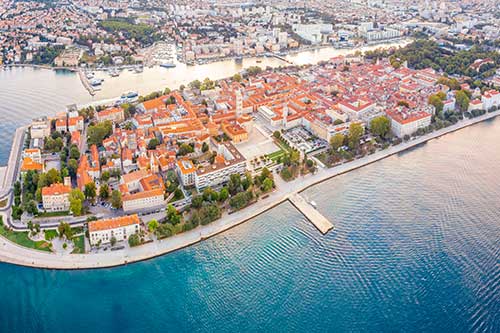
If you’re dreaming of a place where ancient history meets modern charm and where sunsets rival those of any tropical paradise, Zadar, Croatia, should be on your travel list. Nestled along Croatia’s Dalmatian Coast, Zadar is often overshadowed by its popular neighbours like Split and Dubrovnik. Yet, those who venture here quickly discover why it’s one of the coolest cities in Europe.Zadar combines stunning architecture, vibrant cultural experiences, and unique attractions like the world-famous Sea Organ and Sun Salutation. Whether you’re a history lover, a nature enthusiast, or a foodie, Zadar offers a slice of everything. With an added touch of authenticity that feels less commercial than many European hotspots. This guide will help you explore Zadar in a day, from must-see landmarks to hidden treasures, ensuring an unforgettable escape into one of Europe’s coolest coastal cities.Explore the Adriatic city of Zadar in a dayHow to Explore Zadar Like a Local?Given its walkability, Zadar’s most iconic attractions can be explored in a day. This itinerary will help you see the best this coastal city has to offer, with room to discover hidden gems in Zadar.Explore Zadar in a Day 1. Start your morning by exploring Zadar’s iconic attractionsTimeless beauty of St. Donatus Church with the Romanesque architectureSurrounded by Venetian-style buildings, you can cover Zadar’s historical and cultural sites by foot within a few hours.Start at the iconic St. Donatus Church, a 9th-century architectural marvel celebrated for its circular design and pre-Romanesque charm. This masterpiece, echoing Byzantine influences, stands as a symbol of Zadar's rich history. On your way, take a moment to explore the Roman Forum, where ancient ruins tell tales of a vibrant past, offering a fascinating glimpse into the city's classical heritage.  Tip: Nearby, Zadar’s Old Town is famous for its cute street-lined cafes. Grab a quick breakfast while soaking in the stunning sea views at Kavana CENTAR.  The Duke’s PalaceAfter a scrumptious breakfast it’s time to get your feet moving again.  A 6-minute walk from Zadar’s old town will take you the beautiful Duke’s Palace. A stunning fusion of Gothic and Renaissance styles, this palace stands as a testament to Zadar’s Venetian legacy. Beyond its architectural allure, it serves as a vibrant cultural hub, hosting captivating art exhibitions, including works by icons like Andy Warhol and Picasso’s ceramics exhibition.The Five Wells Square (Trg Pet Bunara) Trg Pet Bunara historic square featuring five ornate 16th-century stone wells, bordered by medieval city walls.Just a 2-minute walk from the Duke’s Palace, you’ll find the Five Wells Square. This unique square has five consecutive wells, dating back to the 16th century, when Zadar was under threat from Ottoman forces. To safeguard the city’s water supply, the Venetians built these five consecutive wells above a large cistern, ensuring a reliable source of fresh water during sieges. Nearby is a staircase leading to the city walls, offering views of Zadar’s charming old town and rooftops. Editor’s Tip: Take a breather in Queen Jelena Madijevka Park, adjacent to The Five Wells Square, is Zadar’s oldest public park with Mediterranean plants and peaceful surroundings.  Then grab lunch at Corte Restaurant, known for its Mediterranean and Dalmatian dishes blend. Their fresh seafood and risotto are highly recommended.2. Zadar Day Trips and Hidden GemsSwim, laze, repeat–the perfect day at Kornati National Park.Alternatively, embark on a half-day tour to explore the nearby islands. These 4-hour excursions offer a perfect blend of relaxation and adventure, taking you across crystal-clear waters to discover hidden coves, pristine beaches, and charming fishing villages. Half-Day Boat Trip to Kornati National ParkWhy visit: Kornati National Park is a breathtaking collection of 89 islands and islets known for its rugged landscapes, crystal-clear waters, and untouched beauty. What to do: Embark on a half-day boat tour, which usually includes stops for swimming, snorkeling, and exploring secluded bays. Most tours also provide local food on board, giving you a taste of Croatian island cuisine. Island-Hopping Speedboat TourWhy visit: This speedboat tour offers a unique way to explore Zadar's breathtaking archipelago and vibrant coastal charm. What to do: Start the island-hopping speedboat tour by snorkelling in the crystal-clear waters of Blue Bay Otrić, or sunbathe onboard with a drink in hand. On Ošljak, hike to the island's peak for panoramic views or snorkel along its rocky beaches. In Preko, relax on a sandy beach, explore the nearby island of Galevac, or enjoy the town's shops and cafes for a leisurely end to your adventure.Travel tips: Bring sunscreen, swimwear, and a camera for capturing the stunning scenery. Tours often depart in the morning from Zadar’s waterfront.3.  Sundowner at Sea Organ and the Greeting to the SunEnjoy a unique sunset at Greeting to the SunAs the evening sets in, head to Zadar’s coast to experience the mesmerising Sea Organ, an architectural marvel that transforms the rhythm of waves into soothing melodies. Just steps away, the Greeting to the Sun comes alive after sunset, its solar-powered lights creating a vibrant display that mirrors the beauty of the starlit sky. Together, these attractions offer a serene and unforgettable way to end the day, with breathtaking views of the Adriatic as the perfect backdrop.4. End your day with a truly Dalmatian dinnerPašticada, the traditional Dalmatian Beef Stew served with gnocchiZadar offers both affordable and fine dining options. Traditional tavernas provide an authentic experience without breaking the bank.What to eat: Try Pašticada, a rich Dalmatian beef stew marinated in red wine, and black risotto made with cuttlefish, which is regional specialty.Restaurant recommendations: Pet Bunara for a traditional atmosphere or Proto Food and More for a cosy, modern dining experience focusing on local flavors.FAQs for Your Zadar TripIs Zadar Safe to Walk at Night?Yes, Zadar is very safe, even after dark. The Old Town remains lively and welcoming well into the evening.Is Zadar Worth Visiting for Tourists?Absolutely. With a blend of history, nature, and culture, Zadar appeals to all types of travelers.Is Croatia Mostly Cash Only?While many places accept credit cards, it’s good to carry some Croatian kuna, especially in smaller establishments.Do You Tip in Croatia?Tipping isn’t mandatory, but rounding up the bill or leaving 5-10% is appreciated.Is It Better to Use Kuna or Euros in Croatia?Kuna is the official currency, so it’s best to have it on hand. Some places accept euros, but the exchange rate may not be favorable.Excited to Visit Zadar? Explore the accommodations with us. 

Afficher comme filtre :
×

Filtres
Notre Newsletter

Inscrivez-vous pour recevoir nos offres exclusives et profiter de séjours inoubliables !

Merci pour votre inscription !
Nous vous informerons de nos bons plans de voyage et offres spéciales.