Cultuur Reis blogs

Elk verblijf voelt als thuis

Plan je volgende avontuur met deskundige reisgidsen, routes en must-see bestemmingen in heel Europa!

Best Winter Activities in the Chamonix Valley: Chamonix, Les Houches, Argentière & Vallorcine

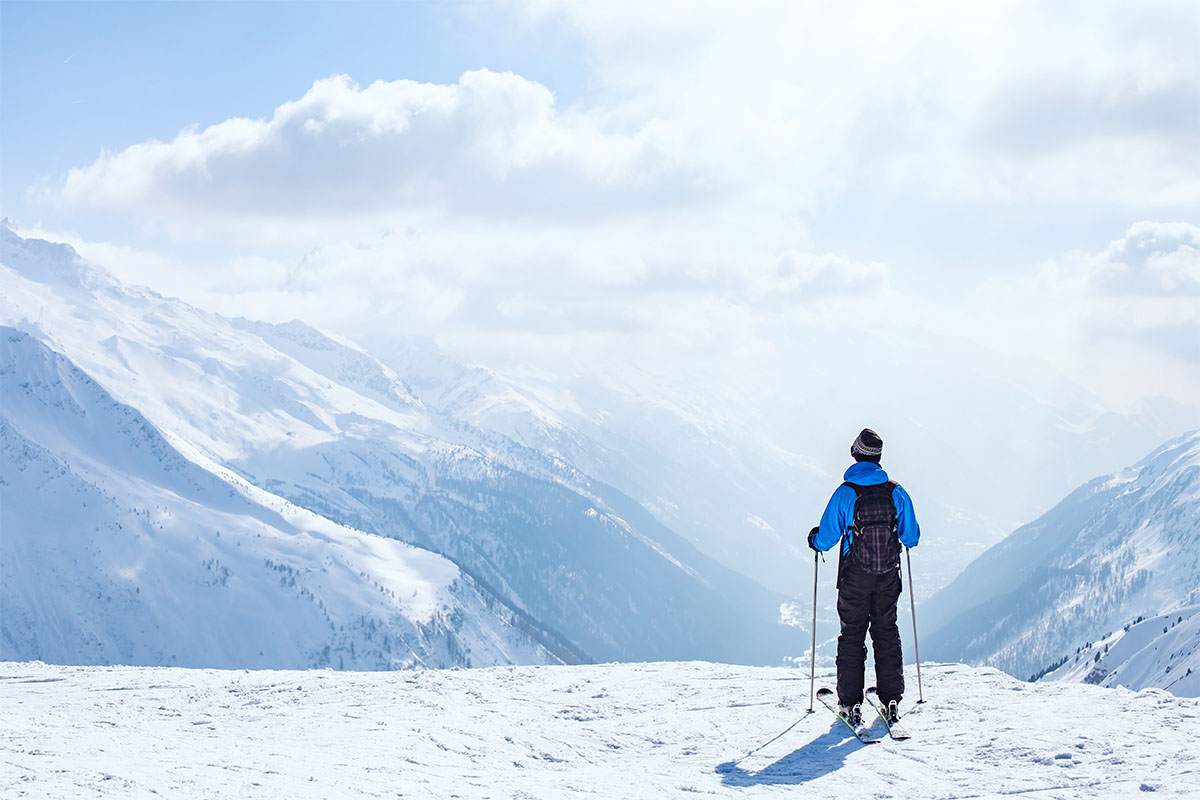
Planning a winter in the Chamonix valley? From gentle snowshoe walks to high-alpine thrills, things to do in Chamonix in winter go far beyond skiing. Whether you’re a beginner or travelling with kids, there’s something for everyone. Keep reading for top activity suggestions, estimated costs, travel tips, and where to find your winter base in the Chamonix ValleyBut first, let’s understand-How to Use This GuideWe have curated this guide to make your holiday shortlisting a cakewalk. This guide includes each area in the valley, offering a distinct winter experience:Chamonix: ideal for lively stays, easy access to attractions, and family-friendly fun.Les Houches: gentle slopes and sledging, great for beginners and families.Argentière: snow-sure terrain and access to Grands Montets for advanced skiers.Vallorcine: peaceful, scenic base for snowshoeing and quiet getaways.Use this guide to plan what to do in each area, then check out our property collections to find your winter base. Activities link out to the official booking site in a new tab, while stay links will take you to our curated listings. Please note that providers set the times and prices; check the official page for updates before booking.Your sign to make winter plans in the Chamonix valley.Chamonix-Mont-Blanc As the heart of the valley, Chamonix combines alpine adventure with culture and relaxation. For those new to skiing, it’s one of the best places to start. Ski schools offer lessons for all ages, with beginner-friendly slopes, such as Les Planards, providing gentle terrain close to the town centre. If you’re wondering, “Is Chamonix good for beginners?” the answer is yes—especially with the right instruction. Top Things to Do in Chamonix-Mont-Blanc1. Skiing & Lessons for BeginnersFirst time skiing? If yes, then Chamonix’s valley is perfect for you. Beginners often start on the lower slopes in Chamonix or the gentler pistes of Brévent and Flégère.Ski schools such as Air Sports Chamonix and ESF de Chamonix offer lessons for all levels.Pass cost: The “Chamonix Le Pass,” which covers multiple zones, costs around €74 per adult for a full day (2025–26 season).Ski Schools in Chamonix 2. SnowshoeingA peaceful way to explore the winter valleys away from the ski lifts, snowshoeing offers scenic trails and guided tours starting at about €50 per person for a half-day. Popular routes include Snowshoeing – Half Day from Chamonix, with gentle climbs of around 200 m. Maps and routes covering Chamonix, Vallorcine, and Le Tour are available online.Read more about snowshoeing in Chamonix here. 3. Aiguille du Midi & Montenvers / Mer de GlacePerfect for non-skiers, these iconic attractions offer unforgettable Alpine views.Aiguille du Midi cable car takes you up to 3,842 m, offering panoramic vistas and the thrilling “Step into the Void” glass box.Montenvers / Mer de Glace involves a scenic cog railway ride leading to the glacier, ice grotto, and Glaciorium museum.The best part? Both are pedestrian-accessible and ideal for sightseeing.4. Spas & RelaxationAfter a day on the slopes, unwind at one of Chamonix’s many spas and wellness centres. Several hotels in town offer luxurious spa experiences with saunas, hot tubs, and massages to soothe tired muscles. You can also check out the famous QC Terme Spa, known for its thermal pools, steam baths, and stunning Mont Blanc views, perfect for a relaxing mountain retreat.Family Picks & Non-ski OptionsLes Planards Alpine Coaster and sledging runs near Chamonix town centre.Outdoor ice rink in Les Houches.Local museums, exhibitions, and cosy cafés for relaxed afternoons.Dog sledge rides through snowy trails (bookable via local activity centres).Check out stays near Chamonix-Mont-Blanc  The highest cableway in Europe, soaring to 3,842 meters at the Aiguille du Midi peak.Les Houches — Gentle Slopes & Family BaseNestled at the entrance of the Chamonix Valley, Les Houches is a charming alpine village known for its friendly atmosphere and stunning views of Mont Blanc. It’s a Famille Plus certified destination offering family-friendly sledging zones and ski schoolsWinter Activities in Les HouchesLes Houches ski areaBeginner-friendly slopes: The Tourchet area in the village is perfect for first-timers. Gentle gradients, magic carpets, and friendly instructors make learning fun and stress-free.Pass cost: A standard lift pass for the Les Houches / Saint Gervais area costs around €47.20, giving access to 55 km of forested runs, snowparks, and scenic pistes.Snowshoeing & Winter WalksSnowshoeing & Winter Walks: Discover scenic trails like Prarion – La Charme (3.5 km loop, ~1h30) or the shorter Petit Prarion Loop (1.4 km). The Sentiers des Cerfs (Deer Trail) is a gentle 3.4 km route perfect for spotting wildlife tracks. Sledging / Tobogganing: At the top of the Prarion gondola, families and kids can enjoy a safe, groomed sledge run. Just hop on a sledge and feel the thrill of a snowy descent. Access is free with a lift ticket.Outdoor Ice Rink: In the village centre, the rink offers skating fun for everyone. Skates can be rented, and the experience pairs perfectly with a short snowshoe walk or a hot chocolate afterwards.To book or read more, check the official activities page. Enjoy sledging in Les Houches!Insider TipsMany snowshoe trails require a gondola ride, so plan ahead and check opening times.Evening events like torchlight descents are unmissable and perfect for photos or a cosy outing with the family.Les Houches is easily accessible by train or bus from Chamonix, making it a stress-free base for exploring the valley.Check out the stays near Les Houches.  Argentière — Snow-sure & Grands Montets AccessHome to the legendary Grands Montets ski area, Argentière suits advanced skiers and snowboarders who crave off-piste challenges. The Les Chosalets zone offers beginner slopes nearby, so mixed-level groups can enjoy the same base. Argentière is 8 km from Chamonix, reachable in 10 minutes by train or car. For non-skiers, ice climbing and scenic winter walks along the Argentière glacier are unforgettable.Top Winter Picks in Argentière 1. Grands Montets ski area Renowned for its extensive terrain, Grands Montets caters to advanced skiers and snowboarders with its varied slopes and off-piste opportunities. Les Chosalets is a beginner-friendly area perfect for those new to skiing or snowboarding. It also features a dedicated snow tubing track for added fun.2. Helicopter ToursExperience the majestic Mont Blanc massif from the sky with helicopter tours departing from Argentière. Flights range from 15 to 30 minutes, offering stunning views of the Aiguille Verte, Grandes Jorasses, and the Vallée Blanche. For more information, check out the official page for helicopter tours. Check out the stays near Argentière. A tourist helicopter over the beautiful Alps! Vallorcine Tucked away in the Chamonix Valley, Vallorcine offers a serene winter experience with scenic slopes, family-friendly activities, and thrilling adventures. Vallorcine Cable Car and Balme Ski Area.Embark on a scenic journey via the Vallorcine cable car, ascending to the Balme ski area at 2,270 meters. This area offers a blend of gentle slopes and tree-lined runs, catering to all skill levels. Along the way and from the summit, enjoy breathtaking panoramic views of the Chamonix Valley and surrounding peaks, all in a tranquil, crowd-free environment.Cable Car Rates (Winter 2025–26) start at €24 per adult (Round-trip). Ski Pass Rates (Balme – Vallorcine Area) start €71.00 per adult. Editor's Note: The Balme ski area is included in the Chamonix Le Pass and Mont Blanc Unlimited Pass.Check out the stays near Vallorcine. A beautiful view of Vallorcine Valley.Practical Tips for Winter in the ValleyBook ahead: Winter in Chamonix is popular; ski schools, spas, and excursions like Aiguille du Midi fill up quickly during peak weeks.Check lift status: Always verify the official lift status the day before your outing, as weather conditions can change rapidly.Dress in layers: Essential items include base layers, warm mid-layers, waterproof outerwear, gloves, and sturdy boots.Transport options: If you’re not driving, rely on the valley’s free ski bus network and regular trains to travel between Chamonix, Les Houches, Argentière, and Vallorcine. FAQs1. Is Chamonix good for beginners?Yes. With ski schools, gentle slopes at Les Planards, Le Tourchet, and Les Chosalets, it’s excellent for first-timers.2. Where to ski in Chamonix for beginners?Les Planards in Chamonix, Le Tourchet in Les Houches, and Les Chosalets in Argentière are the best options.3. What can non-skiers do in winter?Non-skiers can take snowshoeing tours, relax at spas, visit museums, ride the Montenvers train, or enjoy ice skating and alpine coasters.4. Can you ski from Les Houches or Argentière to Chamonix?No direct ski link exists, but free ski buses and trains make it easy to move around the valley.5. What to do in Chamonix with kids?Kids will love sledging in Les Houches, beginner slopes, the Les Planards coaster, and family-friendly museums.Where to Stay in the Chamonix ValleyChoosing the right base will shape your trip. Stay in Chamonix town if you want lively nightlife, cultural attractions, and easy access to both ski and non-ski activities. Families and beginners will feel most comfortable in Les Houches, where the slopes are gentle and the vibe is laid-back. Confident skiers chasing powder often prefer Argentière, while those seeking a quiet retreat in nature should consider Vallorcine.Ready to book? Explore stays by area: ChamonixLes Houches ArgentièreVallorcine 

Portofino Travel Guide: the Perfect Italian Summer Experience

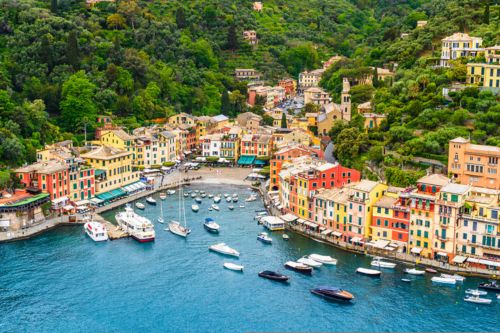
Hidden by mountains and surrounded by the turquoise waters of the Mediterranean, Portofino presents a natural Italian beauty like no other. The little Italian village has become so popular and loved worldwide that it is not uncommon to see celebrities like Jennifer Lopez and Micheal Douglas walking down its charming, cobbled streets and just enjoying the perfect Italian summer. Though small in size, there is plenty to do and experience in a day or even a weekend in Portofino. From its stunning harbour lined with million-euro yachts to hilltop castles with panoramic views and medieval seafront abbeys, this is the only Portofino itinerary you will ever need to create the most memorable holiday in Italy! The stunning Portofino port surrounded by colourful buildings Start the day by strolling around La Piazzetta  The heart of the village, the place where everything happens, La Piazzetta is the main square of Portofino. You can find some of the best dining experiences here for a taste of true Ligurian cuisine: From elegant waterfront dining at the famous La Terrazza to family-run trattorias like Trattoria Tripoli with in-house wines.  The village also has exclusive Michelin-star restaurants like the seafront DaV Mare if you are willing to pay a bit more than usual for top-class gourmet meals. However, for a more budget-friendly and immersive experience, try one of the cooking classes in Portofino where they will teach how to make an authentic Focaccia alla Genovese or Trofie al Pesto, a typical pasta from the area. La Piazzetta is also a convenient spot for browsing the high-end local boutiques and international brands like Louis Vuitton and Ferragamo! Editor’s tip: Take a quick tour of the 11-C Chiesa di San Martino in La Piazzetta before exploring other parts of Portofino. The entry is free, and the nave of the church is absolutely gorgeous. The frescoed nave of the 11th Century Church of Saint Martin (Divo Martino) in Portofino, ItalyClose to La Piazzetta are also the best things to see in Portofino! Just a 5-minute walk away is Museo del Parco with Italian-style gardens and some fine examples of the Genovese architecture. If you move a bit further in the direction of the Portofino Marina, it's the imposing Castello Brown you’ll be greeted with. A short hike up the hill and you will reach this well-preserved fortification that has stood in Portofino since the Roman times. Castello Brown also has one of the most expansive views of Portofino that spans the hilltop, the village and azure bay! A lovely aerial view in a sunny summer day in Portofino from Castello Brown Another place to soak up unreal views is the Lighthouse of Portofino. Perched at the cliff end of the promontory, the views here are truly breathtaking. And since you need to hike to get to the lighthouse, the small bar there serving drinks completes an overall rewarding experience! The lighthouse of Portofino at the cliff end of the promontory Cool down at the Baia Cannone There are actually two places where the clear waters of the sea tempt you to take a dip and enjoy the Mediterranean. The first is Baia Cannone, which is less than a 10-minute walk from La Piazzetta. It is the perfect spot to get away from the main square buzz for a bit and just enjoy nature. The turquoise waters of Baia Cannone in Portofino Editor’s tip: This is the perfect place to decide: Where to stay in Portofino? If you wish to stay close to Baia Cannone, then this sea-view apartment might be ideal but if you want to stay smack dab in the middle of the village, then this Piazzetta Martiri stay is better. The charming San Fruttuoso Bay with the Abbey and the beach Anyway, the other spot to enjoy swimming waters is at the Abbey de San Fruttuoso, one of the main highlights of Portofino. The abbey presents a picture-postcard kind of beauty, but it can be reached only on foot or by boat.  Two routes lead to the Abbey. Find the best hiking route for you here. There is also a little surprise here that many don’t skip while visiting Portofino...  The underwater statue of Christ of the Abyss in the Bay of San Fruttuoso. Originally placed in the medieval abbey itself, the bronze statue is now immersed in the clear waters and can be admired through snorkelling, diving, kayaking or a glass-floor boat tour. Gift yourself an amazing experience to admire the underwater statue of Christ of the Abyss Is it possible to have a budget-friendly holiday in Portofino? Since the holiday destination caters to a jet-setting crowd, it has become one of the most expensive holiday hot spots. Staying in budget-friendly accommodations in close by destinations is ideal if you do not want to shell out a lot of money.   Plus, considering its small size, driving around in high season with limited parking space could be very tricky. Portofino’s has easy access from alternative destinations like Santa Margherita di Ligure, Cinque Terre and Genoa, making it worth it for all travellers. Here is how you can get to Portofino from each of these destinations Santa Margherita to Portofino Home of the beautiful Villa Durazzo and the only sandy beach on the Italian Riviera, Baia Paraggi, Santa Margherita di Ligure is the closest option to stay in for visiting Portofino. From the village, it is just a 20-minute bus ride or an hour-long hike (if you love hiking, then do not miss out on the opportunity to savour one of the most beautiful routes around). Take bus 782, which runs every 20 minutes, and it will drop you off right in the centre of Portofino. A ferry service, which runs from March to October (starting from 6€), also goes from here; it is the perfect way to treat your eyes with one of the most gasp-worthy views of the Portofino harbour.  Stay in Santa Magherita Ligure. Genova to Portofino The capital of the Ligurian region, Genova, is a great alternative to enjoy the city vibes and easy access to Portofino.  From Genova, it is approximately a 45-minute drive to Portofino, or you can take public transport. The regular FS 12337 train goes to Santa Margherita and from there the usual 782 will take you to your destination. The old harbour (Porto Antico) is the ancient part of the port of Genoa. In 1982 was redeveloped as area for public access restoring the historical buildings Editor’s tip: Do not miss out on one of the largest aquariums in Europe in Genova, with manta rays, whale sharks, seals and more. Stay in Genova centre. FAQs How much time do you need in Portofino? Ideally a day. But it also depends on how much you want to explore. If you plan on taking cooking classes or hiking in the Portofino Nature Park, then 2-3 days or a weekend is perfect. Is Cinque Terre or Portofino better? There is no choice when it comes to either. Rather, Portofino is a good addition to your Cinque Terre itinerary, especially if you are hiking the five beautiful villages. Is Portofino worth visiting? Portofino is one of those destinations that you should visit at least once in a lifetime. It blends everything Italian in the most scrumptious manner. From iconic Italian luxury to ancient charm, clear waters and lush nature. So, what will you choose: A day trip or a weekend in Portofino? You will find accommodation for all price ranges in Liguria, from low-budget to high-end retreats! 

Our Most Romantic Getaways for a couple's vacation

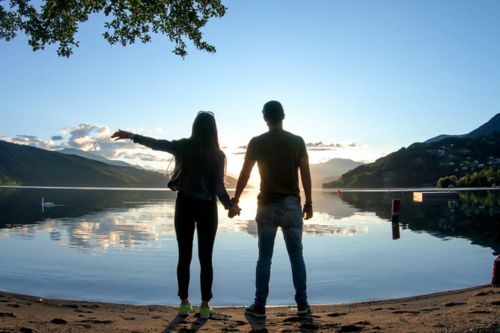
With the day of love around the corner, celebrating it with your special one is a must. But if like us you too feel that love should be celebrated every day, then these romantic retreats will back up your every romantic holiday plan. From luxe Jacuzzi getaways to beachfront fun and city escapes, our latest selection of the most romantic couple-friendly homes is perfect for packing your bags and lolling off with "the one".  Whether you are looking to reconnect with your partner, thinking of an adventurous couple's weekend or planning your Valentine's Day escape, these year-round romantic nooks offer you some of the best escapes. (Use the discount code HRLOVE to get a special 10% discount on bookings from 13th to 17th February 2025 to celebrate St. Valentine's!)A luxury retreat in Campania to pamper each other Enjoy cosy moments in the hot tub in this lovely retreat In the coastal town of Agropoli, the pearl of Campania, this Jacuzzi retreat in lush greenery welcomes you to indulge in the vibrance of the Mediterranean atmosphere and share intimate moments surrounded by everything that feels like love.With antique charm and modern comforts, the vacation rental offers time off from mundane life and more time for each other. Bask in the sun-drenched private garden, with sun beds, a jacuzzi and your favourite drink, or delight in the host’s special breakfast whipped up with homemade ingredients. If you feel like it, then there is a fabulous option for guests to host exclusive garden parties; but if couple-friendly explorations are more your thing then the historic Agropoli Castle, pristine beaches (The Bay Trentova and Spiagge di Agropoli), and the nearby treasures of Paestum Archaeological Park are located within a couple of minutes from here. Book this romantic retreat! A secluded cottage, fabulous outdoors and perfect moments in Croatia’s countryside  Set your romantic dinner in this property’s gazebo Less than an hour from Zagreb, the serenity of the countryside and this enchanting romantic cottage offer quick, year-round getaways for city dwellers and nature lovers. This stylish retreat seamlessly blends traditional and contemporary features for couples of all ages. Enjoy sunny moments on the terrace, cosy up with the wood-burning stove, or relax in the hot tub amid the curated garden. With a master bedroom, a convertible sofa, and a well-equipped kitchen, this haven ensures comfort. Moreover, after some indulgence at the property, guests can easily explore the historic Varazdin in just 15 minutes, savour the local cuisine, or simply unwind in the idyllic surroundings.  Book your romantic escape! Winery Weekend, Wellness and Self-Care in Dolejska Wine Region  A romantic retreat in a picture-perfect wooden cottage, surrounded by vineyards Conveniently located between Ljubljana and Zagreb, this picture-perfect retreat promises an unforgettable holiday for couples.Slow down at this romantic escape where traditional and contemporary design come together to give you a slice of Slovenian paradise. Relax in the unique Finnish sauna, dine on the wooden deck with breathtaking views, unwind in the wooden hot tub with a glass of local wine, or retreat to the hay loft for rustic relaxation. Additionally, the owners' wine cellar beckons for local tastings and curated experiences including wellness treatments. And there is plenty to do nearby as the enchanting town of Otočec, with the only Gothic water castle in Slovenia on a river island, is just 10 minutes away and many thermal baths of Slovenia are within easy reach.  Book this cosy cottage! Get swept off your feet at with this central city escape on Ljubljanica’s banks Plan your next city escape in this spacious apartment in Ljubljana Home to historic architecture and the living Ljubljana Castle, the capital of Slovenia might not be the first place that pops up when one thinks about romantic getaways. But with Ljubljana’s Luv Fest and this charming riverside apartment, the city might just spell the perfect Valentine’s for you!Perfect for up to 4 guests, the air-conditioned retreat is a year-round haven. Unwind in the naturally bright living room or relax in the private open-air coffee corner. Fully equipped for a carefree stay, the apartment is ideal for exploring Ljubljana's architectural wonders, dining in charming restaurants, and wandering the historic Old Town—all within walking distance. Whether winter or summer, this central location is your gateway to Slovenia's diverse beauty. PS. Bikes are also available for guests if you want to discover hidden spots of the city cycling slo-mo with your love. Book your next city trip! A haven of tranquillity, this romantic mountain retreat is where skiing is still in spring till April Enjoy the view of the mountains from this balcony Nothing says it's time to cosy up with your special one better than a holiday in the winter wonderlands.This holiday retreat in Claviere, one of the six Via Lattea resorts, is the ideal nest to escape to alpine serenity. Perfect for honeymooners and pet lovers, the private terrace with mountain views features wooden interiors and an alpine living experience. Plus, with proximity to skiing spots and ski storage, this apartment is also the ideal ski-in/ski-out vacation rental. The snow-sure slopes of Via Lattea bring skiing vibes well into April and with 6 resorts to choose from, there is a wealth of experiences to enjoy. Explore nearby attractions, from the Church of San Maurizio to thrilling ski resorts like Sauze d’Oulx and the French resort Montgenevre, making memories that last a lifetime.  Book one of these mountain havens! Waterside rental with a private beach on Kolpa RiverEnjoy the peace of River Kolpa in our waterside house A picturesque, romantic cottage in a serene hamlet between the lush forest and the enchanting River Kolpa means that nature has come together in harmony to give you the best of its beauty and gifts.With a private beach just steps away, this delightfully cosy wooden haven is pure indulgence surrounded by nature. Let loose in the outdoor Finnish sauna, stone terrace, BBQ facilities and balcony overlooking the river. Explore the unspoiled beauty of Slovenia's southern border, by hiking, cycling, fishing, SUP and exploring the river with canoe rental available at every step. Plus, with Petrina just 5 minutes away, this retreat is all about tranquillity with a dose of adventure. Book your private beach rental! Enjoy Katakolon’s alluring water at this beach Retreat in GreeceRelax by the sea in this perfect romantic beach getaway!  Unwind, explore, and create cherished memories with your special one at this beachfront haven in Katakolon just a stone’s throw from various cafes, bars, beach bars, and a barbecue restaurant. Located right on the sands of Agios Ilias beach, this sun-soaked escapes feature a spacious balcony with a sea view, perfect for dining to the soothing sound of the waves. Fully air-conditioned and equipped with Wi-Fi, it feels like a home away from home but with the magic of Greece and an incredibly charming location with direct beach access and water sports like SUP boarding and swimming. The well-furnished living area and open kitchen provide all you need for a carefree self-catering stay.  Book these sun-soaked escapes! A Romantic Villa that doubles as a spa retreat, the go-to honeymoon hideaway Book the weekend in this romantic villa for you and your loved one With a utopic location in the small Italian town of Alviano, the holiday villa offers a whole package for travel lovers and honeymooners. The town is home to not only historic structures like Rocca di Alviano but also to one of the biggest natural reserves in the area, the Alviano Oasis with more than 190 bird species and 7 kilometres of forested paths for delicious walks and wanderings.  Explore the area and come back to fabulous amenities like a private swimming pool for a dip or the sauna to relax your nerves. Depending on the weather, curl up in front of the fireplace with your loved one or plan a sweet little picnic in the exclusive garden equipped with open-air dining and BBQ. Book your stay in this romantic villa! A soul-soothing Mountain Cabin abound in Hungarian nature and a Michelin-star dining experience  Admire the view amid nature and sunshine Embark on a journey to the natural bounty of Southern Hungary, where the East Mecsek landscape protection district unfolds at the foot of Zengő mountain.  The sustainable cozy cabins overlooking the picturesque Hármashegy offer a close-to-nature retreat, embodying tranquillity and relaxation. Resembling a herd grazing on the hillside, the cabins prioritise eco-friendly practices, from LED lights to selective rubbish collection. Experience comfort with a sauna, indulge in a breakfast basket or explore nearby dining options like Hosszútányér, a Michelin-starred restaurant, just minutes away on foot. Discover the cultural richness of Pécs known for its European Capital of Culture heritage. For sports enthusiasts, Central Wakeboard Park is a short drive, and Lake Pécs awaits water lovers. Book your retreat amid nature! A luxe experience in nature to round up a truly relaxing Valentine’s  For nature lovers, Treehouse with a Jacuzzi and BBQ in the middle of the Slovenian woods Hidden in southern Croatia, this scrumptious treehouse escape promises a tranquil day or days of love surrounded by mountains, rivers, and lush forests.Just 30 minutes from the famed Adriatic coast with its golden beaches, and an hour from the historic city of Zadar, guests can immerse themselves in 3000 years of history, vibrant markets, and a captivating coastal landscape, and at the same time, enjoy a delightful experience in the peace of nature and a balcony for enchanting treetop dining. Its well-equipped kitchen heated shared pool, outdoor jacuzzi, and covered BBQ area ensure a perfect blend of relaxation and adventure. Zadar International Airport is conveniently located just 50 minutes away, making this treehouse a gateway to an unforgettable Croatian holiday. Book your getaway in nature! Whether it is a ski resort, a beach destination, cities in love or the most untouched corners of Earth’s paradise that you are looking for? Book your time away with your loved one now! 

The most beautiful villages in Umbria worth visiting

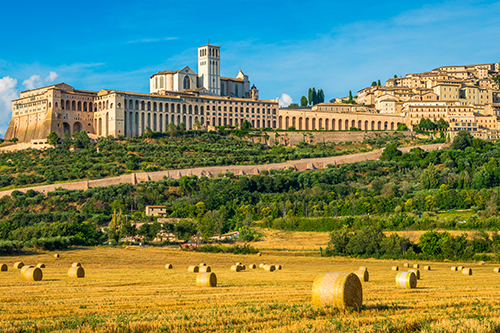
Embarking on a journey through the heart of Italy unveils a tapestry of enchanting villages, each with its unique charm and timeless allure. In the picturesque region of Umbria, where medieval streets wind through rolling hills and historic architecture stand as a testament to centuries past, the quest for the most beautiful villages becomes a captivating odyssey.  Below, we have found the hidden gems, the quaint corners, and the cultural treasures that define the most enchanting villages to visit in Umbria! 1. AssisiAn idyllic view of the hilltop village of Assisi East of Perugia lies the hilltop town of Assisi, the birthplace of Saint Francis, the patron saint of animals and the environment. Its must-see Basilica di San Francesco, constructed between 1228 and 1253, is a significant Christian pilgrimage site. Assisi also has the well-preserved Roman Temple of Minerva from the 1st century for those who’d like to venture into ancient times! Not only that, this UNESCO World Heritage site with stunning medieval architecture, narrow streets, and panoramic views is also quite the charmer for nature lovers with the nearby Mount Subasio Regional Park serving as a beautiful retreat.  2. PerugiaThe beautiful Piazza IV Novembre of Perugia The regional capital, Perugia, with its historical sites, medieval alleys, and vibrant cultural scene lures into a rich history dating back to Etruscan times. Explore impressive Renaissance architecture in its piazzas, discover intriguing medieval lanes, and uncover Etruscan ruins beneath the cathedral. July brings the vibrant Jazz Festival, filling the streets with music, meanwhile, the Perugina chocolate factory, producer of delicious Baci chocolates, is a year-round favourite of tourists. Ideally, you should allow at least three days to fully enjoy the city! 3. Orvieto The iconic duomo of Orvieto on a crisp, sunny day Known for its impressive Duomo (Cathedral) and well-preserved medieval centre, Orvieto sits atop a volcanic cliff and offers breathtaking views of the surrounding countryside. Book a tour of Orvieto Underground to discover the fascinating history of kilometres of tunnels beneath the city. Alternatively, visit the impressive cathedral, marvel at the Pozzo della Cava, a 36-meter-deep Etruscan well, and descend the 248 steps of the Pozzo di San Patrizio, a 54-meter-deep well.  Easily accessible by train from Rome in one hour or by car with ample parking, Orvieto can be explored in a day, but two days allow for a more relaxed experience. Also, don't miss a fantastic pizza at Piazza del Popolo. 4.  Spello An atmospheric alley of Spello to spend your afternoon A charming hilltop town with medieval streets adorned with flowers, Spello is often considered one of the most picturesque places in Umbria with diverse experiences that pique curiosity. In Spello, wander through its floral alleyways, admire its churches, and enjoy stunning Umbrian vistas. Art enthusiasts shouldn't miss the Baglioni Chapel in the Collegiata di Santa Maria Maggiore and the Infloriata festival in June that transforms streets into floral carpets. The town also offers excellent restaurants like La Cantina di Spello, showcasing local delicacies such as black truffles, olive oils, Chianina beef, and wild boar. Editor’s tip: Make Spello the base for your Umbrian trip as it is easily accessible by train! 5. Gubbio  An alluring view of the historic buildings of Gubbio As one of Umbria's oldest medieval settlements, Gubbio has preserved its original appearance and is known for its historic centre, the Palazzo dei Consoli and the annual Corsa dei Ceri festival. The town is quietly surrounded by countryside and ancient woodland, with the Piazza Grande offering stunning views of the valley and showcasing historic buildings like Palazzo dei Consoli and Palazzo Pretorio, as well as the Duomo and the Church of San Francesco. Gubbio is also known for hosting the world's largest Christmas tree during the holidays!  Gubbio is perfect for a day trip accessible by car, train, or bus from Perugia and Rome. Editor’s tip: Indulge in Umbrian cuisine, including legume soup and strangozzi with meat sauce. 6. MontefalcoThe autumn-like beauty of the Mantefalco Sagrantino Vineyards Considered the “Balcony of Umbria”, Montefalco is surrounded by vineyards and is renowned for its wines such as Sagrantino di Montefalco and Montefalco Rosso, as well as panoramic views of the Umbrian countryside between Perugia and Spoleto. The well-preserved medieval center with ancient walls and towers includes highlights like the circular Piazza del Comune with key buildings like Palazzo Comunale, Teatro Comunale, and Oratorio di Santa Maria di Platea. The Church-Museum of San Francesco houses a significant fresco cycle by Benozzo Gozzoli, while other attractions include medieval walls, Sant'Agostino gate, churches, and the Castle of Fabbri with an archaeological crypt! 7.  TodiMarvel at the octagonal architectural expertise of Tempio di Santa Maria della Consolazione Todi's well-preserved medieval centre leads you into a world of typical architectural structures like the Piazza del Popolo and the Tempio di Santa Maria della Consolazione. Perched on a hilltop above the River Tiber, Todi is by visitors for its authentic charm and limited tourist impact where you can experience genuine Umbrian life and savour earthy flavours like a slow-cooked pigeon with a delightful dry white wine. Todi also serves as an ideal base to explore neighbouring Umbrian gems, with Montefalco and Perugia, which are just a short drive away. 8. Bevagna Feel the olden days come alive at Mercato dei Consoli A small medieval town known for its virtually intact Roman and medieval architecture, Bevagna is the perfect stop for reliving the old times. The town is home to the former church of Madonna delle Neve, ancient thermal baths, Piazza Silvestri, Palazzo dei Consoli, and churches like San Silvestro and San Michele Arcangelo. It also plays host to the Mercato delle Gaite, a historical reenactment festival recreating medieval village life every June. To top it all Bevagna has a well-preserved historical center with charming alleyways attracting visitors since the Grand Tour era.  9. Città di CastelloThe grandiose cathedral of Città di Castello Located in the northern part of Umbria, Città di Castello, a medieval gem on the Tiber, has a mix of Renaissance and medieval architecture, including the Palazzo Comunale and the Cathedral of San Florido. Its historic core is made up of cobbled streets and hidden churches, and features the Palazzo Vitelli alla Cannoniera, a 16th-century palace turned art gallery, showcasing exceptional works by Renaissance artists like Raphael and Luca Signorelli! 10.  Castiglione del Lago The brilliant blue waters of Lake Trasimeno visible from Castiglione del Lago Nestled on the shores of Lake Trasimeno where Umbria meets Tuscany, Castiglione del Lago is famed for its 13th-century Castello del Leone offering stunning views. The town is also ideal for exploring several other water's-edge villages and tranquil islands, notably Isola Polvese with its historic Church of San Guiliano and the beautiful Garden of Aquatic Plants. Every spring, the Coloriamo i Cieli Festival transforms the skies with colourful kites and hot-air balloons above Castiglione del Lago.  Want to start making plans for your travels through the "Green Heart of Italy" ? Book your tranquil Umbrian retreat here! Before you go… More information and FAQs to make your travel easier around Umbria! Is it worth going to Umbria? Despite its relatively small size, the region offers a wealth of exploration opportunities including some top spots from our list such as Assisi, Orvieto, Lake Trasimeno, Montefalco area and Monte Subasio Regional Park. Plus, Umbria’s location in Central Italy, approximately midway between Rome and Florence, makes it quite an accessible destination even from Tuscany. From Rome, it’s about a 2-hour drive north whilst it’s a much longer 5-hour drive south from Milan. Florence to Perugia is likewise around a 2-hour drive, trains are also available.  Which is better, Umbria or Tuscany? Tuscany is renowned for its iconic city centres, while Umbria offers a more immersive Italian experience. Although Tuscany has better-known small towns, Umbria provides ample opportunities to escape crowds in the region often referred to as Italy's "green heart." The less-discovered charm of Umbria makes it an ideal destination for those seeking a more tranquil and authentic Italian experience. How many days do you need in Umbria? Umbria's compact size makes it an ideal destination for a long weekend break. In three days, you can explore a couple of the region's beautiful hilltop towns while leaving ample time to indulge in the delicious Umbrian food and wine. However, if you are planning to see more towns and villages, you should consider booking at least one week. Where is the best base to explore Umbria? Perugia is the most convenient city for basing yourself when exploring Umbria. As the capital, largest city, and transportation hub of the region, Perugia provides easy access to trains and buses connecting to other towns in Umbria. The city also offers a variety of accommodation options, including hotels and vacation rental apartments, making it a practical and comfortable choice for your stay in the region.  If you want something more in the countryside, Spello, a stunning hill town in Umbria, is not just a popular day trip destination but also an excellent base for exploring the region. Easily accessible by train, with a short ten-minute walk from the station to the town, it offers a convenient travel option.  If hilltop towns aren't your preference, Bevagna is an excellent alternative. Conveniently located, Bevagna serves as a strategic base for exploring nearby attractions such as Spello, Perugia, Montefalco, and Assisi, especially if you have a car.  How do you get around Umbria without a car? In Umbria, public transportation is limited, with train lines connecting Perugia to popular towns like Assisi and Spello, and local buses covering the rest of the network. For exploring remote villages, especially those not serviced by public transit, having personal transportation like a car is recommended for flexibility. Parking outside medieval towns is necessary, and solo travellers may consider mopeds for day trips, though they are not allowed on highways.  Planning your itinerary is key to navigating public transportation in Umbria. Check the list of towns served by the regional train service and the timetables. Additionally, examine the schedules of regional buses from stations to towns, as well as connections between different towns. With thorough planning, you can make the most of the available transportation options and ensure a smooth and enjoyable journey through the picturesque region of Umbria. The Umbria GO pass offers a convenient solution, providing access to (sub)urban buses, trains, and the Lake Trasimeno ferry, with options for 1 to 30 days. Prices start at €15 and go up to €120. The pass can be purchased at Trenitalia or Busitalia ticket offices, though information on select sales points is primarily in Italian. Buon viaggio! 

Cultural adventures in Europe: 5 surprisingly good destinations

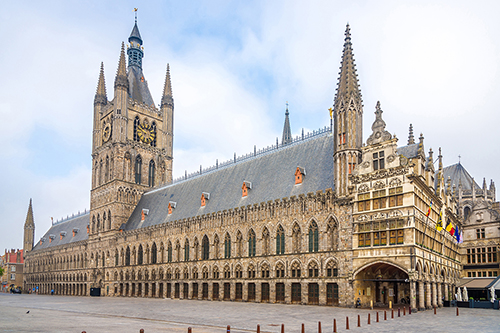
In the age of Instagram, globalisation and rapid travels, over tourism has made the already popular destinations overwhelming to visit and similar in terms of what they have to offer. But there are still some hidden destinations in Europe where there is a chance to slow down, learn about different cultures and gain a fresh perspective of the world: In short, a chance to enjoy a culture trip in Europe and go back to the origins of travelling, which was always to explore and discover the unknown!What to do on a culture trip?●Research the area: A culture trip is a milieu of historical palaces, museums, traditions, folklore, food and more, so a bit of research before going is recommended to make sure what kind of cultural experience you are looking for.●Festivals and Events: Being part of the popular local festivals and events or carnivals is a great way of taking a cultural trip as most of these celebrations revolve around keeping traditions alive. ●Taste the local cuisine: Food is one of the most crucial elements in a cultural trip. A taste of the local cuisine or traditional holiday meals is like getting a taste of how it is to live a normal life in the area.●Immersive Experiences: Immersive experiences allow one to relive cultures that probably do not exist in real life anymore, such as experiencing a pure sense of travel in time with period performances at Predjama Castle or enjoying local culture with vineyard stays in Slovenia.●Home Stays: After food, the best way to experience life like a local as well as the culture is through a homestay. Are there different cultures in Europe? Book a holiday home in Europe and find the answer!Now the list…With unique cultural experiences ranging from the medieval ages to the modern 19th century and up until the Second World War, these destinations are easily some of the well-hidden gems in Europe for a cultural trip!1. Ieper, BelgiumLakenhalle, a stunning example of medieval Gothic Architecture in Ieper, BelgiumWith its iconic Belgian Medieval Gothic Brick Architecture to marvel, Ypres, or Ieper, is home to one of the largest Cloth Hall buildings, the Lakenhalle. Located in the city’s old town centre and declared a UNESCO World Heritage Site in 1999, the Lakenhalle retains its original architecture and is surrounded by the Grokt Market of Ieper. In the market, slow down and sit at one of the open-air cafes to enjoy the placid pace of life accompanied by famous Belgian waffles or beer. Ieper is also a fascinating destination for all curiosos of WWI and WWII. Destroyed completely during the First World War, Ieper, pays homage to all the fallen soldiers at the Menin Gate war memorial. The Menin Gate, which was once the pathway for allied forces to reach the frontline, is a remembrance of the devastation caused by one of the most significant wars in human history. The illumined monument of Menin Gate leading to the old town centre of IeperToday, this 97-year-old memorial holds *The Last Post Ceremony at 20.00 every day to honour all the British and Commonwealth soldiers of the war, with hundreds of spectators showing up every day to witness the moving experience. For those who want to take the journey further into their explorations must also visit the Flanders Field Museum, the British trenches and the memorial to Gurkha and Indian soldiers.The city is close to other beautiful coastal towns with World War history on the West Coast like Nieuwpoort and Oostende. Find holiday homes on the Belgian Coast to soak up art, culture and history.*Please note that the Menin Gate is temporarily under restoration and all of it may not be accessible. However, the Last Post Ceremony will continue to take place as usual. 2. Kotor, Kotor Bay, MontenegroA picturesque aerial view from the old town of KotorNot only one of the least crowded summer holiday destinations, but Kotor is also one of the nicest and most friendly cultural trip contenders. The city, crowned by the lush Dinaric Alps and hugged by the crystal waters of the sea, is ideal for those who love culture as much as nature. Located a couple of hours from another historic city, Dubrovnik, Kotor promises a dive into various cultural intrigues, including food and wine, orthodox churches, hiking trails to fortresses and a charming old town full of, CATS! Alternatively, the town offers many fests and events to actively take part in the culture of Montenegro in February, July and August. Immerse in the traditional folk dance in the old town of Kotor, MontenegroIn February, the traditional festival with celebrations including masking in ancient style is held, while in summer the international arts carnival adds a celebratory vibe to the city in July-August. With over 200 programmes and international artists, the International Festival KotorArt Festival in summer highlights Kotor’s culture and includes various categories like the Klapa Music Festival, Sea Rock Festival and the Kotor Children Festival.For gastronomic explorations, dive into the local Montenegrin cuisine that consists of delicacies like the fish brodetto: a white and blue fish done several ways and served with Swiss Cheese and potatoes, or the roasted octopus, black risotto, clams, and shrimps. Don’t forget to top it all off with the traditional wine Vranac!Stay on Kotor Bay and visit other stunning jewels around like the baroque city of Perast, Budva or Igalo!3. Rogatec, SloveniaA charming example of old-style sun-Pannonian house in the Rogatec Open-air MuseumJust half an hour from the cultural capital of Ptuj is this hidden gem that transports travellers to the good old days. Home to the largest open-air museum in Slovenia, Rogatec has made it to the list for its sheer charm and authenticity. The small town offers a one-of-a-kind immersive experience at the Muzej na Prostenm Rogatec, where life as our ancestors knew it remains alive and available to be experienced with many activities and workshops like “Bread my nana baked”. Another structure reminiscent of Slovenia’s past is the manor house, Duorec Strmol, which also has exhibits and activities to let visitors be part of the day-to-day life of the past.Feel truly like a local at Rogatec with the farmhouse with sauna and explore its surroundings and other hidden Slovenian destinations like Celje.Tip: Experience the cultural richness of Slovenia with other exciting stops like Ljubljana and Bled!4. Sirmione, Lake GardaA captivating aerial view of the Scaligero Castle in SirmioneOne of the biggest lakes in Italy, Lake Garda invites tourists to explore its two-dozen little villages and towns even in the off-season. But amongst them all, Sirmione, located on a peninsula jutting out of the land around the lake, is considered the prettiest. And with good reason. Sirmione’s Scaligero Castle, with its moat, drawbridge and fortified harbour, towers over the tiny Lake Garda village and is its very own cultural icon. The 13th Century Castle is unique for its fortified harbour, the only one in Italy, and has recently come into the public eye for its stunning location and preservation, which happened just 5 years ago! The Castle gives a vast panorama not only of the lake but also of the history of Italy, wherein towns and cities were always up for grabs by powerful families, which in this case was Sirmione.Apart from the imposing castle, the lakeside village’s lovely 15th C Church of Santa Maria Maggiore allows visitors to explore Italian Gothic architecture. Meanwhile cosy squares like Piazza Carducci serve as hub of restaurants to try the typical lake cuisine that consists of dishes with lake fishes as the main hero and some excellent regional wines and everyone’s favourite, the Italian Gelato!The famous Piazza Carducci brimming with café goers on a lovely day in SirmioneSirmione also has efficient ferry services to reach 16 villages on Lake Garda, which includes the famous Riva del Garda and the windsurfing hub Torbole. Discover the famous holiday resorts of Lake Garda with the best holiday homes.5. Lake Balaton, HungaryLive it up with Lake Balaton’s famous white mineral winesCastle, caves, lake and lavender. Lake Balaton is a multi-faceted destination where culture trip enthusiasts would find their thing as much as party lovers would do. From wines and traditional food to immersive castle experiences and hikes on volcanic hills, Lake Balaton is a destination of experiences as varying as exciting.Nicknamed “the nectar of gods” the Hungarian white wine is produced in the Badacsony region, one of the most famous Hungarian Wine regions with volcanic hills and home to the full-bodied mineral white wine and many wineries with tours. For other hedonistic pleasures, visit the village of Kaptalantoki Liliom Village with its traditional Hungarian market and products.The impressive exteriors of the Festetics Mansion in Upper Lake BalatonFor nature seekers who love encountering culture on the way, there are hiking trails that lead to ancient ruins and castles, which have undergone major renovations only in the past few years: like Szigliget; known locally as the Balaton Castle with a Baroque Kitchen, Castle Chapel and weapon exhibition, Sümeg; restored in 2022 and now giving real-life opportunities to soak up Historical Equestrian Games, the Knight’s Big Hall, Castle Tavern, exhibitions and more and the jaw-dropping Festetics Mansion in Keszthely. There are many more things to do at Lake Balaton. Book your holiday home and discover the lake!

Hiking in Liguria: 4 routes to enjoy in or under 4 hours

A land immortalised by the likes of Claude Monet, Lord Byron and Dante, Liguria’s stunning beauty and its picturesque location are hardly a secret. The Ligurian region, home to alluring UNESCO sites like Porto Venere and the famous Cinque Terre, is characterised by a dramatic cliffside location, colourful coastal villages and the wide expanse of the Mediterranean Sea, making it a popular tourist attraction in Italy. Therefore, it comes as no surprise that this region is also a great avenue for lovers of hiking and trekking. Aerial view of Cinque Terre’s Vernazza, one of the “Most Beautiful Villages in Italy”  Trekking routes in Liguria generally range from longer treks (between 7-8 hours) to much shorter ones (1.5-4 hours), with varying levels of difficulty, routes and experiences. But all of them wind through Liguria’s history and the beautiful seacoast, almost always around! In our blog, we have rounded up 4 hiking excursions in Liguria that you can complete in or under 4 hours, without compromising on the beauty and versatility of the region! Porto Venere to Riomaggiore - The Gulf of Poets Hike  The stunning Church of S.Pietro in PortovenereAlmost 12 km long, the hiking route on the Gulf of Poets is a challenging one and winds through the beautiful natural park called Cinque Terre Nature Park. The route, also called Sentiero dell’Infinito, begins at Piazza Basteri in Porto Venere, the town adored by the famous English poet, Lord Byron, and ends in the famous Cinque Terre village of Riomaggiore.  Starting from the piazza, the stone staircase leads you to the Doria Castle, the oldest fortification in Liguria which is also the only Genoese architecture left in the region. From there, you also get a glimpse of Palmaria Island, one of the biggest in the Gulf of Spezia, and the sea view accompanies you thereafter.  The next part of the trek goes through Campiglia, from where the hike route once again climbs upwards to Colle Telegrafo (the highest point of the trek). However, after this, the route starts to descend and stretches through the Sanctuary of Nostra Madonna di Montenero before ending in Riomaggiore dotted with cosy cafes, seaside bars and restaurants serving delicious Ligurian Cuisine. Tip: For some breathtaking cliffside aperitifs or meals, the Bar e Vini a Pié de Ma is ideal. Time: 3-4 hours Suitable for: Fit hikers used to hiking routes with climbs The Borgio Verezzi Route in Liguria di Ponente Borgio Verezzi - Valdeminio caves, one of the most coloured caves in the world A route for all ages and seasons; the Borgio Verezzi Route in Liguria will suit hiking beginners. The route starts from Passeggiata Livello Borgio in Borgio Verezzi and crosses areas of multiple architectural and natural beauty before ending in the mythical Valdemino Caves (Caves of Verezzi), which opened to the public just 50 years ago. In between, the route is sprinkled with many interesting spots like the ancient Church of San Martino, Sanctuary of Maria Regina and Mulino Fenicio (a typical old Phoenician mill with blades inside the structure instead of outside as in common windmills). Time: 4-5 hours, depending on your speedSuitable for: All ages and levels of hikers 3. The Abbey of San Fruttuoso di Camogli San Fruttuoso Abbey panorama and beach in Portofino, LiguriaNow turned into a sombre sight with crystal waters washing its shore, the Abbey of San Fruttuoso can only be reached by sea or on foot. The Abbey route has multiple departure points making it suitable for tourists in Portofino, Punta Chiappa, Camogli and San Rocco. The shortest route, however, starts from the village of San Rocco, close to Camogli, and leads through a path of narrow stone divided into two routes: the shorter inland route and the longer sea-view route. The inland route starts at the Church of San Rocco, from a single red circle and meanders through the woods of the Portofino National Park till Gaixella, from where you can walk on the equipped path leading to the abbey. The longer route also starts from the Church of San Rocco but winds along the sea; it starts from the 2 red filled-in circles and is ideal for experienced hikers. After a dip in the water, when relaxation fills the mood, you can easily take a boat back to the charming seaside village of Camogli. It is recommended to check the ferry times from Camogli to San Fruttuoso and back in advance. Time: 2.5 hours (from San Rocco) Suitable for: All levels of hikers depending on the route.  4.  The Sestri Levante Hike in Punta Manara 

Unique Christmas Markets in Europe

Between Christmas dinners, gifting and carols, there is a much-awaited Christmas tradition that draws thousands of visitors to various gorgeous cities all over Europe. The European Christmas markets are that something special that you find nowhere else in the world during the festive season. With their enchanting combination of wooden chalets, regional food, ice-skating rinks, and unique themes, these Christmas markets make European cities captivating winter destinations for friends, families and travellers looking to soak up some culture on vacations.  Below, we have rounded up some of the most awesome on-the-radar Christmas markets in Europe for the festive edition 2025-2026!  Ljubljana Christmas Market The beautiful reflections of Christmassy facades lighting up the Ljubljanica Ljubljana’s festive programme fills the historical city centre with markets, concerts and free family events. The city runs a broad “Festive December” programme (tree-lighting, organ-grinders and music on Pogačarjev trg, a Castle Festive Fair, a Magical Forest eco-workshop, nativity scenes and special children’s events). Entrance to the festive market areas is free; the Visit Ljubljana event page acts as the official programme hub and will publish the exact 2025 dates and the switch-on schedule when confirmed. Where: Prešeren Square, Kongresni trg, Castle area and embankments along the Ljubljanica.What to expect: Local craft chalets, sustainable/eco-themed workshops, live concerts and nightly light displays.Where to stay: Accommodations in Ljubljana. Zagreb Christmas Market A magical view of the Ban Jelačić Square in Zagreb Zagreb’s award-winning Advent returns in late November with dozens of themed markets around the city — Ban Jelačić Square, Zrinjevac, European Square and the Upper Town. For 2025 the official Advent Zagreb dates are published as 29 November 2025 – 7 January 2026; expect the ice-rink, a Ferris wheel, themed food stalls and a full programme of concerts and children’s events.Where: Ban Jelačić Square (main market) + multiple city squares and promenades.What to expect: Traditional foods (fritule, sarma, grilled sausages), mulled wine, kids’ rides and an ice rink — plus many small neighbourhood markets to explore.Where to stay: Accommodations in Zagreb Bruges Christmas Market (Bruges Winter Glow) The magical Grote Markt in Bruges during Christmas Bruges’ Winter Glow returns with two principal markets in the historic centre — the Markt (Market Square) and Simon Stevinplein — each with a distinct character (traditional gifts on the Markt; short-chain/craft producers at Simon Stevinplein). Opening dates for Winter Glow 2025–26 are 21 November 2025 – 4 January 2026. Opening hours and special late-night hours on weekends and New Year’s Eve are listed on the Visit Bruges site. Where: Grote Markt (Markt) and Simon Stevinplein.What to expect: Waffles, jenever, Glühwein, craft stalls, an ice rink and the new Light Experience Trail as part of Winter Glow.Places to stay: Accommodations near Bruges Merano Christmas Market The mythical Krampus that starts roaming the streets of Merano during Christmas More Austrian than Italian in its vibes, the spa city of Merano has one of the most unique settings.  Merano’s atmospheric market, chalets against mountain scenery and the town’s spa-town vibe will run for the 2025 season from 28 November 2025 to 6 January 2026. The programme includes artisan stalls, regional Südtirol specialities, themed markets (textile, jewellery, ceramics) and events inside Castle Tyrol on selected dates.Where: Kurhaus area, Castle Tyrol, Theatre Puccini and town centre.What to expect: South Tyrol cakes, mulled wine, alpine crafts, Krampus-style parades and smaller specialist markets across town.Where to stay: Accommodations in Merano Lugano Christmas Market, Switzerland Lugano’s enchanting Christmas winter park Lugano’s lakeside Mediterranean charm meets a festive programme: for 2025 the city’s official listings show 27 November 2025 – 6 January 2026 for the Natale/Christmas programme, with market chalets in central piazzas (Piazza della Riforma and other squares), lights in Parco Ciani and family events. Opening hours for Piazza markets are published by the city (times vary by square).Where: Piazza della Riforma (main tree & central stalls), Via Nassa, Piazza Manzoni, Parco Ciani (lights/enchanted forest).What to expect: lakeside strolls between chalets, Italian-Swiss street food, live music and a warm, refined festive atmosphere.Where to stay: Accommodations in LuganoTip: If it is your first time in Lugano, then head to these extremely picturesque locations: Gandria and the prettiest village in Switzerland, Morcote. Chamonix Christmas Market A wintry Christmas atmosphere in Chamonix Chamonix’s valley programme gathers local villages for a series of shows and parades; the Chamonix town market typically appears in the pedestrian centre. The Chamonix event page lists the valley’s Christmas events (crafts, arrival of Father Christmas, workshops). At the time of publication, many Chamonix pages still refer to the previous seasonal dates (example: the 2024 market ran 18 Dec 2024 – 3 Jan 2025). For 2025, the official Chamonix tourism page is the best place to check the valley programme and the town market schedule when organisers confirm the new season’s dates.Where: Place du Triangle de l’Amitié and pedestrianised centre (Avenue Michel Croz, Place Balmat, Quai d’Arve) plus surrounding villages (Les Houches, Servoz, Vallorcine).What to expect: local artisans, Haute-Savoie specialities, Christmas parades, children’s activities and seasonal workshops. Confirm exact 2025 dates on the Chamonix events page.Where to stay: Accommodations in ChamonixOther Christmas Markets worth visiting this holiday season Whether seeking a scenic lakeside stroll or the charm of snow-dusted mountains, these markets offer a magical slice of European Christmas.  Winterland Locarno (Locarno, Switzerland)When: 20 November 2025 – 6 January 2026 Location: Piazza Grande in Locarno Highlights: Ice rink, slide, carousel, Christmas market chalets, concerts and light shows. Check out our blog for more information. Mercatino di Natale di Trento (Trento, Italy)When: 21 November 2025 – 6 January 2026Location: Piazza Fiera and Piazza Cesare Battisti, TrentoHighlights: Around 90 wooden chalets selling craft and local foods, strong eco-friendly/sustainable focus (paper bags, regional foods) Naples Christmas Market / Presepi in Naples (Naples, Italy)When: Approx 1 December 2025 – 6 January 2026 for major fair/market events. Location: Primarily around Via San Gregorio Armeno (famous for nativity-scene artisans) and Piazza Comune / Via San Biagio dei Librai and other streets in central Naples.Highlights: Unique nativity scene (“presepe”) culture with artisan workshops, festive decorations and street markets rather than large chalet villages.Plan your festive getaway with us and experience the magic of Europe’s most enchanting Christmas markets this holiday season!

Greek Islands Travel Guide: find the best island to visit for you

Home of the ancient gods, myths and architecture, Greece has enchanted thousands of travellers and it still holds the same charm for many. The nation’s gorgeous islands are one of the key attractions, offering different types of tourism: from luxury honeymoon getaways to budget-friendly family vacays and non-touristy havens. In fact, the islands are a great place to start if you are travelling Greece for the first time as most of them have retained their authenticity. How many islands are there in Greece?  This question is not easy to answer. For the Hellenic Tourism Board there are about 6000 islands in total, National Geographic counts 1400 while according to the Greek government, there should be about 9835 (including rocks!). In all, there are 7 archipelagos in Greece (the Ionian Islands, the Cycladic Islands, the Dodecanese archipelago, the Sporades archipelago, the Saronic Islands, the East Aegean Islands and the North Aegean Islands) and the two large islands of Crete and Euboea.  Since the country has more than 200 habited islands, it is natural to be confused when planning a travel itinerary and choosing the one that suits your travel style. So, we have rounded up the best of the most beautiful Greek Islands below, along with where to stay to give you the most effortless Greek Islands Travel Guide.  The most beautiful Greek islands Honestly, there is no such thing as the most or the least beautiful island, it all depends on our needs and preferences including budget, presence of airport, nightlife, climate, type of tourism and presence of facilities for children or your four-legged friends.  How to decide which Greek island to visit? Every island is different and therefore can meet the needs of different types of tourists. Below are some of the wide categories you can choose from: budget friendly, non-touristic, nightlife and romantic getaways. Budget-friendly Greek islands Greece in summer can be a fairly expensive destination, but there are exceptions. Serifos and Naxos, Cycladic Islands A panoramic view of the island of Naxos in Greece during a summer sunsetSerifos, in the Cyclades, is considered the cheapest island in Greece. Frequented mainly by locals, it offers heavenly beaches and low prices. In addition to its many islands, in the Cyclades, there is the famous Naxos that offers the opportunity to visit charming mountain villages. If you love history, you will not be disappointed by its ancient ruins and churches as well as numerous archaeological sites. Naxos is famous for the ancient Temple of Apollo, the old town of Naxos (Chora), the mountain village of Apeiranthos, and the stunning beach at Agios Prokopios. Skopelos, Sporades Archipelago Enjoy a delicious lunch at the waterfront in Skopelos Skopelos, the cheapest of the Sporades, is also the island where the movie "Mamma Mia" was filmed. It is famous for the Church of Agios Ioannis, where some scenes from the film were shot, but offers few sandy beaches. However, its breathtaking views make up for it more than you’d think and the traditional fish tavernas bring to you a taste of the scrumptious Greek cuisine. Crete Aerial view of the stunning Elafonissi beach, Crete, Greece The most famous island, Crete, also offers inexpensive accommodation. Easy to reach, thanks to the presence of no less than two international airports, Heraklion's Nikos Kazantzakis (HER) and Chania Airport (CHQ), Crete is a popular destination for tourists. As the largest island in Greece, it offers several tourist attractions, breathtakingly beautiful beaches, such as the Balos Lagoon and the white-sand beach of Elafonissi and Crete's rich history adds to its charm. Visit the Minoan palaces of Knossos, Phaistos, and Malia, and enjoy unforgettable sunsets over ancient landmarks. For a unique day trip, explore the island of Spinalonga, a former prison colony.  Editor’s Tip: With its "Work from Crete" initiative, this Greek island has also opened to digital nomads. Check out the requirements, stays, cafes etc. in our full guide on Digital Nomads in Greece.Non touristy Greek islands for those seeking relaxation Amorgos, Cycladic Islands Traditional whitewashed windmill in the port of Aegiale, Amorgos In the Cyclades there is the unspoiled Amorgos, famous for the monastery of Hozoviotissa, a snow-white building set among the rocks and reached by a long and beautiful flight of steps. Not to be missed is a visit to the enchanting beach of Agia Anna, where the movie "The Big Blue" was filmed. The island is popular with those who want to experience a relaxing vacation. Ikaria, East Aegean Islands Traditional village of Evdilos, in Ikaria Island, Greece, with fishing boats According to myth, Icarus fell in Ikaria, in the Northeastern Aegean, when his wings melted. The island is also famous for its hot springs, located at Therma, 12 minutes from the airport, and has lively little traditional villages like Evdilos.  Ithaca, Ionian Islands Waterfront of Vathy, the capital of Greek Island Ithaca Ithaca, the home of Odysseus, despite its literary fame, wonderful beaches and crystal-clear waters, has not yet been contaminated by mass tourism unlike neighbouring Kefalonia. Editor’s Tip: Crete also offers alternatives for those who want a relaxing vacation.Greek islands with the best nightlife  Mykonos, Cycladic Islands The Little Venice district with bars and restaurants by the sea in Mykonos Island Younger tourists will be happy to frolic in the sizzling Mykonos nightlife, the Ibiza of Greece, ideal for those who want to dance the night away under the stars. Zakynthos or Island of Zante, Ionian Islands The high cliff restaurant “Sunset Michali Taverna” in Zakynthos Zakynthos, the queen of the Ionian Sea, is famous for being praised by the renowned Italian poet Ugo Foscolo. It offers exciting nighttime entertainment in Laganas, a favourite destination for those who like to party till the early morning hours. The island is easily accessible by both ferry and airport (Dionysios Solomos Airport). So, you can stay on the island or visit it from the port city of Kyllini. Zakynthos isn’t only for those who like to party till the break of dawn. When here, you can visit the many natural attractions such as the Blue Caves and Keri Caves. Be sure to visit Navagio Shipwreck, one of the most Instagram-worthy spots in the Greek islands and among the world's most beautiful beaches.  Rhodes, Dodecanese Islands The small, whitewashed village Lindos on Rhodes Island Popular with tourists from northern Europe, Rhodes is an ideal destination for those who love to party. On Orfanidou Street, you can find a wide selection of bars and nightclubs, some of which host evenings with internationally renowned DJs. During the day, walk through the medieval Old Town of Rhodes, visit the the picturesque village of Lindos, enjoy a beach day at Anthony Quinn Bay, and experience the local nightlife Crete also has quite a lively nightlife, proving to be suitable for diverse tourism. Close to Heraklion, there is Hersonissos, which is home to the famous StarBeach club, frequented by party animals from all over the world.  Santorini, Aegean Islands Greek salad with beautiful sea view in Santorini Island, Greece Santorini is known as a sophisticated and romantic destination, but its nightlife will not disappoint. In Fira you can find disco bars open until dawn, and the beaches of Perissa, Kamari, and Perivolos host several beach bars. Greek Islands honeymoon destinations When it comes to romantic getaways, the Greek Islands in our list above also offer some of the most enchanting and idyllic settings in the world. If you are looking for breathtaking sunsets, white-washed buildings, luxury cliffside accommodations, and stunning views of the caldera, Santorini is the perfect place for you even if not very budget-friendly. Mykonos is the perfect destination for couples who love partying and a cosmopolitan atmosphere while if you are looking for a more tranquil atmosphere Milos offers unique rock formations, pristine beaches and less crowds. History lovers would find their little paradise in Rhodes and Naxos, while for a perfect romantic holiday with crystal-clear waters, pristine sandy beaches, and breathtaking landscapes, Zakynthos is ideal. Smaller and less crowded than Santorini, Zakynthos is perfect for couples. Despite its size, it boasts vibrant nightlife, allowing you to dance the night away and relax on the beach the next day.  For active couples, Crete is a dream destination. Its stunning mountains, canyons, and vibrant seaside towns offer endless exploration. The romantic landscape, with its beautiful beaches and hidden coves, is perfect for relaxation. If you are looking for unspoiled nature, the car-free Hydra, Folegandros and its cliffside villages, Skopelos with its lush greenery are impossible not to mention. What’s the best time to visit Greek Islands? The Greek Islands enjoy sunny and balmy weather most of the year, but they truly come alive in the height of summer. If you love beach holidays, the islands are a paradise with abundant sun and warm waters perfect for swimming. However, popular islands like Mykonos, Santorini, Corfu, and Paros can get very crowded in July and August. For those more interested in sightseeing, hiking, and exploring, March-April and October are ideal months to visit. Do note that by late October, ferry services and flights reduce their routes, and many businesses on the islands may close for the winter. Still undecided on which island to visit? We cannot blame you; the choice is vast. In the meantime, you might want to start by peeking at our beautiful vacation rentals in Greece! You will be spoilt for choice! 

Our Eighth Digital Nomad Friendly Stop: Malta

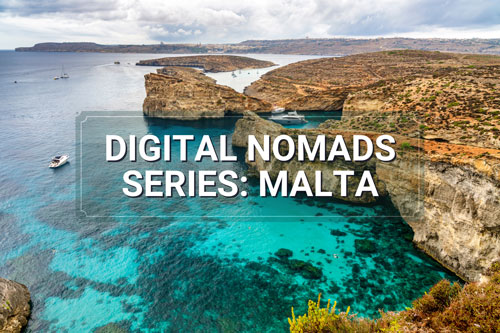
Nestled between Sicily and the African Coast, Malta attracts tourists from all over the world for its stunning waters, sunny weather and beautiful beaches. But for digital nomads, this small island country offers everything possible to easily slide into the digital nomad lifestyle and also experience something unique every day.So, let us ferry to Malta and see what makes this Mediterranean holiday destination your next perfect digital nomad stop!The turquoise waters of the famous Blue Lagoon in MaltaBut, wait. Before we dive into the tons of exciting things you can do in Malta, let us tell you the top 5 reasons that make this small island country super digital nomad friendly!Where can you work remotely in Malta? This is a question every remote worker needs answered when they are looking for cities for digital nomads. The island has several coworking spaces, out of which Glashaus and SOHO top the list of most digital nomads in Malta. There is also a decent cafe culture if you are the kind who likes to mingle with the local population and enjoy a greater variety of workspaces.English speakers can rejoice too because English is one of the official languages of Malta, so you won’t be lost in translation!Safety-wise the country has been well-rated and it is especially LGBTQ friendly. Case in point: There are tons of gorgeous beaches to unwind on, and Malta’s Qarraba Bay Beach as well as Pembroke’s Beach are the go-to beaches for LGBTQ vacationers!The island is also one of the first European countries to initiate a 5G network program. So even though this water-locked haven is away from the mainland, the island enjoys fast internet speeds that many digital nomad friendly countries still lack! Malta has also introduced the digital nomad visa for non-EU citizens. The considerable EU ex-pat community in Malta certainly makes it easier to settle into the global digital nomad community on the island. But, with the nomad residency permit, even non-EU citizens are now seeing Malta as their prospective nomadic home. Now that you know why Malta is a super welcoming digital nomad friendly stop, let us introduce you to your nomadic life in this Mediterranean archipelago!The international digital nomad community in Malta is a combination of EU and non-EU citizensThe three islands of Malta, Gozo and Comino make up the Maltese archipelago, wherein each islet can be easily hopped over to using efficient ferry connections. There are so many things to experience on all three of them but we have curated the best ones for digital nomads in Malta. So read on and get a sneak peek of the digital nomad lifestyle in Malta!Soak up the Maltese history that dates back to 5900 BC!Maltese history is an interesting mix of rule by Romans, St. John’s Knights, Arabs, Greeks, French and even the English. Therefore, each of the monuments that you will wander in Malta will lead you to a different time and history of the island, which is equal parts beautiful and intriguing.There are prehistoric temples on the island that are very well-preserved, so much so that at the neolithic Mnajdra Temple you can still observe the astronomical phenomena working with the same precision as they did ages ago. The Ggantija Temples (in Gozo) are also a particularly interesting archaeological site and seem to have appeared on the scene even before the mysterious Stonehenge. These temples form an enchanting complex that still stands tall and belongs to the 3600-3200 BC era!The extensive catacombs of Malta are a quirky mix of spook and sublime. One such catacomb is the Rabat Complex, which is home to almost 1000 bodies buried deep under the eponymous suburban city. If you are a more daring digital nomad, then do not miss out on the 3 floors of subterranean grave caves at Ħal Saflieni Hypogeum. It is also the only known example of an underground maze-like graveyard in entire Europe!Outdoor Activities for digital nomads in MaltaTrekking: The rich history of Malta will always accompany you, even on hikes. For the outdoorsy digital nomad, Malta has unique and easy-to-do hikes like the famous Victoria Lines and the 2000-year-old Xemxija Heritage Trail. In Gozo, the Xlendi hike is a medium-level, cliff-top trail with an unearthly rose-gold view of the rugged coastline of Malta that is best admired at sunset. Tip: The treks are perfect for those who plan to work remotely in Malta through the mild winter months of January till March! The clean waters of the natural St. Peter’s PoolSwimming: Cliff jump into one of the many natural pools of Malta! The popular turquoise waters of St. Peter’s pool will give digital nomads a refreshing reminder of the joys of their life on the road and make them forget about their tight work deadlines. Diving: Another way to forget about work is to discover the mysterious marine life of the Mediterranean Sea through nighttime diving in Malta. Moreover, a bonus to diving in Malta is that it has several licensed diving centres if digital nomads are first-time divers! Snorkelling: For snorkellers, some of the best and clearest spots are Qawra Point Beach, Crystal Lagoon, Cirkewwa and the unusually luminescent blue waters of the Santa Maria Caves. Of course, all the snorkelling and diving points are excellent for just lying back and soaking up the delicious Mediterranean weather.Tip: Digital nomads can effortlessly ferry themselves from Malta to the largest island of Italy, Sicily, or even make Italy their next digital nomad stop!Fun and party for Digital Nomads in MaltaDo not let the small size of this Mediterranean Island fool you. Malta has so much to offer year-round that you would be surprised with the way your untraditional life balances out.With each pyrotechnic display more beautiful than the other, the Maltese Festa is the perfect time to visit the little villages of Malta as they are decorated to their best and have an exquisite showcase of fireworks to outdo their rival villages!Malta’s capital city Valetta’s harbour illumined by fireworksIn the atmospheric capital city of Valletta, you can enjoy the popular Notte Bianca – a visual and sensory feast of art, music and delicious Maltese cuisine. On that note, do not miss a chance to gorge on the sumptuous Ravjul, a rustic-style Maltese ravioli, and Pastizzi, a puff pastry with ricotta or pea filling that will become your go-to snack in Malta.International artists like Jason Derulo and Martin Garrix also pump up the party scene in Malta at the Isle of MTV Festival (usually happens in July). But for a more bohemian and into-the-wild experience, the yet-hidden Hippie Earth Garden Fest is the place to be for remote workers in Malta.Tip: For pub crawlers, Malta’s St.Julian area is the perfect location to satisfy their inner party animal.Unique things to do in MaltaMalta has its fair share of unique things to do for digital nomads. The original set of the Robin Williams movie, Popeye, is right here in Malta. The seaside set of Popeye’s Village is beautifully perched on a precipice and is a walk down the memory lane for all digital nomads who have grown up with the spinach-eating sailor man. The dreamy set of Robin Williams' Popeye in MaltaFor an off-the-beaten-track experience and something truly local, the Ta’ Dbiegi Craft Village (Gozo) is the hub of traditional Maltese art including pottery, glass and hand-made lace. So, don’t forget to buy some for yourself or your loved ones as a keepsake from your travels in Malta!Something totally unmissable and perhaps most-frequented by the digital nomads working remotely in Malta is the sleek city of Sliema. Just a quick ferry ride away from La Valletta, Sliema’s 3 km-long seaside promenade is, surprisingly enough, a calm location to walk down and explore crystal-clear natural pools carved out by the Victorians! Solace and peace pervade yet another tranquil city of Malta called Mdina. The fortress city is home to just 300 people and allows you to get lost in the narrow alleys and soulful silence, especially during evenings.The tranquil harbour with the baroque church of Jesus of Nazareth, SliemaThese are indeed just some of the highlights of the digital nomad life in Malta, there is so much more beauty, history and tranquillity to be explored! So are you ready to take things forward and make Malta your next digital nomad home? Start by looking at our wonderful holiday homes in Malta!

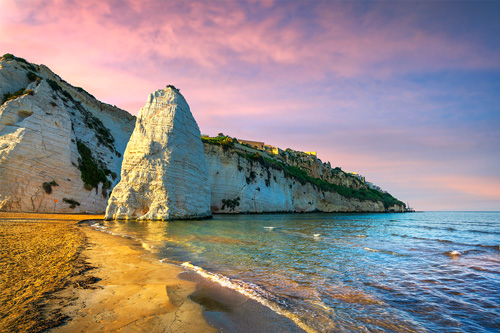
Vieste and the legend of Pizzomunno

Hanging from the pure-white limestone cliffs, the mediaeval town of Vieste is a beautiful mix of narrow alleys, cobblestone pathways, souvenir shops, and sandy beaches that make it one of the most tranquil summer getaways in Puglia. In fact, the seaside town has lured not only tourists but also a very famous legend – the legend of Pizzomunno – to its scenic shores. It is believed that this ancient legend has given birth to an unusual landform, a giant monolith called Pizzomunno, on the edges of the dazzling Adriatic Sea.So, let’s take you through the romantic legend of Pizzomunno and see why Vieste is totally worth a visit on your trip to Puglia this summer!Standing 87 feet tall under the dramatic skies of Vieste, Pizzomunno is tucked away at the far north end of the 3km-long, golden-sand beach of Castello. Though the natural structure is a memorable sight to see in itself, the legend has given it a charming history that has remained with it for hundreds of years The singular Pizzomunno on the edges of Castello Beach According to the legend, the young fisherman, Pizzomunno, and his lover, the beautiful Cristalda, were attracted to the stunning “end-of-the-world” location of Vieste by the song of a hundred mermaids. As the young couple were stealing some moments together, the mermaids – who had tried hard to seduce the handsome fisherman but failed – became jealous of the great love and loyalty between Pizzomunno and Cristalda.Next thing you know, the mermaids transformed Pizzomunno into a large white stack of stones! Then to make sure that the young lovers were kept apart, the mermaids tied Cristalda’s feet and sent her into the depths of the sea. The legend further continues that Pizzomunno is turned back into his human form every hundred years and disappears from the shore for a single day to meet his beloved Cristalda!But, legend or no legend, Vieste is a really picturesque and romantic holiday getaway on the Gargano Peninsula. In fact, for digital nomads too, Vieste is a great starting point for a laid-back nomadic life in Italy! The stunning promontory of Vieste What can you do in Vieste?With the calm, blue flag waters of the Adriatic lapping the shores, Vieste’s beaches and sea are perfect for enjoying water sports and swimming. In the town itself, an essential experience is wandering around the charming alleyways of Vieste’s old town centre.You can carry on your little tour from the old town centre of Vieste to its breathtaking promontory with white-washed houses and some extraordinarily romantic sunsets. From the promontory, you can head to the nearby Norman Castle and catch a panorama of the striking white of Pizzamunno and the gorgeous deep blue of the Adriatic Sea.Another must-do when in Vieste is boat tours! Transporting you to impressive hidden caves, coves and natural formations, the boat tours from Vieste are an excellent way to soak up the picture-perfect beauty of the Gargano Peninsula.Tip: To enrich your travels with something truly Puglian, a visit to the capital of Trulli, Alberobello is a must.Vieste’s excellent location in the magnificent Gargano Park also makes it possible to enjoy extraordinary excursions in the magical mediaeval woodland of Foresta Umbra in just 30 minutes! The enchanting beauty of Umbra ForestMoreover, Vico del Gargano (the village of love) and the sandier beaches of Peschici are also within a 40-minute drive from Vieste. But if you are with your family for a long summer break, then an extraordinary date with history in the natural cave churches of Gravina di Puglia is unmissable. Also unmissable is a visit to the other pearl of the Adriatic, Polignano a Mare, which has more than 70 sea caves and year-round crystal-clear waters to enjoy!Inspired to take a trip down to the charming seaside town of Vieste? Book a stay in any of our carefree holiday homes in Puglia.

One day in Šibenik: Top 12 things to see

Often not as valued as it should be, that one place on the Croatian coast that many miss is the beautiful city of Šibenik!  Unlike Dubrovnik or Split, which were founded by the Greeks, Šibenik, or Sebenico as it was historically known, was one of the few native cities built by the Croats on the Adriatic coast. Šibenik’s Mediterranean climate, its long coast dotted with cool cafes, old fortresses and ancient limestone architecture perfectly blend the charm of the historic with modern holiday vibes. And with UNESCO-World Heritage sites like the iconic St. James Cathedral, which served as the backdrop of the uber popular series, Game of Thrones, Šibenik is a destination not to be missed.  In fact, if you are near Zadar or Split, Šibenik is an ideal break spot as it is located right between the two cities. Though the city merits at least two days for complete exploration, if you are in Šibenik for only a day, you can still capture the essence of this more-than-a-thousand-year-old city with our recommendations. Below we have made our picks of some of the best attractions to put on your check list if you are on a day trip to Šibenik.  Aerial view of the famous Republic Square with st. james cathedral on the coast of Croatia in Sibenik What to see in Šibenik Croatia? Our list of top 12 things  Explore Šibenik Old Town  Explore the enchanting Old Town of Šibenik with its medieval charm and labyrinthine streets. Prepare to navigate numerous stone stairways as you wander, as Šibenik allegedly has more stairs than any other city in Croatia, even surpassing Dubrovnik. The famous stairs of old city Šibenik Undoubtedly worth a visit in the old town is the beautiful medieval Republic Square with its elegant Venetian Baroque style buildings and palaces of noblemen that make this area of the city a little gem.  Also situated on the Square of the Republic of Croatia, Šibenik Town Hall, which was built between 1533 and 1546, is an exemplary Renaissance structure, featuring grand columns, arches, and a balustrade. Despite damage from a 1943 air raid, the town hall was faithfully reconstructed, offering visitors a glimpse of its original splendour. Today, it has a classy, romantic restaurant opposite which stands the Cathedral of St. James. Cathedral of St. James Breathe in the impressive architecture of the Saint James Cathedral and Šibenik’s peaceful waterfront as the sun rises up Šibenik’s Cathedral of St. James is the city's crown jewel. An imposing building with large, white slabs — it is, without a doubt, a fixed stop for the tourists. Built entirely of stone over a century, it seamlessly blends Gothic and Renaissance styles. Adorned with over 70 unique faces, it's a testament to architectural brilliance. In addition to admiring its external beauty, it is worth entering inside and drawing inspiration from the magnificent, well-preserved and finely decorated baptistery of the Church.  Church of St. Barbara Behind the cathedral lies the charming Church of St. Barbara (Sv. Barbara), featuring a unique façade with a 24-hour clock and two small bell towers. Look out for the 15th-century statue of St. Nicholas by Bonino of Milan above the door. Originally dedicated to St. Benedict in the mid-1600s, the church was later rededicated to St. Barbara but then deconsecrated in 1806, it served as a military warehouse before becoming the Museum of Ecclesiastical Art. Inside, visitors can explore a captivating collection of religious art, utensils, manuscripts, and icons spanning the 13th to the 18th century. Sibenik’s promenade Šibenik's promenade offers stunning views of the Adriatic Sea and the Old Town. With lovely cafes, international restaurants, cool bars, and the Cathedral of St. James close at hand, it's the perfect spot for a leisurely stroll with an elegant vibe. The Four Wells  One of the medieval Four Wells of Šibenik Only 50m from the Cathedral of St. James you can visit the Four Wells. During the Middle Ages, the "Four Wells" cistern was constructed in Šibenik to address water shortages during military blockades and dry periods. The agreement to build this water supply center was made between Šibenik County and master Jacopo Coterra on January 10th, 1446. Renowned architect George of Dalmatia (Juraj Dalmatinac) oversaw the construction. Today, this historical site has been renovated and serves as a venue for various events, featuring a terrace paved with red stones in a fishbone pattern, reminiscent of its original design from the 15th century. St. Lawrence Church and Monastery Have a stroll in the Medieval Mediteranean Garden of St Lawrence Monastery in Sibenik Another point of interest is the medieval Mediterranean garden that is part of St. Lawrence Church and Monastery complex. The convent, which had long been abandoned, was restored in 2007 by landscape architect Dragutin Kiš, and the garden has been lovingly maintained by local high school students since then. In the gardens, you can indulge in the admiration of aromatic plants and medicinal and ornamental herbs, combined perhaps later with sipping a coffee at the café in the garden. St. Michael's Fortress The super cool, seafront open-air theatre of St. Michael’s Fortress with just  1077 seats, making it an exclusive venue and experience Going up, beyond the monastery, through a street leading to the upper part of Šibenik, there is St. Michael's Fortress, the oldest of Šibenik's four fortresses and one of the symbols of the upper town, which, in the past, served as a defence system of the city, offering stunning views of the city and the Adriatic Sea. Today, the upper courtyard of the fortress is a beautiful open-air theatre,  which has just over 1000 seats and has hosted great artists like Gregory Porter.  Fortress of St. Nicholas Built in the 16th century on a small island at the entrance to St. Anthony Channel, St. Nicholas Fortress was designed to defend against sea-bound attacks. Despite its imposing appearance with 32 cannons, it never faced battle. The fortress was named after Benedictine Monastery of St. Nicholas and required the monastery's demolition for its construction. Following extensive renovations, the fortress is now open to the public and accessible only by water, with boat taxi available in town. However, it's more impressive from the outside, making sunset kayaking tours or viewing it from the coast along the promenade recommended options. The view of St. Anthony Channel from the promenade Editor’s Tip: Go up to view the beautiful St. Anthony’s Channel, especially its 4.5 km walk among nature called the promenade of Šibenik in St. Anthony's Channel, where the town and Adriatic Sea with all its little islands offer quite suggestive and unique vistas. St. John’s Fort Top evening view of the city of Sibenik and St. John's fortress from the St. Michael's fortress In 1646, citizens of Šibenik sought Venetian funds to build a fortress against hillside attacks. Denied support, they enlisted a Genoese engineer to design a fortress. With no Venetian funds but no prohibition either, the locals built St. John’s Fortress in just 58 days. Despite its rushed construction, it played a crucial role in defending against the Ottomans. The highest of Šibenik's four fortresses, St. John’s Fortress offers breathtaking views. While a bit of a hike, it's worth the effort or you can catch a cab. Check the official website for access details, as some areas may be closed during restoration. Editor’s Tip: For a free alternative to St. Michael’s Fortress, visit the adjacent Groblje Svete Ane or St. Anna graveyard. It offers a similar view, perfect for sunset-watching in Šibenik, accessible at any time of day. Barone Fortress Barone Fortress, a 15th-century stronghold, defended Šibenik against Ottoman forces during the Cretan War in 1647. Before its construction, the city relied on its walls and St. Michael’s Fortress, but they were vulnerable to artillery fire. After 370 years of neglect, the fortress underwent restoration and now offers interactive experiences. The museum showcases Šibenik's history, and with AR technology, visitors can witness the defense of Šibenik from 1647. There's also a bistro and coffee shop with panoramic city views, offering a perfect way to unwind after exploring the fortress and learning about Šibenik's past. Šibenik beaches Jadrija Beach, a century-old seaside destination near Šibenik, sits on a peninsula enveloped by pine forests and the clear waters of the Adriatic Sea. It's famous for its traditional Dalmatian-style beach houses, originally built as summer residences for Šibenik's wealthy residents in the early 20th century. Notably, the long concrete pier is adorned with colorful changing cabins, adding to its charm. For sure one of the must see Šibenik beaches. Jump into the clear waters of the Jadrija Beach During warmer months in Šibenik, visit Banj Beach, a short walk from the old town. While not the largest, it's convenient and offers a view of historic Šibenik. Relax on the sand or take a dip while enjoying the scenery. Šibenik museums The Rector’s Palace, a late Renaissance-era building that served as a governor’s residence in the 16th century, now houses the Šibenik City Museum. Opened in 1925, the museum showcases artifacts from the Neolithic to Roman periods, including sculptures, coins, and more. With over 150,000 artifacts spanning from prehistoric to modern times, it offers a comprehensive glimpse into the history of the Šibenik region, organized by era and artifact type. Located near Perivoj Roberta Visianija, the Church Museum of St. Francis is a tribute to St. Nikola Tavilić, the first Croatian saint. The Franciscan monastery now houses a museum that showcases its history. A well-preserved organ built by Petar Nakic in the 1760s is a highlight of the museum. There is indeed much to be discovered in the hidden beauty of this jewel of a country, especially for those thinking of starting their nomadic life in the super digital nomad friendly Croatia! Is Šibenik worth visiting? Absolutely! Its rich history, stunning architecture, and beautiful coastal setting make it a worthwhile destination for travelers. It also serves as a great base for day trips to national parks and island towns such as: Krka National Park: Just a short drive from Šibenik, Krka National Park is famous for its stunning waterfalls, hiking trails, Island of Visovac Monastery and natural beauty. You can swim near the waterfalls and explore the park's diverse flora and fauna. Visovac monastery island in Krka national park, Dalmatia, Croatia Kornati National Park: Embark on a boat trip from Šibenik to Kornati National Park, a breathtaking archipelago with numerous islands, clear blue waters, and pristine landscapes. It's a paradise for nature lovers and those seeking tranquility. Skradin: Skradin is a must-visit for culinary delights like Skradin Cake and Skradin risotto. The cake is a nutty, chocolaty treat passed down through generations, while the risotto, traditionally prepared by men, bursts with flavor from veal rump, ham, and a rich bouillon. Beyond food, Skradin offers a rich history dating back to the Illyrians, with a picturesque waterfront perfect for leisurely strolls or boating. It's an ideal stop en route to or from Krka National Park, accessible via speed boat tours along the stunning canyon. Trogir: Located about 45 minutes from Šibenik, Trogir is a UNESCO World Heritage Site known for its well-preserved medieval architecture, charming streets, and historic landmarks. Explore the Cathedral of St. Lawrence and wander through its picturesque Old Town. Indulge in a leisurely stroll along the pier of the old Venetian town, Trogir, Croatia Tribunj: Tribunj is a charming Mediterranean village with narrow streets and stone houses. Connected to the mainland by a stunning stone bridge, it offers an escape from the hustle and bustle. Enjoy the relaxed Dalmatian lifestyle at seafront bars with laid-back beats. Explore the picturesque streets and soak in the beautiful surroundings—a true Mediterranean dream. Primosten: Primosten, once an island but now connected to the mainland, boasts picturesque limestone buildings with red-tiled roofs. At its highest point, you'll find the 15th-century Church of St. George surrounded by a cemetery offering sweeping coastal views. For more stunning vistas, visit the Our Lady of Loreto Statue south of the old center, offering panoramic views of Primosten and its surroundings. Dive into the turquoise waters of Primosten Čikola Canyon: just 30 kilometers from the city center, is a breathtaking natural wonder in Croatia. Its 14-kilometer gorge, carved by the River Čikola to depths of over 170 meters, is one of the country's most impressive canyons. Zadar: Zadar, about an hour's drive from Šibenik, offers a mix of ancient history and modern attractions. Visit the Roman Forum, listen to the famous Sea Organ, and admire the stunning sunset at the Monument to the Sun. The lovely Historical center of the Croatian city of Zadar Split: Explore the vibrant city of Split, approximately an hour and a half away from Šibenik. Discover the UNESCO-listed Diocletian's Palace, stroll along the Riva promenade, and hike up Marjan Hill for panoramic views of the city. Island Hopping: Šibenik serves as a convenient base for exploring nearby islands such as Murter, Prvić, and Zlarin. Hop on a ferry or rent a boat to visit these charming islands with their beautiful beaches, historic villages, and relaxed atmosphere. Etnoland Dalmati: Etnoland Dalmati is a captivating living history museum offering a firsthand experience of the region's past. Explore narrow cobbled streets, a 100-year-old watermill, craft fairs, weaving workshops, and an original olive press. Guided by a village member, you'll hear traditional storytelling intertwined with the area's history. Watch and learn how traditional Croatian food, including the famous peka, are prepared, with the bonus of sampling them too! The delicious and tender Peka, a typical Croatian food Aquapark Dalmatia: Experience the thrill of Croatia's first themed park, Aquapark Dalmatia. Dive into water adventure with thrilling slides, explore the Aqua Rain fortress, or relax on the Lazy River. With over 8,000 square meters of water-filled fun, it's the ultimate summer destination. How long do you need in Šibenik?   The amount of time you need to spend in Šibenik depends on your interests and how much you want to explore the city and its surroundings. However, a day or two should be enough to see the main attractions in Šibenik itself. If you plan to visit nearby attractions like Krka National Park and Kornati Islands, you may want to allocate more time. Where was Game of Thrones filmed in Šibenik? Šibenik was also a filming location for Game of Thrones. It stood in for Braavos and featured in three episodes of Season 5. In one scene, Arya Stark arrives in Braavos, showcasing Šibenik's cityscape. The port of Mandroc doubled as Braavos' port, while St. John’s Fortress became Meereen's fighting pits. Additionally, the iconic St. James Cathedral was transformed into the Iron Bank. Šibenik offers a delightful blend of history, culture, and natural beauty, making it a perfect destination for a day of exploration. Whether you're indulging in culinary delights, embarking on outdoor adventures, or simply soaking in the Mediterranean ambiance, Šibenik promises a memorable and uncrowded experience for all, travelling solo or with your friends.  So, have a look at our best holiday homes in Dalmatia and plan your carefree travel in Šibenik. 

European Easter Traditions Worth Planning a Family Holiday!

Most holidays are well-spent if they are spent in the loving warmth of family. Therefore, with Easter just a little more than a month away, we are bringing to you some of the most amazing Easter traditions from around Europe to enjoy with your loved ones.So read on and get ready to have a delightful Easter 2023 in Europe!  Italian Easter traditions: Fireworks, processions and personalised Easter eggs If you find yourself holidaying in the Tuscan region, then don’t miss a chance to visit Florence and see ‘The explosion of the cart’ at the Duomo. In this famous Easter tradition, called Scoppio del Carro in Italian, a turret called Brindellone is put on a cart. The cart is then pulled by white oxen through the entire city. Once the cart reaches the Duomo, a pyrotechnic dove is let off from the altar, which lights the turret on the cart, leading to a burst – if the dove comes back safely, it symbolizes a year of prosperity! The Explosion of the Cart in Florence, with Brindellone on top Another famous tradition known all over the world and celebrated in Sulmona, Abruzzo,  is the Easter Meeting, better known as La Madonna che scappa in Piazza. In this tradition, the statue of the Madonna is raced to that of the risen Christ in an emotional meeting of the mother and the son – an unmissable spectacle for those celebrating Easter in Italy!  In Sicily, you will be able to see several suggestive parades: the Real Maestranza in Caltanissetta, a historical association of craftsmen united in a town association that plays a prominent role during the religious festivals; the Processione dei Misteri in Trapani, which is a parade of sculptures representing biblical scenes; and the celebrations in Prizzi and Adrano, some fun eighteenth-century traditions mixing the sacred with the profane.The Processione dei Misteri di Trapani, Sicily Tip: Prolong your stay in Sicily and enjoy a tour around its ‘lost-in-time' baroque towns and gorgeous beaches. What are waiting for? Book one of our holiday homes in Italy Spanish Easter traditions: Death Dances and Parades Death Dances may seem a little spooky at first, but in Verges (Girona), this Easter tradition is participated in by both adults and children. The main spectacle called The Procession of Verges takes place on Maundy Thursday or Holy Thursday, whereas the one with children happens on Easter day. On both days, the Dance of Death is re-enacted the same way: with skeleton costumes, ash boxes, the theatrical depiction of Christs’ passion, and the perfect background setting of the medieval old town centre of Verges! The spooky Dance of Death in Verges Easter in Spain is also celebrated with a number of grand processions. These parades happen in almost every city and town but the most famous of them all are the parades of Seville. In Seville, people dress up as traditional characters known as costaleros and nazarenos in the parades that bring together a crowd of anywhere close to 50,000 people!A “pasos" carried by the Costaleros during the Holy week in Seville Enjoy these amazing events close to Costa del Sol. Book your holiday homes in Spain! French Easter traditions: Spring Easter and Egg Hunts With flowers blooming and the Spring weather at its best, Egg Hunting has to be that one perfect tradition that you can enjoy in almost every part of France with your family.Egg hunts and wholesome family fun, a common Easter tradition in France Egg hunting has the most interesting backstory in France, wherein instead of an Easter bunny, the eggs are thought to be hidden by flying bells! According to general belief, when the bells of all churches are silenced in the three days leading up to Easter, they are thought to fly off to the Pope in Rome for blessing. So when the bells return, they bring back Easter eggs with them and hide them in the garden of houses leading to the tradition of numerous egg hunts throughout France! Do you want to take part to one of these fun egg hunts? Book your holiday home in France and get ready, set and go when les cloches sont passées! (the bells have come!)Enjoy the cosy spring weather in Chamonix in our lovely chalet Tré La Vieux (Property ID: 3287)Croatian Easter Traditions: Easter feasts and traditional dances In Dalmatia, people wear traditional costumes, sing ancient hymns and dance together around a fire to celebrate Easter: one of these typical dances is called Kolo (circle dance), a unique performance that brings people together! Another popular Easter tradition is gifting painted easter eggs (pisanice) to your family and close ones as a symbol of life. Painted Easter eggs gifted by Croatians to their loved ones But no celebration is complete without food. As part of its delectable Easter feast, Croatia serves up on its Easter menu: coloured eggs, spring onions, horseradish, French salads, traditional cakes, and special homemade bread and ham!  But, you can keep feasting in Croatia any time of the year. To get a taste, read our tempting blog on typical Croatian dishes or scroll down a little as we leave you with a virtual taste of the sumptuous Gibanica - a crisp layered pastry with poppy, walnuts, cheese, and carob. Deliciously layered Croatian Easter dessert, Gibanica Taste the delicious Croatian food and enjoy the sunny spring weather. Book your holiday home! Greek Easter traditions: Smashing Pottery and red Easter Eggs Easter in Greece is usually celebrated one week later than the rest of Europe as it follows the orthodox Julian Calendar. But like the rest of the countries, Greece brings in the joy of Easter with its unique traditions. On Corfu, festive time attracts thousands of Greek as well as international spectators to witness the tradition of smashing pottery.Smashed pottery in the street of Corfu A tradition to bring in new hope, smashing pottery in Corfu probably has Italian origins. But on the island, even though the custom was adapted for Easter celebrations, people do not share the same belief of the “smash” bringing in the new year as the Italians do.  So stay off the streets or join in the fun on Holy Saturday as people start throwing red-painted pottery from their balconies at noon and the spectators pick up its pieces as a good luck charm! Tip: Don’t forget to try the ‘red eggs’, painted with organic red ink to depict the blood of Christ. The famous Easter red eggs typical of Greece and the Balkan regionsEnjoy the warm spring and Easter in Greece! Book one of our holiday homes. Swiss Easter traditions: Easter tree and egg smashing The home of chocolate has various traditions surrounding Easter and eggs, but not necessarily chocolate eggs.  From common activities such as egg hunting and decorating Easter eggs to other exquisitely Swiss activities common in almost every canton, Easter in Switzerland is pure family fun.  The lovely Easter Tree, a Swiss tradition that will make children happy Among the most interesting traditions is the Easter Tree, which symbolises the arrival of spring. The tree is made using cut sprigs decorated with coloured eggs. Two other fun activities for adults and children are Eiertutschen and Zwanzgerle. Eiertutschen means 'Egg smash' and consists of breaking the opponent's egg without breaking one's own, the winner will eat the egg. Zwanzgerle is played on Easter Monday: it is usually the adults who try to break their children's egg using a coin. If the adult fails, the child wins the coin! Tip: Try Osterfladen, traditional Easter rice tarts resembling the French Gâteau de Pâques (French), to complete your experience of a very Swiss Easter.The mouthwatering Osterfladen, a typical Easter tart made of rice Want to discover more Swiss Easter traditions? Book one of our holiday homes and discover them for yourself. So where are you and your family heading for Easter?

Gravina in Puglia: An Extraordinary Date With History

Where nature has given birth to a complex cave system and humans have carved out unique churches in them, Gravina in Puglia is definitely a bucket-list item that you should check on your travels to Southern Italy.Located about an hour’s drive from our lovely retreats in the picturesque seaside town of Monopoli, this ancient town has much to offer and is perfect for a day trip. The town is a rich mixture of natural formations, harmonious architecture, and typical organic produce that you can take back as souvenirs to keep tasting the delicious memories of Apulia. After all, it was not for nothing that Frederick II gave the slogan ‘it offers wheat and wine’ to this Apulian town.A serene view of the Ponte Viadotto in GravinaSo, let’s check out this historic jewel and see what all there is to discover on your day out!The first item on your list should definitely be the extraordinary, San Michele delle Grotte, in the lap of the ravine caves of Apulia. Perched on the slopes of the ravine, the church area has been home to humans since the 7th-C AD and is worth visiting for its spooky atmosphere and the historic relic that, as legend has it, is a stack of skulls and bones of the inhabitants of Gravina massacred in 999 by the Saracens!Commonly known as the Gravina Cathedral, the Basilica Concattedrale di Santa Maria Assunta is a beautiful Romanesque-style building with a rose window decorating its facade. The ancient structure is home to a splendid reliquary and holds within its historical treasures the arm of the English saint, Tomas Becket! Tip: You can also relive history in Apulia at one of the oldest European fairs, the St. George’s Fair (usually on 25th April) that’s happened every year in Gravina since 1294!The Gravina Cathedral with the intricately detailed rose windowAnother historic building that is a must-visit is Sanctuary Madonna delle Grazie. The building’s facade has a spectacular rose window circumscribed by a carved eagle; the coat of arms of the Giustiniani family and the first to ever appear on the face of a religious building. From here you can walk over the ancient Roman bridge called Ponte Viadotto, which is perhaps the most iconic and recognizable symbol of Gravina, and take a breathtaking yet extremely soothing panoramic view of the city from the other side of the river!Finally, you can top the day off by driving down to the magnificent Alta Murgia National Park, where the harmony of history and nature is at its best. Spread over an impressive 668 kilometres, the park is home to the archaeological site of Botromagno that preserves the remains of the Neolithic civilization and is perfect for a few hours of historic trivia and adventure for history buffs! Take a little detour so that you don’t miss out on the most unique and famous castle of Southern Italy; Castel del Monte, which is a stunning octagonal building nestled right in the midst of the scenic landscape of Alta Murgia National Park. Tip: If you are staying longer in Apulia, don’t forget to check out some of its other pearls like Polignano a Mare and the capital of the UNESCO-protected Trulli, Alberobello!What to take home?Since Apulia has an intense food culture, you can take back plenty to keep enjoying even after the trip is over. You can enjoy “Pallone di Gravina”, the village's famous cheese, or one of the DOC wines of Apulia, which come both in sparkling and still variants! So, are you ready to experience one of the most unspoilt parts of Italy, or do you want to make it your next digital-nomad destination?Have a look at our authentic holiday homes in the best destinations of Apulia!

Slovenia for Digital Nomads: All you need to know

As an upcoming tourist hub and the First Green Tourist Destination in the World, Slovenia has made it to the list of the most favourite international destinations among digital nomads.  Hidden within unspoiled nature, the range of unique experiences in Slovenia surprise even the most seasoned traveller: from magical alpine lakes with castles and modern landscaped parks to winter destinations and the wonderful, 46-kilometres-long seacoast, Slovenia really has it all. Enjoy the nature’s beauty in Slovenia at the beautiful lake Planšarsko at Jezersko Fast internet service providers, vibrant coffee culture and the country’s small size make it a good contender to become your next nomadic stop. And complemented by dependable public transportation along with top cafes to work remotely in Slovenia in major cities like Ljubljana and Maribor, Slovenia ticks many of the boxes on a digital nomad’s checklist.  Slovenia Digital Nomad Visa As of now, Slovenia does not issue a digital nomad visa. However, the country does offer travel and work opportunities for remote professionals for a period of three months, but it is only for EEA and EU citizens. For a period longer than 3 months, you must register your stay at the local registration hall. But there is nothing to be disappointed about if you belong to other citizen categories as Slovenia is actively working towards creating a digital nomad program! So, going through this blog is still worthwhile if you have plans of moving to Slovenia or are looking for inspiration for your next digital nomad-friendly country. Where to move in Slovenia? Central Slovenia Undoubtedly, the heart of Slovenia is also the heart of rich architectural heritage, with enchanting castles, UNESCO-protected caves like Postojna and a host of art preserved in its museums. The beautiful capital city, Ljubljana, is a modern yet romantic collage of Plečnik’s artistic sensibility; and has a diverse expat population, thanks to its international universities.  The famous Triple Bridge Tromostovje over the Ljubljanica river Perks of being a Ljubljana Digital Nomad Due to its friendly population and central location offering effortless connectivity to the four main regions of the country, Ljubljana tops the list of digital nomads. Ljubljana's excellent train network can connect you to beautiful remote villages like Celje and its proximity to some of the most fascinating tourist spots like magical Lake Bled and Vintgar Gorge, make it the perfect starting point for digital nomads. What’s more, the city’s cosy cafes and modern coworking spaces will make allow you to stay and work in Ljubljana and travel through the rest of Slovenia.Nature lovers can visit Vintgar gorge waterfall in Slovenia in Triglav national park It is true that in the digital nomad’s life, working from home in a new country can be quite a lonely experience. So, to have a change of scenery every now and then and to meet the small yet growing digital nomad community of Slovenia, you can totally enjoy working in cafes and co-working spaces for digital nomads in Ljubljana.The lovely waterfront with cafes in Ljubljana, Slovenia The best coworking spaces in Ljubljana These are some of the best co-working spaces in Ljubljana you can work carefree and find like-minded people: Co-working S-Hub: This centrally located workspace offers single desks and entertainment amenities like a football table and TV.  Impact Hub: This coworking space is quite popular among the nomadic community and is open from Monday to Friday.  ABC Hub: This co-working space is also popular among digital nomads and offers 24/7 access. Lolita Bakery: Located close to the iconic Triple Bridges, Lolita Bakery is another favourite of digital nomads. It offers free Wi-Fi and remains open from around 9 in the morning till late into the evening. Cafetino: Reliable Wi-Fi along with affordable coffee and a nice selection of pastries are this coffee shop's USPs. Have an evening walk in the cobbled streets of Ljubljana Want to look at your stay options in Ljubljana? Have a look at the best rentals in the city! Karst and Coast Region With ancient towns like Piran and Ankaran lining the beautiful coast, a wealth of water sports in crystal waters and enchanting sunsets over the Adriatic, the Karst and Coast area is best explored in summer. However, this region is not only home to a delicate Mediterranean atmosphere that is perfect to enjoy the sea and wild flora, but it is also home to one of the oldest and largest stud farms in Europe! If you love the sea, Piran is perfect for travelling  Lipica Stud Farm dates to the 1580s and to date breeds pure-bred white horses called Lippizaners. On its sweeping estate, horse riding, feeding the stallions and enjoying tours on lush pastures are only some of the lovely activities that one can indulge in here. Herd of Lippizaners, pure-bred white horses from Slovenia Thermal Pannonian Region Working remotely for a digital nomad must be accompanied by equal amounts of relaxation and exploration. What better way to do that than the natural springs of the Thermal Pannonian Region, whose healing waters rejuvenate you inside-out? So, forget artificial spas, the region’s, natural spa and soothing hills will ease even the most wound-up muscles! Some of the best natural thermal spas in the region are Terme 3000-Moravske Toplice, Terme Ptuj, Terme Olimia - Podčetrtek, Terme Čatež and Terme Lendava.Beautiful vineyards landscape of Jeruzalem in Ljutomer, Slovenia Alpine Slovenia Region In winter, in the heart of the Julian Alps, villages like Kranjska Gora bordering Italy and Austria offer all possible ways to relax and have fun in breath-taking snowscapes. Meanwhile, the solitude of the Soča Valley presents the perfect opportunity to enjoy adrenaline sports like canyoning, white water rafting and more. But that is not all. The valley has a lot more to offer than just amazing sports. You can lose yourself in the stories that have gathered around Soča, one of which has been preserved in the form of shocking WWI heritage! The turquoise waters of Soča River in Slovenia Outdoor Activities for Digital Nomads in Slovenia  With its breath-taking diversity of landscape, Slovenia is also able to offer an equally diverse range of outdoor activities. From the most beautiful cycling routes to skiing in an idyllic village and kayaking, digital nomads can enjoy many adventurous sports in its unique terrain, especially in Alpine Slovenia. If you are not the sporty kind though, then you can enjoy its cultural festivals instead, which are one of the few that still retain their authenticity and are not commercialised like the other bigger festivals and events in the West. Enjoy water sports such as kayaking in the emerald waters of Soča River in the Triglav National Park In any case, when deciding to make Slovenia your home, a big bonus is its comparatively affordable lifestyle than its neighbours and other Eastern European countries. So, are you ready to feel the love in SLOVEnia? Have a look at our fantastic range of holiday homes in this natural paradise! 

Knokke: A City Of Modern Art

Knokke is a favourite amidst art lovers and connoisseurs. Ranging from amazing open-air sculptures to galleries featuring works by world-famous artists like Karel Appel, Robert Mapplethorpe and the legendary René Magritte, Knokke is nothing short of an art lover’s holiday paradise.Walking around this artsy haven, you can encounter numerous eclectic artworks sprinkled throughout the town, and wherever you go, you are likely to find them in the most unexpected corners of this seaside resort. Even common public spaces in Knokke are decorated with artworks, like the entrance to a car park that features “Dune” by Arne Quinze. Moreover, in our previous festive blogs we already gave you a hint of how artsy Knokke can be!So, let us together walk through this lively beachside resort and see what all there is to discover!“Hospitality”, an ode to freedom and independenceAround the Zwin plain is one memorable sculpture “Hospitality” that popularly goes by its creator’s name, Flanagan's Hare or just “The Bunny”. Indeed, it is not hard to see the reason behind the popularity of this peculiar, post-war sculpture: a large bronze hare suspended in the open-air! The sculpture symbolises freedom, independence and dynamism and has also been installed in New York and Chicago!Another crowd favourite is the sculptural work AVL Men by Joep van Lieshout, with two huge orange-coloured men shaking hands together. A striking sight in the middle of the cityscape, you must take a minute to appreciate this bright visual and click a picture to have your very own art selfie!What will your selfie have: Orange Men or A Tower of Beach Houses?Jean-François Fourtou’s tower made out of repurposed Belgian beach houses in a garden makes for yet another unusual artwork worth stopping by. About to topple to the ground, these houses are perched upon one another in the square Maurice Lippensplein, where they have unequivocally become the symbol of the community of Knokke!Apart from relaxing at the tranquil beaches of Knokke, you will also find some unforgettable landmarks here in the form of eye-catching art installations. Worth a visit is definitely “The Sea, That Amazing Sculpture” which has been brought to life by the artist Jean-Michel Folon and inspired by the surrealist artist René Magritte. This sculpture is of a man sitting right at the breakwater, looking out into the horizon. The sculpture is symbolic of the great power of nature and, in reality, is indeed remodelled by the sea every single day.(Please note that currently The Sea, That Amazing Sculpture is under restoration and will be returned to its spot in the spring of 2022).And while you are at it, don’t forget to also check out the Socorristas art installation on the beach and take a long, serene view of the sea.“The Sea, That Amazing Sculpture” by Jean Michel FolonKnokke’s casinos are famous among the travelling elites, and Grand Casino Knokke is a pure delight that must be visited not only for enjoying late game nights but also for prints by artists Keith Haring and the mural by René Magritte!And last, but definitely not to be missed, is the cultural centre Scharpoord where many fine arts programmes, artistic workshops and entertainment in the open-air allow you to fully soak up the art scene in Knokke. What’s more, this “art city” also has its very own selfie route defined for the modern traveller and the aesthetic lover!So are you up for exploring this charming beach resort known for its diverse art scene? Have a look at our lovely holiday homes in Knokke-Heist!

Weergeven als filter:
×

Onze nieuwsbrief

Exclusieve aanbiedingen voor de meest gewilde vakanties, rechtstreeks in uw inbox!

BEDANKT VOOR JE INSCHRIJVING!
We houden je op de hoogte met onze laatste reistips en speciale aanbiedingen.