Reiseblogs in Italien

Jeder Aufenthalt fühlt sich wie zu Hause an

Planen Sie Ihr nächstes Abenteuer mit fachkundigen Reiseführern, Reiserouten und sehenswerten Zielen in ganz Europa!

Where to stay in Courmayeur for family ski vacation

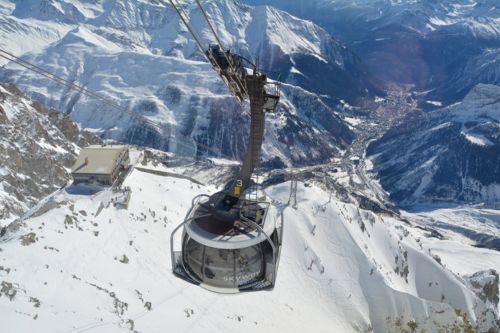
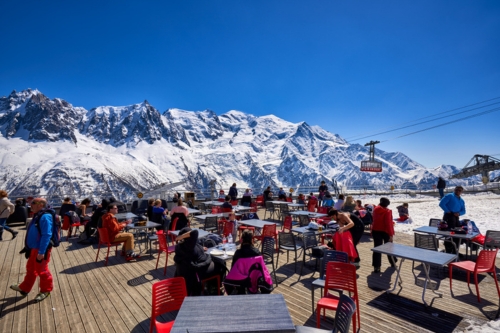
Set at the base of the magnificent Mont Blanc in Aosta Valley, Courmayeur is one of the best family ski destinations in Europe with cross-country skiing and family-friendly holiday homes. Its welcoming atmosphere combined with off-piste trails, kid-friendly slopes and all-level ski runs make it a dynamic destination for families as well as lovers of the sport. Take in the scenic views from the Skyway Monte Bianco from Courmayeur to Punta Helbronner  In all, 21 ski lifts cover a dazzling 140 km ski area in and around Courmayeur. Out of these, four lifts are directly from the valley: the Courmayeur Cableway located in the west; the Dolonne gondola from Dolonne village; the Val Veny cable car close to the village of Entreves; and the Monte Bianco Skyway (also at Entreves) with access to separate off-piste skiing area below the famous Ponte Helbronner.  The ski lifts in Courmayeur are open from early December until mid-April, offering one of the longest ski periods in Europe. The Italian ski resort also offers many family-friendly attractions like the Skyway cable, which leads to the highest point in Italy and a fun-filled winter park, with cinema and off-piste sports.  Visit Courmayeur in early spring ski season and enjoy a ride on the Skyway cable A large chunk of how satisfying your vacation depends on the choice of accommodation. Ski vacations for families need some planning to find accommodations that would suit the needs of both the adults as well as the little ones. Below, we have rounded up some of the best stays in Courmayeur, along with family activities, attractions and more. Top Tips for Families on Ski Vacation in Courmayeur Enjoy a ski session with your kids or enroll them for their one in Courmayeur’s ski schools Several contemporary ski schools in Courmayeur cater to children and beginners, where your little ones can have a great time while learning–and even adults of all skill levels can learn ski techniques without having to stress about it. These ski schools usually admit kids aged 3 and up. Can kids ski in Courmayeur? Yes! Apart from having fun in ski schools, young skiers can test their skills on beginner runs in Plan Checrouit, Pila and Cervinia with nursery slopes and the gentle blue and red runs.  Editor’s tip: When deciding on accommodation, opt for lodgings near ski schools. Where to find the best snow in Courmayeur during and after the peak ski season The Cervinia ski resort, perfect for skiing with kids  The north-facing Val Veny side of Courmayeur's ski area offers the best snow conditions later in the season–when slush starts to become more of an issue on the southeast-facing Plan Checrouit side of the mountain. Meanwhile, the two wide easy runs served by the High Bertolini Ski Lift often have the best snow on the mountain, regardless of season! Our top favourite places to visit with younger kids in Courmayeur Courmayeur is a family-friendly paradise with many fun-filled places to visit with your kids  Winter Fun Parks - With a range of activities for children of all ages, including sledding, snow tubing, ice skating, fat biking and an inflatable bouncy castle, the Winter Fun Park is an ultimate family pleaser. There is also a cinema for enjoying in a relaxing atmosphere. The Skyway cable car – Leading to the highest point in Italy, the Skyway cable car is more than just a fun ride up the mountain. There is wine, food, and Italian culture to be enjoyed while staying closest to the Mont Blanc range in France. Be sure to check out the Morgex district, which offers a range of family-friendly activities and attractions. Lo Tatà di Courma – An outdoor kids' play area, Lo Tatà is open both in summer and winter. The area also offers a range of services for families, such as childcare, snack and lunch service, and a dedicated area for babies. Why Families Prefer Rental Homes in Courmayeur: Luxury of Space, Privacy and under budget Staying in vacation rentals provides many benefits that simply cannot be matched by hotels.  Family accommodations have larger spaces as well as more privacy and flexibility, allowing you to enjoy the luxurious while soaking up the comfort of home. Plus, holiday homes are also a great choice when travelling with small children or simply for a family that prefers to stick to a budget.  Enjoy the beauty of nature and the cosiness of alpine architecture at Plan Gorret  Ski vacations with kids can be demanding and tiring, so a comfortable place for all to unwind is more than essential. Holiday homes with multi-bedroom space for families of all sizes provide space for everyone while beautifully furnished kitchens allowing meal preparation at one's convenience, provide kids the satisfaction of home-cooked meals. Meanwhile, additional amenities like TV, board games, and Wi-Fi provide great sources of entertainment during the little time spent indoors. These apartments are positioned close to the ski area, with some high-rated ski schools for kids.  Courmayeur for non-Skiers: Apres ski and Thermal Baths for relaxation Courmayeur is a good choice for non-skiers. Not only is the village a delightful place for walking, shopping and dining with its array of bars, shops and restaurants, but many of the mountain restaurants are also accessible to pedestrians via the Plan Chécrouit cable car.  Soak in healing waters after a day on the snow Courmayeur also has an excellent sports centre, with the famous thermal baths at Pré-Saint-Didier just 6 km down the valley. Mountain restaurants in Courmayeur Lunch-time gourmets are spoiled for choice in Courmayeur, which has some of the best mountain restaurants in the Alps. Most famous of all is the Maison Vieille which offers traditional Italian cuisine, along with vegetarian options, in a rustic setting.  While on the Skyway Monte Bianco enjoy a bite at the Kartell Bistrot Panoramic Another highly recommended mountain restaurant is Chiecco just above Plan Chécrouit, a deceptively simple hut with outstanding food and service. However, if you are looking to find a place which is simply stunning with a great menu and location, then Kartell Bistrot Panoramic (the Skyway Cafe) on Skyway Monte Bianco has coffees, desserts, full meals and wines! On the Val Veny side of the mountain, La Grolla and the Petit Mont Blanc are also excellent, but there are other fabulous options almost everywhere you look.  Travel Tips for Courmayeur  How to reach Courmayeur? Getting to Courmayeur is easy, with several nearby airports to choose from including: Geneva (106 km) Turin (150 km) Milan Malpensa (212 km) Milan Linate (235 km) The resort is also well-connected by bus services, making it easy to get around once you arrive. The closest train stations include- Geneva (CH) /Bellegarde (FRA) / Torino (ITA). Book Your Family Stay with Us With family ski packages, great ski schools for kids, and a welcoming feel for families looking for an adventure, Courmayeur is an excellent destination.  If you are looking for family accommodation, these are some of the best places to stay in Courmayeur. Be it a quaint chalet or a spacious multi-bedroom villa, these accommodations are perfect for enjoying a ski vacation with your loved ones at Mont Blanc, Courmayeur. 

Lecce Travel Guide for First-Time Travellers

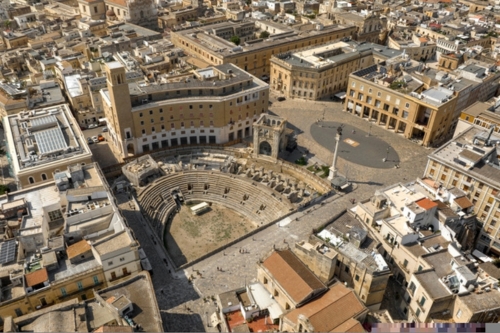
Down in the heel of Italy, Lecce is less popular than Rome, Venice or Florence...which is exactly why it offers a much nicer and more authentic Italian experience!  With origins dating to the 5th Century BC, this delightful little city in the heart of Salento is full of hidden treasures, earning the title of “Florence of the South”. Lecce’s historical importance is witnessed by the impressive Roman amphitheater and other archaeological remnants located in the city center. It is also home to the perfect example of “Lecce Baroque”, a unique style of Baroque architecture that you can admire only in this Southern Italian city! Aerial view of Piazza Sant'Oronzo, Palazzo del Seggio and the Roman amphitheatre  But it's not just history that draws travellers to Lecce. The city’s vibrant cultural life, cute little shops, winding streets and delicious local food and wine, are also some of the best in Italy!  Less hectic and more walkable than some of Italy’s better-known destinations, one of the biggest advantages of travelling in Lecce is that you can explore it at your own pace, savoring every moment. From walking tours to discovering the best places to eat and stay as well as suitable day trips, this Lecce travel guide will ensure you get the most out of your stay in and around this gem of a city.  Lecce Walking Tours: A stroll back in time through 1000’s of years of history As Lecce is a relatively small city, it is easy to get around and uncover its treasures. One of the plus points for exploring Lecce is that most of the important sites are in the Centro Storico, which is easily covered on foot. There are many guided walking tours in Lecce, depending on your interests. You can combine history with discovering street food, or focus on the city’s architecture or you can just enjoy its magic on your own.  Roman Amphitheatre  Ruins of the Roman amphitheater in Lecce Located in Piazza Sant’Oronzo, the amphitheater used to hold 15,000 people and is in remarkably good condition, although only a portion of it has been excavated. Many famous music and theatre events are still staged here in the summer months. Piazza del Duomo The stunning Piazza del Duomo in Lecce during sunset Just 3 minutes’ walk from the theater is the Piazza del Duomo, considered to be one of the most beautiful squares in Italy, with impressive palaces and churches built in Pietra Leccese, the soft, pale local stone. It is home to the famous Lecce Cathedral, the Cattedrale di Maria Santissima Assunta, which is a visual feast both inside and out. The original Romanesque church was renovated in the 17th Century. Editor’s tip: If you climb to the top of the cathedral’s 72 metres high bell tower you are rewarded with a stunning view over the city all the way to the Adriatic coast.  Basilica di Santa Croce The facade of the Basilica of Santa Croce Another magnificent Church that you simply must visit is the Basilica di Santa Croce which is an architectural masterpiece and took around 150 years to build. It is considered to be a perfect example of “Lecce Baroque” architecture. Uncover the secrets of history inside the Museums in Lecce Salento and Lecce have a fascinating history, going back many centuries, when it was a Greek colony. The peninsula has been ruled by the Romans, Saracens and Normans, so has a rich culture which you can discover in some of these museums. MUST – Museo Storico della Città di Lecce The MUST is a riveting combination of contemporary culture with some ancient artefacts. The museum’s collection includes 20th Century sculptures and paintings, as well as free exhibitions of current local artists’ work.  Museo Sigismondo Castromediano The Museo Sigismondo Castromediano tells the story of Lecce’s ancient Greek roots with exhibits from 8th to 5th Century BC.  Museo Faggiano Museo Faggiano is a hidden treasure which opened in 2008. Excavations, in what was once a private house, uncovered remains dating from the 5th century BC, through Roman times and the Middle Ages up to the Renaissance. It is all on view.  Bring a little bit of Salento Region back home: Shopping in Lecce for handicrafts, antiques and local specialities Lecce may not have the fancy designer shops of Rome or Florence, instead here you can discover other, more handmade treasures in crafts, ceramics and antiques. Puglia’s papier-mâché handicrafts and antiques Sandro Riso, craftsman who continues the centuries-old tradition of papier-mâché Puglia is famous for its papier-mâché handicrafts, known as “Cartapesta”. Claudio Riso is a master in this craft. His shop is in the heart of Lecce and one of the best places to find souvenirs. For lovers of antiques or vintage pieces, Lecce’s monthly flea market is a treasure trove. It takes place on the last Sunday of every month, on Via XX Settembre. Liberrima, Lecce’s Bakery Bookshop Traditional Italian snack from Puglia, Taralli Liberrima is not only a bookshop but so much more. There is a delicatessen attached and here you can find the best local olive oil and wines as well as local delicacies such as taralli  and frise (classic Puglian bread snacks), sweets and pasta. Liberrima also has a fantastic slow-food restaurant serving local dishes.  The area around Piazza Mazzini and Via Salvatore Trinchese, is home to many stores, including fashion and souvenirs, as well as a daily street market.   Delicious Pasticciotto leccese pastries filled with egg custard cream and sour cherry jam  Editor’s tip: Recharge at Pasticceria Natale, the perfect spot to try the famous pastry from Lecce,  pasticciotti Leccese, which must be accompanied by caffè leccese, iced coffee with almond milk. Then, hit the shops! Take home Puglia’s Specialities Don’t miss the Apulian olive-oil tasting Take home some of Puglia’s famous wine. The Apollonio winery is in the town of Monteroni di Lecce just 15 minutes out of Lecce. Here you can buy some of the finest local wines, and best of all, you can try them before you buy! The area is well-known for its Primitivo red wine, which is fruity and rich. A lighter option would be the Salice Salentino Bianco, a dry white wine which goes well with fish.  Lovers of olive oil can enjoy a similar experience at the Agro Farm which is just 4km from Lecce. In addition to olive oil tasting, you can visit the olive groves and discover the process of milling the olives to create delicious organic olive oil. A tasty plate of Orecchiette con le cime di rapa Where to eat in Lecce, and what is the most famous dish in Puglia  No trip to Italy is complete without trying the local food and the food in Lecce is some of the best in the country.  Puglia cuisine is known as “Cucina Povera” meaning “Poor cuisine” which really does not do it justice! It is tasty home cooking using the best seasonal local ingredients. Vegetarians will love the wide range of choices. There are many excellent restaurants in the city. But if you are looking for authentic Salento dishes, Alle Due Corti is a must.  Try Ciceri e tria (fried tagliatelle with chickpeas) or Orecchiette con cime di rapa (pasta with turnip leaves and anchovies), two of the most famous dishes in Puglia. If you are inspired to try this yourself, they also run cooking classes where you can learn some of their recipes. For the best fish and seafood try L’Arte dei Sapori which serves a wide variety from the catch of the day.  Editor’s tip: For snacks, delicious Pugliese pastries or a glass of Salentino wine head to Caffè Alvino in Piazza Sant’Oronzo which caters for locals and visitors alike. La Dolce Vita Lecce-style: The Nightlife in Lecce Walking down Lecce old town by night in summer  Lecce might seem like a sleepy place, especially on a summer afternoon, but the city comes alive at night.  For nightlife in Lecce there are plenty of excellent bars around the town. The stretch between Piazzetta Santa Chiara and Piazzetta Sigismondo Castromediano is particularly vibrant, with bars and street food vendors. Or try the Enoteca Mamma Elvira which has 250 wines on offer. For serious cocktails try Laurus or Prohibition which also has live music. Where to stay in Lecce? Relax in the lovely Anna Apartment near the centre of Lecce If you want to experience life like a local in Lecce, then an apartment in the Centro Storico is ideal.Terra Mia in the heart of the old town sleeps up to 4 people. Or relax in Anna Apartment, an apartment for 5, which is just 15 minutes’ walk from the cathedral.   For larger groups there are some wonderful luxurious villas in Salento such as Trullo Meraviglia which can sleep 10 people and has a gorgeous garden and private pool or Lisaria Villa Delle Meraviglie which has its own pool.  Travel Tips for Salento and Lecce  How long should you stay in Lecce? If you want a fun city break, then 2 or 3 days is perfect. This will allow you to discover Lecce and get to know some of its great restaurants and bars. If you are visiting all of Salento, then 1 or 2 days in Lecce is enough. However, make sure you spend at least one night there to enjoy its vibrant nightlife. Alternatively, base yourself in Lecce and use the city as a starting point for visiting other parts of Salento, in which case you may want to stay up to a week here. Explore the glorious Salento peninsula: Day trips from Lecce The rocky harbour beach at Santa Maria Al Bagno, Apulia Lecce is a good base to stay if you want to explore Italy’s heel. There is certainly a lot to see. With the Adriatic coast to the east and the Ionian Sea to the west you are really spoiled for choice. San Cataldo is just 20 minutes away and has 2 wide sandy beaches. These can get busy in August, but out of season the crowds thin out.  On the Ionian coast the beaches north of Gallipoli such as Lido Conchiglie and Santa Maria al Bagno are well-known as some of the most beautiful beaches in Italy.  The beautiful and historic beach town of Gallipoli is only a 30-minute drive and is steeped in history. If you want to spend more time in this beautiful town then Casa Gallipolina can sleep up to 7 people and is less than a 5-minute walk from the sea. When is the best time to visit Lecce? Winter (January - March) can be cold and many places are closed, so it is generally better to come in April when the weather starts warming up. Things heat up quite quickly and by late May and June it can be in the high 30’s.  The heat in July and August can be intense and in the first two weeks of August, around the Italian holiday of Ferragosto, the whole country seems to be on holiday, so Lecce gets very busy. September and October are quieter, more like May and June but with the advantage of a warmer sea. November is not a good time to come as it normally rains but December is charming, with good weather and festive with Christmas lights and celebrations. Festivals and Fun Salento-style On the occasion of the feast of the patron saint, Sant'Oronzo, splendid luminous decorations are installed in the historic center Given the Pugliese people’s love of food and wine it will come as no surprise that most of the festivals focus on those, with music and dancing, obviously! Lecce’s main festival marks its saint’s day – the Feast of Sant’Oronzo (24th – 26th August). The streets of the city are crowded with people enjoying the street food, music and fireworks. The town also organises Cortili Aperti (Open courtyards) usually at the end of May. For 1 day some of the city’s most beautiful private houses, buildings, courtyards and gardens are open to the public. Jazz lovers will not want to miss the Locomotive Jazz Festival that takes place across the region for two weeks in late July and early August. La Notte della Taranta is the largest festival in Salento. Spread over several towns and several evenings in late August, culminating in one final concert in Melipignano, it celebrates the music traditions of Salento. Throughout the summer visitors will always find interesting performances at Gallipoli’s Parco Gondar, one of Italy’s largest outdoor music venues.  How do I get to Lecce? Salento International Airport in Brindisi is just 30 minutes from Lecce. And Bari Airport, with more frequent flights, is also a good option. It is best to hire a car there or take a taxi. If you are arriving by train, then Lecce (Città) station is connected to other major Italian cities. Lastly, people often want to know “what is special about Lecce?”   Lecce is one of the most charming cities in Italy and an absolute must-visit if you are looking for beautiful architecture; fascinating history; delicious food and wine and glorious beaches. Its mild climate makes it an attractive option for most of the year. A lot more than a city break, the whole of the Salento peninsula is on your doorstep. A little piece of heaven on earth! Is Lecce worth visiting? Book these amazing holiday homes and discover yourself!

Discover the Magic of Sardinia: From Ancient Carnivals to Catalan Traditions

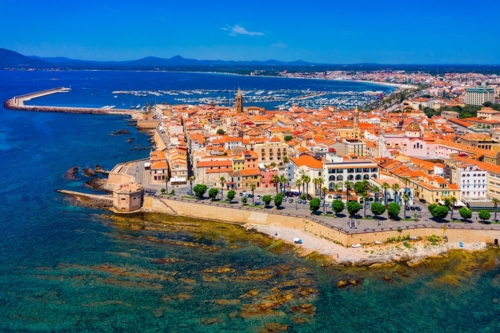
Sardinia is one of Italy’s most interesting and culturally vibrant regions: The second-largest island in the Mediterranean and a truly spectacular treasure trove of rich heritage and fascinating traditions. Yet it remains surprisingly undiscovered in comparison to Italy’s other, more famous destinations. While Sardinia might be best known for its stunning beaches and dramatic rocky landscapes, its vibrant festivals and unique traditions bring a mysterious fascination to the island, making it a culturally exciting destination as well. From ancient equestrian tournaments and autumn festivals to religious parades and village feasts, the island is alive with amazing events and happenings. So whether you are planning a cruise stop in the port of Cagliari or simply curious about the unique culture that awaits you on this delightful island, our Sardinia travel guide will provide an intriguing journey through the festivals and cultural heritage of Sardinia and the distinct Catalan influences in the picturesque town of Alghero. So pack your bags and join us as we uncover the magic of Sardinia's carnivals and the enduring Catalan legacy in Alghero. The pretty coastal town Alghero surrounded by the turquoise seaWhy is Sardinia So Famous?Sardinia’s fame and renown come mostly from its stunning coastlines and dramatic landscapes, like Costa Smeralda, one of the world’s most beautiful stretches of coastline and the favorite vacation destination of Prince Karim Aga Khan I. It is surrounded by rocky coves, hidden bays, and crystal-clear waters, as well as some truly stunning, pristine beaches.The stunning Spiaggia del Principe, Prince Karim Aga Khan I’s favourite beachBut Sardinia is more than just natural beauty - its culture and heritage are a huge part of what makes it such an exciting place to visit. From ancient ruins of the Nuragic civilization to cultural traditions going back millennia, Sardinia tourism thrives due to the unique customs of the people who live here. Sardinia's Carnivals: A Vibrant Celebration of TraditionFestivals and RitualsEvents like the Sa Sartiglia and the various parades are hugely significant elements of Sardinian culture and often reflect the fascinating spiritual and religious roots of the island. The blend of ancient, indigenous traditions and more modern Christian celebrations is unique to Sardinia, and it is fascinating to see how the rituals of the past inform the way of life of today. Sa Sartiglia in Oristano: A Celebration of Medieval Equestrian TalentSa Sartiglia: traditional carnival of OristanoThe lively streets of Oristano play host to one of Sardinia’s most famous carnivals, the Sa Sartiglia. This remarkable spectacle of equestrian talent has been held in the town for centuries, since the Spanish ruled Sardinia, and is a breathtaking sight. Horse riders, dressed in traditional medieval costumes, compete in daring feats of bravery and jousting. It is also one of the highlights of the Sardinian summer. Mamoiada's Mamuthones and Issohadores: Ancient Rituals for a Bountiful HarvestKids Issohadores from mamoiada's CarnivalThe Mamuthones and Issohadores parade is one of Sardinia’s most ancient traditions. Held in the town of Mamoiada, it consists of two groups dancing; the Mamuthones dressed in black, and the Issohadores dressed in red and white. Step into history as the rhythmic cowbells and ritual dances designed to ward off evil spirits and ensure a good harvest take over the streets. Tempio Pausania Carrasciali: A Unique Blend of Pagan Mysticism and Christian FaithCombining ancient pagan and Christian traditions, the Carrasciali in Tempio Pausania is a riot of color, sound, and festivity. This carnival parade is known for its bright floats, intricate masks, and vibrant parades, and is a delightful expression of Sardinia’s creativity and independent spirit. What Are the Traditions in Sardinia other than its carnivals?Delicious Sardinia Cuisine that prides itself on being different from the rest of ItalyDon’t forget about the dessert, have the delicious seadasFood is an incredibly important aspect of Sardinian tradition, and the locals take great pride in setting themselves apart from traditional Italian cooking. Dishes like porceddu (roast suckling pig), pane carasau (crispy flatbread), and seadas (cheese-filled pastries) are unique to the island and a testament to its independent nature. There are some exceptional restaurants in the town where you can try these delicacies. Trattoria al Refettorio offers a touch of (admittedly pricey) elegance, while Nautilus is perfect for romance and a special occasion. If you are looking for somewhere a little more casual, Prosciutteria Sant Miquel in the historic center, is perfect for a quick bite. Take home a piece of the intricate Sardinian Craftsmanship There are plenty of artisan crafts traditional to Sardinia, from weaving and pottery to jewellery making. The island is particularly well-known for its intricate filigree jewellery and its hand-crafted tapestries. Via Carlo Alberto, Via Gilbert Ferret and Via Roma in Alghero are the best places to start if you are looking to buy locally-made jewelry, pottery, or crafts, while further down the Costa Smeralda, Porto Rotondo has a weekly street market, as well as a great selection of more fashionable boutiques. Alghero: A Catalan LegacyAlghero is one of Sardinia’s most beautiful and interesting towns. It is a charming and intriguing blend of Italian charm and Catalan culture, making it a unique destination for visitors. The blend of natural beauty, Catalan history, and picturesque Mediterranean architecture ensures it stands out as one of the best places in Sardinia to explore. Medieval picturesque street, typical Sardinian, with small traditional souvenir shopsWhy Do People in Alghero Speak Catalan?Nestled on the northwest coast of Sardinia, Alghero is an unusual town thanks to its distinct Catalonian heritage. Unlike the rest of Sardinia, the most common language here is Catalan, a legacy of its history as a colony of the Kingdom of Aragon. In 1354, the town was captured by the Aragonese monarchy, and settled by people from Catalonia. Over time, this Catalan identity became a fundamental part of the town’s heritage and traditions and is the reason for the unique dialect spoken here. What Are Some Fun Facts About Alghero?Exploring Alghero’s Catalan traditions takes you on a fascinating journey of historical and linguistic discovery. Gothic Architecture of Alghero: The town boasts impressive Catalan Gothic architecture, including the Cathedral of Santa Maria and the Church of San Francesco. Red Coral or the Red Gold of Alghero: The town is also famous for its red coral, which has been a feature of the local economy for hundreds of years. Local artisans harvest the coral and use it to make intricate, beautiful jewelry, which is showcased in the Coral Museum, located inside the stunning Villa Constantino, where you can see extraordinary examples of this craft as well as learn about the history and legends of Alghero’s ‘red gold’.Must-buy souvenir: Alghero’s red coralThe mixed culture of Alghero: Algeherese culture is also a unique blend of Sardinian, Italian, and Catalonian, with local festivals such as the Festes de Sant Miquel incorporating traditional Catalan performances and costumes.  The cuisine is heavily influenced by that of northeast Spain, evidenced most obviously by paella algherese, a local version of the famous Spanish dish. Sardinia Travel Guide: Practical TipsIf you are thinking about visiting Sardinia, here are a few practical tips to keep in mind when planning your trip.Best Time to Visit SardiniaSardinia has a mild climate year-round, but the best time to visit is from late spring to early autumn. This is when the most interesting and exciting festivals and events happen and coincides with perfect summer weather. Getting AroundTrains and buses can be a bit unreliable in Sardinia and don’t always go where and when you want to. Renting a car is the best and most convenient way to explore, particularly if you want to explore smaller towns and more remote areas. LanguageItalian is the official language and you’ll be able to get by everywhere if you have a few words and phrases. However, if you really want to impress, learning a little Sardinian or Algherese Catalan can vastly improve your travel experience. With its rich blend of stunning natural beauty and fascinating cultural heritage, Sardinia is a vacation destination that delivers in spades. From the fusion of Sardinian and Catalan traditions in Alghero to the amazing festivals across the island, a trip to Sardinia promises an unforgettable journey and an experience that will stay with you forever. Whether you're planning a visit or simply curious about these captivating traditions, our blog will guide you through the vibrant festivals and rich cultural heritage of Sardinia and Alghero. Inspired to discover the magic of Sardinia's carnivals and the unique Catalan legacy in Alghero for yourself. Take a look at our incredible range of holiday rentals and reserve your stay with us today!Written by Frankie Girl

10 Most beautiful sardinia beaches with amazing water sports and marine adventures

With some of the cleanest, most mesmerising beaches in the world, Sardinia has become known as the Maldives of Italy. From secluded coves to expansive sandy shorelines, this Mediterranean paradise enjoys more than 200 beaches; many of which offer a wide range of thrilling watersports.  Porto Pollo is a favourite spot for surfers whilst Tavolara Island offers wonderful opportunities to dive and snorkel.  And if you love being out on the water away from the crowds, then a guided boat tour or chartered sailing trip is perfect to explore the island’s dreamy coastline.  We’ve also rounded up the prettiest places to kayak or paddleboard and found the best Sardinia jet skiing locations for adrenaline junkies.  Whether you are looking for relaxation on pristine white sands or an exhilarating experience in the water, these 10 beach destinations with the most exciting Sardinia water sports promise to make your trip memorable.   Sardinia beach destinations to fall in love with  PORTO POLLO: the Sardinia windsurfing and kitesurfing capital The stunning Porto Pollo coastline Sardinia offers some of the best conditions for wind and kitesurfing in the Mediterranean and Porto Pollo on the north coast is a favourite among surfers.  This destination features two large bays and enjoys reliable Mistral winds creating excellent conditions for both beginner and advanced riders. You’ll find a vibrant windsurfing and kitesurfing community here as well as numerous schools and rental shops.  There are also amazing restaurants, bars, and shops and, Porto Pollos’ laid-back, friendly atmosphere makes it a favourite among families and water sports aficionados.  The bay is also suitable for other water sports, such as sailing, paddleboarding, and snorkeling, with a wide selection of apartments close to Porto Pozzo’s beach, just a 10-minute drive from Porto Pollo. PORTO CERVO, COSTA SMERALDA (THE EMERALD COAST): Fairytale beaches with a wide selection of water sports The turquoise waters in the fancy Porto Cervo In northeast Sardinia, the renowned hotspot of celebs, Emerald Coast consists of miles of picture-perfect bays and white sandy shores. It stretches from the town of Olbia to the chic beaches of Porto Cervo like Canniggione. Porto Cervo is also one of the most prestigious and well-known sailing hubs in the Mediterranean, with a luxury marina, boat tours and rentals and access to Tavolara Island, Spiaggia del Principe, one of the Emerald Coast’s most popular beaches, and the beautiful La Maddalena Archipelago. You will find opportunities to take guided boat excursions all over the island. It's advisable to book tours in advance to secure a spot, especially during the peak summer season. TAVOLARA ISLAND, COSTA SMERALDA: For ultimate immersion in sea life  The unique Tavolara Island coastline with its turquoise waters If you love scuba diving and snorkeling, the Costa Smeralda is one of the Mediterranean's best locations. Its waters are incredibly clear with up to 30 mts visibility (100 ft). You can look out for octopuses, sea urchins and starfish, as well as dolphins, sea turtles and underwater caves. Some of the most popular spots for Sardinia snorkeling and scuba diving are around Tavolara Island. This area caters for all skill levels with a range of local schools offering tuition and excursions with full equipment provided. Porto San Paolo is a great base from which to explore the marine-protected waters around Tavolara Island with plenty of options for accommodation within walking distance of the local beach. You’ll also find options for Sardinia kayaking, paddleboarding and jet skiing here. A boat excursion from Porto San Paolo is another idyllic way to enjoy the local marine life. These trips stop to allow exploration of Tavolara Island and Molara's natural swimming pools. LISCIA RUJA, COSTA SMERALDA: From calm water adventures like snorkelling to heart-racing jet-skiing Discover the adventures of one of the longest beaches in Costa Smeralda, Liscia Ruja The must-visit beach of Liscia Ruja is one of the longest on the Costa Smeralda and features an expansive stretch of fine, white sand that extends for several miles. This beach is equipped with beach bars and provides sunbeds/umbrellas for rent, along with the perfect opportunities for snorkelling, kayaking, paddle boarding, jet skiing and sailing.  Editor’s tip: Spiaggia del Principe and the beautiful Capriccioli headland are other gorgeous beaches, which are also great for swimming and snorkelling. LA CINTA BEACH, SAN TEODORO: A surfer’s haven further down the northeast coast Enjoy surfing in Sardinia’s turquoise waters La Cinta Beach near San Teodoro is located just south of Costa Smeralda and provides excellent conditions for all kinds of surfing. The beach enjoys thermal winds in the summer, a long, sandy beach, crystal clear waters and multiple schools/equipment rental options. This practical villa for 6 is just a 5-minute drive from La Cinta and a 20-minute drive from Porto San Paolo. Editor’s tip: Remember that sunscreen, water and snacks are essential for a day on the water. It is worth joining a guided tour which will provide a safe and informative experience, whilst you get to know the area. CALA COTICCIO AND SPIAGGIA DEL RELITTO, LA MADDALENA ARCHIPELAGO: Sailing, paddleboarding & kayaking at UNESCO site One of the most Instagram-worthy places in Sardinia, Budelli’s Pink Beach The Maddalena Archipelago consists of over 60 islands and islets with some of the most beautiful beaches and clearest waters in the Mediterranean. If you’re keen to escape the Sardinian mainland and explore the archipelago, a paddleboard or kayak is the perfect choice; with equipment rental companies available in all the popular locations.  Caprera Island has the archipelago’s dreamiest destinations: Cala Coticcio, (Tahiti Beach), and Spiaggia del Relitto, named after a shipwreck visible off the shore. Both are only accessible by hiking trails or on the water and provide ideal spots for snorkeling and diving. While you are there, explore the stunning Budelli Island’s Spiaggia Rosa (Pink Beach), too.  The town of Palau is the perfect gateway to Maddalena Archipelago with various boat tours leaving from its harbour and provides an ideal base with various options for accommodation. LA PELOSA BEACH, STINTINO: Pristine white sands, swimming and snorkelling  The relaxing La Pelosa beach, with its soft sand and clear waters Located near the small town of Stintino, in the northwest of Sardinia, La Pelosa Beach is renowned for its variety of marine life, incredibly fine white sand and shallow turquoise waters. This gorgeous spot is perfect for sunbathing, swimming and snorkeling.  If you are dreaming of a storybook beach paradise, this enchanting destination is a must with lovely stays near the beach. Due to its pristine condition, strict environmental protection measures have been put in place to safeguard La Pelosa Beach including mandatory beach mats.  Another place of interest in this area is Nereo Cave near Alghero (a 1-hour drive). Ideal for advanced divers, this is considered the largest underwater cave in the Mediterranean. Book your place: La Pelosa Beach only welcomes a maximum of 1,500 visitors per day. You can reserve your spot by paying an entrance ticket of €3.50/person, with a limit of 4 people/reservation.  CALA GOLORITZÉ, GULF OF OROSEI: Hike or boat to this glorious world heritage beach with swimming & snorkelling  The stunning Cala Goloritzé white beach, don’t forget to reserve your place Cala Goloritzé is a must-visit within the Gulf of Orosei on the east coast. The beach is part of a protected UNESCO world heritage natural reserve and is only accessible by boat, jet ski or a 3.5 km long hiking trail that starts from Supramonte di Baunei. If you arrive by boat, you must anchor offshore. A popular spot for sunbathing, swimming and snorkeling, the beach offers breathtaking scenery, white sand, pebbles and beautifully clear, turquoise waters.  Book your place: Cala Goloritzé has a limited capacity of 250 people/day, you can reserve a place for €7.00 per person (children are free). Entry is permitted from 7:30am to 3pm. CALA GANONE, OROSEI: Boat excursions, jet-skiing and diving Cliffs and turquoise waters near Grotta del Bue Marino  The town of Orosei, an 80-minute drive from Baunei (the start of the hiking trail) and a 30-minute drive from Cala Gonone is a flexible base to explore the rest of the Gulf with various options for accommodation. In Cala Gonone you will find boat excursions to Cala Goloritize and the Grotta del Bue Marino, an underwater cave that offers guided tours for divers. Jet skiers will also be able to access other hidden beaches and secluded coves including Cala Luna and Cala Mariolu, accessible only by water. CHIA BEACH, CAGLIARI: Clear shallow waters, pink flamingos, snorkelling, windsurfing & kayak adventures  Admire the lovely pink flamingos on the lagoon  Chia is one of Sardinia’s prettiest beaches on the south coast and is known for its long stretch of white sand, high dunes and lagoons with pink flamingoes. Also known as Su Giudeu, Chia Beach is ideal for families keen to avoid the crowds. The beach is popular with surfers and windsurfing enthusiasts and its rocky areas are great for snorkelling and diving.   Chia’s clear waters and wide-open spaces also provide the ideal location for jet skiing. There are various rental services and water sports centers in the area that also provide tutoring and guidance. Chia Beach is fully equipped with amenities such as sunbed, umbrella, windsurfing and kayak rentals, kiosks and bars offering refreshments and light meals and this villa for 5  in Pula is just a 20-minute drive away! Whether it is paddling across azure waters, sunbathing on soft sands or escaping into the clear depths of the Mediterranean, Sardinia is an incredible Italian destination! FREQUENTLY ASKED QUESTIONS ABOUT SARDINIA Which part of Sardinia has the best beaches? While every part of Sardinia offers beautiful beaches, the northeast (Costa Smeralda and La Maddalena Archipelago), the east coast (Gulf of Orosei), and the south coast are particularly renowned for their exceptional beach experiences. Is Sardinia very expensive? Sardinia can be expensive, particularly in certain areas and during the high season, but there are cost effective accommodation where you can explore the surrounding area on foot.  Does Sardinia have the best beaches in Europe? Sardinia undoubtably has some of the best beaches in Europe, if not the world! What is the cleanest beach in Sardinia? La Pelosa Beach with its strict environmental protection measures is often highlighted as one of the cleanest and most beautiful beaches on the island.                                                                             Which part of Sardinia is most beautiful? There are so many incredible parts of Sardinia it is impossible to say which is the most beautiful, but the renowned Emerald Coast in Northeastern Sardinia never fails to deliver. You can find out more about the beaches and coastal towns in this part of Sardinia in our dedicated travel guide and properties to suit every budget and group size.  Which beach is best for water sports in Sardinia? Sardinia offers an incredible range of beaches that are suitable for water sports, from windsurfing and kitesurfing to snorkeling and diving. Porto Pollo is particularly renowned for its wind and kite surfing, while Cala Gonone and Porto Giunco are excellent for underwater activities.

Portofino Travel Guide: the Perfect Italian Summer Experience

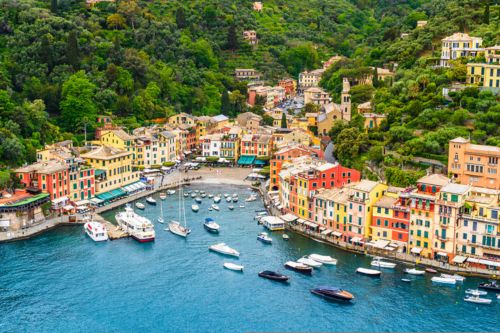
Hidden by mountains and surrounded by the turquoise waters of the Mediterranean, Portofino presents a natural Italian beauty like no other. The little Italian village has become so popular and loved worldwide that it is not uncommon to see celebrities like Jennifer Lopez and Micheal Douglas walking down its charming, cobbled streets and just enjoying the perfect Italian summer. Though small in size, there is plenty to do and experience in a day or even a weekend in Portofino. From its stunning harbour lined with million-euro yachts to hilltop castles with panoramic views and medieval seafront abbeys, this is the only Portofino itinerary you will ever need to create the most memorable holiday in Italy! The stunning Portofino port surrounded by colourful buildings Start the day by strolling around La Piazzetta  The heart of the village, the place where everything happens, La Piazzetta is the main square of Portofino. You can find some of the best dining experiences here for a taste of true Ligurian cuisine: From elegant waterfront dining at the famous La Terrazza to family-run trattorias like Trattoria Tripoli with in-house wines.  The village also has exclusive Michelin-star restaurants like the seafront DaV Mare if you are willing to pay a bit more than usual for top-class gourmet meals. However, for a more budget-friendly and immersive experience, try one of the cooking classes in Portofino where they will teach how to make an authentic Focaccia alla Genovese or Trofie al Pesto, a typical pasta from the area. La Piazzetta is also a convenient spot for browsing the high-end local boutiques and international brands like Louis Vuitton and Ferragamo! Editor’s tip: Take a quick tour of the 11-C Chiesa di San Martino in La Piazzetta before exploring other parts of Portofino. The entry is free, and the nave of the church is absolutely gorgeous. The frescoed nave of the 11th Century Church of Saint Martin (Divo Martino) in Portofino, ItalyClose to La Piazzetta are also the best things to see in Portofino! Just a 5-minute walk away is Museo del Parco with Italian-style gardens and some fine examples of the Genovese architecture. If you move a bit further in the direction of the Portofino Marina, it's the imposing Castello Brown you’ll be greeted with. A short hike up the hill and you will reach this well-preserved fortification that has stood in Portofino since the Roman times. Castello Brown also has one of the most expansive views of Portofino that spans the hilltop, the village and azure bay! A lovely aerial view in a sunny summer day in Portofino from Castello Brown Another place to soak up unreal views is the Lighthouse of Portofino. Perched at the cliff end of the promontory, the views here are truly breathtaking. And since you need to hike to get to the lighthouse, the small bar there serving drinks completes an overall rewarding experience! The lighthouse of Portofino at the cliff end of the promontory Cool down at the Baia Cannone There are actually two places where the clear waters of the sea tempt you to take a dip and enjoy the Mediterranean. The first is Baia Cannone, which is less than a 10-minute walk from La Piazzetta. It is the perfect spot to get away from the main square buzz for a bit and just enjoy nature. The turquoise waters of Baia Cannone in Portofino Editor’s tip: This is the perfect place to decide: Where to stay in Portofino? If you wish to stay close to Baia Cannone, then this sea-view apartment might be ideal but if you want to stay smack dab in the middle of the village, then this Piazzetta Martiri stay is better. The charming San Fruttuoso Bay with the Abbey and the beach Anyway, the other spot to enjoy swimming waters is at the Abbey de San Fruttuoso, one of the main highlights of Portofino. The abbey presents a picture-postcard kind of beauty, but it can be reached only on foot or by boat.  Two routes lead to the Abbey. Find the best hiking route for you here. There is also a little surprise here that many don’t skip while visiting Portofino...  The underwater statue of Christ of the Abyss in the Bay of San Fruttuoso. Originally placed in the medieval abbey itself, the bronze statue is now immersed in the clear waters and can be admired through snorkelling, diving, kayaking or a glass-floor boat tour. Gift yourself an amazing experience to admire the underwater statue of Christ of the Abyss Is it possible to have a budget-friendly holiday in Portofino? Since the holiday destination caters to a jet-setting crowd, it has become one of the most expensive holiday hot spots. Staying in budget-friendly accommodations in close by destinations is ideal if you do not want to shell out a lot of money.   Plus, considering its small size, driving around in high season with limited parking space could be very tricky. Portofino’s has easy access from alternative destinations like Santa Margherita di Ligure, Cinque Terre and Genoa, making it worth it for all travellers. Here is how you can get to Portofino from each of these destinations Santa Margherita to Portofino Home of the beautiful Villa Durazzo and the only sandy beach on the Italian Riviera, Baia Paraggi, Santa Margherita di Ligure is the closest option to stay in for visiting Portofino. From the village, it is just a 20-minute bus ride or an hour-long hike (if you love hiking, then do not miss out on the opportunity to savour one of the most beautiful routes around). Take bus 782, which runs every 20 minutes, and it will drop you off right in the centre of Portofino. A ferry service, which runs from March to October (starting from 6€), also goes from here; it is the perfect way to treat your eyes with one of the most gasp-worthy views of the Portofino harbour.  Stay in Santa Magherita Ligure. Genova to Portofino The capital of the Ligurian region, Genova, is a great alternative to enjoy the city vibes and easy access to Portofino.  From Genova, it is approximately a 45-minute drive to Portofino, or you can take public transport. The regular FS 12337 train goes to Santa Margherita and from there the usual 782 will take you to your destination. The old harbour (Porto Antico) is the ancient part of the port of Genoa. In 1982 was redeveloped as area for public access restoring the historical buildings Editor’s tip: Do not miss out on one of the largest aquariums in Europe in Genova, with manta rays, whale sharks, seals and more. Stay in Genova centre. FAQs How much time do you need in Portofino? Ideally a day. But it also depends on how much you want to explore. If you plan on taking cooking classes or hiking in the Portofino Nature Park, then 2-3 days or a weekend is perfect. Is Cinque Terre or Portofino better? There is no choice when it comes to either. Rather, Portofino is a good addition to your Cinque Terre itinerary, especially if you are hiking the five beautiful villages. Is Portofino worth visiting? Portofino is one of those destinations that you should visit at least once in a lifetime. It blends everything Italian in the most scrumptious manner. From iconic Italian luxury to ancient charm, clear waters and lush nature. So, what will you choose: A day trip or a weekend in Portofino? You will find accommodation for all price ranges in Liguria, from low-budget to high-end retreats! 

Costa Smeralda Tips: the best of this gorgeous destination

On the northeastern coast of Sardinia, just 20 minutes' drive from Olbia, the Costa Smeralda (Emerald Coast) is one of the world’s most beautiful and glamorous destinations.  Famous for its white sandy beaches and pristine crystal-clear waters, the area has been protected since 1961, when Prince Karim Aga Khan I fell in love with its unspoiled nature and arranged for a consortium to buy and sensitively develop 20 km of the coastline. Over many decades the area has attracted a wide variety of billionaires and celebrities and is now home to some of the best restaurants, beaches and bars in the Mediterranean, and even the world!  Moreover, away from the beaches, the region has several beautiful towns, packed with stylish shops and excellent restaurants. So, from one of the most beautiful beaches to the historic treasures of the island, below we have rounded up a beginner’s Costa Smeralda guide to exploring this incredible Italian destination! Explore Costa Smeralda’s charming towns Here’s what cannot be missed: Porto Cervo Porto Cervo Harbour is one of the most glamourous spots on the Costa Smeralda Porto Cervo is the unofficial “capital” of the Costa Smeralda, attracting the world’s Jet Set who frequent the town’s glamorous bars and boutiques. With a population of just 421, it's considered one of the world's most opulent destinations.  The Porto Cervo Marina accommodates 700 mega-yachts, attracting the rich and famous. Stroll through luxury boutiques or sip cocktails at upscale clubs. Don't miss the striking Stella Maris Church, resembling Gaudi's work, and enjoy panoramic views of the city: the architecture features decorative elements, rustic walls, and granite pathways, adding to the charm of Porto Cervo. The town is indeed a feast for the eyes, not only for its lovely Mediterranean architecture and vistas, but also for people watching.  Porto Rotondo  Porto Rotondo is further south, down the coast and gives Porto Cervo a run for its money in terms of glamour. Founded in 1969 by two Venetian brothers, the town’s design was inspired by The Republic of Venice and is home to the stunning Marinella Beach, Porto Rotondo Yacht Club and its extensive marina that welcomes super yachts and luxury launches. A breathtaking shot of the gorgeous Marinella Beach During the summer season, the town hosts “Porto Rotondo in Fiera”, a delightful street market which takes place every Wednesday morning. The also town has exclusive nightclubs and fashionable boutiques. In the summer, don't miss the opportunity to attend one of the shows held at Porto Rotondo's amphitheater. PortiscoThe sun-soaked marina of Portisco, an ideal destination for those who want to stay in a quiet place close to Costa Smeralda In between Porto Cervo and Porto Rotondo is the small village of Portisco. It is quieter than its neighbours but offers some excellent restaurants, bars, beautiful beaches and pocket-friendly accommodations. The town’s extensive marina attracts some of the world’s most expensive yachts, so a stroll along the dockside is a fascinating way to spend an hour or so.San Pantaleo The characteristic heart of the Galluran village, San Pantaleo San Pantaleo, nestled in the mountains about 14 kilometers south of Porto Cervo, is a quaint village steeped in history, dating back to 800 BC. Unlike other towns in the Costa Smeralda, which were developed for tourism in the 1960s, San Pantaleo retains its rustic charm and traditional Sardinian atmosphere. Thursdays are particularly delightful with a bustling morning market offering local foods, fruits, and artisanal products. Don't miss sampling the homemade cheese and local honey while enjoying street musicians and delightful aromas filling the air! Poltu Quatu The bright marina and waterfront of Poltu Quatu, perfect for a stroll with gelato Meaning "hidden harbor" in Sardinian, Poltu Quatu is about 30 kilometers north of Porto Rotondo and 2 kilometers from Porto Cervo, almost at the northernmost tip of the Emerald Coast. This secluded gem offers breathtaking views of the turquoise waters, giving it a truly enchanting atmosphere.  Despite its remote feel, Poltu Quatu is home to a large resort with a shopping center, bars, restaurants, a sailing school, and a diving center, catering to all needs. Whether you're into water activities like scuba diving and snorkeling or prefer whale and dolphin watching, Poltu Quatu has something for everyone. Visitors can also charter a boat or take sailing lessons to explore the stunning coastline further. Olbia Further south is the larger town of Olbia. Not strictly on the Costa Smeralda, Olbia is still a fun destination and a cheaper option for accommodation in Sardinia, with the airport minutes away from the town. For an authentic look into Sardinian life check out the street markets. The best of these is every Saturday morning in Via Sangallo. Here you can find the best local ingredients to cook at home, too. Editor’s tip: Located off the coast near Olbia, Tavolara Island is known for its rugged cliffs, crystal-clear waters, and diverse marine life, making it a popular destination for hiking, snorkelling, and diving. Palau  Another gem is the town of Palau, on the northern edge of the Costa Smeralda. Palau is a small port and beach resort, with stunning views across the bay to the Maddalena Archipelago.  This beautiful island is part of the Maddalena Archipelago and can be reached by ferry from Palau. Its white sandy beaches and crystal-clear waters are simply spectacular. A busy day on the archipelago shouldn’t stop you from heading to this beautiful haven A day trip to the Island of La Maddalena is a must and take your swimming kit because the island has some of the finest beaches in Sardinia. The smaller island of Caprera, with yet more gorgeous beaches (check out Cala Coticcio and Cala Napoletana), is linked to La Maddalena by a bridge. Caprera and Maddalena both make wonderful hiking destinations to get out into unspoiled nature. And if you can tear yourself away from the coast then the Garibaldi Museum and his tomb on the Island of Caprera, tell of this great general’s life, and death, on this tiny island. Editor’s tip: About 12 minutes from Palau, Capo d’Orso is a fascinating stopover on your way to or from the Maddalena Archipelago named after the iconic Roccia dell’Orso (Bear Rock). Enjoy the thrill of windsurfing in Porto Pollo Also located in the municipality of Palau, Porto Pollo is one of the best spots in the world for windsurfing and kitesurfing, thanks to its constant winds and wide beaches. Another very popular seaside resort, with stunning beaches and transparent waters is Baja Sardinia. About 35 minutes from Palau, it's also a great place for windsurfing, sailing, snorkeling and diving. Cannigione A quiet fishing village with a tourist harbor and a beautiful beach. It's a great starting point for exploring the Costa Smeralda and its natural beauties. Cannigione is roughly 10 kilometers east of Porto Cervo and Arzachena; a bustling tourist area known for its long promenade, modern port, and variety of restaurants and shops. Situated on a large inlet with golden sands, it's a popular spot for boating between cities and offers excellent opportunities for scuba diving and snorkelling. In fact, it is one of the best diving spots in Sardinia due to its clear waters and abundant marine life. The wild charm of Cannigione Beaches, home to excellent diving spots Editor’s tip: One can also take boat trips to the Maddalena Archipelago National Park or explore the unique birdlife at Stagno di Padula Saloni from Cannigione. Arzachena Nestled just inland from Costa Smeralda, Arzachena offers a vibrant escape with ancient wonders and a charming atmosphere. The town’s population, which is roughly 14,000, doubles during peak tourist season, boasting brightly lit boutiques, flower-filled streets, and renovated traditional farmhouses offering chic accommodations. For a refreshing break and a drink, head to the main square, Piazza del Risorgimento. Chiesa di Santa Lucia, the perfect Instagram spot in Arzachena, Sardinia  Also, don't miss Monti Incappiddhatu, a Neolithic rock formation known as the "mushroom rock," and an expansive archaeological park featuring sites like Nuraghe La Prisgiona and the Tomba Moru (more on these later in the blog). Arzachena is renowned for producing the highest quality Vermentino di Gallura wine, and visitors can explore vineyards like Surrau and Capichera.  Tips for the Best Beaches on Costa Smeralda When you see Costa Smeralda beaches you will instantly understand why Aga Khan was so smitten.  Spiaggia del Principe (Romazzino): The most famous is Spiaggia del Principe (Prince’s Beach) which is named after the prince himself. Spiaggia del Principe has been voted one of the 20 most beautiful beaches in the world, thanks to its white sand and pink granite rocks, which turn the clear waters many different colours.One of the most beautiful beaches in the world, Spiaggia del Principe Spiaggia di Capriccioli (Capriccioli): Excellent for families with young children, thanks to Capriccioli’s clear, shallow water and ample parking nearby. There are some delightful cafes where you can buy simple food. You can also hire sunbeds and parasols but get there early as it is a popular spot. Spiaggia La Celvia (Capriccioli):  La Celvia is 300 metres of pristine white sand. It has more restaurants and bars than Capriccioli and many people go there for lunch, so again, it is best to get there earlier in the morning.  Cala di Volpe (Between Capriccioli and Cala di Volpe village): If you are looking for Sardinia’s most glamorous beach, then Cala di Volpe is the place for you. This is 4 coves rolled into one beach, with clubs, resorts and celebrities. Many people moor their yachts off the coast and come ashore to see and be seen. Cobalt blue waters of Cala de Volpe, with private boats and yachts Spiaggia Grande Pevero and Spiaggia Piccolo Pevero (Gulf of Pevero, near Porto Cervo): Adjacent to each other, both beaches are renowned for their clear waters, fine sand, and views of the Li Nibani islands. These family-friendly beaches offer shallow waters and amenities like snack bars and rentals for pedal boats, parasols, and sunbeds. Spiaggia Romazzino (Romazzino): Features turquoise waters and balmy shade, offering a picturesque setting less than 30 minutes from Olbia. Spiaggia Liscia Ruja (Between Cala di Volpe and Portisco): The largest in Costa Smeralda, well-equipped with several private beaches for upscale experiences. For a quieter and more natural setting, continue to Petra Ruja Beach. Spiaggia Rena Bianca (Portisco): Offers stunning views over the Gulf of Cugnana, while Cala Granu (Porto Cervo) is famous for its fine sand and crystal-clear waters. Editor’s tip: Sardinia is one of the best European islands to visit in shoulder seasons like September when the average sea temperature is around 24 degrees Celsius. Must-see attractions in Costa Smeralda Arzachena Archaeological Sites The Arzachena Archaeological Sites comprise several ancient ruins and artefacts in Arzachena, Sardinia, Italy. These sites are remnants of the Nuragic civilization, which thrived on the island during the Bronze Age. One notable archaeological site in Arzachena is the Nuraghe Albucciu, an ancient Nuragic tower surrounded by smaller structures. Additionally, there are several Giants' Tombs (Tombe dei Giganti) in the area, which are collective burial monuments built by the Nuragic people. Excavations at these sites have revealed artifacts such as pottery, tools, and decorative items, providing insights into Nuragic daily life, rituals, and craftsmanship. Visitors to the Arzachena Archaeological Sites can explore these ancient ruins and learn about Sardinia's rich archaeological heritage. The nuraghe of La Prisgonia: the main one in the region A curious view from the inside of Nuraghe La Prisgiona It is the main nuraghe in the region, located in Arzachena, Sardinia. This ancient stone structure is a prime example of Nuragic architecture, dating back to the Bronze Age. It served as a defensive tower and likely had various functions within Nuragic society. The necropolis of Li Muri with is 4 megalithic tombs This archaeological site features four megalithic tombs and is located near Arzachena as well. The tombs, known as "Grave Circles," date back to the late 4th millennium BC and provide insights into ancient burial practices and social structures of the Nuragic civilization. The Malchittu nuragic temple Situated in the vicinity of Arzachena, the Malchittu Nuragic Temple is another significant archaeological site. It represents a type of sacred structure built by the Nuragic people for religious ceremonies and rituals. The temple's architectural features and cultural significance offer valuable clues about Nuragic religious beliefs and practices. Giants’ Tombs at Li Mizzani For visitors who are interested in history there are few places in Europe more ancient than the Tomba dei Giganti di Li Mizzani, about 10 minutes from Palau. This is an impressive Bronze Age grave site dating from about 1,800 BC, built by the Nuragic people, some of the earliest settlers to reach Sardinia.  The ancient Tombs of Giants, one of Sardinia’s most mysterious sites Giants' Tomb of Coddu Vecchiu This archaeological site near Arzachena features a well-preserved Nuragic tomb dating back thousands of years. It's an intriguing glimpse into the ancient civilization that once thrived in Sardinia. Giants’ Tombs at Li Lolghi The Giants' Tombs at Li Loghi, near Arzachena in Sardinia, Italy, are ancient burial sites built by the Nuragic civilization during the Bronze Age. These collective tombs feature large stone chambers covered by massive slabs. Li Loghi's necropolis-like layout suggests it served as a burial ground for a community. Excavations have uncovered pottery, tools, and ornaments, shedding light on Nuragic culture. Today, the site is open to the public, offering insight into Sardinia's prehistoric past and the advanced architectural skills of its ancient inhabitants. Nuraghe Albucciu Nuraghe Albucciu is an ancient Nuragic site near Arzachena in Sardinia, Italy, dating back to the Bronze Age. It features a central tower surrounded by smaller structures, showcasing advanced Nuragic architecture. Excavations have uncovered artifacts shedding light on Nuragic daily life. The site is open to the public, offering insight into Sardinia's rich history and ancient civilization. The entrance fee is 3€ for a 30 min visit.   Dining on Fine Cuisine Sardinian food and the island’s local wines set it apart from mainland Italy. The island’s history as a trading route comes through its cuisine. Arazachena, is known for its excellent restaurants, from the Michelin-starred Lu Pisantinu (Viale Orecchioni, Liscia di Vacca) to the more traditional Agriturismo La Colti (on the Arzachena-Canningione road) with its open courtyard and menu that changes daily. If you are in Olbia, then try the Essenza Bistrot (Via delle Terme) for traditional Sardinian food with a modern twist. The island is known for its Su Porcheddu, slow roasted suckling pig, as well as Bottarga, smoked mullet or tuna roe, generally served on pasta, and the delicate Pane Carasau which is a paper-thin bread and absolutely delicious. Classic Sardinian cuisine – Spaghetti alla bottarga, an absolute must to try during your stay on the island If you feel the need to work off all those delicious dinners, then perhaps a round of golf at the Pevero Golf Club is the answer. About 15 minutes south of Porto Cervo, the course is challenging, but players are rewarded with stunning sea views.  Pevero Golf course – one of the most beautiful and challenging courses in SardiniaHow to reach Costa Smeralda? Olbia Airport is the main gateway to the Costa Smeralda Consortium, located 27 kilometers from Arzachena and 19 kilometers from Porto Rotondo. Buses from the airport to Arzachena cost €2-€4 and take about an hour, but you'll need additional transportation to reach popular hamlets like Porto Cervo or Porto Rotondo. Renting a car is recommended for convenience, with compact cars starting at €25 per day.  Alternatively, Alghero Airport serves the northern region of Sardinia, but it's over 150 kilometers from Costa Smeralda, requiring a 2-hour drive. After a few days exploring this idyllic region, with its crystal-clear sea, endless beaches and unspoiled landscape, visitors, like Aga Khan, will fall in love with Costa Smeralda. In addition to its natural wonders, the area’s history, food, wine, lovely towns and markets, make it the perfect holiday destination. Book your next getaway on the fabulous Emerald Coast.

Our Most Romantic Getaways for a couple's vacation

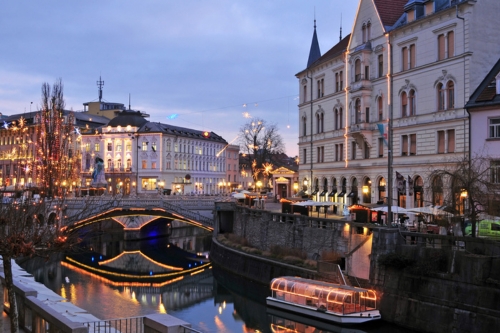
With the day of love around the corner, celebrating it with your special one is a must. But if like us you too feel that love should be celebrated every day, then these romantic retreats will back up your every romantic holiday plan. From luxe Jacuzzi getaways to beachfront fun and city escapes, our latest selection of the most romantic couple-friendly homes is perfect for packing your bags and lolling off with "the one".  Whether you are looking to reconnect with your partner, thinking of an adventurous couple's weekend or planning your Valentine's Day escape, these year-round romantic nooks offer you some of the best escapes. (Use the discount code HRLOVE to get a special 10% discount on bookings from 13th to 17th February 2025 to celebrate St. Valentine's!)A luxury retreat in Campania to pamper each other Enjoy cosy moments in the hot tub in this lovely retreat In the coastal town of Agropoli, the pearl of Campania, this Jacuzzi retreat in lush greenery welcomes you to indulge in the vibrance of the Mediterranean atmosphere and share intimate moments surrounded by everything that feels like love.With antique charm and modern comforts, the vacation rental offers time off from mundane life and more time for each other. Bask in the sun-drenched private garden, with sun beds, a jacuzzi and your favourite drink, or delight in the host’s special breakfast whipped up with homemade ingredients. If you feel like it, then there is a fabulous option for guests to host exclusive garden parties; but if couple-friendly explorations are more your thing then the historic Agropoli Castle, pristine beaches (The Bay Trentova and Spiagge di Agropoli), and the nearby treasures of Paestum Archaeological Park are located within a couple of minutes from here. Book this romantic retreat! A secluded cottage, fabulous outdoors and perfect moments in Croatia’s countryside  Set your romantic dinner in this property’s gazebo Less than an hour from Zagreb, the serenity of the countryside and this enchanting romantic cottage offer quick, year-round getaways for city dwellers and nature lovers. This stylish retreat seamlessly blends traditional and contemporary features for couples of all ages. Enjoy sunny moments on the terrace, cosy up with the wood-burning stove, or relax in the hot tub amid the curated garden. With a master bedroom, a convertible sofa, and a well-equipped kitchen, this haven ensures comfort. Moreover, after some indulgence at the property, guests can easily explore the historic Varazdin in just 15 minutes, savour the local cuisine, or simply unwind in the idyllic surroundings.  Book your romantic escape! Winery Weekend, Wellness and Self-Care in Dolejska Wine Region  A romantic retreat in a picture-perfect wooden cottage, surrounded by vineyards Conveniently located between Ljubljana and Zagreb, this picture-perfect retreat promises an unforgettable holiday for couples.Slow down at this romantic escape where traditional and contemporary design come together to give you a slice of Slovenian paradise. Relax in the unique Finnish sauna, dine on the wooden deck with breathtaking views, unwind in the wooden hot tub with a glass of local wine, or retreat to the hay loft for rustic relaxation. Additionally, the owners' wine cellar beckons for local tastings and curated experiences including wellness treatments. And there is plenty to do nearby as the enchanting town of Otočec, with the only Gothic water castle in Slovenia on a river island, is just 10 minutes away and many thermal baths of Slovenia are within easy reach.  Book this cosy cottage! Get swept off your feet at with this central city escape on Ljubljanica’s banks Plan your next city escape in this spacious apartment in Ljubljana Home to historic architecture and the living Ljubljana Castle, the capital of Slovenia might not be the first place that pops up when one thinks about romantic getaways. But with Ljubljana’s Luv Fest and this charming riverside apartment, the city might just spell the perfect Valentine’s for you!Perfect for up to 4 guests, the air-conditioned retreat is a year-round haven. Unwind in the naturally bright living room or relax in the private open-air coffee corner. Fully equipped for a carefree stay, the apartment is ideal for exploring Ljubljana's architectural wonders, dining in charming restaurants, and wandering the historic Old Town—all within walking distance. Whether winter or summer, this central location is your gateway to Slovenia's diverse beauty. PS. Bikes are also available for guests if you want to discover hidden spots of the city cycling slo-mo with your love. Book your next city trip! A haven of tranquillity, this romantic mountain retreat is where skiing is still in spring till April Enjoy the view of the mountains from this balcony Nothing says it's time to cosy up with your special one better than a holiday in the winter wonderlands.This holiday retreat in Claviere, one of the six Via Lattea resorts, is the ideal nest to escape to alpine serenity. Perfect for honeymooners and pet lovers, the private terrace with mountain views features wooden interiors and an alpine living experience. Plus, with proximity to skiing spots and ski storage, this apartment is also the ideal ski-in/ski-out vacation rental. The snow-sure slopes of Via Lattea bring skiing vibes well into April and with 6 resorts to choose from, there is a wealth of experiences to enjoy. Explore nearby attractions, from the Church of San Maurizio to thrilling ski resorts like Sauze d’Oulx and the French resort Montgenevre, making memories that last a lifetime.  Book one of these mountain havens! Waterside rental with a private beach on Kolpa RiverEnjoy the peace of River Kolpa in our waterside house A picturesque, romantic cottage in a serene hamlet between the lush forest and the enchanting River Kolpa means that nature has come together in harmony to give you the best of its beauty and gifts.With a private beach just steps away, this delightfully cosy wooden haven is pure indulgence surrounded by nature. Let loose in the outdoor Finnish sauna, stone terrace, BBQ facilities and balcony overlooking the river. Explore the unspoiled beauty of Slovenia's southern border, by hiking, cycling, fishing, SUP and exploring the river with canoe rental available at every step. Plus, with Petrina just 5 minutes away, this retreat is all about tranquillity with a dose of adventure. Book your private beach rental! Enjoy Katakolon’s alluring water at this beach Retreat in GreeceRelax by the sea in this perfect romantic beach getaway!  Unwind, explore, and create cherished memories with your special one at this beachfront haven in Katakolon just a stone’s throw from various cafes, bars, beach bars, and a barbecue restaurant. Located right on the sands of Agios Ilias beach, this sun-soaked escapes feature a spacious balcony with a sea view, perfect for dining to the soothing sound of the waves. Fully air-conditioned and equipped with Wi-Fi, it feels like a home away from home but with the magic of Greece and an incredibly charming location with direct beach access and water sports like SUP boarding and swimming. The well-furnished living area and open kitchen provide all you need for a carefree self-catering stay.  Book these sun-soaked escapes! A Romantic Villa that doubles as a spa retreat, the go-to honeymoon hideaway Book the weekend in this romantic villa for you and your loved one With a utopic location in the small Italian town of Alviano, the holiday villa offers a whole package for travel lovers and honeymooners. The town is home to not only historic structures like Rocca di Alviano but also to one of the biggest natural reserves in the area, the Alviano Oasis with more than 190 bird species and 7 kilometres of forested paths for delicious walks and wanderings.  Explore the area and come back to fabulous amenities like a private swimming pool for a dip or the sauna to relax your nerves. Depending on the weather, curl up in front of the fireplace with your loved one or plan a sweet little picnic in the exclusive garden equipped with open-air dining and BBQ. Book your stay in this romantic villa! A soul-soothing Mountain Cabin abound in Hungarian nature and a Michelin-star dining experience  Admire the view amid nature and sunshine Embark on a journey to the natural bounty of Southern Hungary, where the East Mecsek landscape protection district unfolds at the foot of Zengő mountain.  The sustainable cozy cabins overlooking the picturesque Hármashegy offer a close-to-nature retreat, embodying tranquillity and relaxation. Resembling a herd grazing on the hillside, the cabins prioritise eco-friendly practices, from LED lights to selective rubbish collection. Experience comfort with a sauna, indulge in a breakfast basket or explore nearby dining options like Hosszútányér, a Michelin-starred restaurant, just minutes away on foot. Discover the cultural richness of Pécs known for its European Capital of Culture heritage. For sports enthusiasts, Central Wakeboard Park is a short drive, and Lake Pécs awaits water lovers. Book your retreat amid nature! A luxe experience in nature to round up a truly relaxing Valentine’s  For nature lovers, Treehouse with a Jacuzzi and BBQ in the middle of the Slovenian woods Hidden in southern Croatia, this scrumptious treehouse escape promises a tranquil day or days of love surrounded by mountains, rivers, and lush forests.Just 30 minutes from the famed Adriatic coast with its golden beaches, and an hour from the historic city of Zadar, guests can immerse themselves in 3000 years of history, vibrant markets, and a captivating coastal landscape, and at the same time, enjoy a delightful experience in the peace of nature and a balcony for enchanting treetop dining. Its well-equipped kitchen heated shared pool, outdoor jacuzzi, and covered BBQ area ensure a perfect blend of relaxation and adventure. Zadar International Airport is conveniently located just 50 minutes away, making this treehouse a gateway to an unforgettable Croatian holiday. Book your getaway in nature! Whether it is a ski resort, a beach destination, cities in love or the most untouched corners of Earth’s paradise that you are looking for? Book your time away with your loved one now! 

The most beautiful villages in Umbria worth visiting

Embarking on a journey through the heart of Italy unveils a tapestry of enchanting villages, each with its unique charm and timeless allure. In the picturesque region of Umbria, where medieval streets wind through rolling hills and historic architecture stand as a testament to centuries past, the quest for the most beautiful villages becomes a captivating odyssey.  Below, we have found the hidden gems, the quaint corners, and the cultural treasures that define the most enchanting villages to visit in Umbria! 1. AssisiAn idyllic view of the hilltop village of Assisi East of Perugia lies the hilltop town of Assisi, the birthplace of Saint Francis, the patron saint of animals and the environment. Its must-see Basilica di San Francesco, constructed between 1228 and 1253, is a significant Christian pilgrimage site. Assisi also has the well-preserved Roman Temple of Minerva from the 1st century for those who’d like to venture into ancient times! Not only that, this UNESCO World Heritage site with stunning medieval architecture, narrow streets, and panoramic views is also quite the charmer for nature lovers with the nearby Mount Subasio Regional Park serving as a beautiful retreat.  2. PerugiaThe beautiful Piazza IV Novembre of Perugia The regional capital, Perugia, with its historical sites, medieval alleys, and vibrant cultural scene lures into a rich history dating back to Etruscan times. Explore impressive Renaissance architecture in its piazzas, discover intriguing medieval lanes, and uncover Etruscan ruins beneath the cathedral. July brings the vibrant Jazz Festival, filling the streets with music, meanwhile, the Perugina chocolate factory, producer of delicious Baci chocolates, is a year-round favourite of tourists. Ideally, you should allow at least three days to fully enjoy the city! 3. Orvieto The iconic duomo of Orvieto on a crisp, sunny day Known for its impressive Duomo (Cathedral) and well-preserved medieval centre, Orvieto sits atop a volcanic cliff and offers breathtaking views of the surrounding countryside. Book a tour of Orvieto Underground to discover the fascinating history of kilometres of tunnels beneath the city. Alternatively, visit the impressive cathedral, marvel at the Pozzo della Cava, a 36-meter-deep Etruscan well, and descend the 248 steps of the Pozzo di San Patrizio, a 54-meter-deep well.  Easily accessible by train from Rome in one hour or by car with ample parking, Orvieto can be explored in a day, but two days allow for a more relaxed experience. Also, don't miss a fantastic pizza at Piazza del Popolo. 4.  Spello An atmospheric alley of Spello to spend your afternoon A charming hilltop town with medieval streets adorned with flowers, Spello is often considered one of the most picturesque places in Umbria with diverse experiences that pique curiosity. In Spello, wander through its floral alleyways, admire its churches, and enjoy stunning Umbrian vistas. Art enthusiasts shouldn't miss the Baglioni Chapel in the Collegiata di Santa Maria Maggiore and the Infloriata festival in June that transforms streets into floral carpets. The town also offers excellent restaurants like La Cantina di Spello, showcasing local delicacies such as black truffles, olive oils, Chianina beef, and wild boar. Editor’s tip: Make Spello the base for your Umbrian trip as it is easily accessible by train! 5. Gubbio  An alluring view of the historic buildings of Gubbio As one of Umbria's oldest medieval settlements, Gubbio has preserved its original appearance and is known for its historic centre, the Palazzo dei Consoli and the annual Corsa dei Ceri festival. The town is quietly surrounded by countryside and ancient woodland, with the Piazza Grande offering stunning views of the valley and showcasing historic buildings like Palazzo dei Consoli and Palazzo Pretorio, as well as the Duomo and the Church of San Francesco. Gubbio is also known for hosting the world's largest Christmas tree during the holidays!  Gubbio is perfect for a day trip accessible by car, train, or bus from Perugia and Rome. Editor’s tip: Indulge in Umbrian cuisine, including legume soup and strangozzi with meat sauce. 6. MontefalcoThe autumn-like beauty of the Mantefalco Sagrantino Vineyards Considered the “Balcony of Umbria”, Montefalco is surrounded by vineyards and is renowned for its wines such as Sagrantino di Montefalco and Montefalco Rosso, as well as panoramic views of the Umbrian countryside between Perugia and Spoleto. The well-preserved medieval center with ancient walls and towers includes highlights like the circular Piazza del Comune with key buildings like Palazzo Comunale, Teatro Comunale, and Oratorio di Santa Maria di Platea. The Church-Museum of San Francesco houses a significant fresco cycle by Benozzo Gozzoli, while other attractions include medieval walls, Sant'Agostino gate, churches, and the Castle of Fabbri with an archaeological crypt! 7.  TodiMarvel at the octagonal architectural expertise of Tempio di Santa Maria della Consolazione Todi's well-preserved medieval centre leads you into a world of typical architectural structures like the Piazza del Popolo and the Tempio di Santa Maria della Consolazione. Perched on a hilltop above the River Tiber, Todi is by visitors for its authentic charm and limited tourist impact where you can experience genuine Umbrian life and savour earthy flavours like a slow-cooked pigeon with a delightful dry white wine. Todi also serves as an ideal base to explore neighbouring Umbrian gems, with Montefalco and Perugia, which are just a short drive away. 8. Bevagna Feel the olden days come alive at Mercato dei Consoli A small medieval town known for its virtually intact Roman and medieval architecture, Bevagna is the perfect stop for reliving the old times. The town is home to the former church of Madonna delle Neve, ancient thermal baths, Piazza Silvestri, Palazzo dei Consoli, and churches like San Silvestro and San Michele Arcangelo. It also plays host to the Mercato delle Gaite, a historical reenactment festival recreating medieval village life every June. To top it all Bevagna has a well-preserved historical center with charming alleyways attracting visitors since the Grand Tour era.  9. Città di CastelloThe grandiose cathedral of Città di Castello Located in the northern part of Umbria, Città di Castello, a medieval gem on the Tiber, has a mix of Renaissance and medieval architecture, including the Palazzo Comunale and the Cathedral of San Florido. Its historic core is made up of cobbled streets and hidden churches, and features the Palazzo Vitelli alla Cannoniera, a 16th-century palace turned art gallery, showcasing exceptional works by Renaissance artists like Raphael and Luca Signorelli! 10.  Castiglione del Lago The brilliant blue waters of Lake Trasimeno visible from Castiglione del Lago Nestled on the shores of Lake Trasimeno where Umbria meets Tuscany, Castiglione del Lago is famed for its 13th-century Castello del Leone offering stunning views. The town is also ideal for exploring several other water's-edge villages and tranquil islands, notably Isola Polvese with its historic Church of San Guiliano and the beautiful Garden of Aquatic Plants. Every spring, the Coloriamo i Cieli Festival transforms the skies with colourful kites and hot-air balloons above Castiglione del Lago.  Want to start making plans for your travels through the "Green Heart of Italy" ? Book your tranquil Umbrian retreat here! Before you go… More information and FAQs to make your travel easier around Umbria! Is it worth going to Umbria? Despite its relatively small size, the region offers a wealth of exploration opportunities including some top spots from our list such as Assisi, Orvieto, Lake Trasimeno, Montefalco area and Monte Subasio Regional Park. Plus, Umbria’s location in Central Italy, approximately midway between Rome and Florence, makes it quite an accessible destination even from Tuscany. From Rome, it’s about a 2-hour drive north whilst it’s a much longer 5-hour drive south from Milan. Florence to Perugia is likewise around a 2-hour drive, trains are also available.  Which is better, Umbria or Tuscany? Tuscany is renowned for its iconic city centres, while Umbria offers a more immersive Italian experience. Although Tuscany has better-known small towns, Umbria provides ample opportunities to escape crowds in the region often referred to as Italy's "green heart." The less-discovered charm of Umbria makes it an ideal destination for those seeking a more tranquil and authentic Italian experience. How many days do you need in Umbria? Umbria's compact size makes it an ideal destination for a long weekend break. In three days, you can explore a couple of the region's beautiful hilltop towns while leaving ample time to indulge in the delicious Umbrian food and wine. However, if you are planning to see more towns and villages, you should consider booking at least one week. Where is the best base to explore Umbria? Perugia is the most convenient city for basing yourself when exploring Umbria. As the capital, largest city, and transportation hub of the region, Perugia provides easy access to trains and buses connecting to other towns in Umbria. The city also offers a variety of accommodation options, including hotels and vacation rental apartments, making it a practical and comfortable choice for your stay in the region.  If you want something more in the countryside, Spello, a stunning hill town in Umbria, is not just a popular day trip destination but also an excellent base for exploring the region. Easily accessible by train, with a short ten-minute walk from the station to the town, it offers a convenient travel option.  If hilltop towns aren't your preference, Bevagna is an excellent alternative. Conveniently located, Bevagna serves as a strategic base for exploring nearby attractions such as Spello, Perugia, Montefalco, and Assisi, especially if you have a car.  How do you get around Umbria without a car? In Umbria, public transportation is limited, with train lines connecting Perugia to popular towns like Assisi and Spello, and local buses covering the rest of the network. For exploring remote villages, especially those not serviced by public transit, having personal transportation like a car is recommended for flexibility. Parking outside medieval towns is necessary, and solo travellers may consider mopeds for day trips, though they are not allowed on highways.  Planning your itinerary is key to navigating public transportation in Umbria. Check the list of towns served by the regional train service and the timetables. Additionally, examine the schedules of regional buses from stations to towns, as well as connections between different towns. With thorough planning, you can make the most of the available transportation options and ensure a smooth and enjoyable journey through the picturesque region of Umbria. The Umbria GO pass offers a convenient solution, providing access to (sub)urban buses, trains, and the Lake Trasimeno ferry, with options for 1 to 30 days. Prices start at €15 and go up to €120. The pass can be purchased at Trenitalia or Busitalia ticket offices, though information on select sales points is primarily in Italian. Buon viaggio! 

Top Winter Resorts for Non-Skiers

Embracing the winter wonderland without the need for downhill slopes and ski gear is a dream come true for many.  Whether you're seeking a cosy retreat by the fireplace or thrilling adventures in the snow, these top winter resorts for non-skiers offer a world of enchanting experiences. So, as the snow blankets the landscape, journey through some of the most captivating destinations that cater to those who prefer savouring the season in ways that don't involve skiing.  From enchanting Christmas Markets to rejuvenating spa escapes, this guide will help you unlock the magic of winter without ever strapping on a pair of skis. Here’s our selection of resorts to enjoy winter off the ski slopes: Which ski resort in France is best for non-skiers? The lovely terrace on Brevent, a winter sports resort in Chamonix Mont Blanc Though a world-famous ski resort, Chamonix in winter is also an excellent destination for non-skiers. The village offers a variety of alternative sports and activities, including ice skating, curling, indoor tennis, and squash. For shopping, you can visit nearby Megève with its designer boutiques. Meanwhile, food enthusiasts can indulge at the two-Michelin-starred Restaurant Albert 1er, known for top-quality cuisine and stunning views. Even if you are looking for a less pricey option, the Haute-Savoie cuisine won’t disappoint!  Chamonix also boasts a vibrant nightlife scene, with numerous bars and clubs, including the main nightclub, L'Amnesia, featuring international DJs throughout the season. The resort also offers some alpine relaxation with the nearby St-Gervais-Les Bains thermal baths set in a picturesque, wooded park with indoor and outdoor pools filled with natural mountain spring water rich in minerals and sulfur. This water is believed to have therapeutic benefits for the skin, respiratory issues, and conditions like rheumatism and arthritis! Want to try Chamonix as a winter destination that is more than just skiing?  Start by wish listing your holiday accommodation in Mont Blanc! Can you go to Switzerland and not ski? If winter is not all about skiing for you, then switch it up and visit a cosmopolitan city like Lugano.  Beautiful arial view of Lugano in winter that you can catch hiking up one of the summits Located in the Italian-speaking part of Switzerland, Lugano offers several enjoyable activities during winter. Adding culture to vacations is easy, with Lugano's museums and galleries like the Museo d'Arte della Svizzera Italiana and Villa Ciani being home to vibrant art and culture scene. Attend performances at the Lugano Arte e Cultura center, and after sipping some delicious hot chocolate indulge in a shopping break along the famous Via Nassa. If you visit during the holiday season, the Lugano Winter Village offers an ice rink and a festive atmosphere with holiday markets.  Monte Brè and Monte Generoso also provide excellent opportunities for winter hiking and snowshoeing, though do keep in mind that the funicular up to Monte Brè is closed from January to February and on Christmas day. And while the lakeside may be cold, taking a boat trip on Lake Lugano is still an enjoyable way to appreciate the surrounding landscapes, which can be easily recovered from, with Termali Salini & Spa in Locarno, accessible by train.  Need more ideas on how to spend your vacation in Lugano?  From city center to lakeside bliss, check out these fabulous holiday homes in Lugano! What to do in Livigno if you don't ski?  Sciatt, crispy round buckwheat pancakes that hide a tasty heart of stringy cheese Livigno during winter offers an abundance of hiking trails and is an ideal destination for those seeking to explore scenic mountain views. Additionally, for shopping enthusiasts, Livigno offers eight fabulous shopping centers, where you might want to set a budget before you enter in. And don’t forget to enjoy  the delicious cuisine of Valtellina region, perfect for recharging your batteries after a day on the move. If you want to have once in a lifetime experience, take the panoramic train Bernina Express from Tirano, only one hour and half drive by car. Or if you need some rest after all the hiking, visit the 2000-year-old Bagni Vecchi di Bormio at less than 1 hour's drive. Another option is to do a quick trip in the enchanting village of St Moritz, which is less than one hour drive away! So start looking for the perfect stay in Livigno for this year's winter vacation now! What to do on Lake Maggiore in Winter? A serene view of the Monte Rosa peak from Mt. Mottarone  Lago Maggiore remains charming in the winter months, offering a serene and peaceful atmosphere. While some attractions are closed, there are several reasons to visit. Enjoying a leisurely lakeside walk in Stresa and visiting the Borromean Islands without the crowds are two of them. Though Isola Madre's English gardens are closed during this season, you can still visit Isola dei Pescatori, the only inhabited island, as well as Isola Bella on weekends and during festivities.  Explore historic sites like Borromean Rocca d'Angera, here you can go see the Museum of Dolls and Toys, a hidden gem worth visiting. Additionally, you can reach Mount Mottarone by car from Lake Orta and Armeno (provincial road 41), or on the other side from Stresa and Gignese (the cable car in Stresa is closed). The summit provides stunning views over various mountain ranges and the "Seven Lakes", and is a haven for trekking enthusiasts, with historical and scenic trails like Alpino Village-Mottarone Summit passing through diverse forests.  Don’t forget to savor local cuisine, with a focus on delicious lake fish.  Book a winter stay in Lake Maggiore for a memorable experience. What is Slovenia like in winter for a non-skier? Enter a fairytale in Slovenia.  A fairy-tale glimpse of the Church of Sv. John the Baptist perched on the banks of Lake Bohinj  With natural wonders like Lake Bled, its tranquil waters, forested shores, and a church on a tiny island, Slovenia is a major winter draw. During the season, the area around the exceptional beauty of the lake transforms into a picturesque, snow-covered wonderland as mist rises from the mountains. Visitors can enjoy invigorating walks and savor hearty local dishes like goulash.  While Lake Bled is famous, Lake Bohinj, Slovenia's largest lake in the Julian Alps with its frozen waters and snow-covered trees, offers a similar winter beauty within Triglav National Park. Nearby, the charming village of Bohinjska Bistrica leads to a tranquil winter experience with snow-covered mountains, along with areas ideal for exploring on foot (and snowshoeing!), with a free local bus service connecting the two lakes and the village for easy access.  If Christmas is approaching and you want something more festive, situated just an hour’s journey from Bled is Ljubljana and its amazing Christmas Market. While, if you want only to relax, don’t miss on the centenary natural hot springs and thermal spas of Slovenia. From vineyard chalets to holiday homes with saunas and spas, find your perfect winter haven in Slovenia. If you still have doubts... How can I enjoy snow without skiing? Enjoying the snow without skiing is entirely possible, and there are many fun and engaging activities like: 1. Snowshoeing: Snowshoeing is an excellent way to explore snowy landscapes. It's like hiking, but with special footwear that helps you walk on top of the snow. Hiking aficionados can challenge themselves with snowshoeing 2. Snow Tubing: Find a local snow tubing hill or park and go snow tubing. It's like sledding, but you typically ride down a groomed hill on an inflatable tube. 3. Ice Skating: Many places have outdoor ice-skating rinks during winter. Whether you're a skilled skater or a beginner, it's a fun and beautiful winter activity. 4. Winter Hiking: If you enjoy hiking, try winter hiking with the right equipment. It offers a unique and peaceful experience.  5. Photography and Stargazing: Snow-covered landscapes can make for stunning photographs. Grab your camera or smartphone and capture the winter beauty and starry skies. Capture the winter beauty through a panoramic train travel such as the Bernina Express  6. Birdwatching: Many bird species stay in snowy regions during the winter. Set up a bird feeder in your yard and enjoy observing the feathered visitors. 7. Sleigh Rides: Look for local places that offer horse-drawn sleigh or carriage rides through snowy countryside. 8. Winter Camping: If you're an experienced camper and enjoy adventure, try winter camping. Be sure to use the right gear and dress warmly. 9. Indoor Activities: Sometimes it's best to enjoy the snow from the warmth of indoors. Cosy up by the fireplace with a good book or movie or try cooking a warm winter meal. What’s better than a cosy holiday home to enjoy some indoor activities when the weather is not helping? 10. Hot Springs or Spas: If there are hot springs or spas nearby, taking a dip in warm waters while surrounded by snow can be incredibly relaxing. 11. Winter Festivals: Check if there are any local winter festivals or events that you can attend. These often feature music, food, and various activities. 12. Ice Fishing: If you enjoy fishing, consider trying ice fishing, but make sure to do it safely with the proper gear. 13. Snow Biking: Fat-tire biking is a popular winter sport. You can rent or purchase a fat-tire bike and explore snowy trails. Remember to dress warmly and be prepared for cold and potentially wet conditions. Safety should always be a priority when enjoying the snow, and it's a good idea to check the weather and snow conditions before heading out. Whether you prefer active outdoor activities or quiet indoor pastimes, there are plenty of ways to enjoy the winter season without skiing.  Don’t forget to check local event calendars and weather conditions to plan your activities and make the most of your winter visit to these incredible destinations for non-skiers. 

9 Uncrowded Winter Destinations in Europe: Sea, City & Ski

Winter travel may not be everyone’s cup of hot chocolate, but there is something about winters in Europe that make it a fairytale that needs to be lived at least once in a lifetime.  From Christmas markets to ski resorts and stunning architectural cities that go into a tranquil tourist-free slumber, winter in Europe is a different world altogether. But it is not just the North of Europe that becomes an inviting, budget travel destination during the colder months; if you are looking for something by the sea then winters can be particularly sprightly and sunny in the South of Europe. The biggest perk, however, of going to Europe in winter is that everything is cheaper and crowd-free, though the latter might still not be true for destinations such as Germany, which clocks in hundreds of tourists for their amazing Christmas markets.  So, if you are planning tranquil winter vacations in Europe and still have doubts about which experience or destination you’d like to go for, then our list with some of the best destinations near the sea, city, and ski will come in handy before you make the decision! In the CitiesLjubljana, Slovenia The romantic atmosphere enveloping Ljubljana in winter Fascinating by all standards, Ljubljana is a near about perfect winter travel destination. Jože Plečnik’s Baroque architecture combined with cosy cafes and a Christmas winter market, make Ljubljana not only a desirable destination that is not devoured by touristic crowds but also a great festive season holiday destination. The city is also close to nature, with the iconic Lake Bled leading you into a winter idyll crowned by snowy alps and an island in the middle of the lake! Start looking for accommodations to make your travel plans smooth and easy! Zagreb, Croatia The wreathed Mandusevac Fountain for Advent in Zagreb  The continental heart of Croatia is a sublime mix of culture and history that should be soaked up at a slow pace. Renowned for its fabulous Christmas Market during the holiday season, Zagreb has made it to our list for its indoor attractions such as the Strossmayer Museum and the city’s proximity to picture-perfect castle landscapes. And just a 2-hour drive away, carry your fascination to the lands of Narnia, then check out the Plitvice Lake Park during winter. With 16 lakes and many waterfalls, the park is nothing short of a jaw-dropping winter spectacle, ideal for a family or a couples' day trip. Start checking the travel list by looking for holiday homes in Zagreb! Valletta, Malta Stroll around the city on a sunny winter morning in Valletta, Malta The year-round pleasant temperatures in the Mediterranean Island nation of Malta mean that winter is a particularly nice time to visit. From its UNESCO-protected town centre to the island’s little fishing villages like Marsaloxx and spectacular New Year’s fireworks, we recommend Valletta not only for a cultural break in the winter months but also as a great destination to plan the New Year celebrations. View accommodations that keep you close to attractions in Malta. For Skiing Kranjska Gora, Slovenia Winter evening in Kranjska Gora, Slovenia Not being a jet-setting destination for skiing plays to Slovenia’s advantage with the amazing Kranjska Gora inviting skiers of all abilities to glide down at full speed. Its location in the heart of the Julian Alps has left the village more or less in its pristine state. So even though the village is popular among skiers, it has not been spoilt by over-tourism. Kransjka Gora is also a great base for indulging in something more than just skiing with winter season activities like tobogganing, snowshoeing, and ice-climbing, with skating on the frozen Lake Jasna stealing your heart! Find remote winter cabin rentals and convenient bases to reach Kranjska Gora! Grange Sises, Italy Happy.Rentals’ sun-dappled accommodation location in Grange Sises This tiny village near Turin may be smaller than a regular ski town but its traditional houses, budget-friendly accommodation, and closeness to the famous ski resort of Sestriere make it an excellent destination when looking for quiet winter vacation spots and ski destinations.  These Grange Sises accommodations have free drop-off and pick-up services to Sestriere right outside, along with access to a ski rental shop with exclusive discounts for guests. Moreover, here you can find the full guide to the impressive 400 km ski network of ViaLattea or Milky Way (including cross-country skiing) and get to know which slopes are perfect for you! Catania, SicilyThe Mount Etna cable car The scenic background of the world-famous Mt. Etna is not only for stunning vistas of the sea. During winter, Catania offers the perfect mix of city and ski break being home to the iconic Sicilian Baroque (also spread all over Val di Noto) and skiing on the slopes of Mt. Etna with sea views! The volcanic phenomenon has 2 ski resorts, Piano Provenzana and Nicolosi, out of which Nicolosi covers a bigger ski area. You can opt for a stay in Catania or Zafferana Etnea depending on whether you want a ski-day out or a stay over. If you want to stay closer to Mt. Etna, then this volcano view retreat in Zafferana Etnea might be a better option for you. Near the Sea Andalusia, Spain The always sunny Benalmadena waterfront, Andalusia Home to Costa del Sol, Andalusia is that something special that everyone talks about when they talk about Spain. The region with Arab and Catholic influences has some amazing city stops like Granada, Sevilla and Málaga. In fact the area has the best of not only both but all the worlds since in Granada you can soak up the true Andalusian culture and also ski at the close by Sierra Nevada, and with Costa del Sol you can be near the coast and soak up some cosy winter sun!! Crete, Greece The majestic Koules fortress in Heraklion, Greece If you are thinking of travelling in winter, then we are sure that you want to ditch the usual, which is what your trip to Crete would be like: a completely different side and introduction to the Greek culture. Crete during winter is a hedonistic pleasure made up of traditional, family-run tavernas, coffee, wines, and delicious Greek cuisine. Of course, since the sea will be out of bounds for obvious reasons, the weather (which rarely goes below 14 degree) gives you a better opportunity to explore Crete’s historic and mythological background or even try hiking in impressive gorges! Tip: If you are looking for your next remote work stop, then Crete has some amazing policies like Work from Crete and even a digital nomad visa!  Find short term and long-term holiday rentals on Crete! Split, Croatia Beautiful waterfront promenade in Split, Croatia Located on the Dalmatian coast, Split is one of the least crowded winter city destinations that you should seriously consider travelling to this year. The city has a seaside stunning location, with a vibrant, palm-lined Riva (seaside promenade) and an extensive historic centre.  The Diocletan’s Palace is Split’s highlight, along with a series of temples worth checking out. The most extraordinary is the Temple of Jupiter, with striking human expressions carved into the ceiling! Close to the temple are the St. Dominus Cathedral and Bell Tower, perfect for soaking up an uninterrupted view of the city and the sea.  Outside of the historic centre, if you want to spend an unforgettable evening of music, wine and coffee, then head to the Royal Square, where cafes like LVXOR cafe and bar, create beautiful experiences.  Split is also an excellent base to visit Šibenik.  Essential tips for visiting Europe in Winter The essential tips for Europe travel really don’t differ in any season or any European country except for the clothing part. Therefore, this guide to  winter packing for Italy is just as good as any keeping in mind questions like: Where in Europe has the mildest winter or which European cities are the driest in winter?  If you are looking for a travel checklist for your first international travel, then make sure the following items make it to your list: Travel Documents such as passport, visa (it is crucial to check visa requirements for your country of travel) and travel insurance. Reusable water bottles and totes if you want to save the planet while savouring the joys of life. European pin plugs: Often European cities have a different socket charging plug for which a universal adaptor is the perfect accessory. Travel Umbrella: The winter weather in Europe is unpredictable and depending on your destination, whether it's a wet winter destination or a dry one, it is essential to carry a travel-size umbrella. Debit/Credit card that has no foreign exchange fee. Alternatively, you can use a travel card that has benefits and options specifically tailored for travelling. Download apps like SplitWise, CityMapper in your cell phone to handle everything stress-free. Looking for more travel inspiration for winter? Check out our 2024 New Year’s under-the-radar travel destination curation!

Top 8 under-the-radar places in Europe to welcome the New Year

Know where you are going to celebrate the New Year? There's something undeniably enchanting about celebrating New Year's Eve in a city that hasn't been overwhelmed by mainstream tourism. So, step off the beaten path and explore the alluring underbelly of Europe's New Year's celebrations, where age-old traditions and modern festivities intertwine for a truly captivating experience. Below we have listed the 10 best places to spend New Year’s Eve in Europe whether you are travelling alone, with friends or family! Marbella Marbella’s palm-lined street on a sunny day Soak up a unique Spanish tradition in Marbella's Old Town's Plaza de Los Naranjos where the streets come alive in shared celebrations. Combine tradition with dining options that are abound, from Italian elegance at Villa Tiberio to the party atmosphere of Mosh Fun Kitchen. Head to Michelin starred restaurants in Marbella; or to La Sala that offers a cosy ambience with live music, and Breathe, which promises a gastronomic extravaganza. Clubs like Olivia Valere, Momento, and La Suite also open their doors early, often featuring renowned DJs and spectacular fireworks.  Whether it’s a cozy night in, a lavish restaurant feast, or dancing until dawn, Marbella has tons of options and holiday homes for every taste. Don’t forget the Spanish ritual of eating 12 grapes at midnight to bring luck and prosperity in the new year. Zagreb Night view from the Strossmayer Promenade during Advent in Zagreb Zagreb's transformation on New Year's Eve is nothing short of an electrifying festival. The Ban Jelačić Square comes alive with both locals and tourists, who gather to celebrate the arrival of the New Year with spectacular fireworks, live performances and music groups from across the country. Night owls can revel in the vibrant nightlife of Zagreb by celebrating the New Year in popular nightclubs such as Saloon and Sokol. Piranha and Aquarius, situated near the picturesque Jarun Lake draw both locals and tourists and promises an energetic celebration. Stay for longer in Zagreb to enjoy its phenomenal Christmas market and combine the festivities with a visit to nearby ski resorts like Sljeme Mountain ski resort, Bjelolasica and Platak or to the Narnia-land of Plitvice Lakes.  Valletta Fireworks in Valletta (Malta) during New Year celebration A holiday escape to Malta for New Year's Eve means options for how to spend the evening are as varied as they are exciting. From a delightful meal at one of the island's top restaurants and enjoying drinks with friends to diving headfirst into a glamorous New Year's Eve party, amidst all these possibilities, one thing is clear: Valletta is the ultimate destination for the New Year celebrations! Typically, on New Year's Eve, Valletta undergoes a spectacular transformation. Against the backdrop of the awe-inspiring Grandmaster's Palace, Malta's top local artists and bands take the main stage in St. George's Square. Alongside them, international artists, street performers, and aerial entertainers unite to ensure that the massive crowds are captivated throughout the night! Book your holiday home now to usher in the New Year in Malta. Chamonix Vintage red cable cars in the snow-clad French alps Whether it’s a captivating concert, a local disco, a pub crawl, or a gourmet feast, Chamonix has something for everyone. Chamonix's compact size ensures an abundance of places to continue the festivities. Arrive at the clock tower in time for the thrilling countdown and fireworks.  Dive into an array of fine restaurants perfect for New Year's Eve, from gourmet French cuisine featuring truffles and oysters to traditional Alpine fare like fondue and Genepi.  For those seeking an extraordinary way to welcome the new year, consider trying adventurous off-the-slopes activities like ice climbing, ski touring, or glacier hiking. Or, just spend the first day of the year skiing. Book your holiday home in this chic ski resort for New Year’s Eve. Lugano  Enjoy Lake Lugano in characteristic pleasure boats In December, Lugano transforms into a winter wonderland with Christmas markets, decorations, and lights. Piazza della Riforma, especially on Thursdays, Fridays, and Saturdays around 6 pm, becomes alive with live music and entertainment. Lugano offers an array of museums, churches, and parks like the stunning Chiesa di Santa Maria degli Angeli, Chiesa San Rocco Lugano Arte Cultura (LAC), and Museo Cantonale d'Arte. If the weather is favorable, parks like Parco Civico Ciani and Parco Villa Florida offer pleasant spaces to unwind. Lugano also knows how to throw a remarkable New Year's Eve bash. So, head to Piazza della Riforma for a grand open-air celebration and catch the New Year's Day parade making its way to Palazzo dei Congressi from the Piazza at 11 am the next day. Stay for New Year's Eve in Lugano, where festivities, food, and excitement come together for an unforgettable start to the year.  Bled Go for a hike with the stunning Lake Bled in the background The captivating image of an island nestled in the middle of the lake is how Bled is known all over the world. However, the destination may still be an unlikely choice for celebrating the New Year, meaning its delight and fairytale setting is all yours, with just about enough things to make memories of a lifetime. Embark on a serene six-kilometer trail around the lake and enjoy picturesque views, including the island and the Karavanke Mountains. Alternatively, explore Castle Hill or nearby hills for panoramic vistas.  On New Year’s Eve, relish a sumptuous dinner and exchange New Year's kisses as the sky above lights up with a stunning display of fireworks and treat yourself to the iconic Bled cream cake, Kremšnita! Tip: If you are more of a city person, stay in Ljubljana that hosts several concerts of different music genres in its many squares and is just an hour’s drive from Bled! Catania The majestic Mount Etna which towers over Catania Its milder climate and proximity to distinctive backdrops like Mount Etna volcano, makes Catania a captivating New Year’s destination. The heart of Catania's New Year's Eve festivities is Piazza Duomo that hosts the city's largest concert, featuring nationally acclaimed artists who perform against the stunning backdrop of the square's historic architecture. Following the live performances, a lively DJ set keeps the celebrations going well into the early hours of the new year. For those with a penchant for rich classical music, a visit to Teatro Bellini offers an enchanting experience. Adorned with intricately frescoed ceilings, Teatro Bellini stands as a testament to Catania's cultural heritage and holds an annual concert on December 31st, adding a touch of refined musical elegance to the New Year's celebrations. Book your holiday home to celebrate New Year’s Eve in Catania. Lecce The forever sunny and characteristic streets in Lecce, Puglia Lecce, a charming city in Southern Italy, is a popular destination for New Year's Eve celebrations for locals but not yet for international tourists, making it a very cosy, under-the-radar destination. The city comes alive with events, including concerts, parties, and museum openings. The historic center is a key attraction, adorned with stands and craft markets. Notably, the Piazza Libertini hosts a major concert, and local venues provide diverse options for celebrations, from exclusive wine tastings to vibrant nightclub parties.  For an exclusive New Years’ experience, enjoying vintage wines and haute cuisine, the Viveur is a point of reference. Mastro Café e Bistrò and Mastro Enomaltoteca offer an alternative experience with their "Non Capodanno" concept, providing a New Year's Eve free from set dinners and instead offering à la carte orders and high-class drinks.  Discover the New Year with a new zeal and book your holiday home in Salento. Don’t forget to book in advance for your party or restaurant! If you want to know more about new year’s European traditions, check out our classic blogs about Malta, Switzerland and Croatia and about Spain, Italy, Greece and Belgium.

Cultural adventures in Europe: 5 surprisingly good destinations

In the age of Instagram, globalisation and rapid travels, over tourism has made the already popular destinations overwhelming to visit and similar in terms of what they have to offer. But there are still some hidden destinations in Europe where there is a chance to slow down, learn about different cultures and gain a fresh perspective of the world: In short, a chance to enjoy a culture trip in Europe and go back to the origins of travelling, which was always to explore and discover the unknown!What to do on a culture trip?●Research the area: A culture trip is a milieu of historical palaces, museums, traditions, folklore, food and more, so a bit of research before going is recommended to make sure what kind of cultural experience you are looking for.●Festivals and Events: Being part of the popular local festivals and events or carnivals is a great way of taking a cultural trip as most of these celebrations revolve around keeping traditions alive. ●Taste the local cuisine: Food is one of the most crucial elements in a cultural trip. A taste of the local cuisine or traditional holiday meals is like getting a taste of how it is to live a normal life in the area.●Immersive Experiences: Immersive experiences allow one to relive cultures that probably do not exist in real life anymore, such as experiencing a pure sense of travel in time with period performances at Predjama Castle or enjoying local culture with vineyard stays in Slovenia.●Home Stays: After food, the best way to experience life like a local as well as the culture is through a homestay. Are there different cultures in Europe? Book a holiday home in Europe and find the answer!Now the list…With unique cultural experiences ranging from the medieval ages to the modern 19th century and up until the Second World War, these destinations are easily some of the well-hidden gems in Europe for a cultural trip!1. Ieper, BelgiumLakenhalle, a stunning example of medieval Gothic Architecture in Ieper, BelgiumWith its iconic Belgian Medieval Gothic Brick Architecture to marvel, Ypres, or Ieper, is home to one of the largest Cloth Hall buildings, the Lakenhalle. Located in the city’s old town centre and declared a UNESCO World Heritage Site in 1999, the Lakenhalle retains its original architecture and is surrounded by the Grokt Market of Ieper. In the market, slow down and sit at one of the open-air cafes to enjoy the placid pace of life accompanied by famous Belgian waffles or beer. Ieper is also a fascinating destination for all curiosos of WWI and WWII. Destroyed completely during the First World War, Ieper, pays homage to all the fallen soldiers at the Menin Gate war memorial. The Menin Gate, which was once the pathway for allied forces to reach the frontline, is a remembrance of the devastation caused by one of the most significant wars in human history. The illumined monument of Menin Gate leading to the old town centre of IeperToday, this 97-year-old memorial holds *The Last Post Ceremony at 20.00 every day to honour all the British and Commonwealth soldiers of the war, with hundreds of spectators showing up every day to witness the moving experience. For those who want to take the journey further into their explorations must also visit the Flanders Field Museum, the British trenches and the memorial to Gurkha and Indian soldiers.The city is close to other beautiful coastal towns with World War history on the West Coast like Nieuwpoort and Oostende. Find holiday homes on the Belgian Coast to soak up art, culture and history.*Please note that the Menin Gate is temporarily under restoration and all of it may not be accessible. However, the Last Post Ceremony will continue to take place as usual. 2. Kotor, Kotor Bay, MontenegroA picturesque aerial view from the old town of KotorNot only one of the least crowded summer holiday destinations, but Kotor is also one of the nicest and most friendly cultural trip contenders. The city, crowned by the lush Dinaric Alps and hugged by the crystal waters of the sea, is ideal for those who love culture as much as nature. Located a couple of hours from another historic city, Dubrovnik, Kotor promises a dive into various cultural intrigues, including food and wine, orthodox churches, hiking trails to fortresses and a charming old town full of, CATS! Alternatively, the town offers many fests and events to actively take part in the culture of Montenegro in February, July and August. Immerse in the traditional folk dance in the old town of Kotor, MontenegroIn February, the traditional festival with celebrations including masking in ancient style is held, while in summer the international arts carnival adds a celebratory vibe to the city in July-August. With over 200 programmes and international artists, the International Festival KotorArt Festival in summer highlights Kotor’s culture and includes various categories like the Klapa Music Festival, Sea Rock Festival and the Kotor Children Festival.For gastronomic explorations, dive into the local Montenegrin cuisine that consists of delicacies like the fish brodetto: a white and blue fish done several ways and served with Swiss Cheese and potatoes, or the roasted octopus, black risotto, clams, and shrimps. Don’t forget to top it all off with the traditional wine Vranac!Stay on Kotor Bay and visit other stunning jewels around like the baroque city of Perast, Budva or Igalo!3. Rogatec, SloveniaA charming example of old-style sun-Pannonian house in the Rogatec Open-air MuseumJust half an hour from the cultural capital of Ptuj is this hidden gem that transports travellers to the good old days. Home to the largest open-air museum in Slovenia, Rogatec has made it to the list for its sheer charm and authenticity. The small town offers a one-of-a-kind immersive experience at the Muzej na Prostenm Rogatec, where life as our ancestors knew it remains alive and available to be experienced with many activities and workshops like “Bread my nana baked”. Another structure reminiscent of Slovenia’s past is the manor house, Duorec Strmol, which also has exhibits and activities to let visitors be part of the day-to-day life of the past.Feel truly like a local at Rogatec with the farmhouse with sauna and explore its surroundings and other hidden Slovenian destinations like Celje.Tip: Experience the cultural richness of Slovenia with other exciting stops like Ljubljana and Bled!4. Sirmione, Lake GardaA captivating aerial view of the Scaligero Castle in SirmioneOne of the biggest lakes in Italy, Lake Garda invites tourists to explore its two-dozen little villages and towns even in the off-season. But amongst them all, Sirmione, located on a peninsula jutting out of the land around the lake, is considered the prettiest. And with good reason. Sirmione’s Scaligero Castle, with its moat, drawbridge and fortified harbour, towers over the tiny Lake Garda village and is its very own cultural icon. The 13th Century Castle is unique for its fortified harbour, the only one in Italy, and has recently come into the public eye for its stunning location and preservation, which happened just 5 years ago! The Castle gives a vast panorama not only of the lake but also of the history of Italy, wherein towns and cities were always up for grabs by powerful families, which in this case was Sirmione.Apart from the imposing castle, the lakeside village’s lovely 15th C Church of Santa Maria Maggiore allows visitors to explore Italian Gothic architecture. Meanwhile cosy squares like Piazza Carducci serve as hub of restaurants to try the typical lake cuisine that consists of dishes with lake fishes as the main hero and some excellent regional wines and everyone’s favourite, the Italian Gelato!The famous Piazza Carducci brimming with café goers on a lovely day in SirmioneSirmione also has efficient ferry services to reach 16 villages on Lake Garda, which includes the famous Riva del Garda and the windsurfing hub Torbole. Discover the famous holiday resorts of Lake Garda with the best holiday homes.5. Lake Balaton, HungaryLive it up with Lake Balaton’s famous white mineral winesCastle, caves, lake and lavender. Lake Balaton is a multi-faceted destination where culture trip enthusiasts would find their thing as much as party lovers would do. From wines and traditional food to immersive castle experiences and hikes on volcanic hills, Lake Balaton is a destination of experiences as varying as exciting.Nicknamed “the nectar of gods” the Hungarian white wine is produced in the Badacsony region, one of the most famous Hungarian Wine regions with volcanic hills and home to the full-bodied mineral white wine and many wineries with tours. For other hedonistic pleasures, visit the village of Kaptalantoki Liliom Village with its traditional Hungarian market and products.The impressive exteriors of the Festetics Mansion in Upper Lake BalatonFor nature seekers who love encountering culture on the way, there are hiking trails that lead to ancient ruins and castles, which have undergone major renovations only in the past few years: like Szigliget; known locally as the Balaton Castle with a Baroque Kitchen, Castle Chapel and weapon exhibition, Sümeg; restored in 2022 and now giving real-life opportunities to soak up Historical Equestrian Games, the Knight’s Big Hall, Castle Tavern, exhibitions and more and the jaw-dropping Festetics Mansion in Keszthely. There are many more things to do at Lake Balaton. Book your holiday home and discover the lake!

Hiking in Liguria: 4 routes to enjoy in or under 4 hours

A land immortalised by the likes of Claude Monet, Lord Byron and Dante, Liguria’s stunning beauty and its picturesque location are hardly a secret. The Ligurian region, home to alluring UNESCO sites like Porto Venere and the famous Cinque Terre, is characterised by a dramatic cliffside location, colourful coastal villages and the wide expanse of the Mediterranean Sea, making it a popular tourist attraction in Italy. Therefore, it comes as no surprise that this region is also a great avenue for lovers of hiking and trekking. Aerial view of Cinque Terre’s Vernazza, one of the “Most Beautiful Villages in Italy”  Trekking routes in Liguria generally range from longer treks (between 7-8 hours) to much shorter ones (1.5-4 hours), with varying levels of difficulty, routes and experiences. But all of them wind through Liguria’s history and the beautiful seacoast, almost always around! In our blog, we have rounded up 4 hiking excursions in Liguria that you can complete in or under 4 hours, without compromising on the beauty and versatility of the region! Porto Venere to Riomaggiore - The Gulf of Poets Hike  The stunning Church of S.Pietro in PortovenereAlmost 12 km long, the hiking route on the Gulf of Poets is a challenging one and winds through the beautiful natural park called Cinque Terre Nature Park. The route, also called Sentiero dell’Infinito, begins at Piazza Basteri in Porto Venere, the town adored by the famous English poet, Lord Byron, and ends in the famous Cinque Terre village of Riomaggiore.  Starting from the piazza, the stone staircase leads you to the Doria Castle, the oldest fortification in Liguria which is also the only Genoese architecture left in the region. From there, you also get a glimpse of Palmaria Island, one of the biggest in the Gulf of Spezia, and the sea view accompanies you thereafter.  The next part of the trek goes through Campiglia, from where the hike route once again climbs upwards to Colle Telegrafo (the highest point of the trek). However, after this, the route starts to descend and stretches through the Sanctuary of Nostra Madonna di Montenero before ending in Riomaggiore dotted with cosy cafes, seaside bars and restaurants serving delicious Ligurian Cuisine. Tip: For some breathtaking cliffside aperitifs or meals, the Bar e Vini a Pié de Ma is ideal. Time: 3-4 hours Suitable for: Fit hikers used to hiking routes with climbs The Borgio Verezzi Route in Liguria di Ponente Borgio Verezzi - Valdeminio caves, one of the most coloured caves in the world A route for all ages and seasons; the Borgio Verezzi Route in Liguria will suit hiking beginners. The route starts from Passeggiata Livello Borgio in Borgio Verezzi and crosses areas of multiple architectural and natural beauty before ending in the mythical Valdemino Caves (Caves of Verezzi), which opened to the public just 50 years ago. In between, the route is sprinkled with many interesting spots like the ancient Church of San Martino, Sanctuary of Maria Regina and Mulino Fenicio (a typical old Phoenician mill with blades inside the structure instead of outside as in common windmills). Time: 4-5 hours, depending on your speedSuitable for: All ages and levels of hikers 3. The Abbey of San Fruttuoso di Camogli San Fruttuoso Abbey panorama and beach in Portofino, LiguriaNow turned into a sombre sight with crystal waters washing its shore, the Abbey of San Fruttuoso can only be reached by sea or on foot. The Abbey route has multiple departure points making it suitable for tourists in Portofino, Punta Chiappa, Camogli and San Rocco. The shortest route, however, starts from the village of San Rocco, close to Camogli, and leads through a path of narrow stone divided into two routes: the shorter inland route and the longer sea-view route. The inland route starts at the Church of San Rocco, from a single red circle and meanders through the woods of the Portofino National Park till Gaixella, from where you can walk on the equipped path leading to the abbey. The longer route also starts from the Church of San Rocco but winds along the sea; it starts from the 2 red filled-in circles and is ideal for experienced hikers. After a dip in the water, when relaxation fills the mood, you can easily take a boat back to the charming seaside village of Camogli. It is recommended to check the ferry times from Camogli to San Fruttuoso and back in advance. Time: 2.5 hours (from San Rocco) Suitable for: All levels of hikers depending on the route.  4.  The Sestri Levante Hike in Punta Manara 

8 best countries for female solo travellers

When it comes travelling nowadays, one in every three traveller, especially women, wants to experience the world on their own! In 2022 alone, women aged 65 and older accounted for 18% of solo travellers, a significant increase from 4% in 2019!   With older women driving the trend and a general increase in the popularity of solo travel among women, many countries have also been working towards improving safety and equality for female travellers. But this does not mean that women still don’t face the unique challenges of travelling alone. Safety, accessibility and cultural acceptance are still very relevant considerations when choosing a destination to travel alone. However, these challenges should not stop you from exploring and discovering new countries and cultures on your own. The stunning aerial view of the sea in GreeceBy choosing safe travel destinations, you can embark on solo adventures, explore diverse cultures, and create unforgettable memories, while feeling secure and empowered throughout your journey. Although preferences may vary, here are eight countries that are generally considered to be great options if you are planning solo travel. Safe solo female travel destinations 1. Spain According to the Women's Danger Index, Spain has emerged as the top-ranked country for the safety of female solo travellers. It boasts high levels of street safety, low legal discrimination, and a low violence rating against women. Lovely beach in the small town of Nerja, Costa del Sol When planning your trip to Spain, you can indulge in sun-soaked relaxation on the country's beautiful Mediterranean beaches or immerse yourself in the captivating architecture of its cities such as Málaga and Marbella. Navigating and getting around the cities is hassle-free, allowing for seamless exploration and independent adventures. 2. Slovenia Slovenia, ranking at the top of the Women's Peace and Security (WPS) index for Central and Eastern Europe, has made significant progress in enhancing women's safety in recent years. According to the index, a remarkable 85% of women feel safe in Slovenia. A tranquil panoramic view of Lake Bled from the surrounding hiking paths Nestled in central Europe, Slovenia welcomes all those seeking a serene and eco-friendly retreat. It is an ideal destination for adventurous souls, if you are into cycling or winter sports, it’s the destination for you! Travellers visiting Slovenia should not miss the enchanting Lake Bled, renowned as one of Europe's most stunning lakes. Additionally, the country boasts over 10,000 caves, with the Krizna Jama Cave standing out as one of Europe's most captivating underground wonders, preserved in its natural splendor. 3. Switzerland Known for its fairytale landscapes, efficient public transportation, and well-maintained hiking trails, Switzerland is the seventh most peaceful country in the world, according to the Global Peace Index (GPI). It is also one of Europe safest countries to travel alone with lots of attractions to see and things to do despite its small size. Visit its parks in autumn, the beautiful castles of Bellinzona, hike the Olive tree trail or have day trips in picturesque places such as Morcote and Lucerne. The romantic promenade of the Ascona waterfront 4. Belgium Often overlooked by other European destinations, Belgium is a country full of gems and beautiful cities to discover. Belgium holds the tenth position in the International Women's Travel Center's list of the best countries for female solo travellers. The country's popularity for study abroad programs make it an excellent destination, particularly for young girls traveling alone, as they can meet other travellers of their age group. The characteristic architecture of Ieper with al fresco restaurants Art enthusiasts will appreciate under the radar cities such as Knokke and its art galleries while Bruges is a perfect destination for a slow day trip! There are also curiosities for those interested in WWII, with cities like Ieper attracting tourists to war memorials, artifacts, and museums. 5. Italy When it comes to solo travel, Italy is an outstanding destination: it’s relatively safe and has plenty of sights or activities to keep you occupied for a while! The beautiful crystal-clear Sea of Puglia from the cliffs and the sea stacks of Sant'Andrea, Salento Italy is a very diverse country, and you could find activities to suit all tastes. Although in big cities such as Rome, Milan and Naples petty crimes can happen but other under the radar destinations are quite safe. Plan a road trip in Sicily, Puglia and Tuscany or enjoy a swim or a cycling tour in the tranquil landscapes of Italian lakes. 6. Croatia Crime in Croatia is relatively low, making it extremely safe for solo traveling, especially for women. Gorgeous aerial view of Dubrovnik and its mesmerising blue waters Immerse in the breathtaking beauty of Croatia by having a tour of the stunning Plitvice Lakes or explore the under-rated but truly beautiful heart of Continental Croatia. Visit cities such as Zadar, Šibenik and Zagreb, meet incredible individuals, savor delicious Croatian delicacies, and don’t miss its stunning beaches. 7. France The most visited country in the world, France, has made it in our list as the country has a low gender gap according to Ampersand. Moreover, cat-calling and street harassment are outlawed and placed with hefty on-the-spot fines. That’s way it earns its spot as one of the safest countries for solo female travellers because of how it puts high regard for women’s rights. Picturesque road in the medieval village of Eze on the Côte d'Azur coast, France If bigger cities such as Paris aren’t new to petty crimes, destinations such as Mont Blanc and the French Riviera are way safer. Discover the best activities you can do as a non-skier in the wonderful Mont Blanc region, plan your excursion to the Lac Blanc or enjoy a boat tour in the clear water of the French Riviera. 8. Greece Greece offers stunning landscapes, from its beautiful islands to historic cities. It is a safe country to travel to, with low crime rates, especially against women. While popular areas like Athens may require some caution with petty crimes like pickpocketing, most destinations are secure. Sailing or flying to places like Santorini and Crete provides incredible experiences. Solo travellers will find Crete, Kos, and Rhodes among the best Greek islands to explore. Consider visiting Greece in May or September for a less crowded experience.The pink sand and the clear turquoise water of the Elafonissi beach, CreteSafety tips for women traveling alone Traveling alone as a woman can be a rewarding and empowering experience. To ensure your safety and peace of mind during your journey, consider the following tips:  Research your destination: Before you travel, research the areas you plan to visit, including any safety concerns or travel advisories, local customs, traditions, and laws. Share your itinerary: Inform a trusted friend or family member about your travel plans. Provide them with your complete itinerary and stay in touch with them regularly. Avoid wearing flamboyant and/or expensive clothes: To avoid drawing unnecessary attention, it’s advisable to keep it simple and wear inexpensive stuff. Be cautious with personal information: Avoid sharing too much personal information with strangers, especially about your travel plans, accommodations, or solo status.  Stay connected: Ensure you have a reliable means of communication, like a mobile phone with local SIM or access to Wi-Fi. Consider using safety apps or sharing your location with trusted contacts. Trust your instincts: Always trust your gut feelings and intuition. If a situation feels uncomfortable/unsafe, remove yourself from it. Be assertive and confident in your decisions, and don't hesitate to seek help from authorities or trusted individuals.  Use reliable transportation: Choose reputable transportation options, such as licensed taxis or ride-sharing services, especially when traveling at night or in unfamiliar areas. If possible, arrange transportation in advance or use official taxi stands.  Stay aware of your surroundings: Be vigilant and aware of your surroundings. Avoid walking alone in dimly lit or deserted areas, especially at night. Stay in well-populated areas and be cautious in crowded places, keeping an eye on your belongings.  Connect with other travellers: Consider joining group tours, attending social events, or staying in accommodations that encourage social interaction with fellow travellers. Building connections can enhance your safety and provide opportunities for shared experiences. Choose reputable accommodations: Prioritize staying in well-reviewed and reputable accommodations, especially if you're arriving late at night. Consider accommodations with 24-hour reception or opt for homestays with verified hosts like Happy.Rentals.  While it's important to be cautious, don't let fear prevent you from enjoying your journey. With proper preparation, awareness, and trust in your abilities, solo travel can be a transformative and enriching experience. So, pack your bags, embrace the thrill of exploration, and start your quest to discover these safest travel destinations for women. Happy travels! 

Cycling Tours Around the Swiss and Italian Lakes

Cycling around the Swiss and Italian lakes is one of the best ways to breathe, experience and completely soak in these areas' unparalleled geography and natural beauty. From super easy and family-friendly tracks to the more challenging pro trails, the bigger Swiss and Italian Lakes (Lake Maggiore, Lake Lugano, Lake Como, and Lake Garda) offers cyclists of all abilities some stunning routes to enjoy during spring and summer. So read on and discover a range of Italian and Swiss lakes cycling tour itineraries to enjoy solo or with family and friends! Cycling around Lake Lugano The dramatic pre-alpine scenery of Lake Lugano is an alluring avenue for all cyclists. Winding through vineyards, valleys and panoramic roads, the Lugano area alone has an impressive 300 km (about 186.41 mi) cycling network. Some of the best-known routes are around Monte Arbostora, Monte Sighignola, Monte Brè and around the flat area of Lake Lugano. Sighignola Called the Balcone d’Italia for its far-reaching views that can even reach Monte Rosa on a clear day, the cycling route on Sighignola is quite challenging but worth it for its unparalleled views. There are 2 routes that you can take to reach the summit: the 16 km (about 9.94 mi) Maroggia route and the longer, 20 km (about 12.43 mi) route via Osteno and San Fedele. A breathtaking panorama of Lake Lugano and the Alps from Balcone d’Italia Gravesano-Arosio A relatively challenging route, this path is famously called “Penudria” by the locals because of its sheer difficulty. The route involves some 20 hairpin bends on a 3.3 km route with gradients (slopes) up to 20%, and courses between Gravesano and Arosio. Vico Morcote-Carona This intermediate 26 km (about 16.16 mi) long trail starts from the prettiest village in Switzerland known as Morcote. The trail starts from Morcote, climbs Monte Arbostora and goes through a magical beech forest, the Parco Belvedere, and Melide. The lakeside village of Morcote, also considered one of the prettiest Swiss villages  Southern Basin of Lake Lugano This is a completely flat loop route which is 50 km (about 31.07 mi) long and takes you through Porto Ceresio, Brusimpiano, Lavena Ponte Tresa, Caslano’s back roads and then through some of the most suggestive villages around the lake namely: Agno, Morcote, Melide, Bissone, Capolago, Riva San Vitale and Brusino. Tip: Do not miss the famous SwissMiniatur on your trail if you are passing through the Melide causeway for the first time! Find convenient holiday homes around Lake Lugano for carefree cycling tours. Cycling around Lake Maggiore The second largest lake in Italy has a considerable portion of it in Switzerland, where it touches the lovely towns of Locarno and Ascona. In the Italian part though, it's Stresa that offers a beautiful road cycling Italian lakes experience and attractions. However, the area allows one to easily run into the wilderness and be one with nature too. Locarno-Ascona This is a 27 km (about 16.78 mi) route to cross Locarno and Ascona and reach the capital of Ticino called Bellinzona, famous for its three UNESCO-protected historic castles. The route starts from the promenade of Ascona, along the shores of Lake Maggiore till Locarno, then passes the lido and the shore of Tenero, across the Magadino Plain before reaching Bellinzona. The vibrant town of Locarno on Lake Maggiore’s shores Ascona-Brissago-Ronco Including the picturesque Brissago Islands in the itinerary, this loop route is 20 km (about 12.43 mi) long and has a slope of 428m (about 1404.2 ft). The route starts from the atmospheric town of Ascona, moves towards Brissago, then climbs to Madonna del Sacromonte, then to Ronco till Arcegno, Losone and back to Ascona.  Locarno-Monte Brè  If you want to cover two lakes on your cycling route, then this 10.5 km (about 6.52 mi)-long trail is perfect. Starting from the lakeside town of Locarno on Lake Maggiore, the route moves from this vibrant town and takes you to the typically Ticinese architecture of Brè near Lugano. A dreamy aerial view of Monte Brè Tip: If you plan your trip during spring, then do not miss out on the magical, blossoming gardens of Lake Maggiore. Find convenient holiday homes around Lake Maggiore for carefree cycling tours.Cycling around Lake Como The most famous Italian lake, Lake Como, offers you some of the most unique pathways and routes to chart on your cycling tour. But since the lake is super famous can you bike around Lake Como Italy without running into the crowds? The answer is yes. As you cycle through the various characteristic Lake Como villages, mountains and roads, you will come across ornate villas, churches, gardens, and unparalleled panoramas on the more famous routes, but there are also solitude-filled routes to enjoy. Lovely springtime in Bellagio, Lake Como Short bike rides to attractions Lake Como not only offers attractive routes but also routes that you can cover at leisure and alter according to your comfort.  Going along the suggestive lakeshore of Lake Como, you can reach Villa Balbianello, the world-renowned 19th Century lakeside structure where many movie scenes have been filmed. Depending on your location on the lake, one can also ride to Colico’s Piona Abbey at the foot of Monte Legnone and enjoy the famous liqueurs prepared by the monks of the abbey. Tip: Set a day aside to explore the towns of Lake Como on foot with its suggestive panoramic Greenway route. Can you bike around Lake Como town? Again, yes! The famous cycling route to the Shrine of Madonna del Ghisallo, the patron saint of cyclists, starts from the beautiful Lake Como village, Bellagio!  The route is a 500m (about 1640.42 ft) altitude climb, 10.6km (about 6.59 mi) long and takes you through a part of the Giro di Lombardia route: starting from the south of Bellagio, it goes to the shrine that houses cycling memorabilia from famous races! The shrine of Madonna del Ghisallo, patroness of travellers and cyclists Tour hillside Lecco The hillside of Lecco offers unbeatable panoramas, however, cycling through it may not be all that easy. The Lecco trail is a medium-level loop route of about 14 km (about 8.7 mi) and a slope of 400m (about 1312.34 ft). It can start from Lecco’s stadium and roughly covers the route through Olate, Hamlet of Bonacina, Chiesa della Madonna di Lourdes, Ballabio, River Bione, Madonnina, and Neguggio before ending in Lecco. Como-Bellagio This route takes you along the ridge dividing Lake Como into two and is for those with a high fitness level. The trail is 38km (about 23.61 mi) long, with slopes of 1470m (about 4822.83 ft) and rewards you with such beautiful views of Bellagio that you won’t find anywhere else. The route starts from the cable railway station and roughly covers zones of Monte Boletto, south of Como, Brunate, San Pietro Cabin, and Monte San Primo. Find convenient holiday homes in Lake Como for carefree cycling tours. Cycling around Lake Garda Lake Garda is a beautiful mix of lush mountains, colourful lakeside towns like Riva del Garda, Sirmione and Salò, natural monuments and is a hub for enjoying various sports, especially in the Trentino-Alto-Adige region. The lake area offers varied routes suited to mountain bikes, racing bikes and even fat bikes and is perfect for families too.  The colourful Riva del Garda on the northern shore of Lake Garda Limone cycling path Opened to the public in 2018, this wooden boardwalk path from Limone to Capo Reamol is for both hikers and cyclists. The path offers you the chance to walk/cycle literally over the lake, with you covering the 2.5 km length of the bridge suspended in mid-air. The route can even be coursed during the night as it is lit with LEDs! 

Als Filter anzeigen:
×

Unser Newsletter

Exklusive Angebote für die begehrtesten Urlaube, direkt in Ihren Posteingang!

Vielen Dank für Ihr Abonnement!
Wir halten Sie mit unseren neuesten Reisetipps und exklusiven Angeboten auf dem Laufenden.