Gastronomie et restaurants Carnets de voyage en Espagne

Un séjour comme à la maison

Préparez votre prochaine aventure grâce à des guides de voyage, des itinéraires détaillés et des destinations incontournables dans toute l'Europe !

European Easter Traditions Worth Planning a Family Holiday!

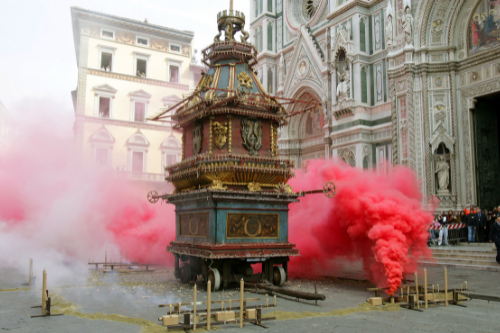
Most holidays are well-spent if they are spent in the loving warmth of family. Therefore, with Easter just a little more than a month away, we are bringing to you some of the most amazing Easter traditions from around Europe to enjoy with your loved ones.So read on and get ready to have a delightful Easter 2023 in Europe!  Italian Easter traditions: Fireworks, processions and personalised Easter eggs If you find yourself holidaying in the Tuscan region, then don’t miss a chance to visit Florence and see ‘The explosion of the cart’ at the Duomo. In this famous Easter tradition, called Scoppio del Carro in Italian, a turret called Brindellone is put on a cart. The cart is then pulled by white oxen through the entire city. Once the cart reaches the Duomo, a pyrotechnic dove is let off from the altar, which lights the turret on the cart, leading to a burst – if the dove comes back safely, it symbolizes a year of prosperity! The Explosion of the Cart in Florence, with Brindellone on top Another famous tradition known all over the world and celebrated in Sulmona, Abruzzo,  is the Easter Meeting, better known as La Madonna che scappa in Piazza. In this tradition, the statue of the Madonna is raced to that of the risen Christ in an emotional meeting of the mother and the son – an unmissable spectacle for those celebrating Easter in Italy!  In Sicily, you will be able to see several suggestive parades: the Real Maestranza in Caltanissetta, a historical association of craftsmen united in a town association that plays a prominent role during the religious festivals; the Processione dei Misteri in Trapani, which is a parade of sculptures representing biblical scenes; and the celebrations in Prizzi and Adrano, some fun eighteenth-century traditions mixing the sacred with the profane.The Processione dei Misteri di Trapani, Sicily Tip: Prolong your stay in Sicily and enjoy a tour around its ‘lost-in-time' baroque towns and gorgeous beaches. What are waiting for? Book one of our holiday homes in Italy Spanish Easter traditions: Death Dances and Parades Death Dances may seem a little spooky at first, but in Verges (Girona), this Easter tradition is participated in by both adults and children. The main spectacle called The Procession of Verges takes place on Maundy Thursday or Holy Thursday, whereas the one with children happens on Easter day. On both days, the Dance of Death is re-enacted the same way: with skeleton costumes, ash boxes, the theatrical depiction of Christs’ passion, and the perfect background setting of the medieval old town centre of Verges! The spooky Dance of Death in Verges Easter in Spain is also celebrated with a number of grand processions. These parades happen in almost every city and town but the most famous of them all are the parades of Seville. In Seville, people dress up as traditional characters known as costaleros and nazarenos in the parades that bring together a crowd of anywhere close to 50,000 people!A “pasos" carried by the Costaleros during the Holy week in Seville Enjoy these amazing events close to Costa del Sol. Book your holiday homes in Spain! French Easter traditions: Spring Easter and Egg Hunts With flowers blooming and the Spring weather at its best, Egg Hunting has to be that one perfect tradition that you can enjoy in almost every part of France with your family.Egg hunts and wholesome family fun, a common Easter tradition in France Egg hunting has the most interesting backstory in France, wherein instead of an Easter bunny, the eggs are thought to be hidden by flying bells! According to general belief, when the bells of all churches are silenced in the three days leading up to Easter, they are thought to fly off to the Pope in Rome for blessing. So when the bells return, they bring back Easter eggs with them and hide them in the garden of houses leading to the tradition of numerous egg hunts throughout France! Do you want to take part to one of these fun egg hunts? Book your holiday home in France and get ready, set and go when les cloches sont passées! (the bells have come!)Enjoy the cosy spring weather in Chamonix in our lovely chalet Tré La Vieux (Property ID: 3287)Croatian Easter Traditions: Easter feasts and traditional dances In Dalmatia, people wear traditional costumes, sing ancient hymns and dance together around a fire to celebrate Easter: one of these typical dances is called Kolo (circle dance), a unique performance that brings people together! Another popular Easter tradition is gifting painted easter eggs (pisanice) to your family and close ones as a symbol of life. Painted Easter eggs gifted by Croatians to their loved ones But no celebration is complete without food. As part of its delectable Easter feast, Croatia serves up on its Easter menu: coloured eggs, spring onions, horseradish, French salads, traditional cakes, and special homemade bread and ham!  But, you can keep feasting in Croatia any time of the year. To get a taste, read our tempting blog on typical Croatian dishes or scroll down a little as we leave you with a virtual taste of the sumptuous Gibanica - a crisp layered pastry with poppy, walnuts, cheese, and carob. Deliciously layered Croatian Easter dessert, Gibanica Taste the delicious Croatian food and enjoy the sunny spring weather. Book your holiday home! Greek Easter traditions: Smashing Pottery and red Easter Eggs Easter in Greece is usually celebrated one week later than the rest of Europe as it follows the orthodox Julian Calendar. But like the rest of the countries, Greece brings in the joy of Easter with its unique traditions. On Corfu, festive time attracts thousands of Greek as well as international spectators to witness the tradition of smashing pottery.Smashed pottery in the street of Corfu A tradition to bring in new hope, smashing pottery in Corfu probably has Italian origins. But on the island, even though the custom was adapted for Easter celebrations, people do not share the same belief of the “smash” bringing in the new year as the Italians do.  So stay off the streets or join in the fun on Holy Saturday as people start throwing red-painted pottery from their balconies at noon and the spectators pick up its pieces as a good luck charm! Tip: Don’t forget to try the ‘red eggs’, painted with organic red ink to depict the blood of Christ. The famous Easter red eggs typical of Greece and the Balkan regionsEnjoy the warm spring and Easter in Greece! Book one of our holiday homes. Swiss Easter traditions: Easter tree and egg smashing The home of chocolate has various traditions surrounding Easter and eggs, but not necessarily chocolate eggs.  From common activities such as egg hunting and decorating Easter eggs to other exquisitely Swiss activities common in almost every canton, Easter in Switzerland is pure family fun.  The lovely Easter Tree, a Swiss tradition that will make children happy Among the most interesting traditions is the Easter Tree, which symbolises the arrival of spring. The tree is made using cut sprigs decorated with coloured eggs. Two other fun activities for adults and children are Eiertutschen and Zwanzgerle. Eiertutschen means 'Egg smash' and consists of breaking the opponent's egg without breaking one's own, the winner will eat the egg. Zwanzgerle is played on Easter Monday: it is usually the adults who try to break their children's egg using a coin. If the adult fails, the child wins the coin! Tip: Try Osterfladen, traditional Easter rice tarts resembling the French Gâteau de Pâques (French), to complete your experience of a very Swiss Easter.The mouthwatering Osterfladen, a typical Easter tart made of rice Want to discover more Swiss Easter traditions? Book one of our holiday homes and discover them for yourself. So where are you and your family heading for Easter?

A Culinary Trip around Barcelona

Barcelona’s stellar international cuisine is the result of its multi-cultural population and tourists that come from the world over for the city’s iconic architecture, attractions and the unmissable ‘La Rambla’. However, this city’s cuisine is made even richer by Catalonia’s traditional dishes like crema Catalana, Fideua, and of course, the world-famous varieties of Spanish tapas. Spread over a large area sprinkled with many sumptuous restaurants, Barcelona has more than enough to indulge you every time. So, here are some of the best dining experiences in the famous “barrios” (neighbourhoods) of Barcelona.Fideua, a noodle version of paellaLet us start with Ciutat Vella, the most vibrant and attractive part of Barcelona!Now, “Menu del Dia” are big in Spain, and if you want to eat well and at affordable prices, then La Fonda (Gothic quarter) is the place to go. A great 3-course meal accompanied by wine, fine dining and an a la carte selection of Spanish delicacies like Arroz Negro, Paella, Crema Catalana, surely make for an appetizing meal here.Delicious Crema CatalanaSurely, the Spanish tapas has confused many. What is it? How is it done? Well, tapas is both a food and an activity that is served up in small, heavenly portions to accompany a drink. In Ciutat Vella, you can try this typically Spanish way of snacking at Taller de Tapas, where they do traditional tapas that are totally value for money! For delicious pancakes, thick milkshakes and all things American, Milk Barcelona is the place to be. Earning a plus point for being an LGBTQ-friendly and a very welcoming restaurant, this quirky breakfast joint is a stone’s throw from the Gothic Quarter.Gothic Quarter street viewsSo, you will most likely find yourself admiring Gaudi’s peculiar architecture in Eixample. Therefore, short stops for a quick bite are ideal for a well-rounded tour around here. Head to Cerveceria Catalana to refresh yourself with their in-house sangria accompanied by grilled cuttlefish, huevos cabreados or roasted artichokes!Instagrammable and hybrid, at Eat My Trip, the saying “eating with your eyes” really comes true. Also in Eixample, this lovely restaurant with alfresco dining serves up traditional dishes with an international twist. Great for all kinds of experiment eaters, think Belgian waffles in American style when deciding to head here for lunch or dinner.The beachfront Barceloneta neighbourhood has some of the most famous and refined nightclubs in Barcelona. Opium is one of them, but it is also a seaside food haven for any time of the day. Here, enjoy a meal at the beach under a wooden terrace with stylish parasols, indulgent Mediterranean cuisine, seafood paella and tapas!But, if hip, trendy and modern is your vibe, then eating in La Ribera y El Born barrio is surely something you should be up for. Here the French-Italian style restaurant, Casa Lolea, is an excellent spot for dinner. Known for its trademark dotted-sangria bottles, this restaurant has a superb vibe and truffle risotto.For those who like to grab a bite on the go, they can head to the amazing Boqueria Market in El Raval and dig into some of the freshest produce and meals in Barcelona either while strolling through the market or at kiosks like El Quim’s serving their signature meals.Fresh fruits at La BoquerìaLesser crowds, authentic food. In Gracia, is the cosy and friendly cafe Sol Soler that whets your appetite for local tapas, including the Spanish omelette, Alitas de Pollo (chicken wings) and many vegetarian ones, too!Lastly, creating the perfect ambience for a date night or an intimate outing is Somodo in Gracia. This cosy restaurant with a serene atmosphere and a capacity of just 22 people conjures up sumptuous traditional dishes with fresh seasonal ingredients,  Japanese-like precision and meals ranging from 3-7 courses.Top off your culinary tour by signing up for one of the many cooking classes in Barcelona and learn to cook authentic paella or crema Catalana for yourself!So are you ready to experience the richness of food in Barcelona? Discover our best holiday homes for rent.

Drink to ‘Dry January’, with our top holiday mocktails!

The ultimate holiday mocktailsWhether you’re on a ‘dry January’ health drive or you want to surprise your family and friends with some fun party drinks, these alcohol-free tipples are full of flavour and taste – making them perfect for your next getaway! Virgin Watermelon Margarita Serves: 6 Prep time: 3 hr’s beforehand, 5 minutes to make When on holiday in Europe, you’ll find an abundance of watermelons for sale at food markets and in supermarkets. When the sun is beating down, this vibrant and energizing mocktail will keep all ages hydrated and ready for some holiday fun. Firstly, chop up the watermelon into cubes and place in the freezer for 3 hours. Next, dip the rim of each glass in water before rolling the rim in granulated sugar. Next, blend the frozen watermelon cubes with the Sprite, until smooth. Pour the delicious smelling mixture into the glasses. Finish with a thin wedge of watermelon to each rim. Cheers! Ingredients:1 watermelon (diced and frozen for 3 hrs before)Can of Sprite (335ml/ 12oz)Granulated sugarFinish with: Sprig of fresh mint and granulated sugar around the rim, with a thin wedge of watermelonNote: For more of a Margarita-style edge, feel free to add a dash of fresh lime or lemon juice! Lemon & Mango Margarita Serves: 4 Prep time: 10 minutes These juicy flavours pack a punch on a cold winter’s day. You’ll taste the endless days of summer ahead, with each sip you take! Firstly, if you haven’t got these shop-bought syrups in, make your own (using the helpful notes below). Next, using a large pitcher jug, whisk the lemon juice with the 2 purees. Gently (and briefly) stir in the fizzy water. Rub a lemon wedge around the rim of each glass and then dip each rim into granulated sugar. Next, add ice and pour in the mixture, before garnishing with a lemon slice and fresh sprig of mint. Enjoy!  Ingredients:6 tbsp fresh mango puree (see note)3-4 tbsp simple syrup (see note)2 tbsp lemon juice500ml sparkling waterFinish with: Fresh mint, granulated sugar for the rim of the glass & slice of lemonNote:To make homemade mango puree, peel and cut 1 mango. Blend in a food processor, until the pulp is smooth. To make the simple syrup mixture, heat an equal 4 tbsp sugar with 4 tbsp water in a saucepan. Bring to the boil and then turn the heat down, to simmer. The sugar will dissolve in 30 seconds or so. Leave the simple syrup to cool in a room before using. Sparkling Pear Punch Serves: 10 Prep time: 10 minutes This light, bubbly punch is full of autumn promise and festive winter flavour. It’s perfect as an aperitif to accompany meat and cheese platters, whilst also offering an uplifting accompaniment to a heavy meal. Simply pour all the ingredients into a large container (except the ginger ale) and refrigerate for 1 hr – 1 day before. This will enable the flavours to infuse to their full potential. When you’re ready to serve, pour the mixture 1/2 - 2/3 of the way into the glass, topping up the rest with the ginger ale. Ingredients:4-5 Anjou pears, diced1 lemon worth of juice32oz/ 946ml pear puree2.5 cups spiced apple cider2 litres ginger ale (carbonated water flavoured with ginger)Finish with: Cinnamon stickNote:If you’re out of Pear puree simply chop up some ripe pears and mix in a blender with ice cubes, et voila!French 75 Mocktail Serves: 2 Prep time: 2 minutes For something rather elegant, a flute of this mocktail will do the trick! Firstly, add the fresh lemon juice and bitters to a cocktail shaker, which has been filled with ice. Shake till the mixture has gone frosty, then pour equal amounts into each flute. Top off with tonic water and garnish with a sugary swizzle stick. Simple, yet effective! Ingredients:2 cups iceFresh lemon juice (88ml/3oz4 dashes lemon/ orange bitters2 x (177-236ml/6-8oz) bottles of premium tonic water (e.g. Fever Tree)Finish with: A sugary swizzle stick in the glassNote: If your shop is out of sugary swizzle sticks, dampen each glass rim with lemon juice, before rolling each in 1tsp caster sugar Virgin Mojito Serves: 1 Prep time: 2 minutes Nothing beats a classic Mojito. With this recipe you’ll be able to enjoy the tempting fusion of mint and lime at any time of day, thanks to this alcohol-free version! Firstly, place the fresh mint leaves and lime juice into a glass and mush them with a ‘muddler’ (or the end of a wooden spoon) for 1 minute. Crushing the mint in this way will release the flavoursome mint oil into the mixture. Next, add the simple honey syrup and sparkling water. Cheers! Ingredients:2 tbsp fresh lime juice2 tbsp honey syrupSparkling waterIce (optional)10/15 fresh mint leavesFinish with: Sprigs of fresh mint and a slice of limeNote: To make simple honey syrup, pour a mellow tasting honey into a saucepan. Add in water, to a ratio of 1:2 (that’s 1-part honey, 2 parts water). Heat on a low heat, until the honey has fully dissolved. Abracadabra, you have honey syrup! Allow to cool before mixing. If needed store in the fridge beforehand (it remains good for up to 4 weeks in an airtight container).Also, for express drinks and larger pitchers, why not use Limeade instead? Simply take out the honey syrup and fresh lime ingredients, in favour of ¼ cup of Limeade instead.   Wherever you’re spending your next holiday, we hope you enjoy making these fun, alcohol-free holiday drinks. “Salute!”

Destination in Focus: Javea (Costa Blanca), Spain

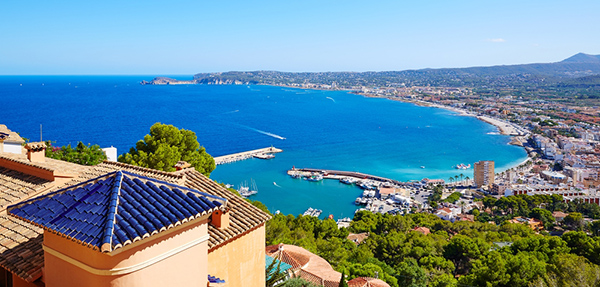
Costa Blanca is typically identified as a destination full of tourist activities, but Javea is different. Halfway between Alicante and Valencia, the port town of Javea is your perfect idea of a relaxed holiday with a lot of new things to explore. Besides beautiful beaches and coves, the place attracts visitors for gastronomic delights, breathtaking views, medieval structures, colourful shops, outdoor activities and a plenty of other such exclusive Mediterranean experiences.On the Mediterranean Coastline To the delight of tourists, Javea has about 20 kilometres of coastline and a series of coves, capes, cliffs and mountains that constitute its wonderful landscape. The crystalline water of the sea makes it ideal for scuba diving. Visitors can bask in the sun at its two blue flag beaches: La Grava and Cala Granadella. These pebbly beaches are lined up by palm trees and a lot of bars and restaurants which serve great food amidst great scenery.There are more than 15 scenic viewpoints distributed along the coast where visitors can stand and behold the panoramic view of the beautiful Mediterranean landscape. While most of them are easily accessible from the road, some of them can be encountered on hiking trails up in the mountains.Reliving the medieval pastA stroll through the historical centre of Javea takes one back in time. The town has retained its medieval and gothic layout. The Church, Iglesia de San Bartolome, which is the centre of attraction here, was built between the 14th and 16th century and represents medieval architecture. One can also visit the Palau dels Sapena which is a fine example of Gothic architecture with its arched galleries and windows. A number of Gothic-style houses representing medieval lifestyle and sensibilities can be spotted on the streets around the church. Go local on your shopping expeditionThere are plenty of ways in which you can become a part of Javea’s local culture and one of them is by visiting the shops and markets here. The Abastos Municipal Market which is very close to the historical centre is a great place to shop for local products, most importantly for local gastronomic products. The colourful local produce laid out at the market is quite a sight and can’t be missed. Additionally, the weekly street market on every Thursday between Plaza de La Constitucion and Placeta del Convent breathes life into the otherwise quiet and relaxed atmosphere of the town. A lot of traditional family-owned shops and boutiques line up the network of alleys and create a distinct ambiance which makes for a memorable sight.When holiday means great food and unique flavoursDining in Javea is all about feasting on the delicious traditional Spanish cuisine in a picture perfect setting. The promenades along the beaches are full of restaurants and bars serving fantastic food. Most notable among these is eating out at Arenal beach.  Its unparalleled beauty and the noteworthy Tapas bars along its promenade combine to offer a memorable experience. Beyond the coastline, the restaurants in the town promise great dining opportunities, where the recipes of some of the dishes served can be traced back to a few centuries.Sports and events to scale up the funJavea offers ample opportunities to spend time outdoors with facilities for horse riding, golf, water sports, clay pigeon shooting, and not to forget the amazing hiking and cycling trails. The Festival calendar of Javea, on the other hand, is full of events and festivals to keep the locals and visitors entertained all through the year as they become a part of the local tradition. Javea is a beautiful place to spend your holidays in a relaxed and rejuvenating environment. We have lovely holiday homes at Javea to help you make your vacation a better and satisfying experience.

Why you shouldn’t wait till summer to visit Costa Blanca

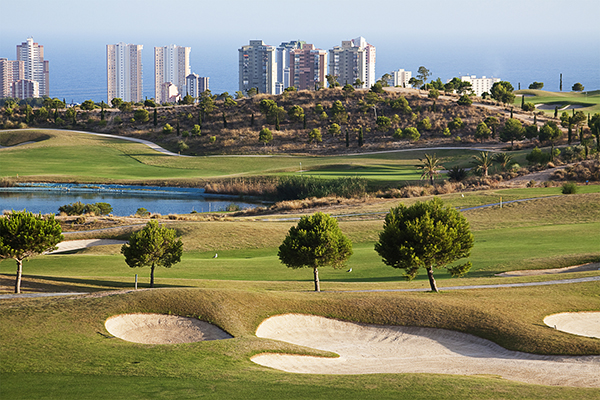
Why should you wait for summer to come to Costa Blanca when there is plenty of sun here throughout the year, hundreds of kilometres of sandy beaches, more than 20 golf courses, countless shopping options, a never-ending list of unique gastronomic delights and peaceful fishing villages waiting to welcome you? Costa Blanca is an amazing value for money destination during the off-season and can be visited literally any time during the year without compromising on the fun element.  If you are not bound by school vacations, you should come here during the low season. In fact, it could be more rewarding, enriching and enjoyable to visit Costa Blanca for a holiday during the off-season. Here’s why:The weather is always perfect!Not many know that the weather in Costa Blanca is always perfect for a beach holiday. Even when a lot of the European destinations are literally frozen, the temperature here is well above 20 degrees. The best part is that the beaches are not crowded and you get plenty of room to enjoy the perfect beach holiday.During off season when the temperature is more pleasant and suitable for being outdoor unlike the hot summers, you can also enjoy a number of adventure sports and outdoor activities. The unique topography of the place with its mountains and the sea allows you to try all kinds of land, air and water sports You can go scuba diving, snorkelling, mountain biking or take a flight in the hot balloon.Enjoy the lowest prices and best dealsAirlines always structure flight prices according to demand. That is why the price of air tickets to Costa Blanca are low during the low season. Visiting the destination during these times could help you save a lot of money.When it comes to accommodation, you can always find great deals during the off-season and stay at the best holiday homes without having to spend too much.   You can also enjoy amazing off-season deals at the golf clubs here. The province has 22 wonderful golf courses.  The wonderful grass, idyllic setting and pleasant weather have made Costa Blanca quite a popular all-season golf destination.Enjoy the destination at your own paceDuring the peak seasons, the beaches and all the towns around Costa Blanca, not to mention the famous ones, i.e. Alicante, Denia, Altea and Javea are overrun by tourists. The experience of going around the town and the old fishing villages are far better when you come here during the low season. You can experience the history and tradition of the region through its monuments, food culture and festivals. The warm welcome that one receives by the inhabitants of these towns compels tourists to visit again. The weather is pleasant and perfect for everything and you can appreciate the destination at your own pace.Plenty of activities to enjoy all year roundShopping: There are endless things you can shop for. From handicrafts to shoes,  bags, toys and rugs, simply anything and everything! The weekly markets are a different experience altogether, but the designer shops are equally great places to enjoy shopping.Dining and Nightlife: The restaurants in the region are primarily known to serve the most delicious rice dishes, but you can also enjoy a wide variety of seafood here. The cuisine is influenced by Mediterranean taste and the dishes are served with a dash of history and tradition mixed with it. Great chefs, Michelin star restaurants, traditional cooking, plenty of vegetables, Alicante wines and a warm hospitable ambiance makes the destination a foodie’s paradise.There are also plenty of clubs, bars and pubs in Alicante. The lively nightlife here is one of the best in entire Spain.You can now book lovely holiday homes at www.deniaholidayhomes.com and enjoy attractive off-season deals.

Afficher comme filtre :
×

Filtres
Notre Newsletter

Inscrivez-vous pour recevoir nos offres exclusives et profiter de séjours inoubliables !

Merci pour votre inscription !
Nous vous informerons de nos bons plans de voyage et offres spéciales.